Doru Segal
Camera
Known For
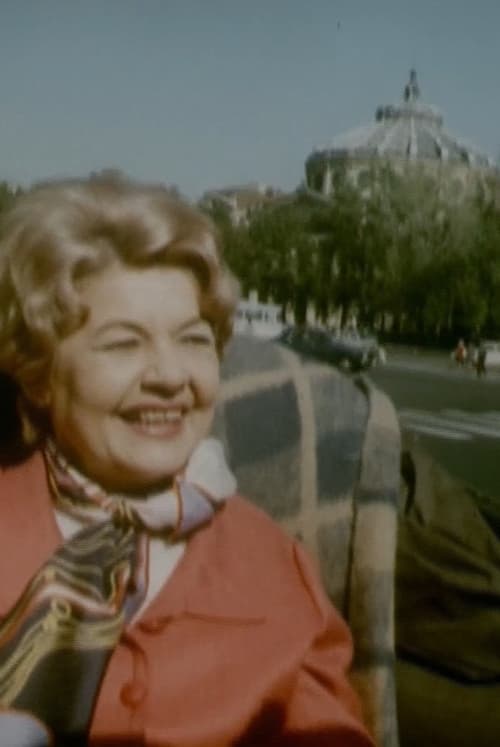
Part of a series of promotional films commissioned by Romania's National Tourism Office in the early 1970s with the aim of reconnecting diasporic communities with the country they left behind. In this case, the film is addressed to Jews who emigrated in the context of the Second World War or were sold by the Romanian state to the State of Israel starting in the 50s and settled in Israel and the USA - therefore, a target group made up of seniors, probably retired , possibly prosperous, eager to revisit the places of youth and willing to forget, temporarily, the traumas associated with them.
Letter from Romania
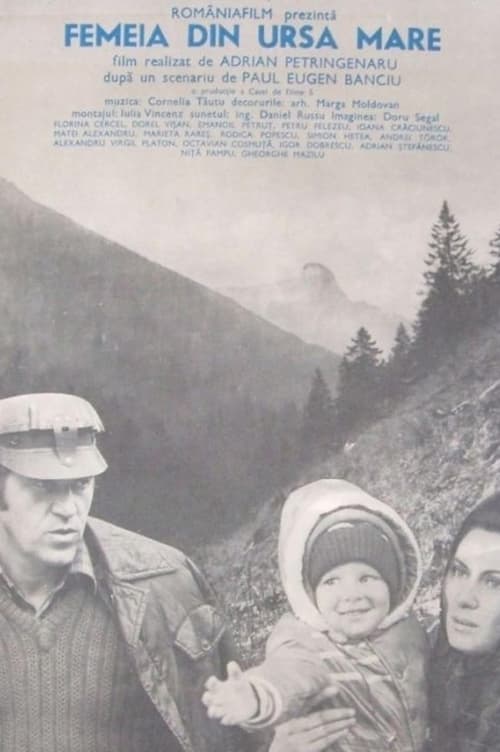
A construction site is set up next to a colony of forest workers. Murgu, a worker on the construction site, and Maria, a girl raised by foresters who took care of the colony's household affairs, fall in love with each other.
The Woman from the Great Bear
A look at a Romanian classroom in the 1980s.
The ABC
One of the most ingenious documentaries of a period not at all devoid of fanciful and provocative attempts in the history of the "Alexandru Sahia" studio.
New Technology, Educated People
A cine-postcard directed at the Bucharest of 2080, For Our Heirs… is a charming time capsule whose innocuous humour and visuals will soon stand in sharp contrast to the harsh reality of the decade’s austerity measures.
For Our Heirs, More Stories About Bucharest
Short documentary about working-class Romanians.
These People
The Segalls’ interest in children’s lives dated from the mid-1960s, when, using a camera placed off-stage, they filmed the end of the year festivities at their daughter’s nursery. The result was Big Little Feelings, which won the Silver Dove at the Leipzig Festival in 1964. In the years that followed, the idea of including their own child in some of their films did not sit well with the political bureaucrats. In the end, she would only feature briefly in two short sequences at the end of this and another documentary, filmed eleven years later with the same children (The Feelings Have Grown, 1975). In both films, Doru Segall proudly makes clear that he is both the film’s cinematographer and the father of the girl in the image—a personal, autobiographic detail unusual for a Sahia film. Over the following years, the Segalls continued to work on documentaries about children, including Exams (1976), The High Schoolers (1978), Parents Meeting (1980), and The School Leavers (1986).