Editing
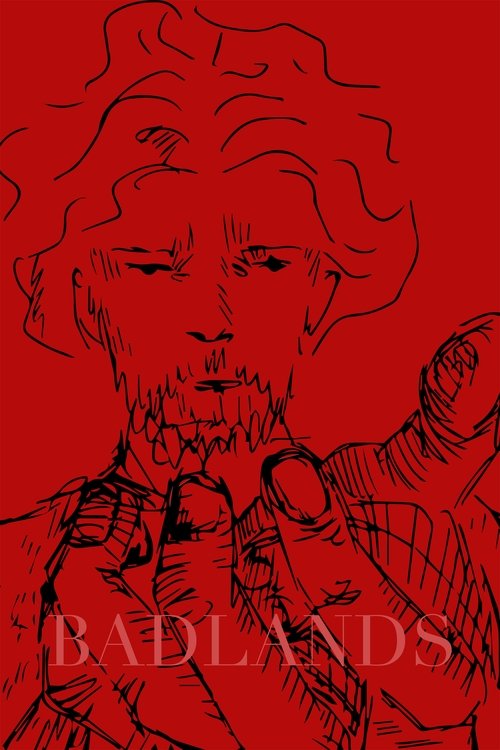
Unholy unfinished project.
Activist Jeremy Kewuan faces the invisible power of ideology and faith as he combats traditions of present-day slavery on a remote Indonesian island.
Postal Fever launches a gaze through time and memory, crystallizing in collective and personal heritages. Putting into contact contemporary Super 8 images and family archives recorded on video, it tries to reflect – both critically and cryptically – on the nature of the images and their survival.
An essay film that focuses on rebuilding the idea of the Paralympic athlete through a historical revisiting of the Paralympic games. The archival images are accompanied by two voices of contemporary Paralympians that reminisce on their work as athletes and the way they and other people have dealt with their disabilities.
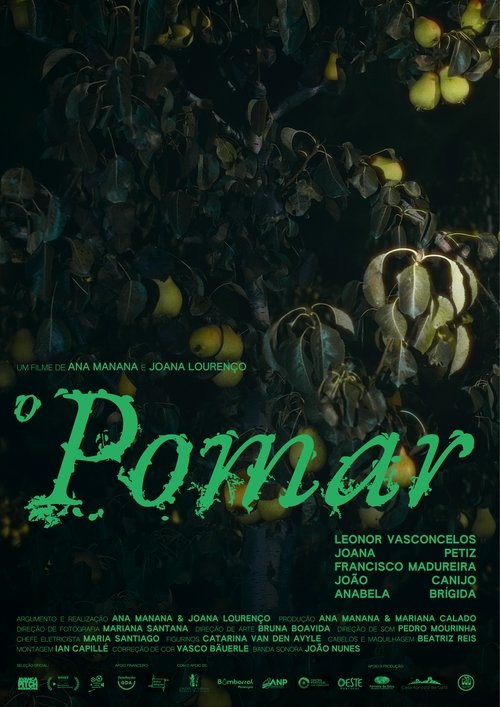
West, end of the summer. Laura works at the pear harvesting, a family business. During the afternoon, Carol arrives at the village to spend a few vacation days with her friends. That night, when Laura catches them stealing pears from one of her father’s orchards, her friend confronts her about her true intent.
An essay film about a woman who does not fulfill her supposed biological purpose, thus seeking to redefine herself through a journey through her doubts, aspirations and insecurities.
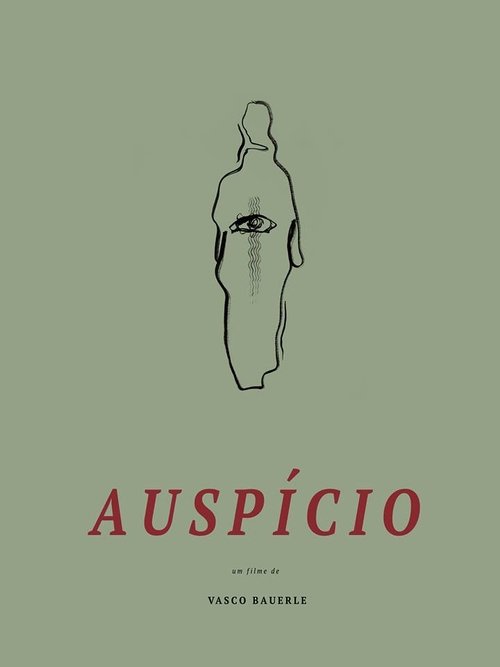
It dawns. A group of hunters is reunited, suspended in time and space. Prey and predator.
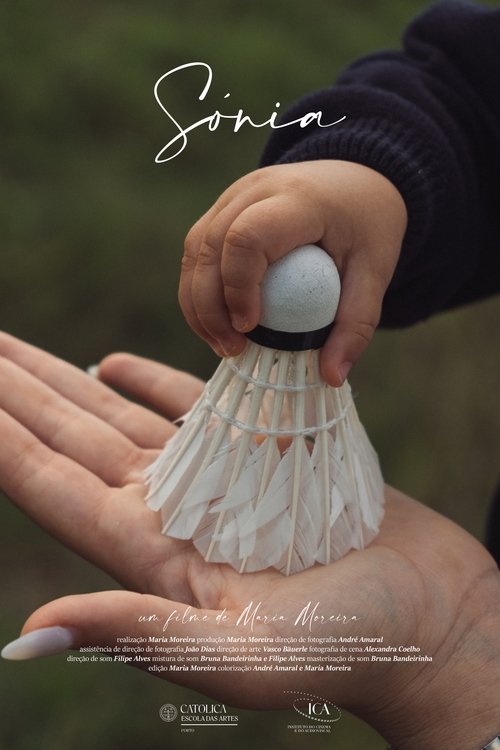
Sónia, a badminton athlete, chases the dream of one day participating in the Olympic Games. However, an unexpected surprise will change the course of her path.
Rafa senses an eminent farewell, remembering bygone places, encounters and fleeting connections.
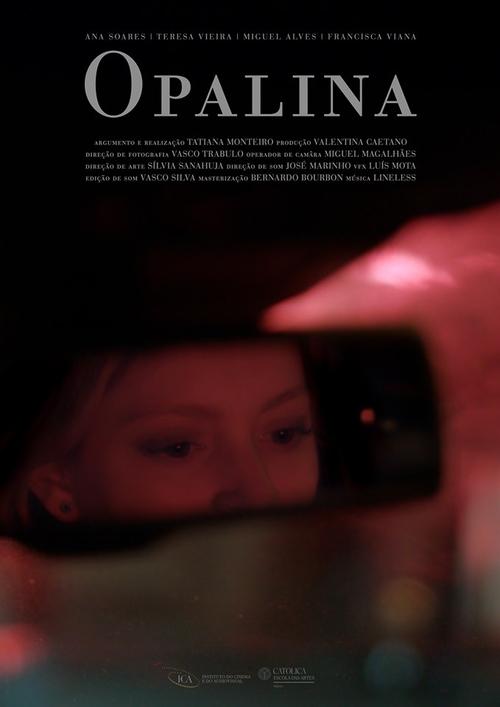
Andreia's arrival disturbs Ana and João's relationship and awakens dormant desires.
Fernando lived most of his life as a merchant in São Tomé de Negrelos, where he met the love of his life, Mariazinha. His life changed and Fernando died with a broken heart.
Part of Vale do Ave historical context, Woman of my people takes us on a journey through the textile factories and their stories. Conceição, the director's grandmother, tells her personal story, reflecting on the role of women in the factory in the social context of Vila das Aves in the sixties.
The short film tells the story of Natasha, a young woman of dual nationality who, after years living with her mother in Riazan (Russia), is looking for an opportunity to earn money in Portugal. Natasha becomes a waitress and, as time goes by, encounters Pub’s economic difficulties and poor pay for her work. Enticed by her colleagues, she ends up making decisions that will condition her future.
A game of Paintball emerges as a vehicle for the exploration of masculinity and power dynamics among a group of boys.
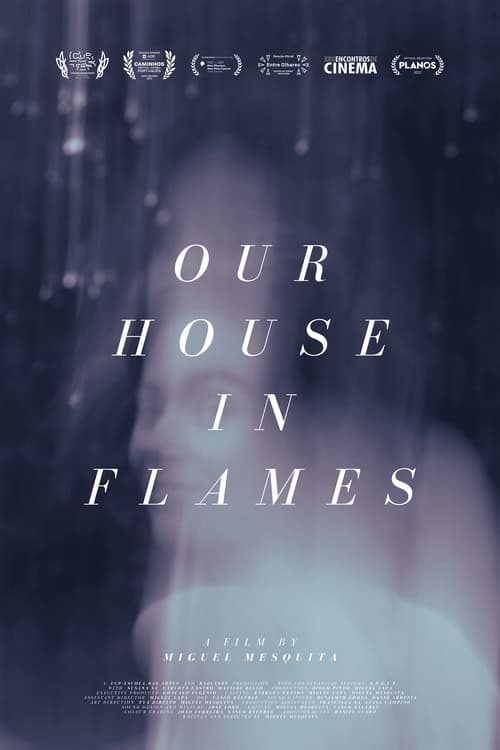
Dawn. Through the mist, morning's early light arises. But a stronger one stands out. It's a wildfire that spreads in the distance. From her home, in the top of the mount, a worried woman faces the flames. But it's not the proximity of danger that troubles her. Inside her house, her daughter sleeps, indifferent to the smoke that enters her room.
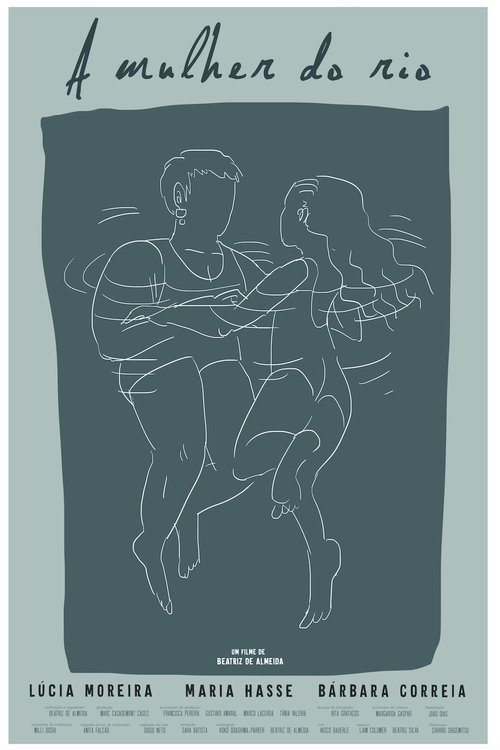
Sofia grew up taking refuge in the river of the village where her grandmother, Salomé, lives. The lightness of summers spent swimming comes to an abrupt end with Salomé's death. Sofia returns to an empty home that is nothing more than a reminder of old routines and mismatched ways of showing love. But, led by the memory of a moment of courage long gone, she is confronted with a final encounter in the night.
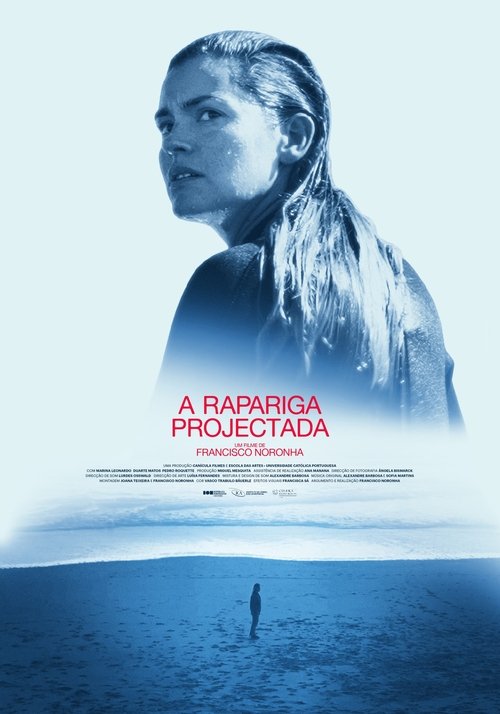
Teresa is a surfer who lives a full love life until the day when, using an app that allows surfers to analyze the state of the sea in real-time, she realizes that something strange is happening on the beach. Intrigued by what she sees in the images, Teresa is faced with a decision that has been on hold for too long. At the same time, she realizes how she might not accept for others what she claims for herself…
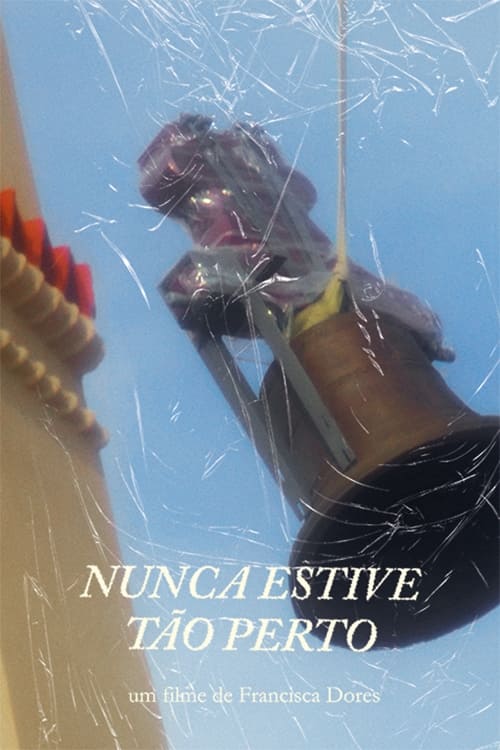
In a rural periphery in the midst of transformation, agricultural machines devastate the fields and the places are haunted by an eternal gloom. Out of the flames, the bells are reborn, invoking the presence of the community.
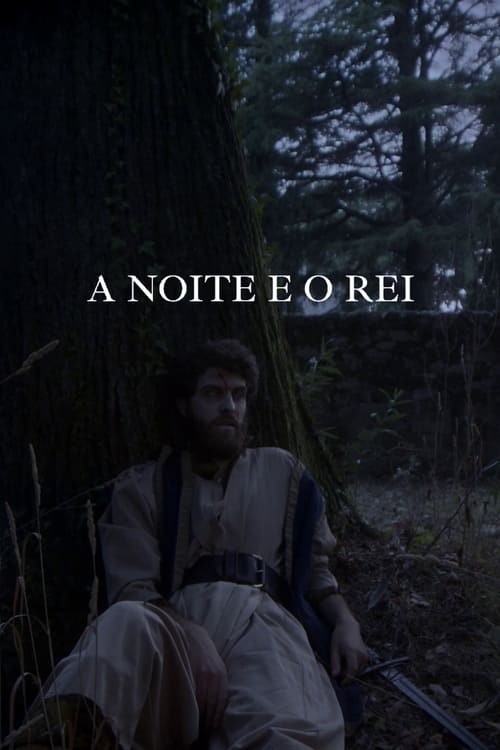
A medieval tale about a soldier and his responsibility in announcing the tragic death of the King in combat.