Editing
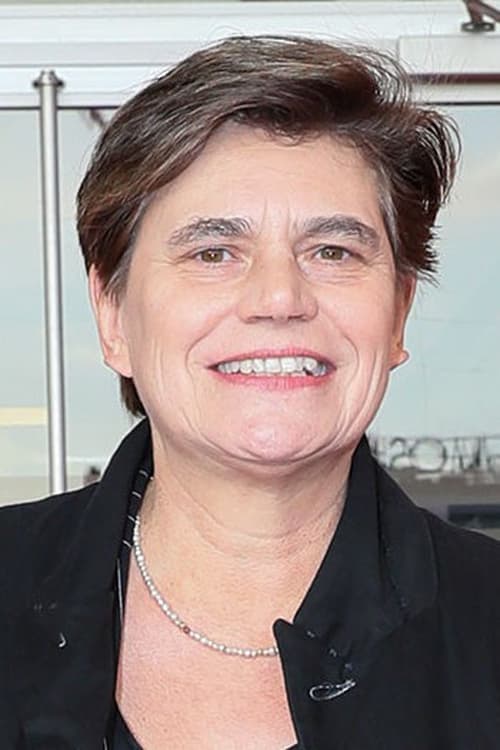
Bettina Böhler was born on 24 June 1960 in Freiburg im Breisgau, Germany.
No description available.
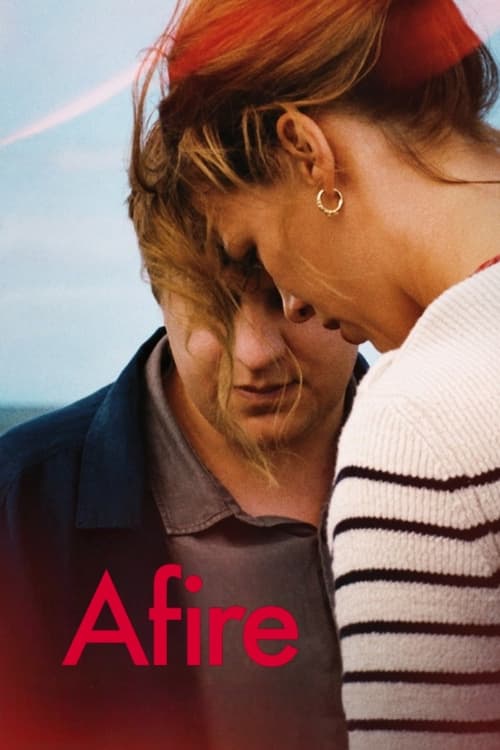
Self-important author Leon joins his best friend on a summer holiday near the Baltic Sea to complete his novel. When they arrive, they find their house is already occupied by a carefree woman who challenges Leon to open up. Meanwhile, forest wildfires rage around them and impending disaster looms.
After a car crash kills her boyfriend, piano student Laura is taken in by Betty, who witnessed the accident. Living with Betty's family brings comfort, but Laura starts questioning their intentions as time passes.
A portrait of the genius that shook the world with her discovery of “the banality of evil.” After she attends the Nazi Adolf Eichmann’s trial in Jerusalem, Arendt dares to write about the Holocaust in terms no one has ever heard before. Her work instantly provokes a furious scandal, and Arendt stands strong as she is attacked by friends and foes alike. But as the German-Jewish émigré also struggles to suppress her own painful associations with the past, the film exposes her beguiling blend of arrogance and vulnerability — revealing a soul defined and derailed by exile.
Undine is a historian and tour guide at the Berlin City Museum specializing in urban development, while Christoph is an industrial diver. Linked by a love of the water, the two form an intense bond, which can only do so much to help Undine overcome the considerable baggage of her former affair.
In the aftermath of WWII, German-Jewish cabaret singer Nelly has to undergo facial reconstructive surgery following her survival from Auschwitz. Without recognising Nelly, her former husband Johnny asks her to help him claim his wife’s inheritance. To see if he's betrayed her, she agrees, becoming her own doppelgänger.
In an attempt to flee Nazi-occupied France, Georg assumes the identity of a dead author but soon finds himself stuck in Marseilles, where he falls in love with Maria, a young woman searching for her missing husband.
When 12-year-old Elsi Björkman and her mother Paula return from a week's holiday abroad, Elsi immediately notices that someone has been in her room. She tells her mother about it, but she does not believe her. At the local supermarket Elsi meets Henry, who seems to spend his time returning shopping trolleys. Elsi does not know anything about the boy, who has an irritating habit of appearing from out of nowhere, only to disappear again, as if into thin air. Nevertheless, the children become friends.
Anna is 60 and her acting heyday is now behind her. She lives on her own but has a friend and confidant in her downstairs neighbour Michel, who is also single. Reluctantly, Anna accepts a job as a language coach for 17-year-old Adrian who has a speech impediment and is something of a misfit. She recognises him as the boy who recently snatched her handbag in the street.
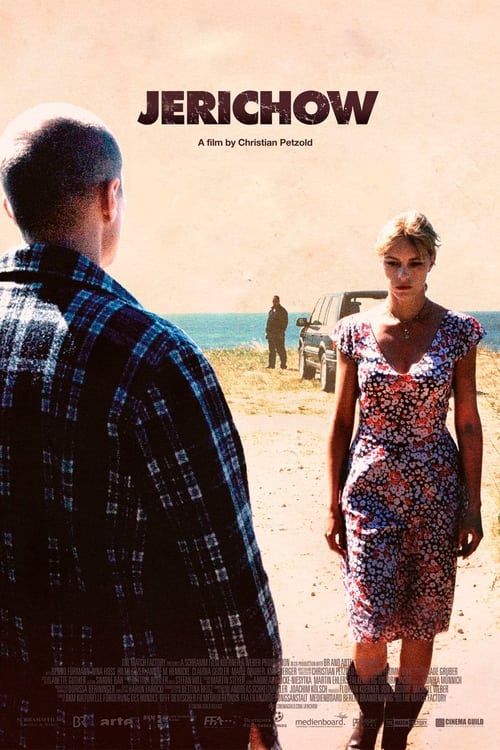
In a small Northern German town, a dishonourably discharged Afghanistan veteran is offered a job as a deliveryman by an alcoholic Turkish entrepreneur, through which the former meets the latter's gorgeous wife.
In 1980s East Germany, Berlin doctor Barbara is banished to a country medical clinic for applying for an exit visa. Deeply unhappy with her reassignment and fearful of her co-workers as possible Stasi informants, Barbara stays aloof, especially from the good-natured clinic head, Andre.
Dilettantishly cruel scenes from the "scene": A skinhead loves a dance girl and dreams of a petty-bourgeois future. When he is deprived of the wages of a robbery by his landlady, an impoverished princess, he kills her. His girlfriend sinks to being a prostitute and is also killed. It all ends in the prison cell with a dream vision of a white wedding in Berlin's Memorial Church. First film shot on Super-8 and blown up to 16mm by Tabea Blumenschein, who became known as a performer in underground films and as a costume designer.
Nina, a mentally ill teenage orphan, starts a new job as a garden cleaner when she meets Toni. They fall in love but soon Toni starts betraying Nina. Meanwhile, Francoise is picked up at a Berlin psychiatric hospital by her husband, Pierre. After spotting Nina, Francoise believes that she has found her kidnapped daughter Marie, but no one believes her.
German family Schroeder is spending their Christmas holidays on the Thai island, Phuket. Of all the things, deep within the sleazy tourist bars and alleys of Patong, the youngest son Felix falls in love with a gorgeous Thai girl Fai who in return appears to mutually attracted to him.
Part of the episodic film, Seven women, seven sins, this is a different take on the Adam and Eve story. Eve does eat the apple and her curiosity makes her human. Her generous gesture of offering people things turns into a compulsion to feed others.
Seven Women, Seven Sins (1986) represents a quintessential moment in film history. The women filmmakers invited to direct for the seven sins were amongst the world's most renown: Helke Sander (Gluttony), Bette Gordon (Greed), Maxi Cohen (Anger), Chantal Akerman (Sloth), Valie Export (Lust), Laurence Gavron (Envy), and Ulrike Ottinger (Pride). Each filmmaker had the liberty of choosing a sin to interpret as they wished. The final film reflected this diversity, including traditional narrative fiction, experimental video, a musical, a radical documentary, and was delivered in multiple formats from 16, super 16, video and 35mm.
A young East German woman leaves her controlling husband/business partner and relocates to a West German city to start anew as an accountant, but he soon catches up with her.
An average, everyday metalworker and volunteer firefighter content in his marriage to his childhood sweetheart finds his emotions unexpectedly stirred when he falls for a pretty waitress from a nearby town.
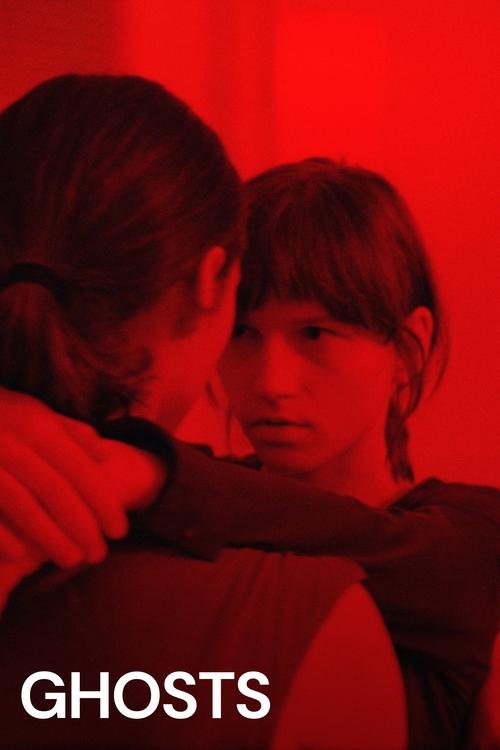
Sisters September and July share an intense bond, speaking in a secret language and keeping the outside world at a distance. After September is suspended from school, their mother brings them to a remote house on the Irish coast—where July begins to resist her sister’s increasingly sadistic control.
Survival is not enough. Fariba Tabrizi has made it. Under peril of death she has fled from Iran. In Germany she has no alternative way of avoiding the threat of deportation other than to assume the identity of a deceased co-detainee. So what happens after a few month in which she has tried to come to terms with a situation which is actually an insufferable one for her? How does Fariba live not only in this external state of exile but also in an inner state of exile? The term "in orbit" is officially used by the UN to refer to asylum-seekers who find themselves orbiting around planet Earth because they can actually find legal domicile nowhere at all.