Zsuzsa Vicze
Costume & Make-Up
Known For
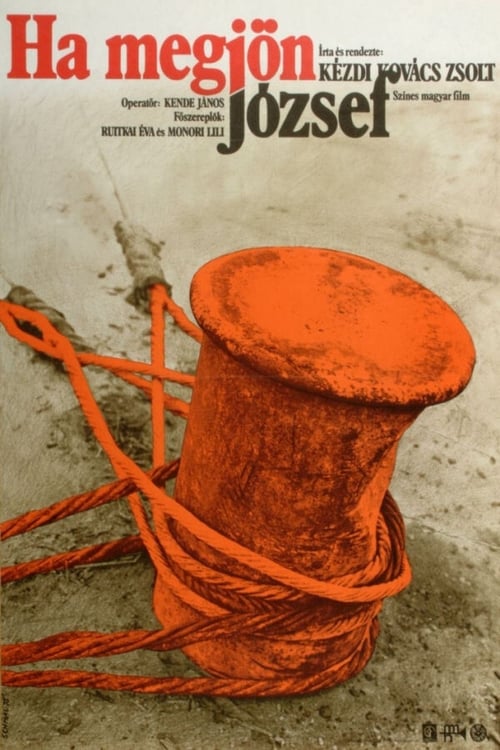
An unsentimental Hungarian film about the edgy relationship between a middle-aged woman and her young, restless daughter-in-law when the son-husband goes to sea for six months.
When Joseph Returns

After the failure of the Kossuth's revolution of 1848, people suspected of supporting the revolution are sent to prison camps. Years later, partisans led by outlaw Sándor Rózsa still run rampant. Although the authorities do not know the identities of the partisans, they round up suspects and try to root them out by any means necessary.
The Round-Up
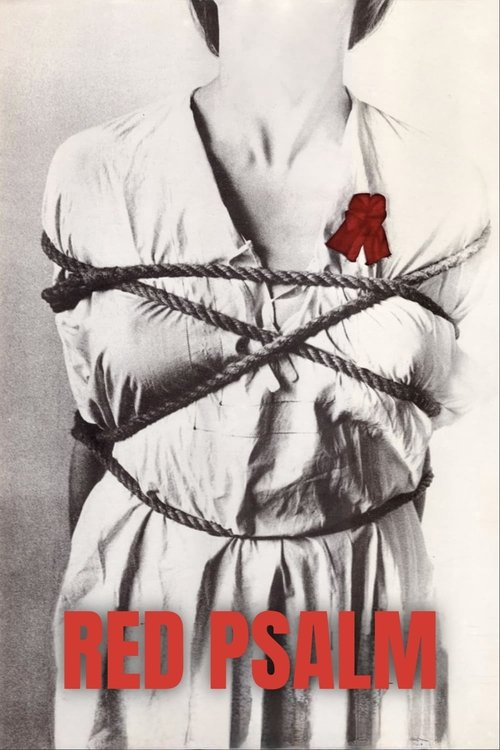
Set in the 1890s on the Hungarian plains, a group of farm workers go on strike in which they face harsh reprisals and the reality of revolt, oppression, morality and violence.
Red Psalm
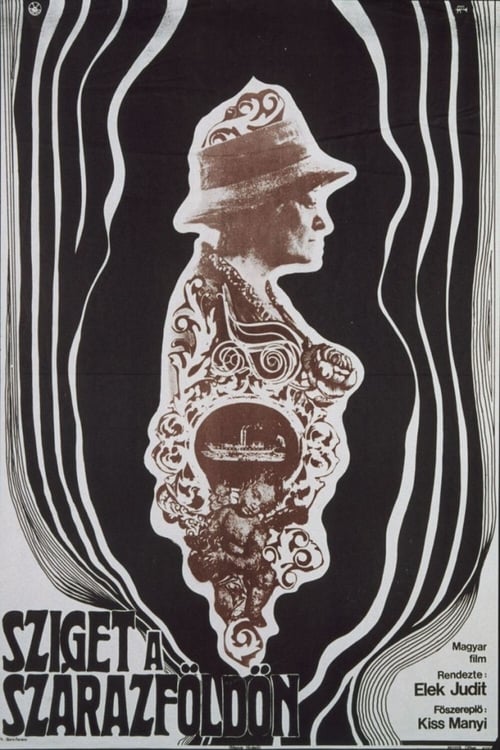
Persuaded by the janitor's wife, a lively, but lonesome old woman, who is only attached to the world through her cherished objects and memories, decides to exchange her two-room apartment for a smaller one. For a little while her everyday life is changed. She meets and entertains new people every day.
The Lady from Constantinople

When middle-aged Kata realises that her life will only be complete if she has a baby of her own, her longstanding-but-married boyfriend Joska refuses to comply. But by developing an unlikely friendship with the angst-ridden teenage orphan Anna, who is also involved in a controversial relationship, Kata discovers aspects of herself, and her role as a woman, that have gone unexamined throughout her entire, lonely life.
Adoption

Set during a turbulent era of disquiet, fear, persecution and terror, which permeates every corner of post-WWI Hungarian society. In 1919, after just a few months of communist rule the Hungarian Republic of Councils falls victim to a nationalist counter-revolution. Admiral Horthy, leader of the nationalist far right movement, becomes the self-proclaimed regent of Hungary, and assumes power as the legal Head of State. Soldiers of the short-lived Hungarian Red Army are now on the run from relentless secret policemen and patrol units of the nationalist Royal Gendarme. If caught, ex-Red Army soldiers are executed without mercy or proper trial. István Cserzi, a former soldier of the Red Army has fled to the Great Hungarian Plains and has taken refuge on a farm, which is run by two sympathetic women.
Silence and Cry

Zsadányi flees from the authorities with his goddaughter, Bankós Mari, and they escape into the forest. The film then skips ahead thirty-fold years: Zsadány and Mari are now lovers, with the sound of war in the background halting their romance. The old friends of Zsadányi have joined with the Nazis, and the landowner living with his peasants in a socialist community grows distant from them. Zsadányi is held responsible for political problems in the country, and will pay with his life.
Allegro Barbaro

Allegory of the suppression of the 1919 revolution and the advent of fascism in Hungary; in the countryside, a unit of the revolutionary army spares the life of father Vargha, a fanatical priest. He comes back and leads massacres. A new force, represented by Feher, apparently avenges the people, but only to impose a different, more refined and effective kind of repression.
Agnus Dei

It has been fifteen years since the death of her father, Agamemnon, and Elektra still burns with hatred for Aegisztosz, who conspired with Elektra's mother to kill him.
Electra, My Love

Juli is a 17-year-old student who takes a summer job in a local chemical factory. She is befriended by Piri, a girl with an unsavory reputation who has worked there before. The two friends are ogled by male workers who have overactive libidos and imaginations. Juli spurns the advances of a deluded Romeo while Piri continues to work and endure open hostility from the older female workers while her slothful parents sink deeper into alcoholism.
Do You Know Sunday-Monday?
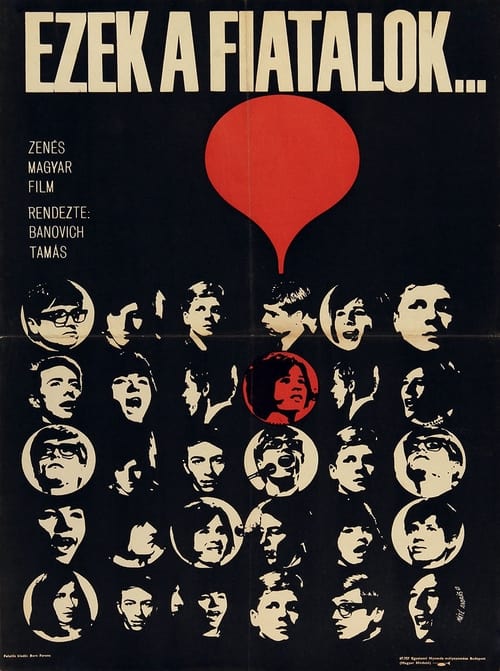
Laci is facing maturation and he wants to work, but his intellectual parents want him to be at the university. Laci feels lonely, because back home the centre is his younger brother and he also deceived in Zsuzsa, his class mate. The girl is already an accomplished pop singer, member of the Illés, and she only returns the love of Laci as a friend. But through Zsuzsa he can meet the members of the well-established group, whose members even lend him their instruments for the concert of the school group. They also play together and another brown girl cheers him already.
Oh, These Young People!

A group of students cope with the disappearance of their friend.
Current
No description available.
Kutyakomédia

Croatian anarchists collaborate with Hungarians to make a bid for the life of King Alexander of Yugoslavia.
Winter Wind
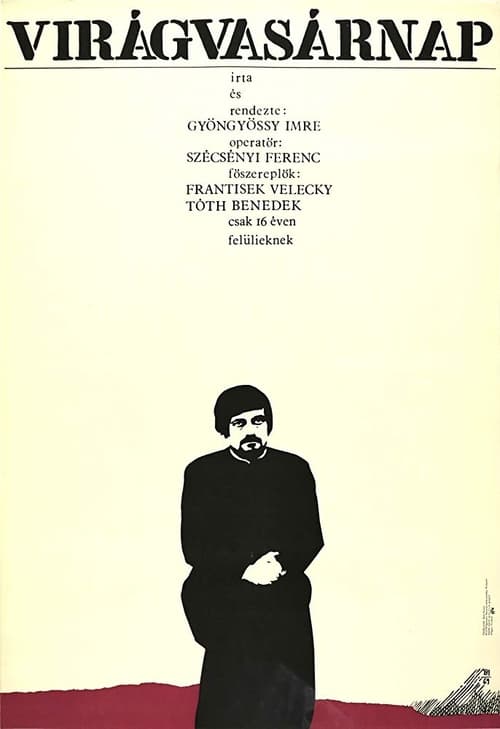
Epic recalling the early days of the Republic of the councils.
Palm Sunday
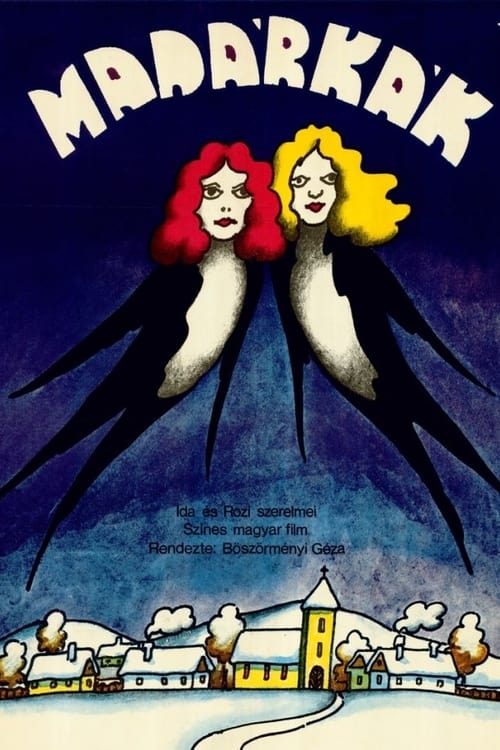
The heroines of this lyric comedy full of burlesque elements are two girls from a village who get totally engrossed in their day-dreaming. Ida and Rozi escape to the city to catch husbands for themselves.
Birdies

A couple in love, but sadly married to other partners. What is to be done? A diagnosis of a comfortable but profoundly incapable society, a Hungary suffering from an endemic private life disorder, observable both among the urban middle and the rural lower classes. A descent into a relationship’s demise, more from the tired inertia of a country that has lost all direction and sense of purpose than any ill will.
Maybe Tomorrow

The loving couple of this grotesque parable parody of the Kádár-regime, Mária and István row to an uninhabited, idyllic island. Soon crazy tent-pitchers swarm to the island, led by an official representative of the regime.
Pheasant Tomorrow
On a space research station experimenting with relative time, a technical glitch causes two astronauts to be trapped in time. A dramatic struggle begins against runaway time, where the laws of physics are different and everything is noticeably slower than on Earth.
Az elszabadult idő

The story of the film takes place in 1929 in a model prison providing a kind of reflection how society works out there. Udvardi, the weakling and indulgent director is experimenting with putting in practice a kind of pseudo-humanist utopia about the institution of a 'civilised prison'.