Tamás Banovich
Directing
Biography
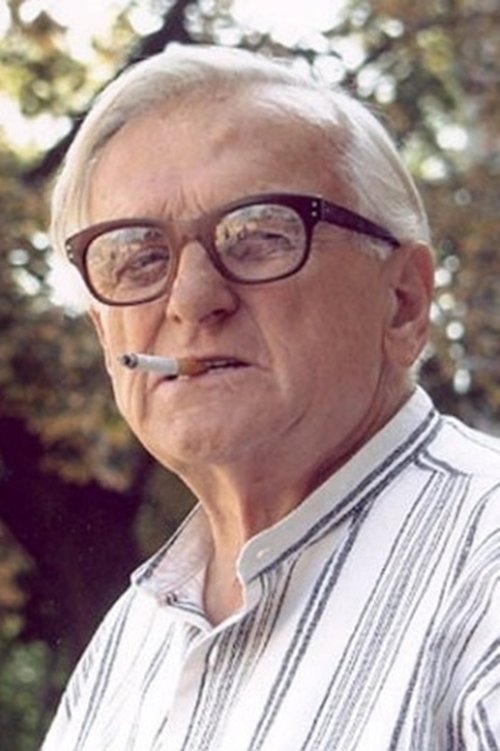
Tamás Banovich was born on September 21, 1925 in Budapest, Hungary. He was a production designer and director, known for Az életbe táncoltatott leány (1964), Cyrano de Bergerac (1990) and Szép magyar komédia (1970). He died on February 8, 2015.
Known For

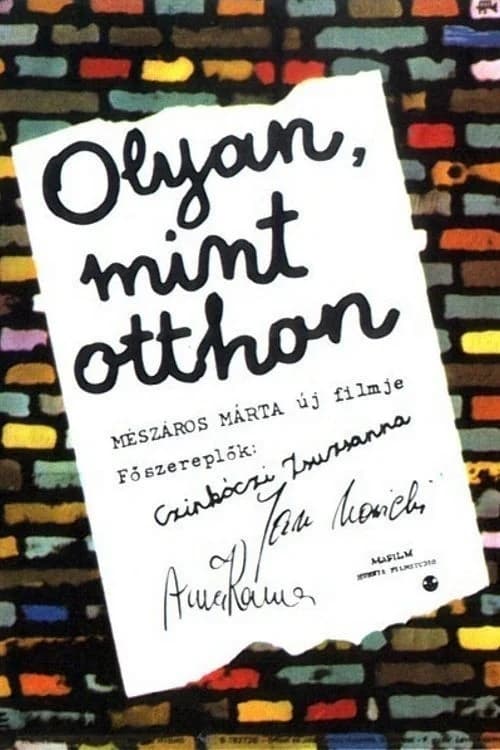
Juli, who works in a brick factory, begins a romantic relationship with her boss, to whom she hides the fact that she has a son.
Nine Months

In 1866, the Szendrey family gathers for the name-day of Júlia’s sister, Mária, but the event dissolves into bitter grievances and the physical decline of the household. As the dying widow of the poet Sándor Petőfi, Júlia struggles with a failed second marriage while Mária grapples with jealousy over her own husband’s love for Júlia. The family’s fragile unity finally shatters under the suffocating weight of Sándor’s heroic legacy and the pervasive shadow of illnesses.
Maria's Day

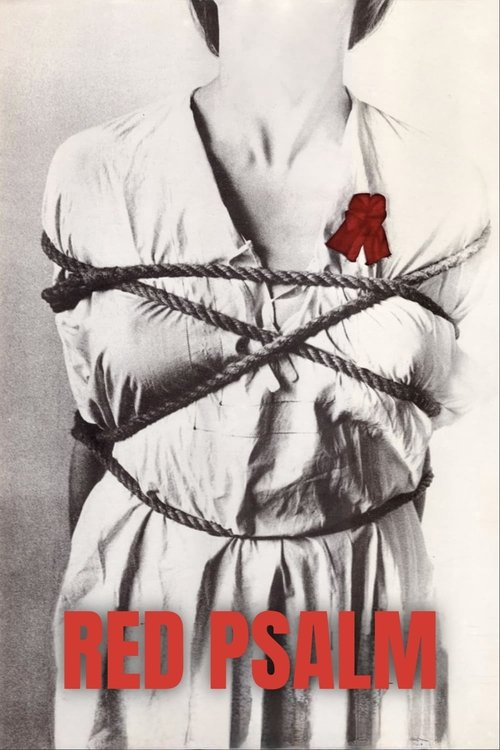
Set in the 1890s on the Hungarian plains, a group of farm workers go on strike in which they face harsh reprisals and the reality of revolt, oppression, morality and violence.
Red Psalm

Based on a true story, a love affair develops between a half brother and half-sister. When pregnancy results and word gets out the public is outraged.
Forbidden Relations

After the failure of the Kossuth's revolution of 1848, people suspected of supporting the revolution are sent to prison camps. Years later, partisans led by outlaw Sándor Rózsa still run rampant. Although the authorities do not know the identities of the partisans, they round up suspects and try to root them out by any means necessary.
The Round-Up

Looking for a safe place to live after being harassed by her husband, a depressive and violent man, Juli stays at a women's shelter run by Mária.
The Two of Them

Lena Kuchler, a Holocaust survivor, searches a Polish refugee camp for lost family members in the months after the war but instead finds 100 starving children with nowhere to go and nobody who wants them. She takes it upon herself to care for them, leading first to an isolated retreat, where they encounter antisemitic violence, and ultimately, to an exodus to Palestine.
Lena: My 100 Children

Edit, who became the wife of a politician out of a simple peasant girl, suddenly becomes a widow as a result of an accident. She never loved her husband. She lives a wealthy and lonely life amidst false friends, facing one of the last alternatives of her life, i.e. having to face her past in the hope of an independent new beginning.
Binding Sentiments

The tyrannical king is afraid of his people. He can only find peace if everyone wishes him well when he sneezes. Catchpoles raid the country and give orders what the king wants.
The Empire Gone With A Sneeze

When middle-aged Kata realises that her life will only be complete if she has a baby of her own, her longstanding-but-married boyfriend Joska refuses to comply. But by developing an unlikely friendship with the angst-ridden teenage orphan Anna, who is also involved in a controversial relationship, Kata discovers aspects of herself, and her role as a woman, that have gone unexamined throughout her entire, lonely life.
Adoption

It has been fifteen years since the death of her father, Agamemnon, and Elektra still burns with hatred for Aegisztosz, who conspired with Elektra's mother to kill him.
Electra, My Love

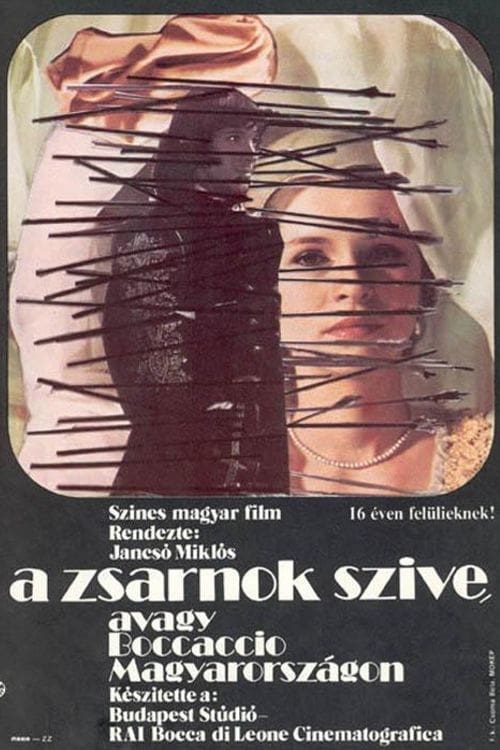
A historical drama set in the 1400s, a young man sent to Italy but is forced back after his father's mysterious death.
The Tyrant's Heart, or Boccaccio in Hungary

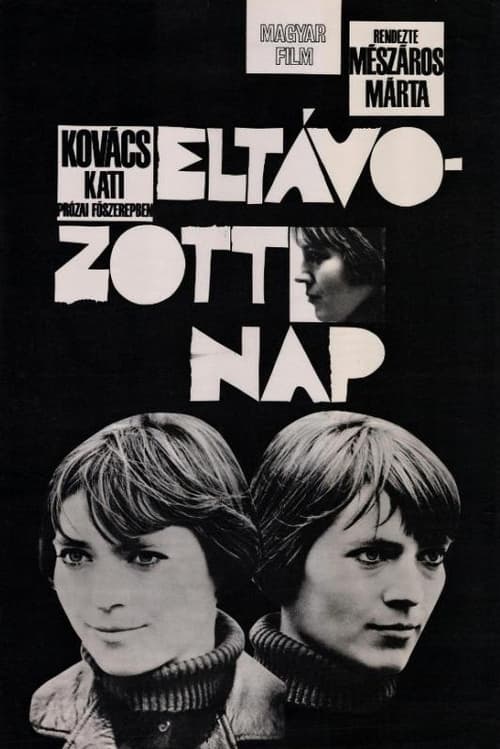
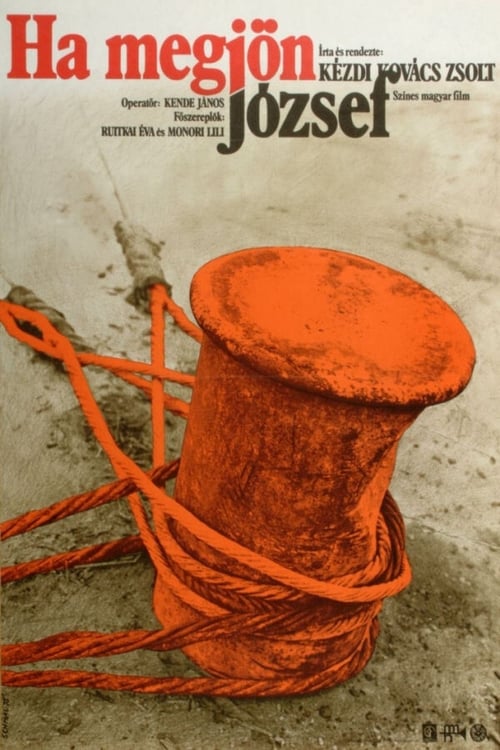
An unsentimental Hungarian film about the edgy relationship between a middle-aged woman and her young, restless daughter-in-law when the son-husband goes to sea for six months.
When Joseph Returns

A young woman leaves a state orphanage to find her mother in this interesting examination of how the overt repression of women in the older pattern of village life has been replaced by the more subtle exploitation inherent in the apparently freer existence of young girls in the contemporary city.
The Girl
After her husband's death, Hanna Szendroy, the former primadonna, is caught in the claws of the real estate mafia. She looses her lavish home and ends up homeless at the Keleti train station. When she returns to her house, now full of homeless people moved in by the real estate mafia, an unexpected relationship brings hope into her life again.
The Eighth Day of the Week

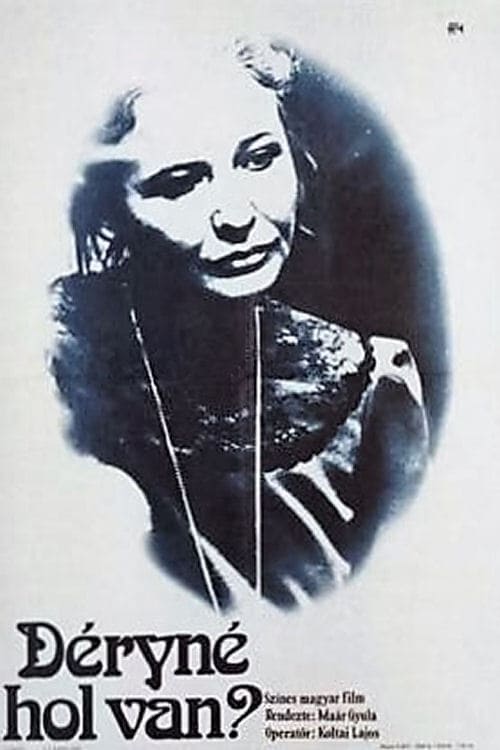
Dery is a grande dame actress of the Sarah Bernhardt school of big-gesture theater. Her beauty and popularity is fading, and a new school of acting which involves the use of one's own emotions (a-la Eleanora Duse) is emerging in the person of her younger Viennese rival. She thinks of retiring from the stage, and reunites briefly with her estranged husband in a newly-built manor in the country. Finding that life there is boring, she returns to town, the theater, and her old friends.
Mrs. Dery Where Are You?

Zsadányi flees from the authorities with his goddaughter, Bankós Mari, and they escape into the forest. The film then skips ahead thirty-fold years: Zsadány and Mari are now lovers, with the sound of war in the background halting their romance. The old friends of Zsadányi have joined with the Nazis, and the landowner living with his peasants in a socialist community grows distant from them. Zsadányi is held responsible for political problems in the country, and will pay with his life.
Allegro Barbaro

Stephen, living in a troubled family, breaks into a grocery store and wreaks vandalism. He is sent to a reform school. Later he works in a cleaning brigade and accidentally meets József Draskóczi, who denounced him. Draskóczi lives in an unloving, troubled atmosphere with his barren daughter and cynical son-in-law, ascetic about his youthful communist beliefs. He feels responsible for Istvan's fate, offering him a human voice and love. Despite his daughter's hysterical jealousy, he sends Istvan to school and then, through his previous connections, provides him with an apartment...
Minden szerdán

Persuaded by the janitor's wife, a lively, but lonesome old woman, who is only attached to the world through her cherished objects and memories, decides to exchange her two-room apartment for a smaller one. For a little while her everyday life is changed. She meets and entertains new people every day.
The Lady from Constantinople

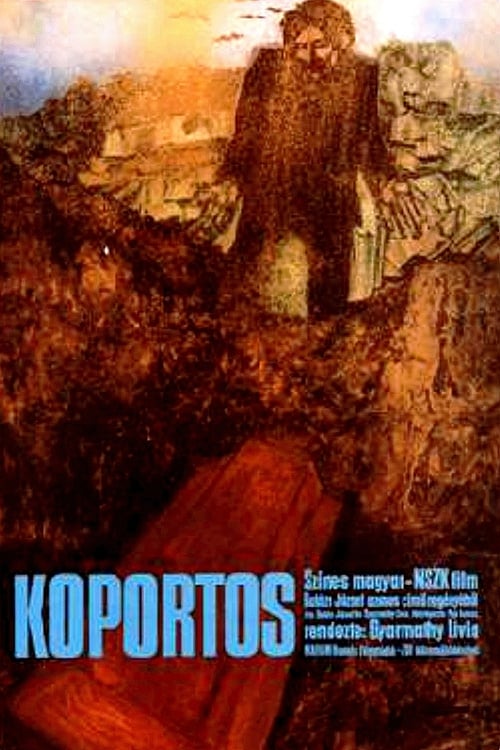
Allegory of the suppression of the 1919 revolution and the advent of fascism in Hungary; in the countryside, a unit of the revolutionary army spares the life of father Vargha, a fanatical priest. He comes back and leads massacres. A new force, represented by Feher, apparently avenges the people, but only to impose a different, more refined and effective kind of repression.