Writing
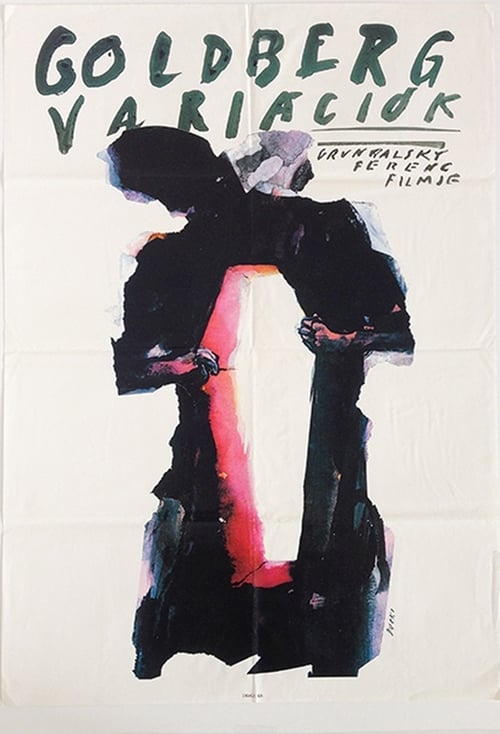
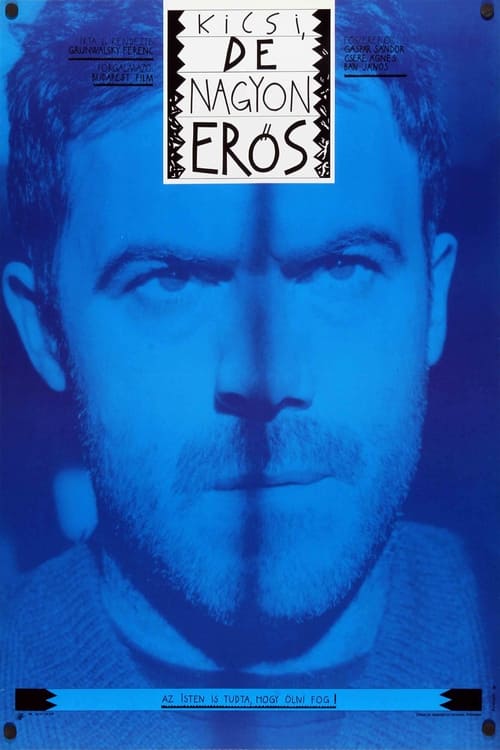
This is a rough, fragmented drama about a couple whose 13-year-old son committed suicide without an apparent reason. The film portrays the day after the funeral and the helpless, abandoned mourning of the parents.
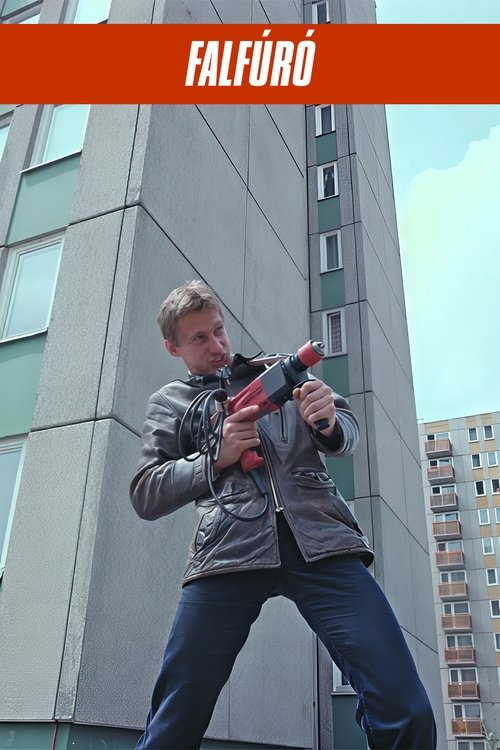
The sad tale of a proletarian malcontent ensconced in a monstrously depressing housing project who—even less effectually than the heroes of Bald-Dog Rock—attempts to change his life. Purchasing a power drill and slinging it across his shoulder like the anti-hero of a spaghetti western, he turns entrepreneur, boring holes in his neighbors’ walls so that they can hang mirrors or pictures.
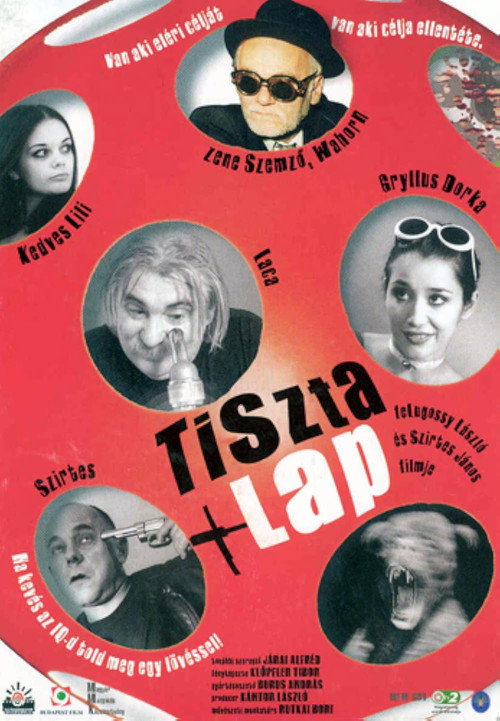
Tiszta lap is a 2002 hungarian movie.
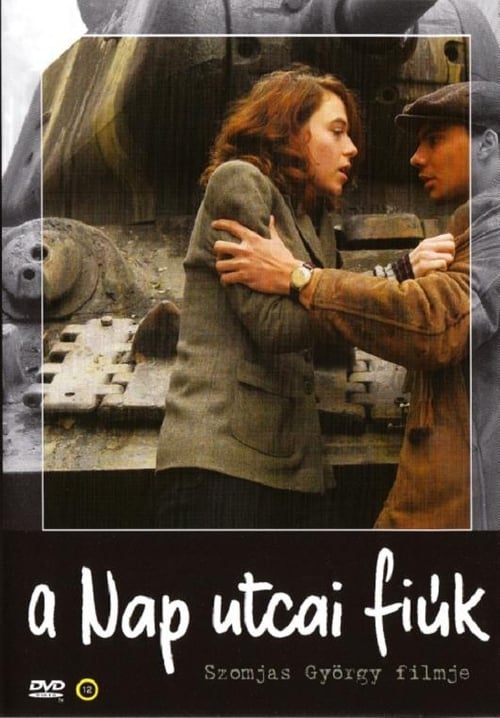
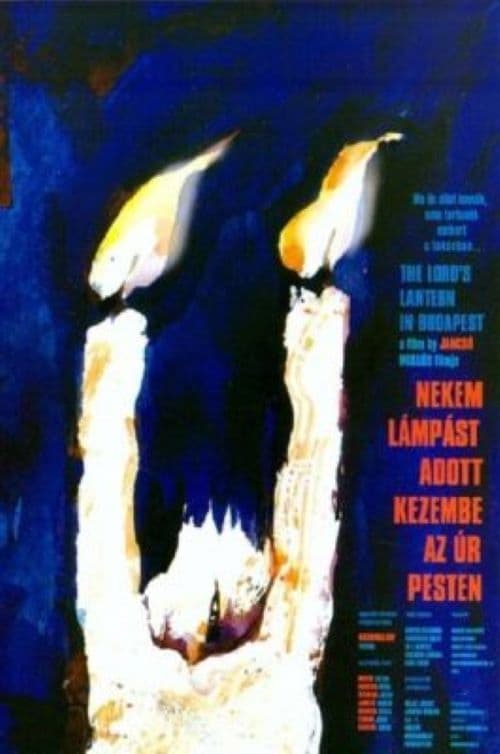
Some of the most symbolic moments of the 1956 Revolution in Hungary were the tooth-and-nail battles fought by the so-called 'Pest Lads' who dared to defy odds by taking on the panzers of one of the world's superpowers. The story begins on October 23rd, 1956 and ends on November 4th of the same year. Juli is Totya's girlfriend but also loves Gábor. Their love triangle will have to endure the trials and tribulations of these stirring times. A group of boys living in the outskirts of the capital are playing football in abandoned lot when Juli, a ticket inspector, brings news of protests breaking out in the city. Only Gábor accompanies her into town and together they become part of this historical event. At dawn, when the boys too come under fire from Soviet forces, they decide to join in the fight.
No description available.
1979. Gábor H. works in a law enforcement institution. He robs a bank branch, gets into jail. 1989. Gábor H. and the similarly unemployed Sanyi want to get money by robbing.
In the week of the book an interview is made with the writer Péter Simon, whose first book of short stories appeared in the prime of his life.
Croatian anarchists collaborate with Hungarians to make a bid for the life of King Alexander of Yugoslavia.
The subject of a Roma settlement gains an almost metaphysical dimension as we watch a long, slow shot of a silent 18-year-old Roma mother.
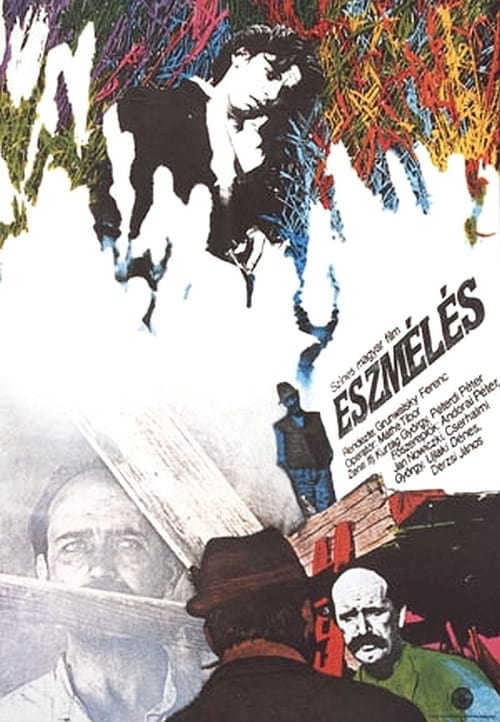
Allegory of the suppression of the 1919 revolution and the advent of fascism in Hungary; in the countryside, a unit of the revolutionary army spares the life of father Vargha, a fanatical priest. He comes back and leads massacres. A new force, represented by Feher, apparently avenges the people, but only to impose a different, more refined and effective kind of repression.
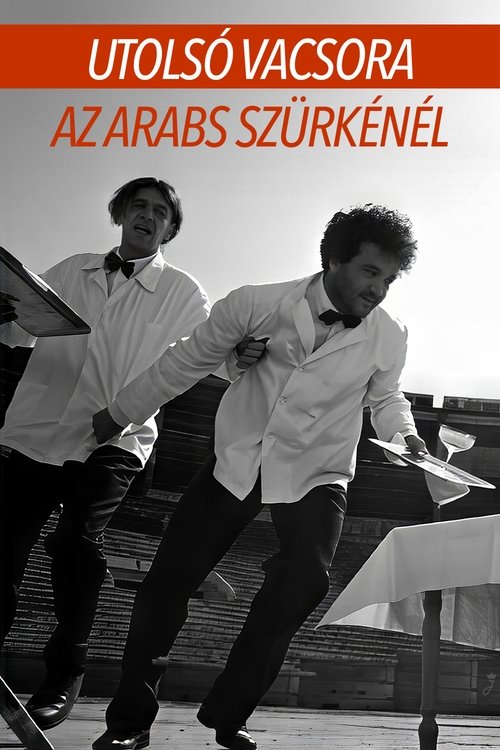
Waiters’ competition at Heroes’ Square in the late thirties. Dressed as waiters, Kapa and Pepe awake in the bronze chariot of the millennial sculpture group. They drive along the Danube promenade, and on the concrete reinforcement of the demolished Budapest rondella hotel they get involved in a showdown of political background. In the burnt-down Sports Hall the waiters train for a last supper, Pepe and Kapa run around the big laid table with trays in their hands. While doing so, Pepe keeps crying out: "I am the best one, I am the most beautiful one, I am the king, I am the god..." Sitting in a boat on the Danube, a ship goes past them, and the Niagara falls, majestic and breathtaking, resound in their ears. On each passing away something new will come to life – as rapped by Sub Bass Monster.
Paul Bogár is released after a year in custody on suspicion of burglary - due to lack of evidence. The man seems to accept society's declared norms, taking a hard physical job in a factory. In his spare time, however, he resumes burglarising houses, carefully and without a trace. He gives the money and the gold he gets to his sister and her family. Although he always works alone, he takes his helpless brother-in-law with him as a driver. Beetle's principle: they too have the right to a good life, and it is impossible to provide it through work. However, a rival gang takes advantage of his brother-in-law to trap him...
When middle-aged Kata realises that her life will only be complete if she has a baby of her own, her longstanding-but-married boyfriend Joska refuses to comply. But by developing an unlikely friendship with the angst-ridden teenage orphan Anna, who is also involved in a controversial relationship, Kata discovers aspects of herself, and her role as a woman, that have gone unexamined throughout her entire, lonely life.
1894. The mortal remains of Lajos Kossuth are brought home from abroad, the railways are lined with people with their hats in hand, and among them stands the teenager Imre Tányér. 1910. The grown-up Imre undertakes the task to solve the question unsolved since 1848-49, i.e. the transformation of peasant life. He fights for the rights of his class, for justice, for human dignity in a society distorted, backward and built on inequality.
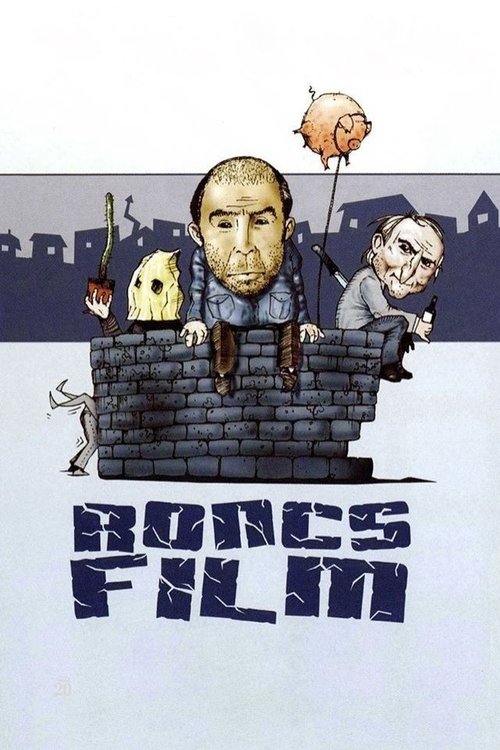
It is 1989, the year of the demise of socialism in eastern Europe. Nevertheless, the one theme of Junk Movie does not refer to this historical moment of high ideals, quite the contrary, the wild, burlesque of a motif-mozaic seems merely to stick it’s tongue out at the arrogant players of politics who have their heads stuck in the clouds. The film rudely points out the mystery and unapproachability surrounding the every-day existence of politics. The scene is a greasy, falling-down block of a pub called the Gólya and its immediate surroundings.
In the Kerepesi Street cemetery, three grave diggers contemplate the fate of the world, then they step out of this role and in a sequence of episodes they play the typical figures of contemporary Hungarian reality, the fat cat, the swashbuckler, the victim, underworld chieftains, and present little absurd dramas of love, marriage, friendship, public order and legal safety. The author and the film director walk among them all the time, contemplating, laughing at their plays. The stories starting from the graveyard and returning there warn of the inevitability of death. The author and the director (Gyula Hernádi and Miklós Jancsó) wisely make friends with death.
The story of a quirky love affair between Angi, an independent, no-nonsense social worker from a working-class district of Budapest and, Ildikó, a young mother who recently separated from her husband.
Kapa, Pepe and Mesi would like to buy a scrapyard of trains, to start a nostalgia train and earn a lot of money. The capital to start with they want to get from grandpa, who has come home from America with a suitcase full of money. Everybody wants Mesi to approach the old man, because she is the only one he would speak to. But Mesi is more concerned with the idea that she wants a child, by now from anyone, while Pepe is jealous. Kapa’s alleged son emerges, with the mafia behind him: they, too, are eager to get grandpa’s money. After threats and blackmailing, poisoned apples are sent, with only one side of them poisonous. Those dead, by the way, are resurrected by the sound of a song. At last, nobody manages to get the money, but it wouldn’t make sense anyway: it’s all fake. The Statue of Liberty, however, turns out to be blind.
Józsi drives a taxi all day long. He often telephones Éva, who, on the other hand, stays home all day long, having nothing else to do but to be beautiful and wait for Józsi.