Márta Mészáros
Directing
Biography
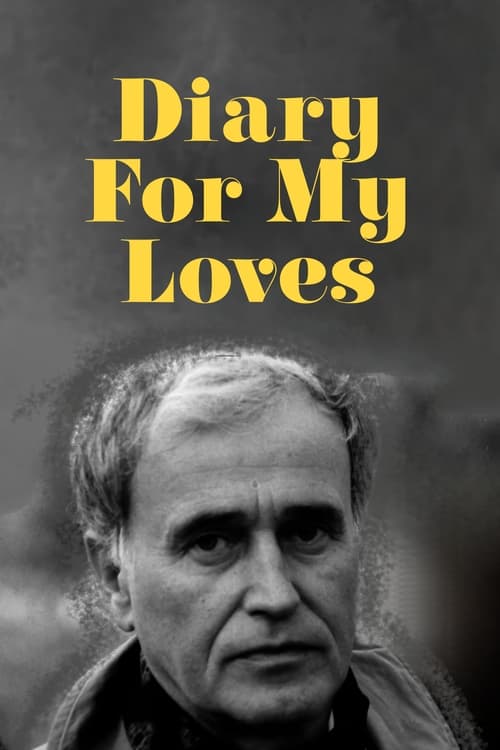
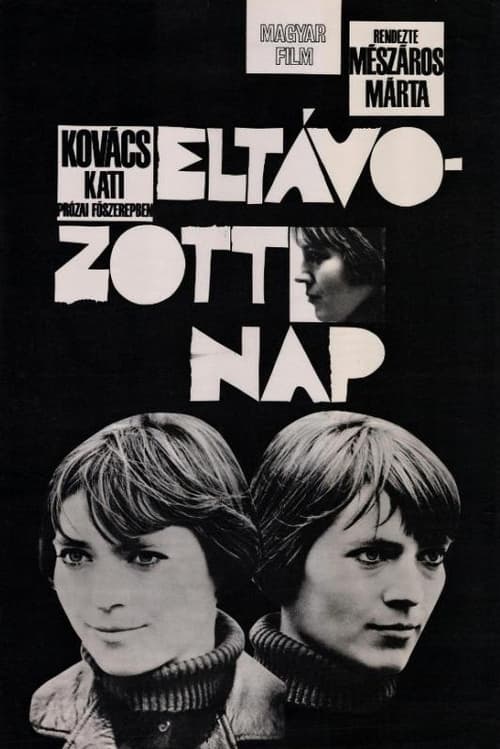
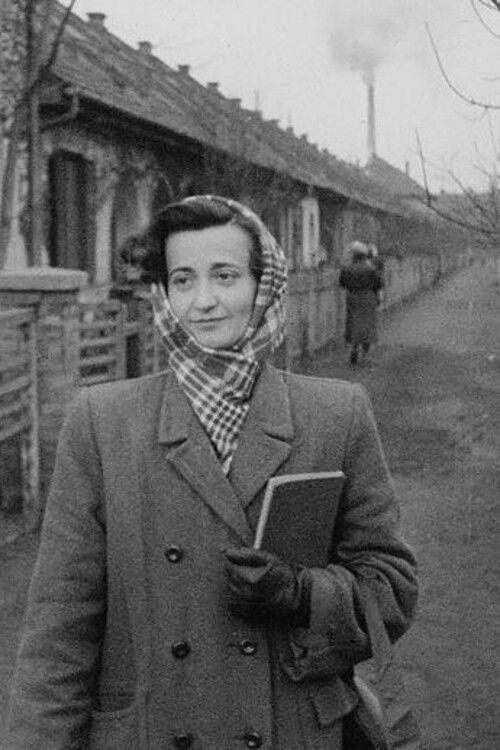
Márta Mészáros (born 19 September 1931) is a Hungarian screenwriter and film director. The daughter of László Mészáros, a sculptor, Mészáros began her career working in documentary film, having made 25 documentary shorts over the span of ten years. Her full-length directorial debut, Eltavozott nap/The Girl (1968), was the first Hungarian film to have been directed by a woman, and won the Special Prize of the Jury at the Valladolid International Film Festival. Mészáros' work often combines autobiographical details with documentary footage. Prominent themes include characters' denials of their pasts, the consequences of dishonesty, and the problematics of gender. Her films often feature heroines from fragmented families, such as young girls seeking their missing parents (The Girl) or middle-aged women looking to adopt children (Adoption). Although Mészáros has made over fifteen feature films, she is arguably best known for Diary for My Children (1984), which won the Grand Prix at the Cannes Film Festival. It was the first entry in a trilogy of autobiographical films which also includes Diary for my Lovers (1987) and Diary for my Father and Mother (1990). Throughout her career, Mészáros has won the Golden Bear and the Silver Bear awards at the Berlinale; the Golden Medal at the Chicago International Film Festival; the Silver Shell at the San Sebastian International Film Festival; and the FIPRESCI Prize at the Cannes Film Festival. In 1991 she was a member of the jury at the 17th Moscow International Film Festival.

Known For

A talk show presented by Michel Drucker
Les Rendez-vous du dimanche

Anna is a stylist in Budapest. One day at a restaurant, she thinks she recognizes Marie Aubier, a 22-year-old French girl, her own daughter.
A Mother, a Daughter

A story of a mother who had to change her profession from a teacher to a high class prostitute to make a living.
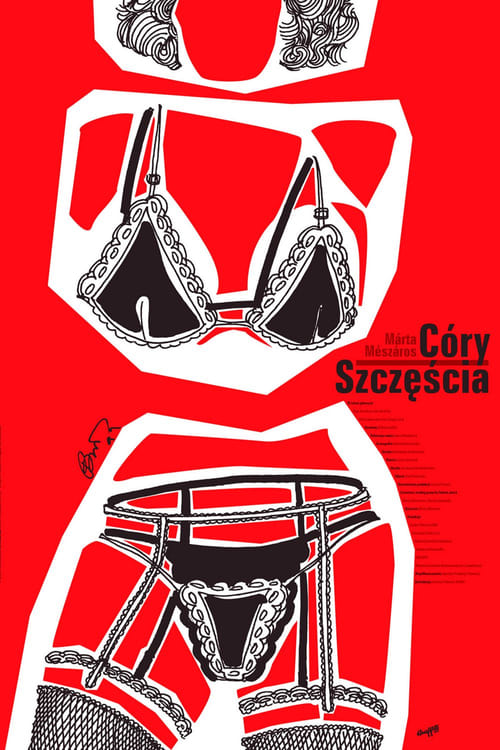
Daughters of Fortune

Juli, who works in a brick factory, begins a romantic relationship with her boss, to whom she hides the fact that she has a son.
Nine Months

Maria Zmarz-Koczanowicz directed this insightful TV documentary (2005) tracing the Polish filmmaker's career. Former classmates reminisce about Kieslowski's happy beginnings at the Lodz film school and how his dissatisfaction with some of his early documentaries prompted the dramatic work and stylistic experimentation that led to his monumental series of films The Decalogue (1989). Wim Wenders, Agnieszka Holland, and Juliette Binoche are among the many admirers weighing in on his hard-driving work methods and preoccupation with the ephemeral. In Polish, French, and German with subtitles.
Still Alive: A Film About Krzysztof Kieslowski

Anthology film made as an act of protest against Hungarian government of Viktor Orban.
Hungary 2011
The movie is inspired by writer-director Márta Mészáros' own childhood. The film is a grim reminder of horrible days under Stalinist period when several innocent people were persecuted for no fault. A good film which allow people to know how people in Europe were tortured before second world war by dictators and authoritarian regimes.
Little Vilma: The Last Diary

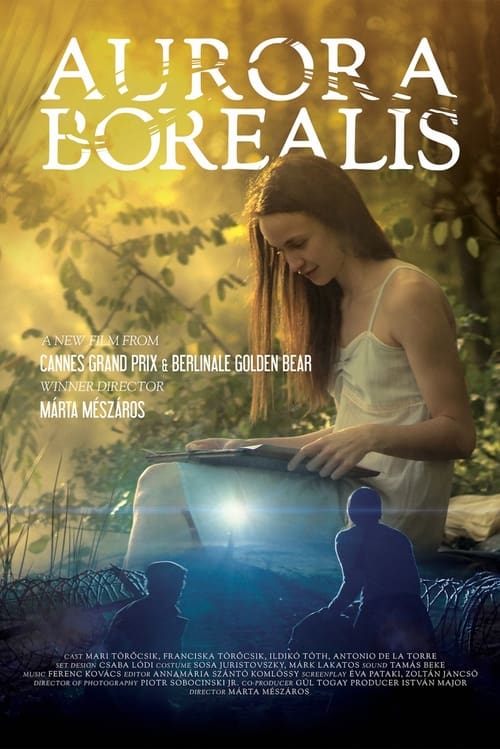
The Aurora Borealis is a story of family that is rich in twists and turns. It breaks the depths of the relationship between mother and daughter. A successful lawyer in Vienna, Olga is called back to Hungary when her old mother, Mary suddenly falls into a coma. While Mary is floating between life and death, Olga finds a deeply silent secret. The increasingly passionate research leads back to the post-war Europe of the '50s.
Aurora Borealis: Northern Light

This drama follows the dilemma of a young, unwillingly pregnant wife who gives her child up for adoption by a businesswoman. Anna doesn't need another mouth to feed. She can barely afford to care for the two she already has so when she discovers that she is six weeks pregnant she readily accepts the cash offer from Terez, her tough boss at the store where she works. If she will isolate herself throughout the pregnancy, secretly bear the child and immediately allow Terez to sign for it, Anna will receive $50,000. Most of the story then focuses upon Anna's emotional processes as she evaluates her choice. Included are dream segments and shots an unborn baby in the womb.
Fetus

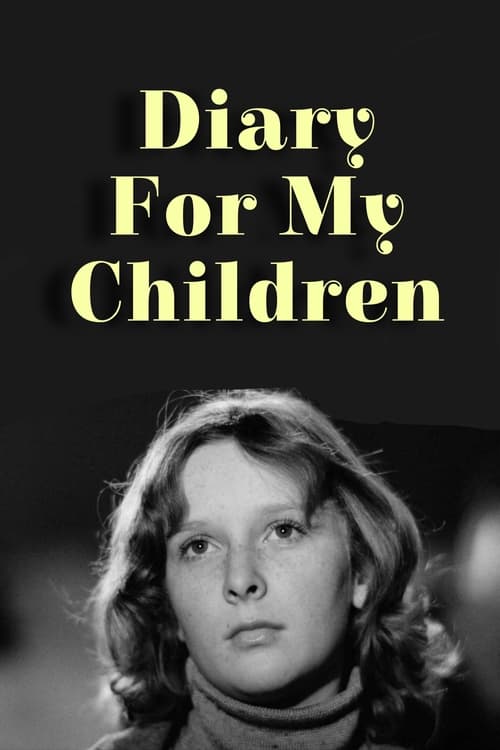
After having lost her parents, young Juli returns from the Soviet Union to her native Budapest. Scarred by the wounds of the past, the ghost of Stalin’s oppression haunts her as she reunites with her aunt and adoptive mother Magda.
Diary for My Children

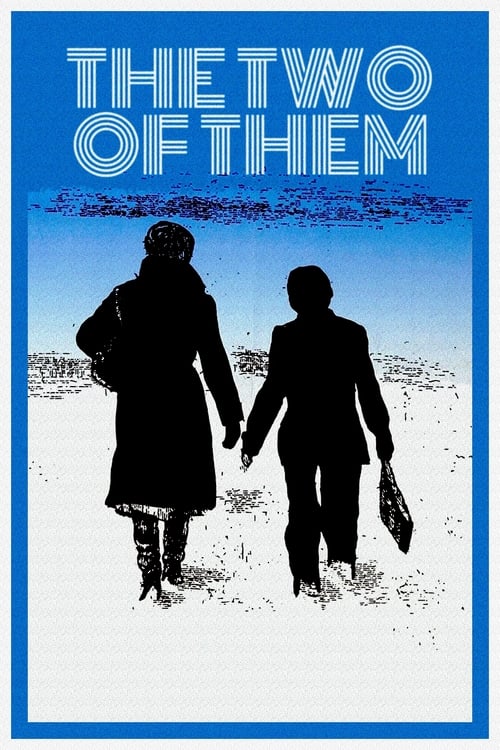
Looking for a safe place to live after being harassed by her husband, a depressive and violent man, Juli stays at a women's shelter run by Mária.
The Two of Them

When middle-aged Kata realises that her life will only be complete if she has a baby of her own, her longstanding-but-married boyfriend Joska refuses to comply. But by developing an unlikely friendship with the angst-ridden teenage orphan Anna, who is also involved in a controversial relationship, Kata discovers aspects of herself, and her role as a woman, that have gone unexamined throughout her entire, lonely life.
Adoption

One of the doyennes of Hungarian film deals with a dark period of national history: the Soviet regime in Hungary. She portrays it through the fate of the former prime minister and national hero, Imre Nagy. The script is based on the diary written by Imre Nagy, and the memories of his daughter, Erzsébet Nagy, as well as authentic documents and records.
The Unburied Man

Edit, who became the wife of a politician out of a simple peasant girl, suddenly becomes a widow as a result of an accident. She never loved her husband. She lives a wealthy and lonely life amidst false friends, facing one of the last alternatives of her life, i.e. having to face her past in the hope of an independent new beginning.
Binding Sentiments

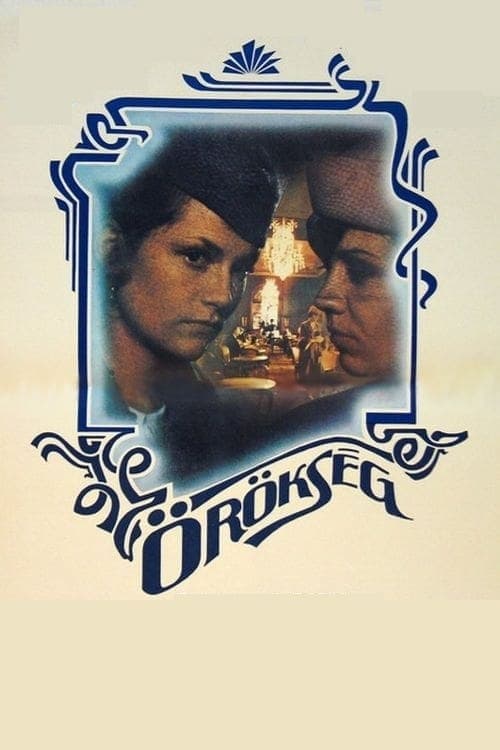
During the rising of nazism, Sylvia, a rich but sterile woman, needs an heir to inherit her father's money. So she bribes Irene, a Jewish girl, to have a child by her husband.
The Inheritance

Documentary about film director Marta Meszaros featuring on-set interviews with the director and creative collaborators
Marta Meszaros: Portrait of the Hungarian Filmmaker

Fanny lives in the forest with her meteorologist mother. One day on her way across the forest to visit her grandmother and great grandmother, she has three encounters that will change her life forever: an apparently kind and gentle wolf, a city boy and an ornithologist who bears a striking resemblance to the father who long ago abandoned her and her mother.
Bye Bye, Red Riding Hood

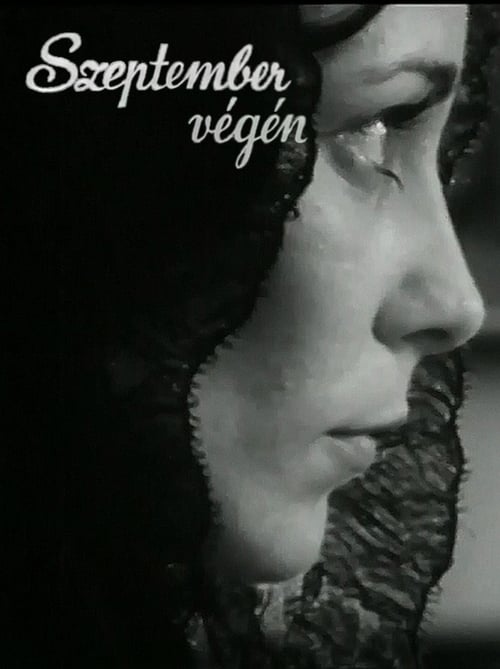
An expressionist biography of Edith Stein, who converted from the Jewish faith to the Catholic one and became a Carmelite sister. She would die in a German concentration camp.
The Seventh Room

The film tells about the famous Lithuanian director Vytautas Žalakevičius. The film contains many excerpts from the director's films and conversations with him. Here he talks about life, creativity and about himself. Vytautas Žalakevičius is remembered by his friends and associates.
Notes in Lifestyle Margins

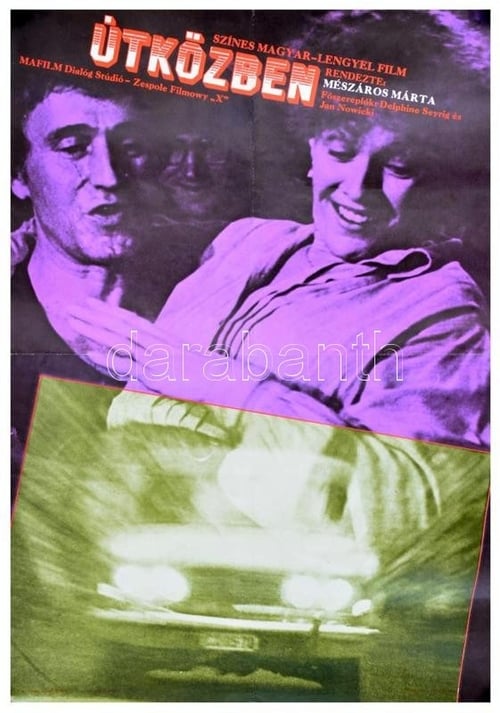
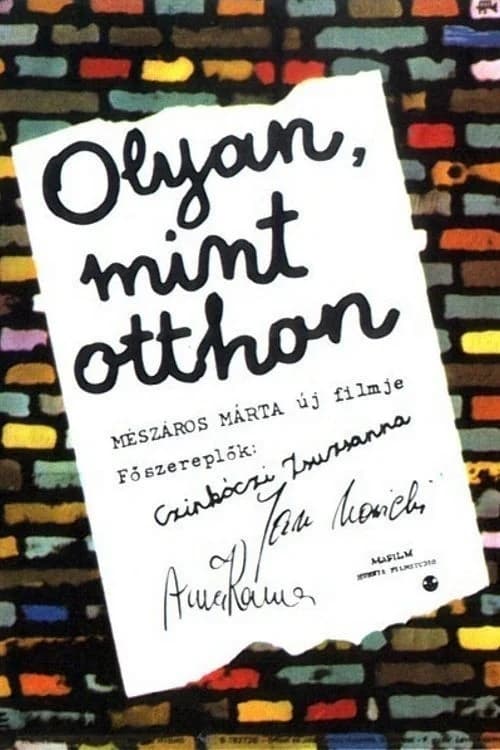
On his return from America, András simply cannot find his place: he has lost his wife, friends and job, and he cannot even find his way back to his former great love. Eventually, as a surrogate father, he takes in a wild young girl (Zsuzsa Czinkóczi) and a particularly strong bond is formed between these two rootless people. Márta Mészáros’s remarkable movie starring Jan Nowicki and Anna Karina is about displacement, loneliness and attachment.