Fred Rahal Mauro
Editing
Known For
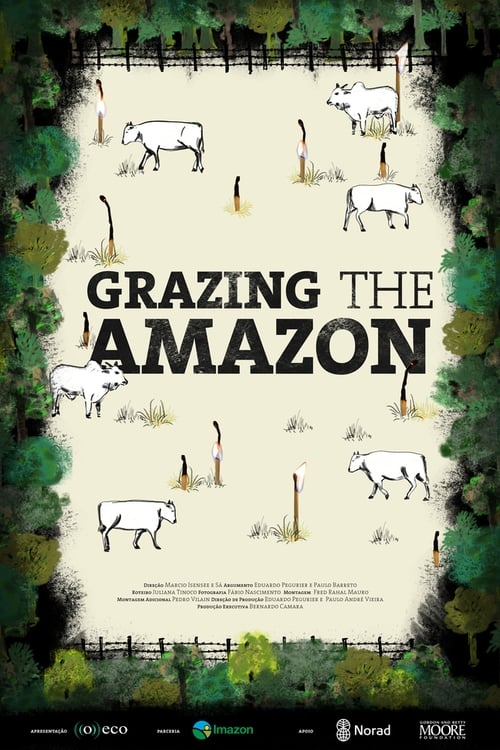
There are 85 million cows in the Brazilian Amazon, which means three cows for each human dweller grazing today and area that was once forest. Less than fifty years ago, in the 1970s, the rainforest was intact. Since then, a portion the size of France has disappeared, 66% of which transformed into pastures. Much of this change is a consequence of government incentives that attracted thousands of farmers from southern lands. Cattle ranching became an economic and cultural banner of the Amazon, forging powerful politicians to defend it. In 2009, there was a game changer: the Public Prosecutor's Office sued large slaughterhouses, forcing them to supervise cattle supplying farms.
Grazing the Amazon
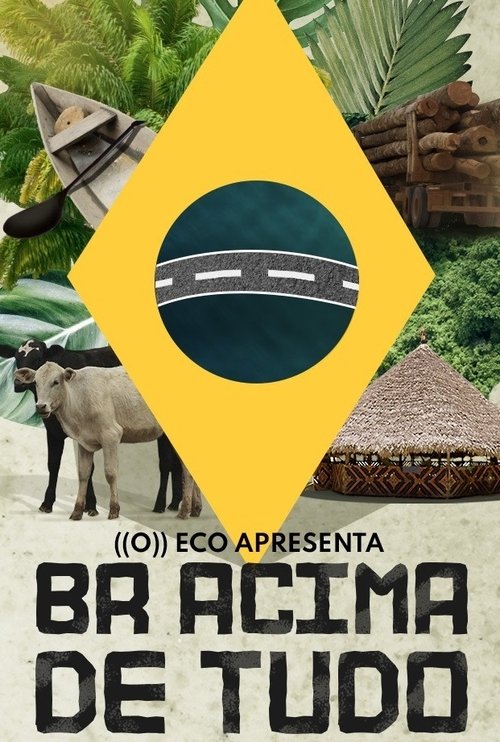
In the north of the state of Pará is the largest block of protected forests in the world; an area of Amazon rainforest the size of the UK and home to a multitude of stories. Indigenous people, ranchers, squatters, quilombolas, businessmen and politicians reflect in their own way the impacts of the possible expansion of the BR-163 into the forest, as far as the border with Suriname. The highway project was created at the time of the military dictatorship, and until today as a shadow over the region. But this is not a movie about a road. It is a film about the abysses that separate those who share the same land.
BR Acima de Tudo

At the end of the 1980s, the first generation of Brazilian punk rock lived a cycle of violence and self-destruction. In the opposite direction, the beginning of the next decade sees the emergence of a powerful and tuned in generation that amplifies the echoes of punk, coming up with new subgenres. More politicized, united and socially conscious, the 1990s crop came along to put an end to the conflicts of the "old-timers" and bring new life to an engaged and active scene, ushering in new talent to the Brazilian music landscape, with important names such as No Violence, Agrotóxico, Ação Direta, Garage Fuzz, Dominatrix, among others.
Hardcore 90

"Time Dances Where the Earth Sings" is a breath of memory and enchantment. A boy crosses the invisible, guided by the Praiá, guardians of what the world tried to steal. The Rancho rises and dissolves, but the sacred remains. In the hollow of the maracás, in the dust that settles, in the earth that sings, time does not pass—it dances.