Writing
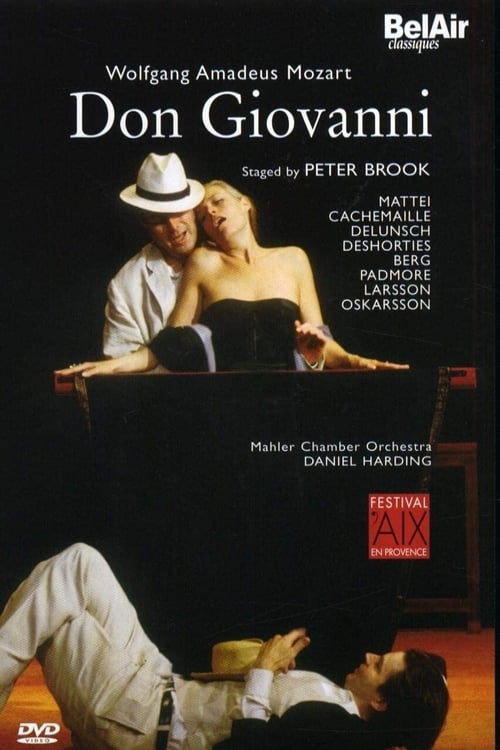
Live performance at Théâtre de l’Archevêché du Festival d’art lyrique d’Aix-en-Provence 2002. Daniel Harding conducting the Mahler Chamber Orchestra and Choeur de l'Académie Européenne de Musique. Directed for stage by Peter Brook.
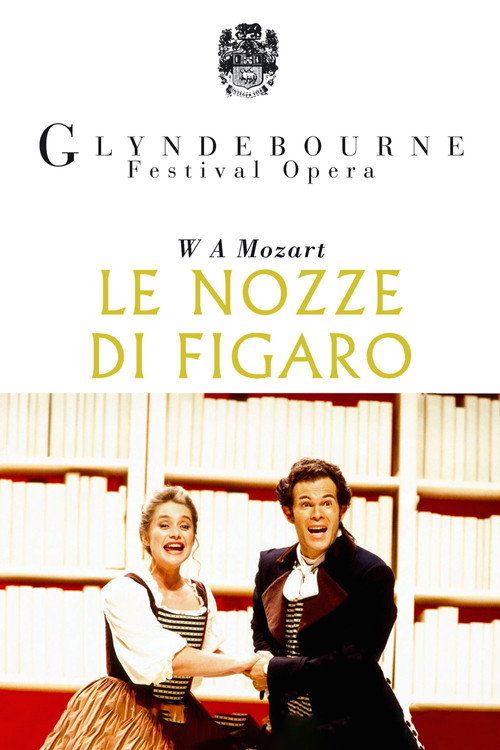
The Marriage of Figaro is a continuation of the plot of The Barber of Seville several years later, and recounts a single "day of madness" in the palace of the Count Almaviva near Seville, Spain. Rosina is now the Countess; Dr. Bartolo is seeking revenge against Figaro for thwarting his plans to marry Rosina himself; and Count Almaviva has degenerated from the romantic youth of Barber into a scheming, bullying, skirt-chasing baritone. This follows the Count trying to obtain favours from Susanna, Figaro's bride to be, under the nose of the Countess.
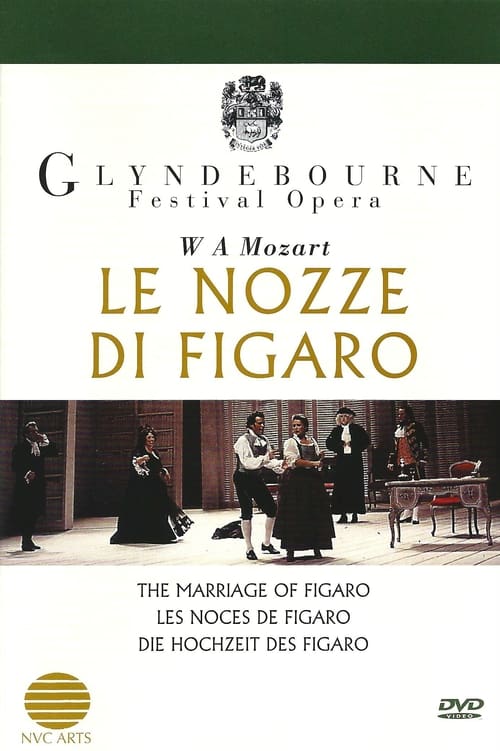
Live from Glyndebourne 1994. The first production to be filmed Live in Glyndebourne´s new opera house May 1994. The Marriage of Figaro is a continuation of the plot of The Barber of Seville several years later, and recounts a single “day of madness” in the palace of the Count Almaviva near Seville, Spain. Rosina is now the Countess; Dr. Bartolo is seeking revenge against Figaro for thwarting his plans to marry Rosina himself; and Count Almaviva has degenerated from the romantic youth of Barber into a scheming, bullying, skirt-chasing baritone. This follows the Count trying to obtain favours from Susanna, Figaro’s bride to be, under the nose of the Countess.
No description available.
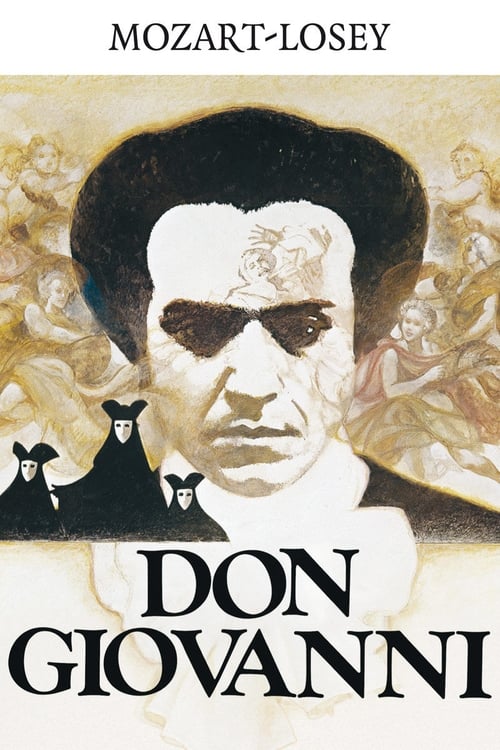
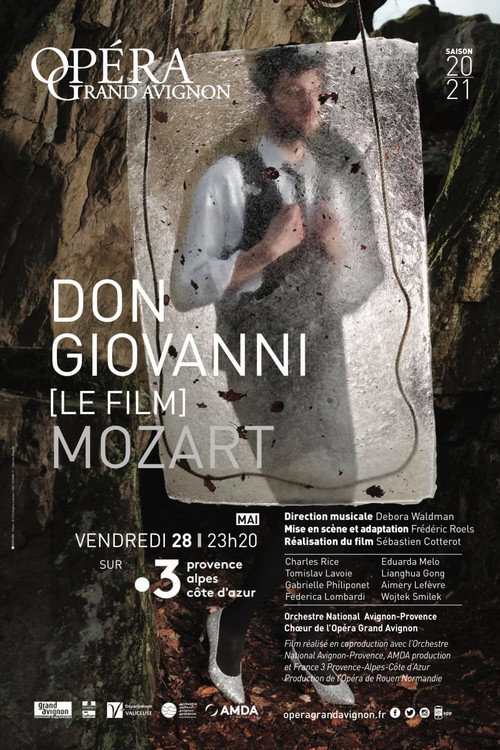
Screen adapatation of Mozart's greatest opera. Don Giovanni, the infamous womanizer, makes one conquest after another until the ghost of Donna Anna's father, the Commendatore, (whom Giovanni killed) makes his appearance. He offers Giovanni one last chance to repent for his multitudinious improprieties. He will not change his ways So, he is sucked down into hell by evil spirits. High drama, hysterical comedy, magnificent music!
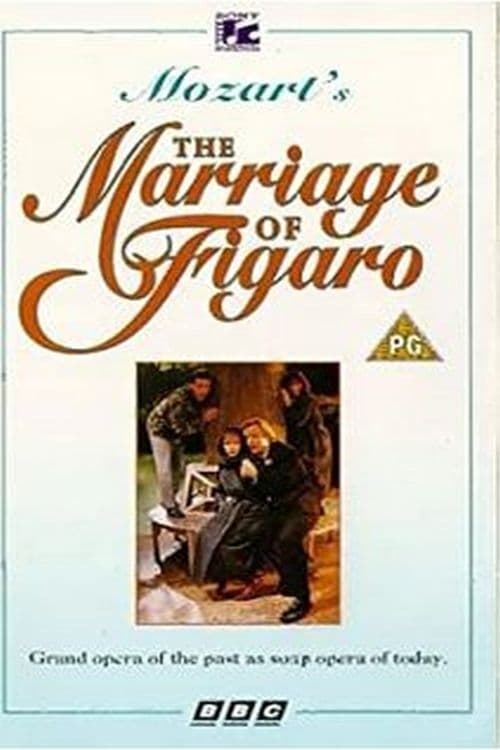
A madcap three-part miniseries about a sex-mad Eurocrat trying to sleep with his servant, his frustrated aristocratic wife and her toy-boy, and a love-child who's forced into marriage with his own mother, not to mention cross-dressing, blackmail and a death-defying leap from a second-floor window.
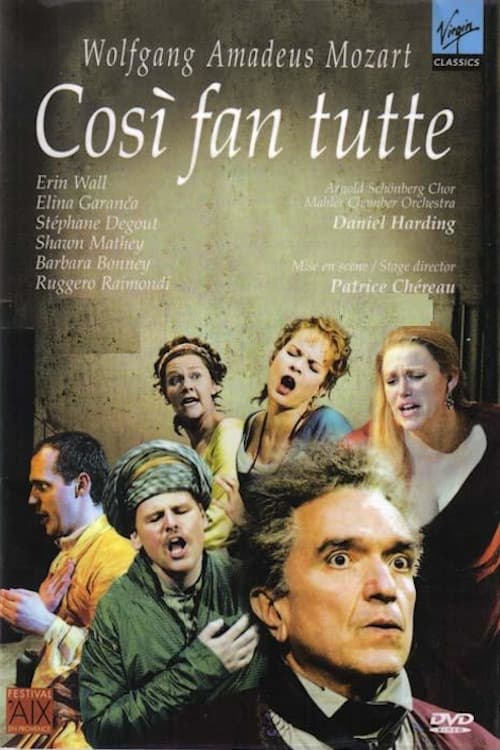
Live performance from the Festival d'Aix-en-Provence, 23 July 2005.
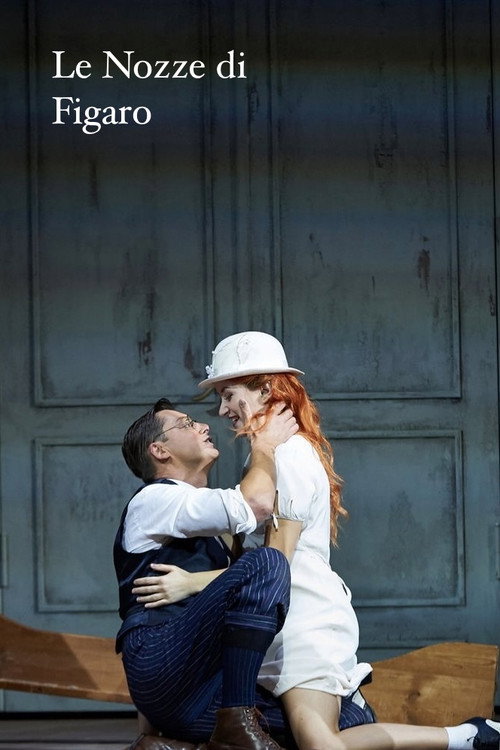
Live performance Zürich, May and July 2006. Modern dress performance which generated mixed reactions.
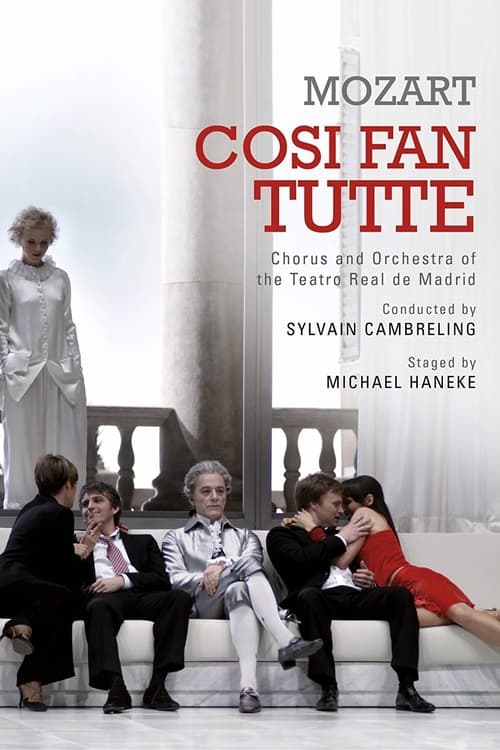
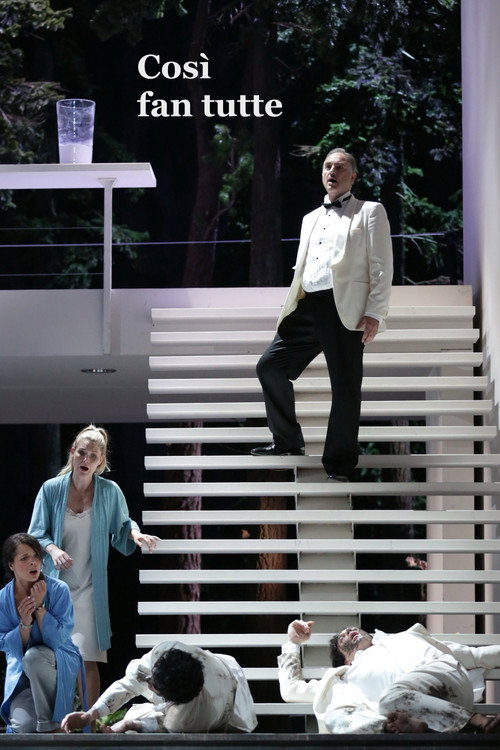
Who loves whom in Così fan tutte, Mozart’s and Da Ponte’s cruelly comic reflection on desire, fidelity and betrayal? Or have the confusions to which the main characters subject one another ensured that in spite of the heartfelt love duets and superficially fleetfooted comedy nothing will work any longer and that a sense of emotional erosion has replaced true feelings? Così fan tutte is a timeless work full of questions that affect us all. The Academy Award-winning director Michael Haneke once said that he was merely being precise and did not want to distort reality. In only his second opera production after Don Giovanni in 2006, he presents what ARTE described as a “disillusioned vision of love in an ice-cold, realistic interpretation”.
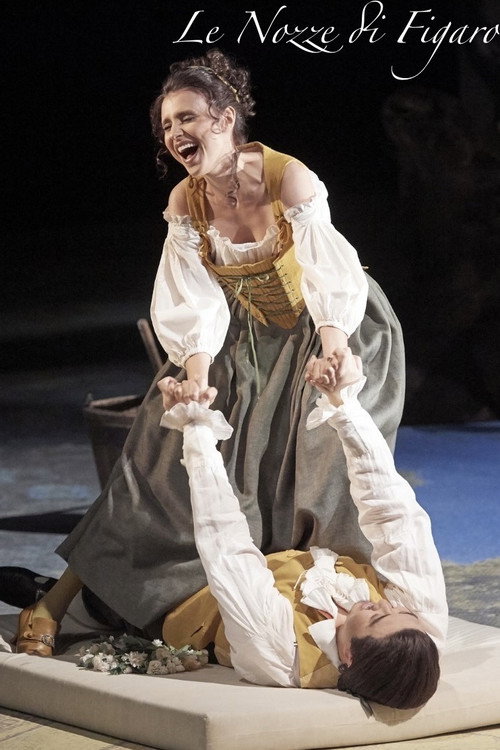
Figaro and his betrothed Susanna are preparing for their wedding day. The Count, Figaro's master, has plans to use his ancient right to sleep with Susanna on their wedding night. The couple and the Countess plot to keep the Count at bay.
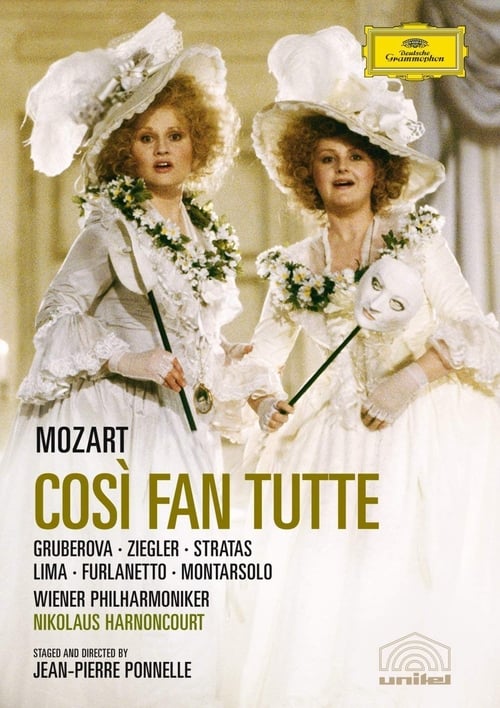
Nikolaus Harnoncourt conducts the Wiener Philharmoniker in this filmed studio performance of Mozart's opera recorded in 1988.
What is this flame that compels Don Giovanni to seduce, subjugate and conquer women one after the other, with the fervour and cold indifference of a predator securing his prey; to pursue through his conquests some obscure and ever‑elusive objective? For his second collaboration with Da Ponte, Mozart was to brand the history of opera with a hot iron and forever haunt European culture. In this Libertine Punished, Kierkegaard invites us to hear “the whisperings of temptation, the whirlwind of seduction, the silence of the moment”. The Mozart-Da Ponte cycle continues with a Don Giovanni entrusted to director Ivo Van Hove. In the wake of Boris Godunov, the director, accustomed to examining the political meaning of works, presents his second production for the Paris Opera.
Live performance from the Metropolitan Opera, 27 February, 1996.
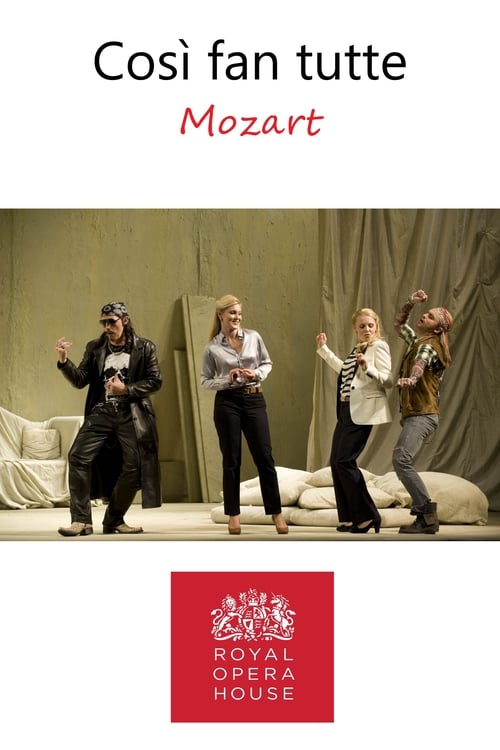
Containing some of the most beautiful arias and attractive ensembles in all opera, Così fan tutte is packed with both pathos and humour. Mozart and Da Ponte's witty, compassionate examination of young love has ensured its lasting popularity. Jonathan Miller’s original 1995 production for Covent Garden is dear to the hearts of London audiences and has been revived numerous times. Necessity, they say, is the mother of all invention. With no money left for costumes, Miller has the genius idea of asking Giorgio Armani to lend a hand... This production is from Sept 2010.
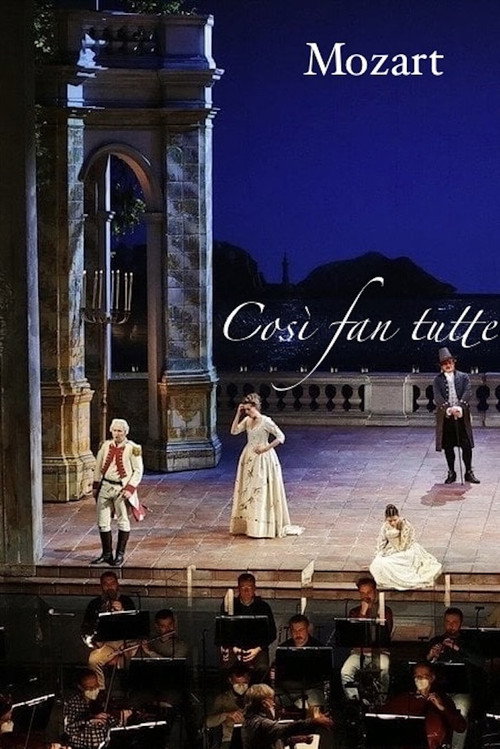
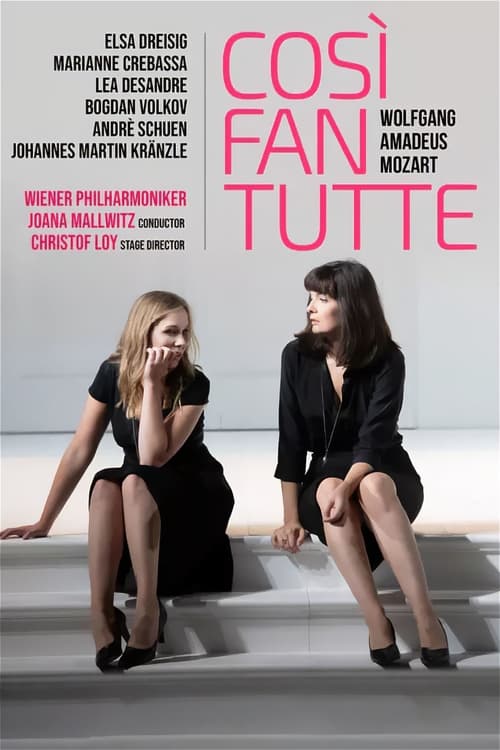
As Christof Loy put it: Così fan tutte invites us to embrace the complexity of life and face the future with heads held high. In his staging of the version he abridged with Joana Mallwitz for the Salzburg Festival 2020 the focus is wholly on the figures and the subtle choreography of their emotional states — in a space that like a magnifying glass exposes the intricate mechanisms between the characters. In this way the production leads the protagonists and the audience to experience the ‘serene calm’ that can perhaps indeed cure our own ‘distempers’.