Acting
Tatort is a long-running German/Austrian/Swiss crime television series set in various parts of these countries. The show is broadcast on the channels of ARD in Germany, ORF in Austria and SF1 in Switzerland.
SOKO Kitzbühel is an Austrian television series produced by ORF and ZDF. It is a spin-off of the German crime series SOKO 5113. It is set in the renowned Tyrolean tourist centre of Kitzbühel. The production company "beo-Film" has produced the show since 2001. The German abbreviation SOKO stands for Sonderkommission, "special commission", a task force with specific duties.
Derrick was a German TV series produced by Telenova Film und Fernsehproduktion in association with ZDF, ORF and SRG between 1974 and 1998 about Detective Chief Inspector Stephan Derrick and his loyal assistant Inspector Harry Klein, who solve murder cases in Munich and surroundings.
No description available.
In late 1920s Berlin, Franz Biberkopf is released from prison and vows to go straight. However, he soon finds himself embroiled in the city’s criminal underworld.
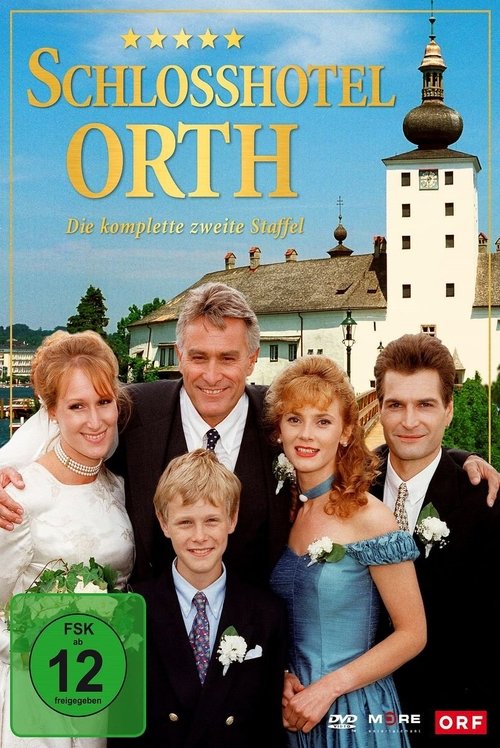
Schlosshotel Orth is an Austrian television series.
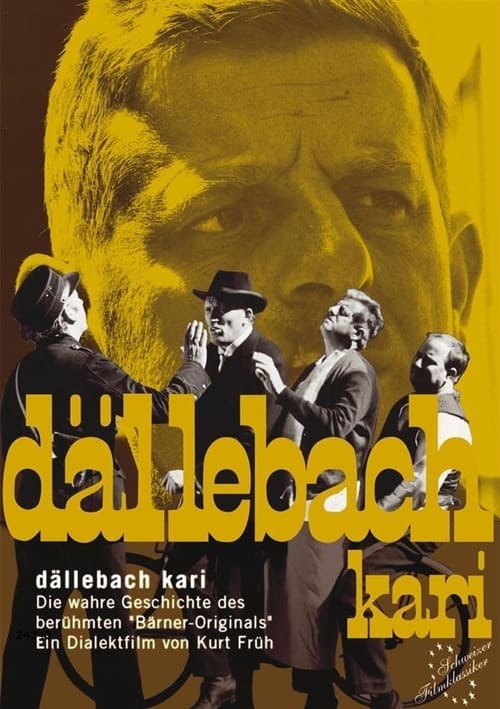
Karl Tellenbach, called "Dällebach Kari", was one of Bern’s legendary characters at the beginning of the 20th century. Born with a strong hare lip which left him disfigured and gave his voice a peculiarl nasal tone, he devoted his entire life trying to get people to laugh with him instead of at him. Ultimately, his despairing at ever becoming accepted as a fellow man coupled with unrequited love made his life tragic, culminating in his suicide at age 54. His jokes are still well known today.
A portrait of Austrian artist Gustav Klimt whose lavish, sexual paintings came to symbolize the art nouveau style of the late 19th and early 20th century.
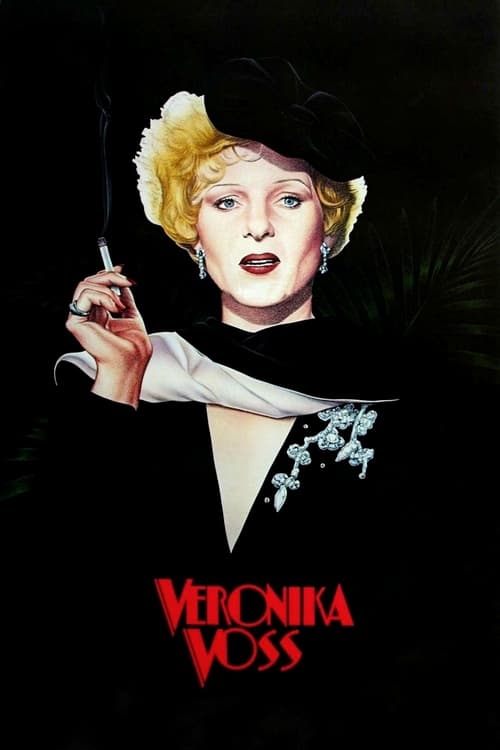
In Munich 1955, German film star Veronika Voss becomes a drug addict at the mercy of corrupt Dr. Marianne Katz, who keeps her supplied with morphine. After meeting sports writer Robert Krohn, Veronika begins to dream of a return to stardom. As the couple's relationship escalates in intensity, Veronika begins seriously planning her return to the screen -- only to realize how debilitated she has become through her drug habit.
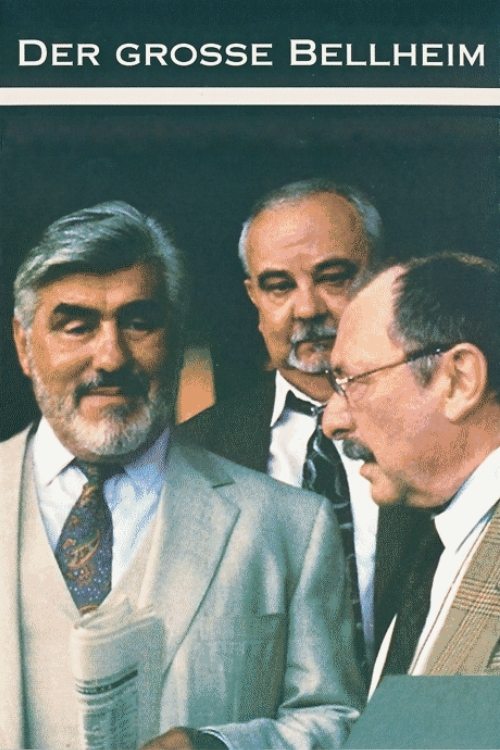
When the long-established family business is threatened with bankruptcy, the former head of the department store chain leaves his retirement home and attempts to get the business back on track. Together with three friends who are also retired, all of whom are experts in their fields, he declares war on the banks, speculators, and a supermarket chain.
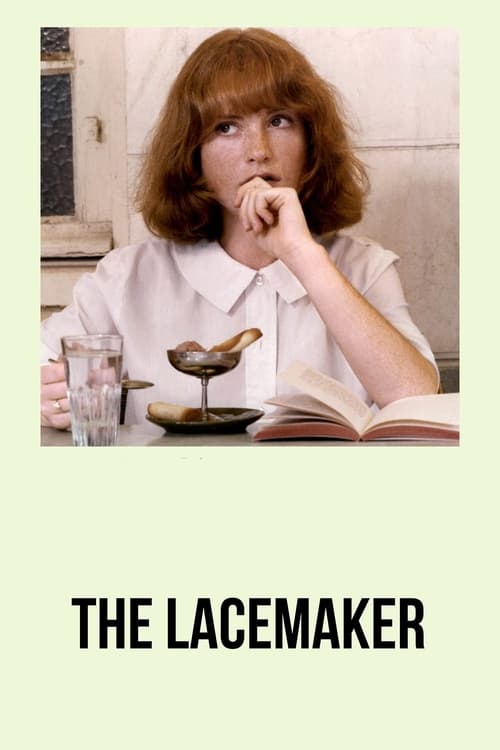
Pomme is a meek and mild French beautician whose life takes a fateful turn during a vacation to Normandy. She becomes the lover of middle-class literature-student François. The relationship sours when François takes her home to meet his parents, thanks in no small part to their differing social backgrounds.
Hamburg, Germany, 1944, during World War II. A serial killer terrorizes the city. When it seems clear that the local police are unable to catch him, forces as dark and terrible as the criminal himself become involved in the case.
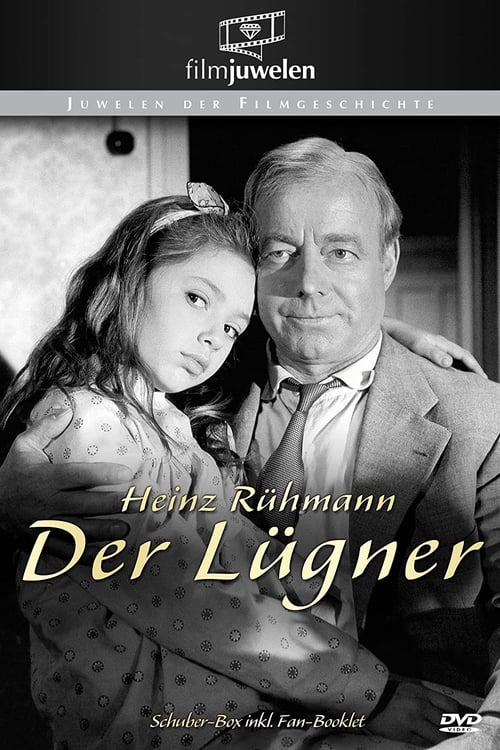
When the wife of Sebastian Schumann left her family, he told his little daughter that her mother has died, because he thought that this was the easiest way for her to accept that her mother is now gone. But this was only the beginning of a lot of lies he tells her continuously, mostly about himself and his job. This way he also tries to hide away from her the fact that he had to quit his job as a traveler and is now paid much less than before.
Documentary about the shooting of BOURBON STREET BLUES.
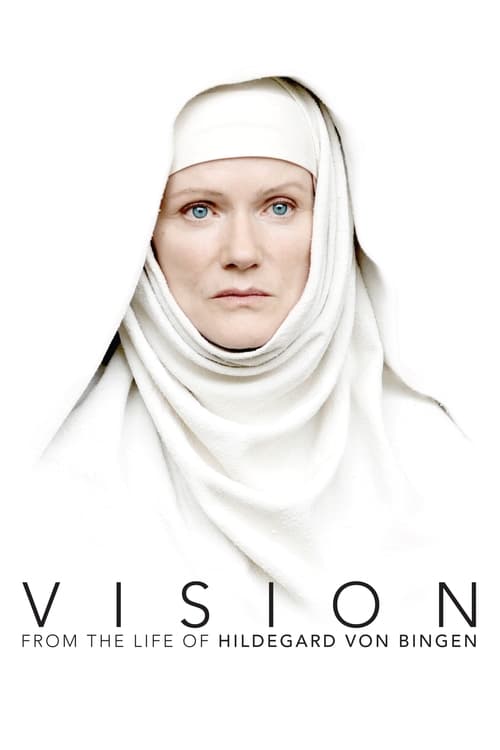
Hildegard von Bingen was truly a woman ahead of her time. A visionary in every sense of the word, this famed 12th-century Benedictine nun was a Christian mystic, composer, philosopher, playwright, poet, naturalist, scientist, physician, herbalist and ecological activist.
An industrial plant gets into difficulties. The factory owner then decides to sell the company and makes all the employees redundant. How do the dismissed employees deal with the new situation?
Willi and Maria Kluge married in the final days of World War II. Maria is deported to a camp in Siberia and does not return home until eight years later. She brings with her the child of a fellow prisoner, whom she gave birth to in the camp. This is a heavy blow for her husband Willi, who has been waiting longingly for her, but he takes her and the child in. She struggles to regain his love and trust, and eventually his masculine generosity prevails.