Directing
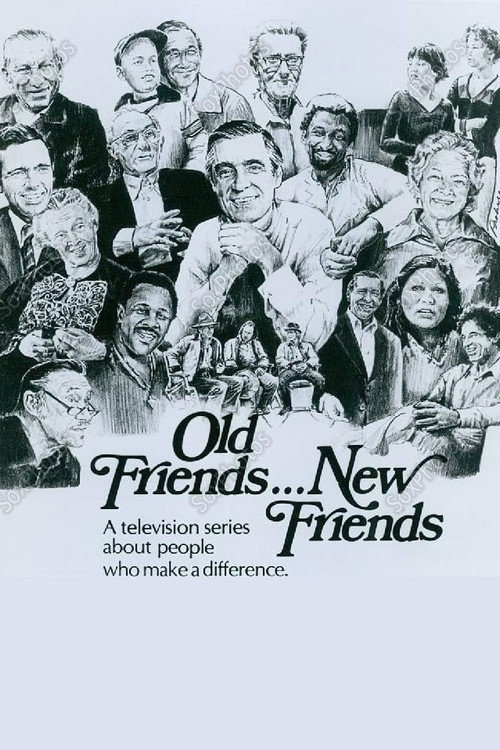
Children's television icon Fred Rogers interviews various well-known figures in this series aimed at older audiences.
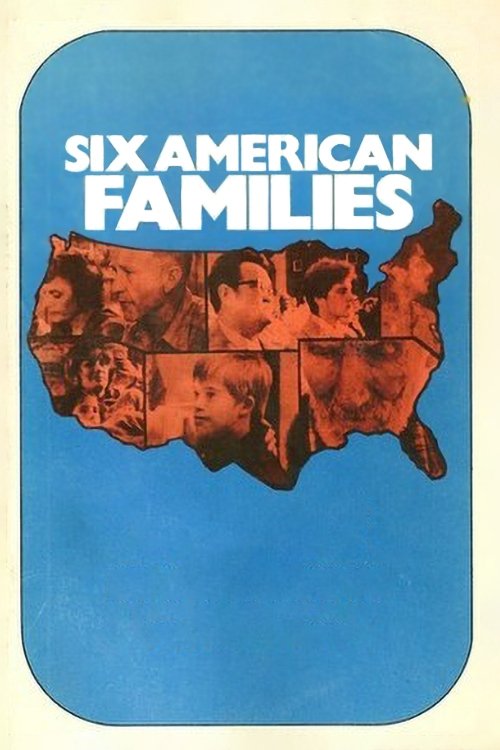
Six documentaries that portray American family life.
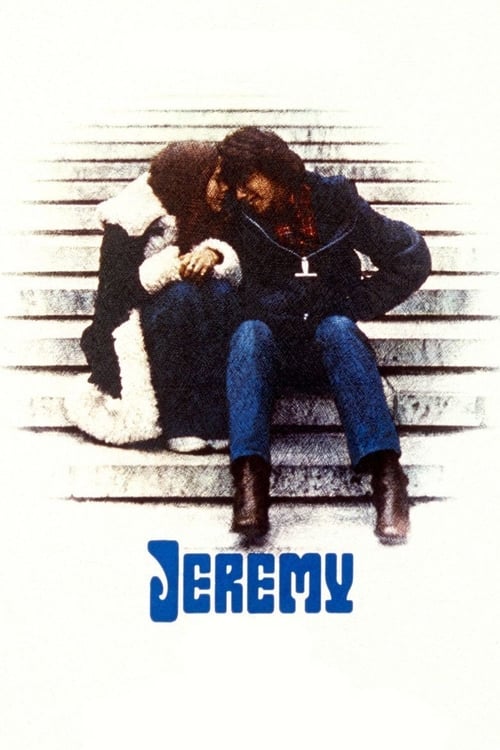
Jeremy is learning cello at an arts school in New York. At school he spots Susan, who practices for a ballet audition, and he falls in love.
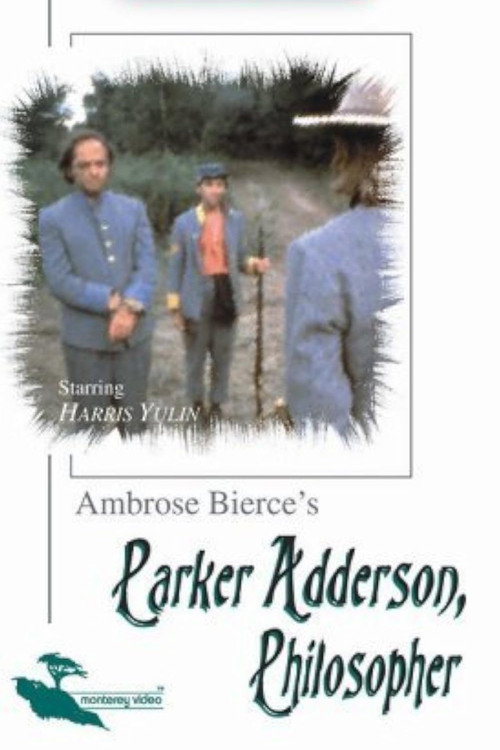
A Union prisoner-of-War, captured behind Confederate lines, and condemned to be shot,, argues with his captors about what lies beyond mortality. Adaptation on an Ambrose Bierce short story.
A cinema verite study of the world of the blue-collar worker and the economic and psychological bind in which he is caught.
No description available.
Expatriate Spencer Brydon returns to his now-empty childhood home, and finds himself obsessed with what his life would have been, had he not left America.
16-year-olds of Webster Groves, an upper-middle-class suburb in Missouri, are interviewed in this one-hour TV special documentary on their experiences of growing up in their town and their views on the future.
Thinly disguised account of the relationship between radical black activist Angela Davis and Black Panther and prison inmate George Jackson, who was one of those killed in a failed 1971 prison breakout.
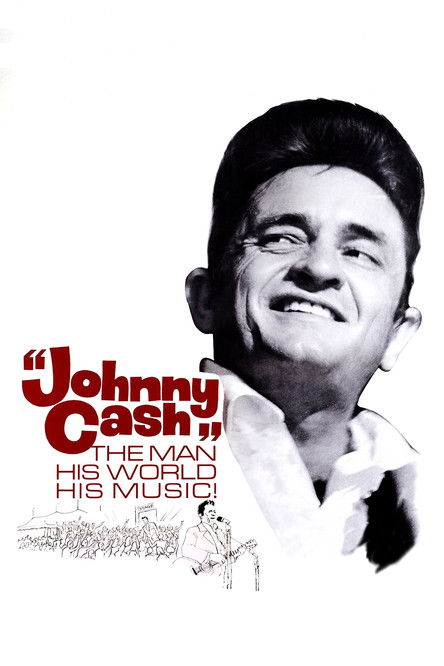
In this classic 1969 documentary, the Man in Black is captured at his peak, the first of many in a looming roller-coaster career. Fresh on the heels of his Folsom Prison album, Cash reveals the dark intensity and raw talent that made him a country music star and cultural icon. Director Robert Elfstrom got closer than any other filmmaker to Cash, who is seen performing with his new bride June Carter Cash, in a rare duet with Bob Dylan, and behind the scenes with friends, family and aspiring young musicians.
Portrait of six criminals responsible of diverse agressions.
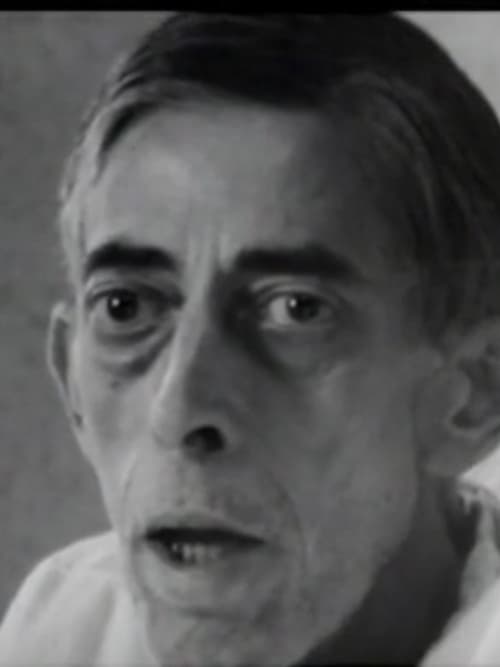
This cinema-verite-style documentary interweaves the pregnancy and childbirth of a young woman with the lingering death of a cancer patient to comment on the celebration and tragedy of existence. The tenderness and intimacy of the young couple, and the mystery of birth are contrasted with the dignity of a man who faces his death without deception.
On February 25, 1966, an installment of CBS's critically acclaimed documentary series, CBS Reports, focused on the daily lives and dreams of teenagers growing up in Webster Groves, an affluent suburb south of St. Louis, Missouri. 16 in Webster Groves was followed, seven weeks later, by Webster Groves Revisited, an unprecedented though carefully planned defense of the contents and conclusion presented in the original telecast that incorporated the responses of Webster Groves' residents to their earlier portrayal and their rebuttal to the image of their community presented to the nation-at-large.
James Baldwin narrates how his early years in Harlem made him alive to the forces at work in the city and American society to manage the black population. Describing the economic and visual disparity of New York’s famed Fifth Avenue that runs through Manhattan and Harlem, Baldwin reminds us that the “avenue is elsewhere the renowned and elegant Fifth,” but venturing north “we find ourselves on wide, filthy, hostile Fifth Avenue, facing a project which hangs over the avenue like a monument to the folly, and cowardice of good intentions.”
A lonely thirteen-year-old boy in New York City has a crush on a pretty cheerleader and ignores the quiet young girl who likes him.