Oľga Hudecová
Acting
Known For
No description available.
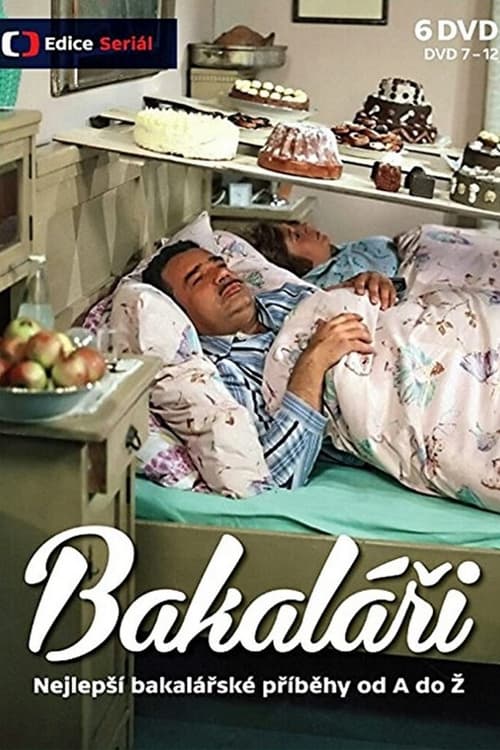
Bakaláři
No description available.
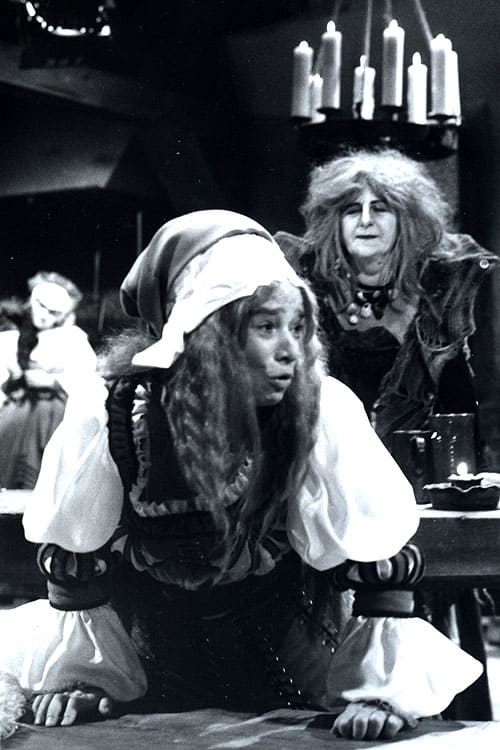
Posledný drak
No description available.
Výmysly uja Elektróna
No description available.
Vzbúrené mesto
No description available.
Dunajské rozprávky
No description available.
Národný hriešnik
No description available.
Keď radí strach
No description available.
Rozprávanie kvetu kamélie
No description available.
Stretnutie pod starou píniou
No description available.
Zbojnícke fašiangy
A comedy about Simon, an honest, clever confectioner. In practical life, the humble bachelor becomes an easy prey to his boss, his mother, and hordes of women eager to get married. The story incorporates well-tested methods of nearly all major periods in the history of film comedy: from a lumierish etude with the garden hose to a melancholic tramp to the menace of the streets Jacques Tati. Director Juraj Herz made a major contribution to the modest tradition of Slovak film comedy.
Sweet Troubles
A nostalgic story about the birth of a movie star and a sad love. A Hollywood dream - the desire of thousands of girls to shine in the movie sky, but also hope and disappointment, the toll of success, the endless waiting for the right one to discover their beauty and talent. This is also the story of Jenny, who found her benefactor in Jacob. This is an intellectual full of doubts about the meaning of his own life and a sad comforter of the lonely, unable to realize his own artistic ambitions except in the fate of others. Alongside him, Jenny comes to know the glitter and glory of "stardom," but also the haunting burden of a debt that is difficult to repay.
Jakubov rebrík
No description available.
V predvečer
The two farces Korhel and The Adulterer are a continuation of the television adaptation of two farces by Jonáš Záborský from 1978. Through the kindly character of Jonah Záborský, with the help of an angelic school, we embark on a journey with the devil to reform drunks and adulterers.
A ešte dve frašky...
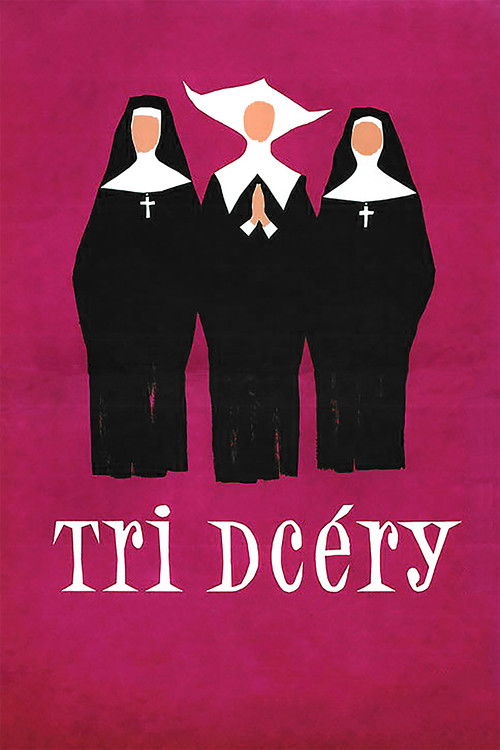
A classical ballad motif about an aging father and his three daughters is quite unusually here set against the backdrop of Czechoslovakia of the 1950s. After having been expropriated, the former landowner Majda seeks refuge with his three daughters whom he had sent to a convent a long time ago. But only the youngest one is able to forgive him and she is willing to take care of him despite the threat of expulsion from the order.
Three Daughters
No description available.
Krčmársky kráľ
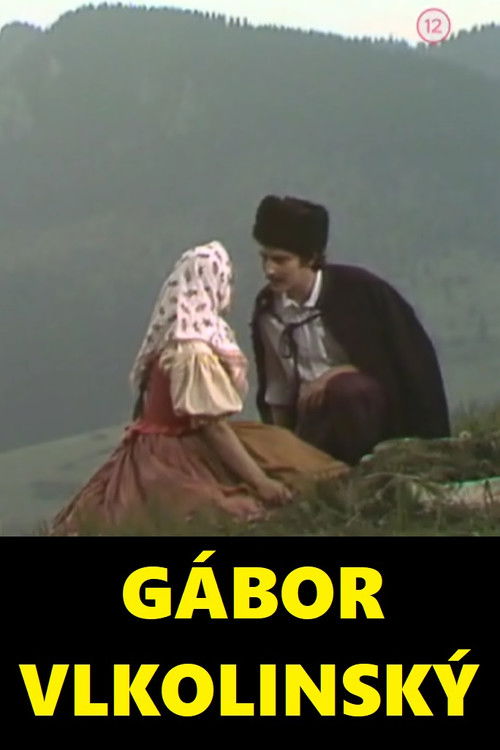
The television dramatization of Pavel Országh Hviezdoslav's epic addresses the issue of the relations between nobles and squires towards the common people and presents the squires with a single alternative - either side with the people or perish.
Gábor Vlkolinský
Nebojsa was the nickname given to a young man who was not afraid of anything. One day he heard that a cursed princess lived in a castle. Whoever could uncurse her would have her as his wife and half the kingdom. Dear Nebojsa went out into the world to try his luck. He experienced many adventures until he reached the goal of his journey. But the greatest danger awaited him in the mysterious castle. If he wanted to uncurse the princess, he had to fulfill a difficult condition: no matter what evil was done around him and to him, he was not allowed to reveal, even with a word, that he was afraid. Well, he certainly wouldn't be Nebojsa if he didn't fulfill this task. And so he won the princess and the kingdom.
Nebojsa
No description available.
Manduľa
No description available.