Directing
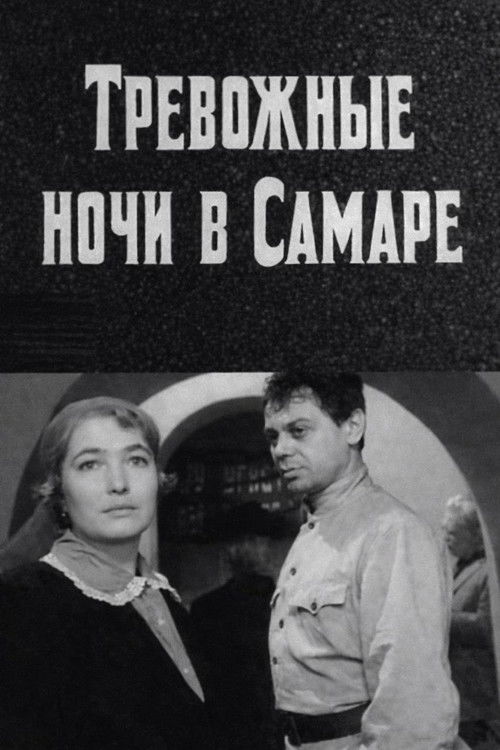
The film is based on real events that took place in Samara - the counter-revolutionary conspiracy of 1921. The Samara GubChK brilliantly exposes the counter-revolutionary bandit conspiracy against the Soviet government. The main characters are real people. Levin, the chairman of the Cheka, was originally named Byrne and was later repressed in the 1930s.
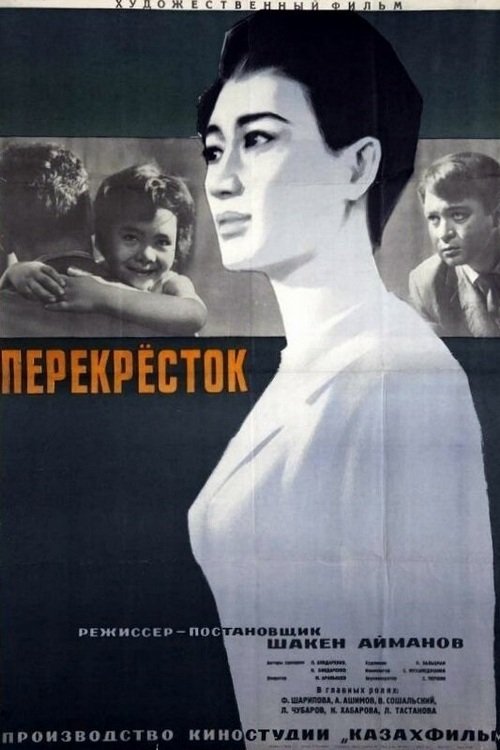
The film tells about the ambulance doctor Galia Ismailova, her worries and joys.
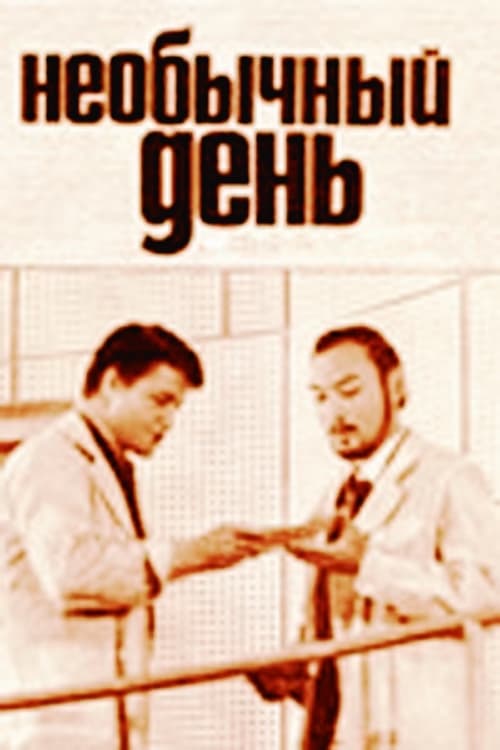
The clash of two styles of approaches to people, science, and business is the main conflict of the film. Both central characters - the head of the Altai complex space station and the experiment leader Andrei - are people devoted to science. But Altai is an emotional person, he manages to take care of people, forgive them their small shortcomings and mistakes. Andrey is dry, sometimes even rude to his employees. His absorption in work sometimes borders on selfishness. This gives rise to a clash with Touma, a gifted physicist, but a man of a different plane.
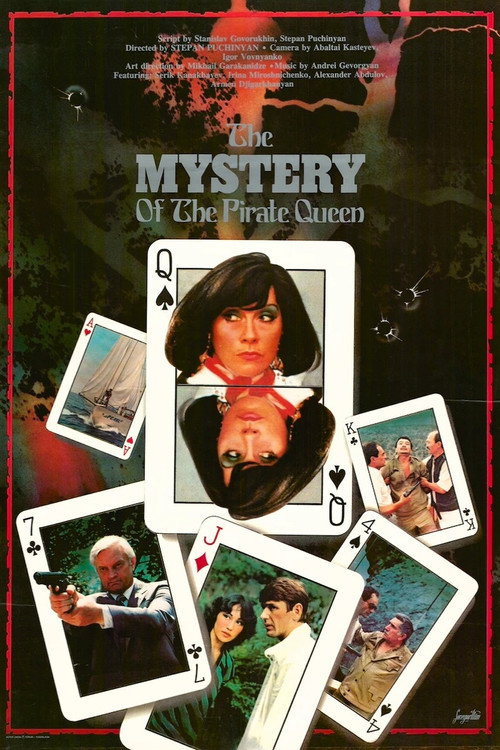
Police commissioner is fighting a criminal group leaded by mysterious Madame Wong while looking for a treasure hidden by pirates hundreds of years ago.
In August 1945 Soviet agent Kasym-khan Chadiyarov (Asanali Ashimov) works undercover in Manchuria, impersonating a Japanese businessman Ishijima. His mission is to prepare forthcoming Soviet operations against the Japanese Kwantung Army.
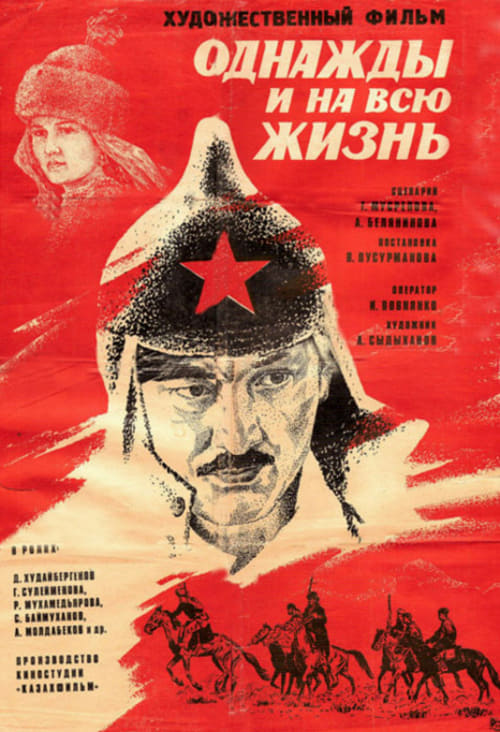
The first post-revolutionary years in Kazakhstan, the period of formation of Soviet power. More than once, the bandits tried to deal with the singer of the people, the poet Erken, but could not silence him. It seemed that the earth itself kept him safe — he found shelter and help in the homes of the poor, escaped from prison, on the instructions of the Bolshevik committee, under the guise of a tramp, made his way to the south, explaining everywhere the advantages of Soviet power for the people. Erken carried his love for Aklima through his whole life. Having met her once in one of the villages, he could not forget a young woman whose fate was tragic.
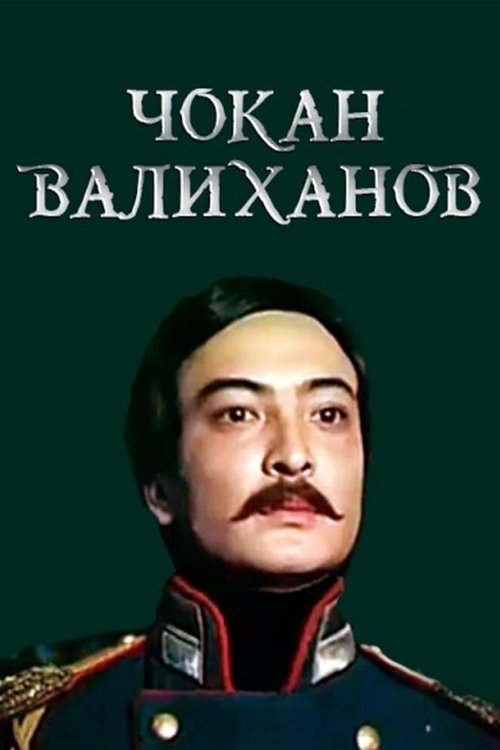
A television film about a famous scientist, traveler, and educator of the 19th century. About the life and work of Shokan Valikhanov— the first Kazakh scholar-educator, historian, ethnographer, and folklorist.
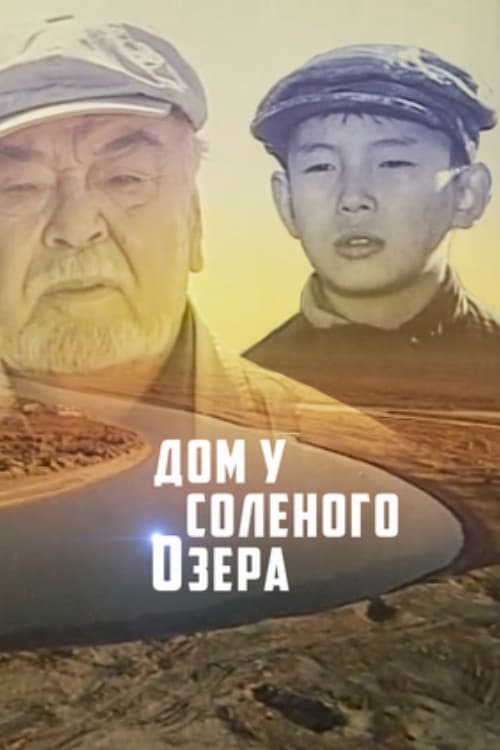
The film is based on the complex intersections of human destinies during the Patriotic War. The family of the headmaster of the school, Turlyzhan Zhanakov, with their participation and care for disadvantaged people, show the high moral values inherent in Kazakhs. The house by the salt lake became a home for immigrants and evacuees and became a kind of Noah's Ark for the post-war future.
No description available.
About a group of schoolchildren from a Kazakh aul who swore to one another that they would win the inter-collective farm sports competition.
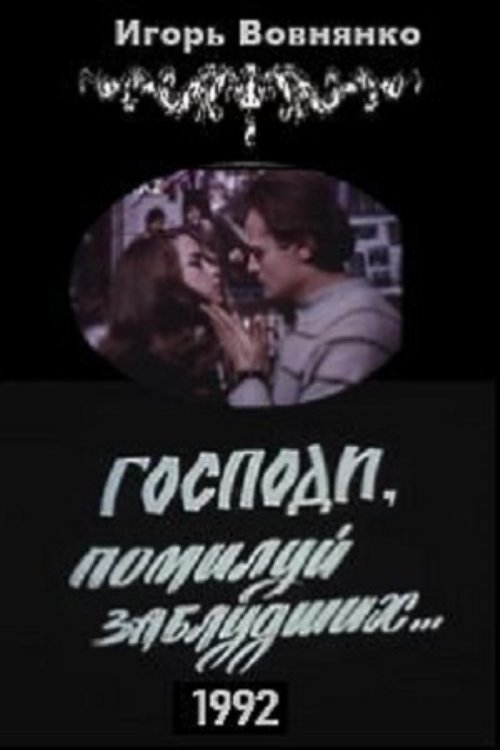
The story of the moral decline and rebirth of a young schoolgirl. Turning to faith, she finds solace in a convent.
The repairmen of the railways and their families, living at Road Machine Number 57, without electricity in the railway carriages.