Chris Verbiest
Directing
Known For
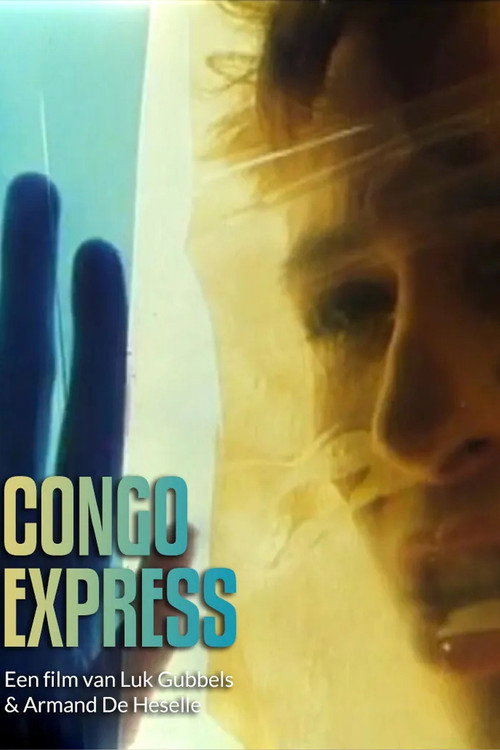
The story centers on Jean (François Beukelaers)—an ex-colonial and former mercenary—and his girlfriend Nadia, who together run the tavern. The bar serves as a gloomy crossroads where three different generations of patrons intersect. As these lonely individuals drink and collide, they confront each other's unfulfilled dreams, romantic illusions, hidden desires, and sudden outbursts of aggression. Trapped between their past actions and what could have been, the characters struggle with profound miscommunication. The film blends dark melancholy with sharp injections of humor, tracking a complex web of human relationships where everyone is simultaneously the hunter and the prey.
Congo Express
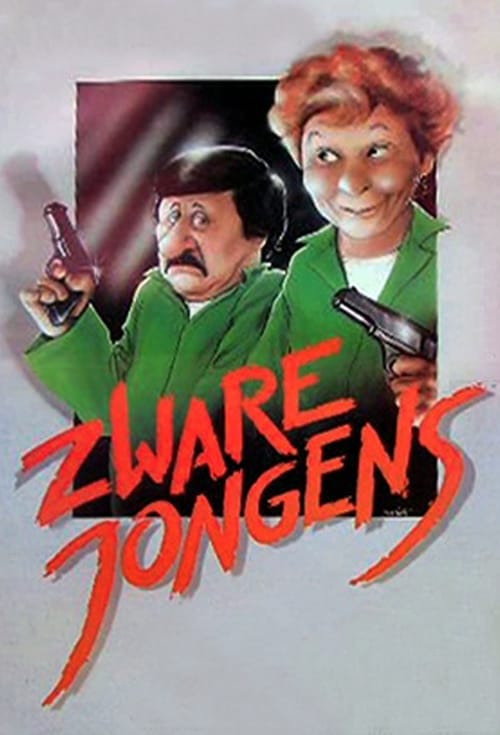
Gaston grew up on the fringes of society and interacts with other people as little as possible. Leo, on the other hand, is a very bourgeois person. He lives way above his station, but has a heart of gold. Using forged cheques and unsecured credit cards, he tries to keep up appearances. By a coincidence, Gaston's fate is linked to Leo's.
Zware jongens
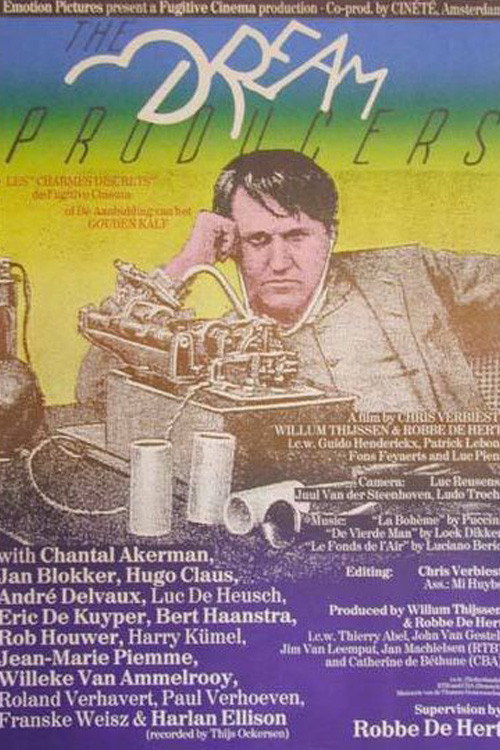
Documentary exploring why Belgian television doesn't invest more money in Belgian cinema as is the case in e.g. the netherlands.
De droomproducenten
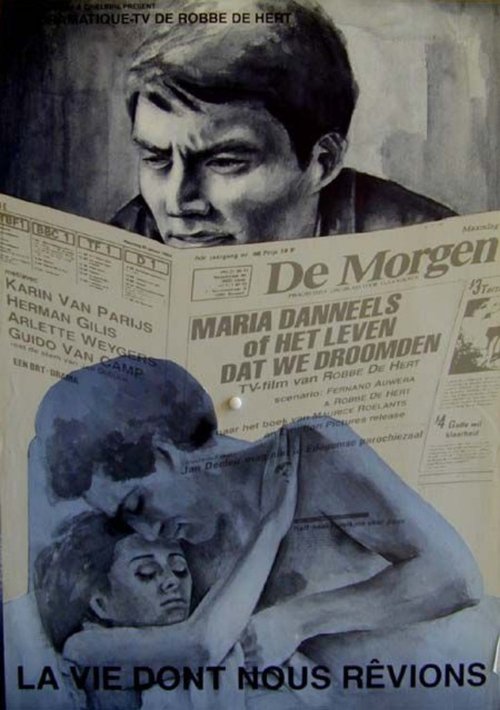
Antwerp. Someone is making a feature film. After shooting the scenes on location, the filmmaker wanders to the railway station. He's having difficulties with his material, it's a commissioned film. The story is giving him trouble too. But he cannot abandon the project. He now wants to introduce a male character so that he can explain his problems.
The Life We Dreamt Of
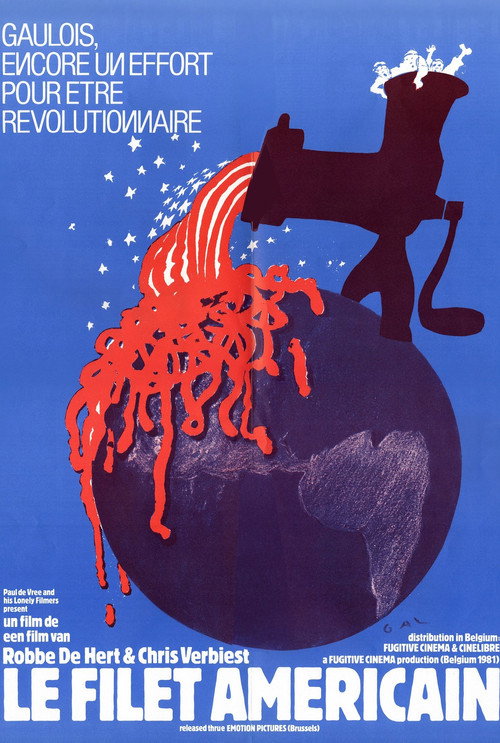
The documentary's legacy lies in its unapologetic fusion of agitprop and satire, a signature style of De Hert’s Fugitive Cinema collective. By juxtaposing Mandel’s economic theories with absurd military parades, the film exposes the contradictions of a society preparing for war while its social fabric decays. De Hert employs rapid montage, pop music, and street-level interviews to strip away the facade of state authority.Decades later, Le Filet Américain remains a vital historical document. It captures a specific era of Belgian polarization, marked by economic crises and the rise of the gendarmerie. The metaphor of the meat grinder endures as a powerful critique of how institutional systems compromise individual dignity for corporate profit.
Le Filet Américain
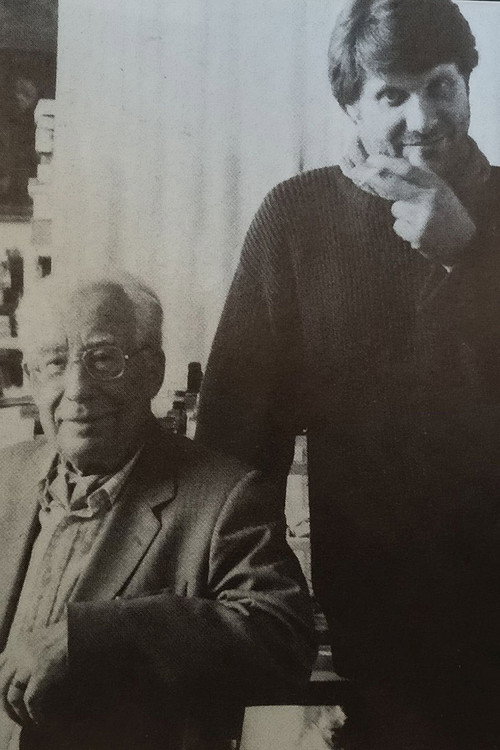
Robbe de Hert’s Henri Storck, ooggetuige (1986) is a brilliant cinematic homage to the founding father of Belgian documentary cinema. Filmed around Storck’s 80th birthday, the film eschews standard biographical formulas. Instead, De Hert crafts an intelligent, vibrant collage that synthesizes rare archival footage with intimate anecdotes told by Storck himself.The documentary excels at tracing Storck’s evolution from an Ostend avant-garde poet to a fierce social activist. De Hert’s signature rebellious tone shines through in bold creative choices, such as overlaying John Lennon's "Working Class Hero" onto the silent, gritty footage of Misère au Borinage (1933). This creates a powerful bridge between 1930s labor struggles and modern social critique
Henri Storck, ooggetuige
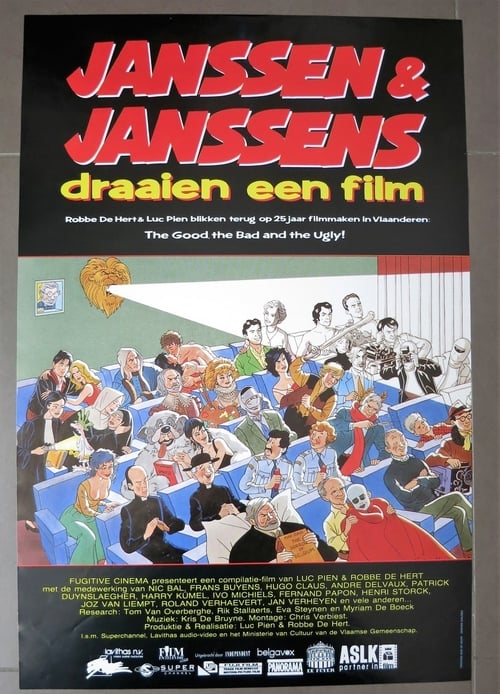
A documentary celebrating 25 years of flemish subsidised cinema.