Aurel Klimt
Directing
Biography
Aurel Klimt was born on August 6, 1972 in Zilina, Czechoslovakia [now Slovakia]. He is a writer and director, known for Lajka (2017), Pád (1999) and Fimfárum Jana Wericha (2002). Born in 1972 in Zilina, Slovakia. Between 1976 and 2000 he lived in Prague (Czech Republic). In 1999 he graduated from the Department of Animation at the Film and TV School (FAMU) of the Academy of Performing Arts in Prague. He works on his own animated films as a scriptwriter, technologist, animator, editor, executive producer and director. He wrote and staged two puppet plays. He also makes the leaders for TV and commercials. Since 2000 he has been living in Malesov (75 km from Prague), where he established the Studio ZVON. Since 1999 he has taught at the Department of Animation at FAMU and he was also the head of the department 2006 - 2015.
Known For

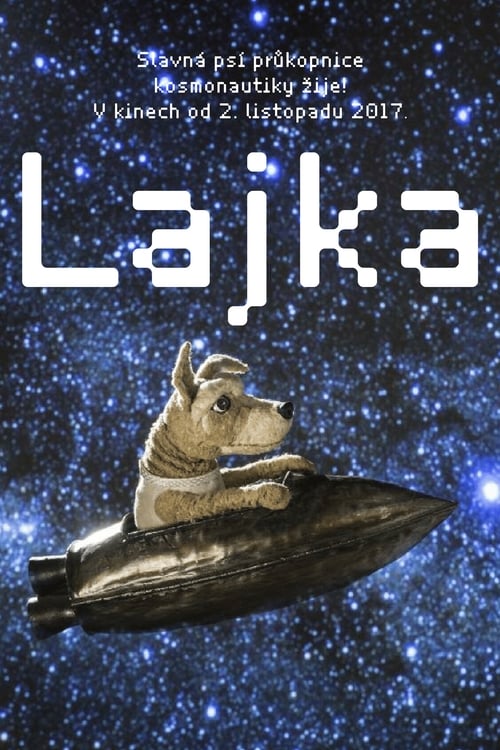
Life is not easy for Laika, a dog on the outskirts of a big Russian city. She is caught and forcibly retrained to become a pioneer in astronautics. Soon after her lift-off into space, a number of animals follow that are hurriedly launched from Houston and Baikonur. The animals travel astray, but finally manage, with the help of a black hole, to colonize a faraway planet. After a short period of harmonious, undisturbed co-existence with indigenous life forms, however, first human cosmonaut run ashore on their planet, and their harmonious life, indeed their very survival, are suddenly in jeopardy.
Laika
The puppet film Mashkin Killed Koshkin, based on the short story of the same name by Daniil Kharms, is a small, absurd story of two heroes who personify the essence of the so-called "Russian soul".
Mashkin kills Koshkin

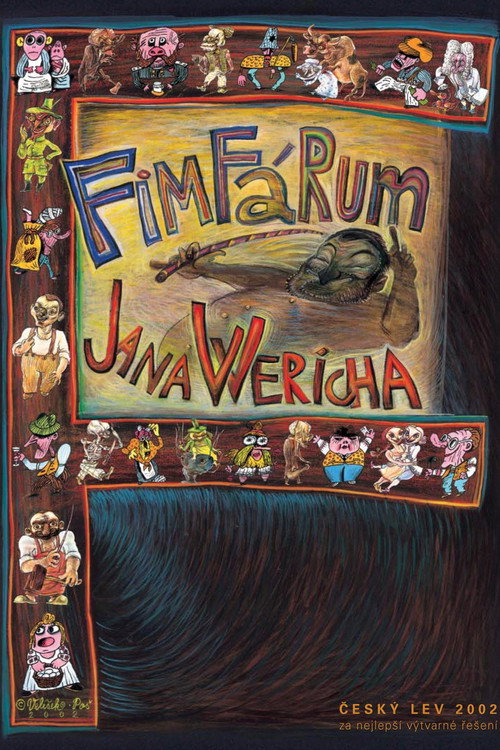
Humorous as well as educational stories about magical and everyday problems, about devils, miracles, ordinary human vices and wisdom. The graphic design of the stories reflects the humour and the atmosphere of the stories Fimfárum, When the Leaves Fall from the Oak, Franta the Fearless, A Dream Come True, and Greedy Barka, that were recorded by Jan Werich on an LP in the 1960’s and published in a book called Fimfarum.
Jan Werich's Fimfarum

The film animation technique of pixilation was used in this short comedy. The notorious criminal Bloodthirsty Hugo has broken out of prison again. He is an arsonist, has no respect for old people and absolutely no maiden in the region is safe with him on the loose. In order to catch him his pursuers set a trap with irresistible bait: a lovely maiden bending over her washing by a stream...
Eastern Bloodthirsty Hugo
As a man waits to fall to his death, overzealous morticians stand in the way of help.
The Fall

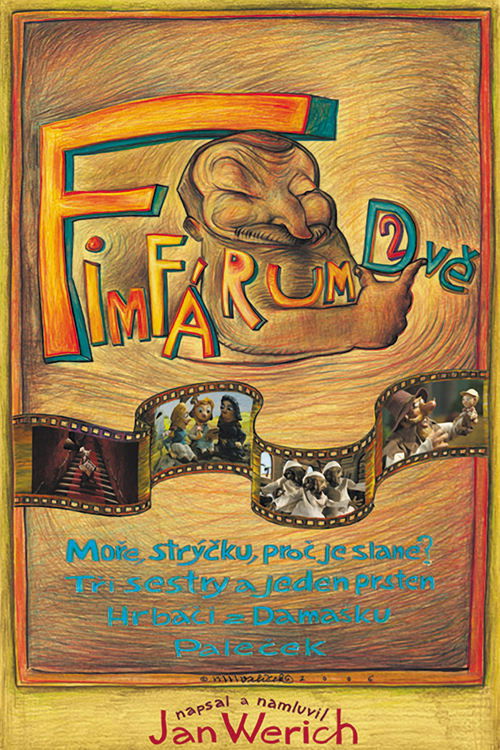
The sequel to the successful film Fimfárum by Jan Werich. Four brand new stories “for clever children and clever adults” from the popular book written by Jan Werich. Břetislav Pojar introduces the story of little Tom Thumb full of twists and adventure. Aurel Klimt brings to life three brothers, The Hunchbacks of Damascus, re-creating the atmosphere of the Middle East and variety of the oriental storytelling. Vlasta Pospíšilová’s Three Sisters and One Ring shows a rural Decameron-like manual on how to enchant one’s loved ones with a mere ring and Jan Balej lets his characters Marek and Kouba re-live an ancient fairy-tale about greed, devils and natural phenomena in his The Sea, Uncle, Why is it Salty?
Fimfarum 2

There is a great deal of magic and enchantment in the glassworks. Motion capture with animation and real glass
The Glassworks
A feature film composed of 6 short films - 3 Czech and 3 Slovak, emerging authors
Šest statečných
After a magic bell from Tibet is stolen, a little girl and an elephant undertake a dangerous journey to bring the bell home.
The Enchanted Bell
No description available.