Sebastián Lingiardi
Directing
Known For

Waiting alone for her boyfriend at a hotel, a woman starts paying attention to the mysterious behavior of some guests.
Ostende
Film in two cities divided by one river: Buenos Aires, Montevideo. Two cities divided by one story: the death of Francisco. One death divided in two parts: an investigation, an escape.
The Destruction of the Existing Order
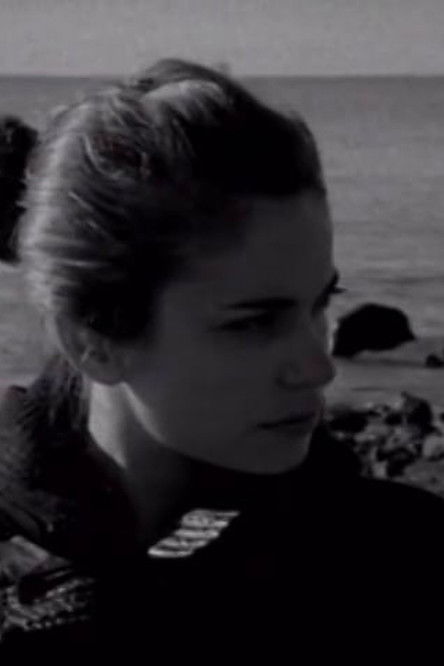
On the banks of the city of Buenos Aires, among the rubble that forms the coast of her ecological reserve, she listens attentively to the confession. The rest, what follows, will be mere inconveniences and questions between a corpse and a double bass, between the imperfect city and its river, which will sow doubt about the resistance of its revenge.
El contrabajo
No description available.
El misterio del conflicto
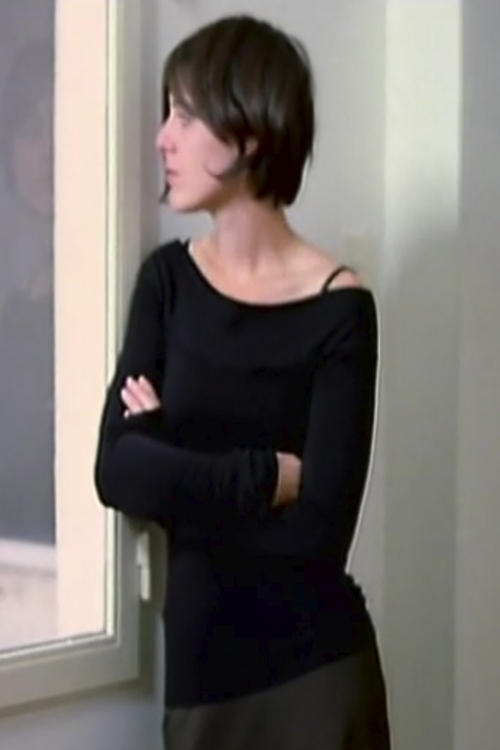
Ana, Manuel and Leo, three young people in modern-day Buenos Aires, get caught in a spiral of coincidence and suspicion, misconduct and persecution. None of them is innocent.
The Prisoner

A man looks at a woman who has her back to him. The woman looks at a window. The window and then a hypothesis for a possible story: a persecution, a waiting, some enigmas, a tragic end, a return. In this singe narrative film featuring a striking mise-en-scène and a thrilling rhythmic composition, Sebastián Lingiardi demonstrates that it is possible to make a detective film in the geographical emptiness of the Argentine pampas.
Seguir órdenes
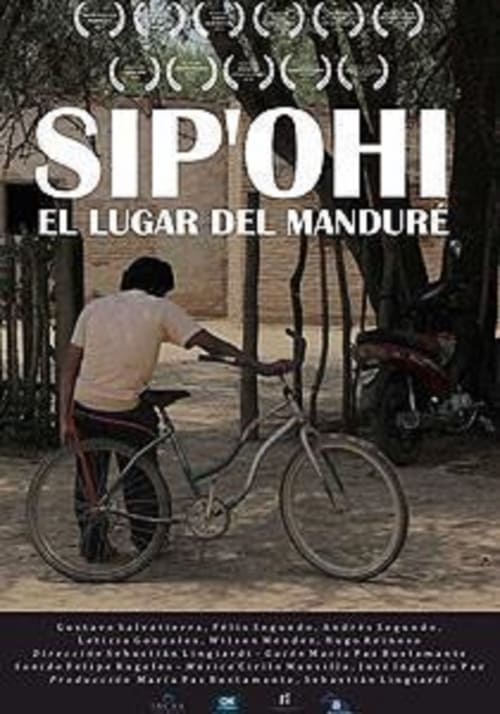
Gustavo Salvatierra returns to his hometown, Sipo’hi, in the Chaqueño (the impenetrable forest in the north of Argentina), with the aim of listening and collecting stories of Wichí culture, transmitted orally from generation to generation.
Sip'ohi, el lugar del manduré
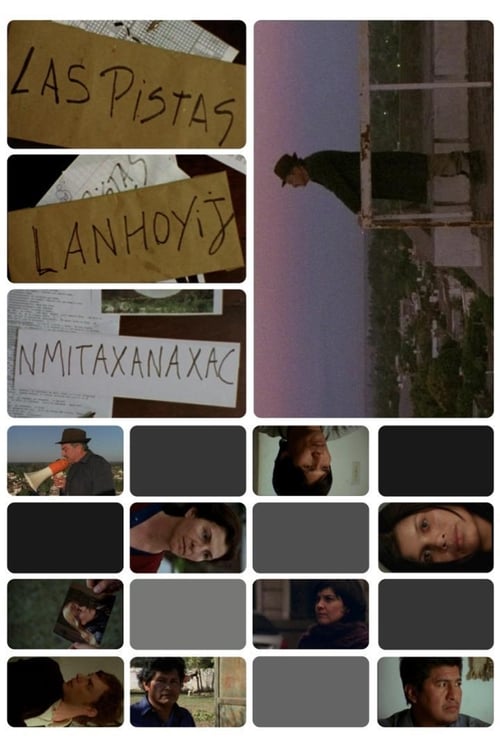
Right from its original idea, ¨The Clues - Las Pistas - Lanhoyij - Nmitaxanaxac¨ surprises you. How come no one had ever thought of including the different cultures that inhabit Argentina to shape up a story about betrayal, rescues, double agents, and varied, imprecise intrigues? That’s the game suggested by Sebastian Lingiardi’s triple-named (from its wichi and Toba translations) first film, in which a series of apparently harmless characters weave a net of imprecise connections and goals, a plot of unknown limits that turns paranoia into a concrete reality.
Las pistas - Lanhoyij - Nmitaxanaxac
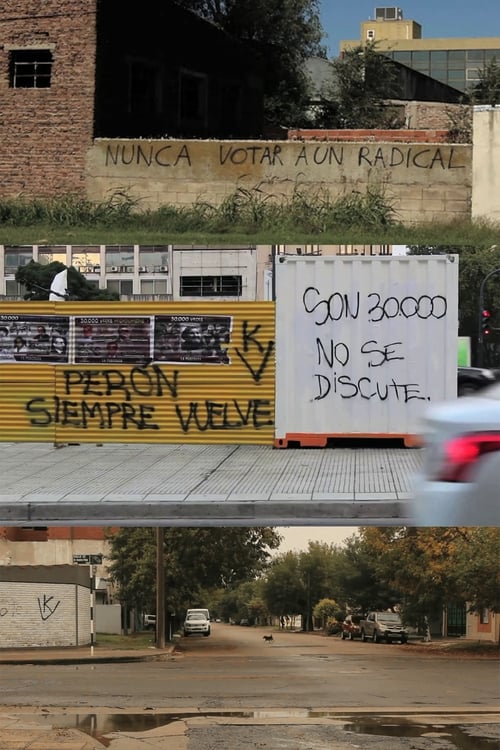
Imagen Mala is a film by and from the life and work of the Argentine poet Alejandro Rubio: cult poet and backbone of what is known as “Argentine poetry of the 90s”. Rubio's voice reading poems; images from television, from the National Congress, from public demonstrations, from poorly translated American films; an interview with the poet and some images beyond and here in time make up this film that makes an era present.
Imagen Mala
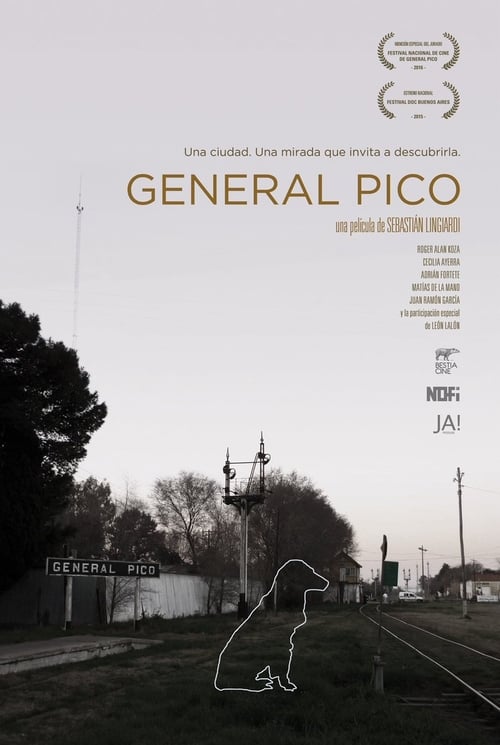
In an area of La Pampa, called Maracó, in the ancestral Mapuche designation, today is the city of General Pico. Murals of a certain town, in a certain time: its streets, cars, motorcycles, posters and some passers-by. The train as the great measure of time and myth. The work and the peronist primary elections. Plus a film festival, a movie and a class. But above all this portrait is measured by the sensitivity of nature and its charm. The street dogs, and their mysterious language, pass through the film like an antenna outside the words.