Acting
Polizeiruf 110 is a long-running German language detective television series. The first episode was broadcast 27 June 1971 in the German Democratic Republic, and after the dissolution of Fernsehen der DDR the series was picked up by ARD. It was originally created as a counterpart to the West German series Tatort, and quickly became a public favorite.
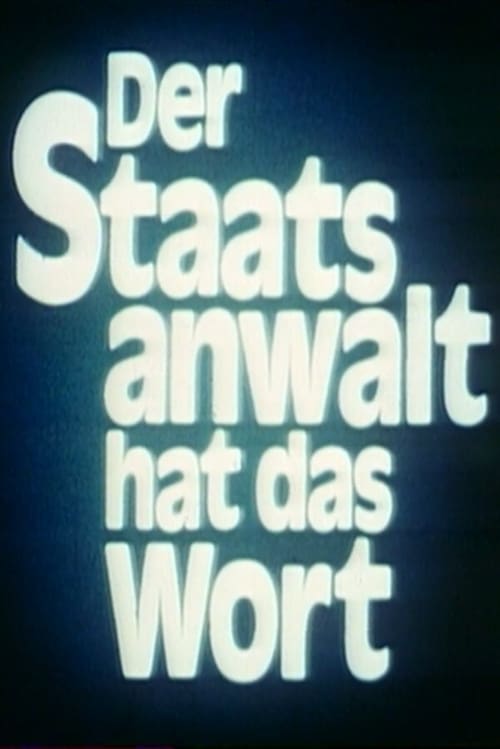
Der Staatsanwalt hat das Wort was an East German television series.
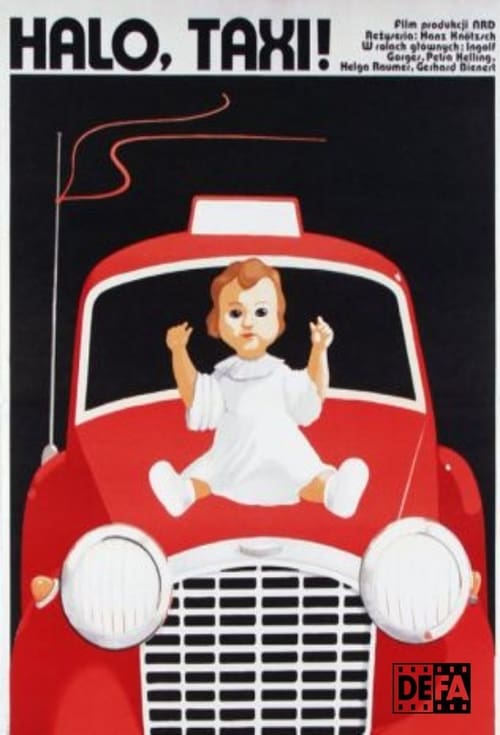
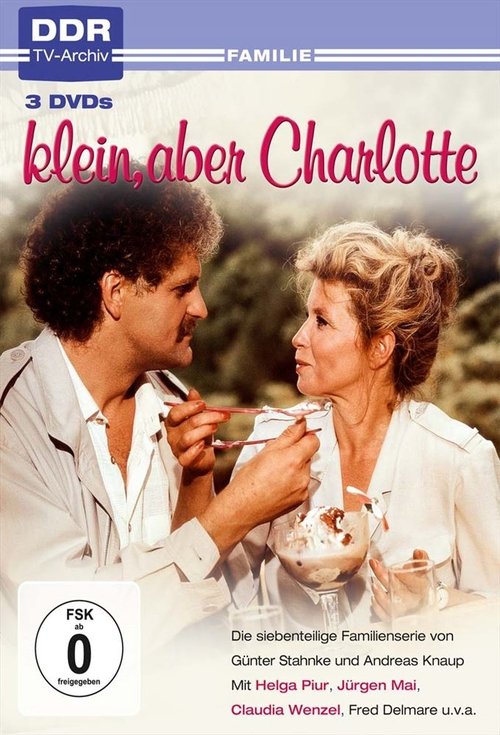
The story of a philanderer behind the wheel of a cab, who gets into a series of hilarious but also adventurous situations, was based on the actual experiences of Berlin cab drivers. It is an entertaining portrayal of how the main protagonist, Eddy, is to be cleverly dissuaded from his dashing bachelor life. Gaby and her grandpa come up with a few ideas. This is necessary, because Eddy may be a proper cab driver, but in his private life he knows no rules when it comes to winning over pretty girls.
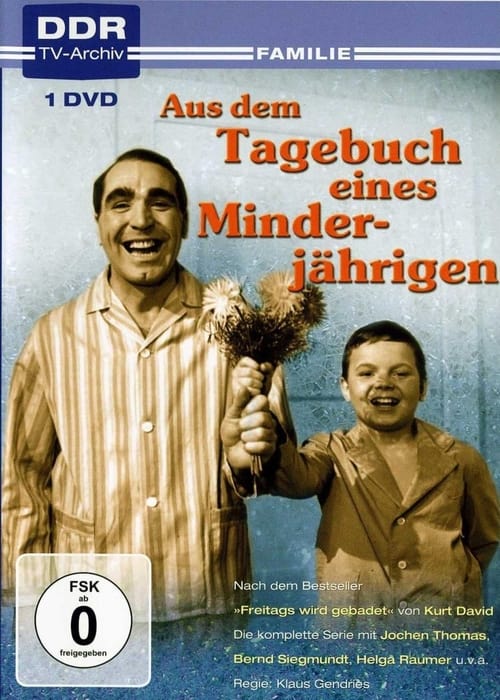
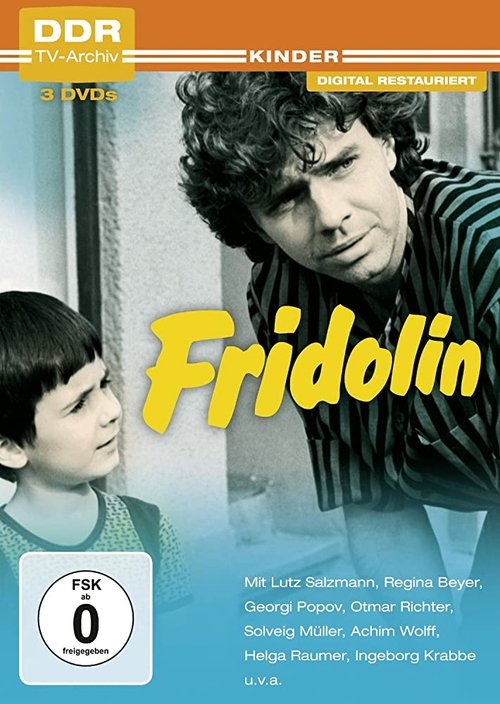
A boy is busy writing all sorts of things in his diary.
She is called Dona Juanita: the attractive young architect Anita Nachtigall, who manages a department on a large construction site with great success. She is said to have had many affairs and, so it is said, the death of a certain Sawallish. The evil afterspeech puts Anita so that she announces her place. But a young safety inspector on the job site doesn't want her to leave. He cares what really happened...
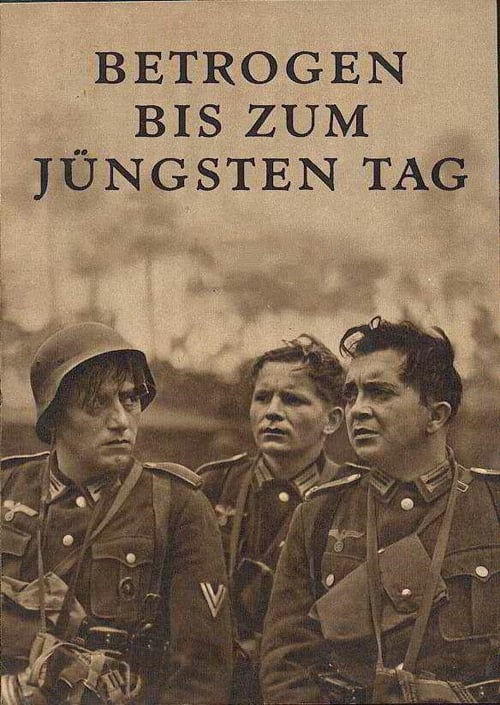
East Germany's contribution to the 1957 Cannes Film Festival was the wartime melodrama Betrogen bis zum Juengsten Tag. Had the film been released in the U.S., the title would probably have translated to Duped Till the Last. The film condemns the Nazi mindset by concentrating on a particularly odious cover-up. When his son is involved in the accidental killing of a girl, a Gestapo general pulls strings to save the boy from prosecution. The general manages to pin the blame for the killing on a group of Russians, whereupon he gives the men under his command carte blanche to round up and execute as many innocent Russians as they wish. This act of brutality is contrasted with the pangs of guilt suffered by the son and his co-conspirators.
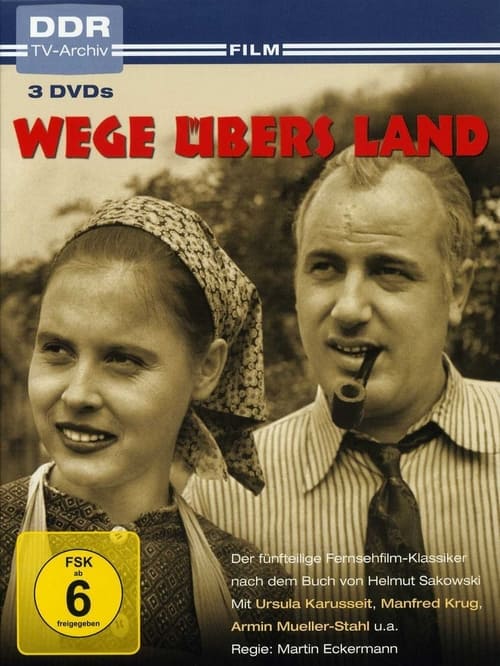
East German TV miniseries about the young maid Gertrud Habersaat, who marries, moves from Mecklenburg to Poland in the early 1940s, has to come back to Mecklenburg as a refugee during World War II and finally finds her place during the 1950s.
No description available.
The young Ulf Ansorge is an exceptional talent in Hagenheim soccer. He is considered the most talented player in his team and is also the team's top scorer. He is now set to move to another city to study and is therefore toying with the idea of changing clubs. The sports board, of which Ulf's future father-in-law is also a member, tries to persuade him to stay. In his inner conflict, Ulf finally scores an own goal on purpose to make the decision for himself.
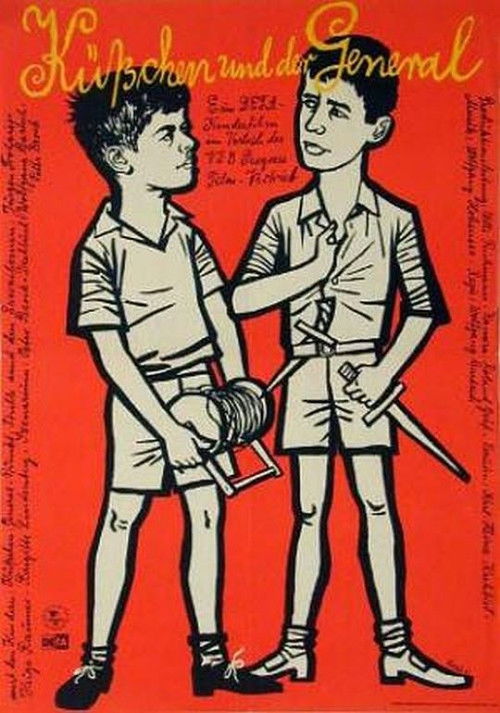
The group council leader of 7b, Punkt, has a hard time because General sets the tone in the class - with stupid pranks. The new kid, Küßchen, is quite different. He likes tinkering and has his own field telephone. General and his gang want to get one over on him and build a pitfall, but it's not Küßchen who falls in, but a lieutenant from the NVA. He breaks his arm and Küßchen visits him in hospital. Betrayal, the others think. But the two become friends and the lieutenant helps the children build an amateur radio station. The general who joins them is interested. He entices Küßchen to use the radio illegally, which brings the police onto the scene. And now the general shows that he is a decent guy after all.
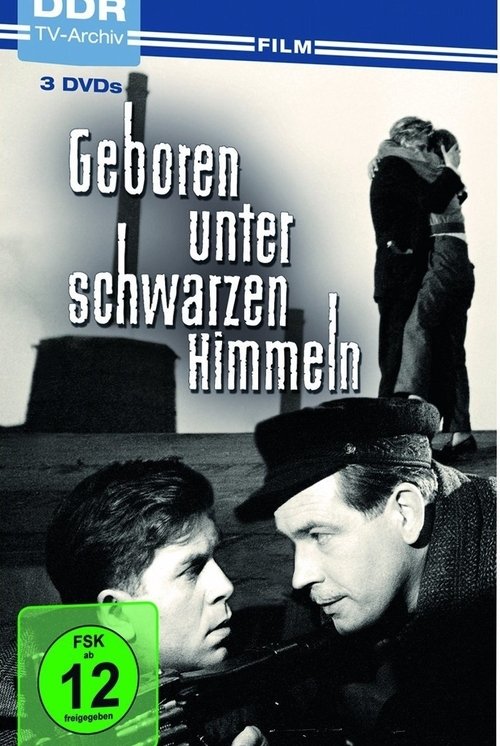
Early 1921: a man is on his way home. Gleb Chumalov, regimental commander, worker and Hero of the Order of the Red Banner, returns to his home town from the Civil War. The victory over the enemies of the Russian people gives him the conviction that a new, better time will dawn overnight. Gleb looks for his comrades from earlier years, but only finds people who are emaciated by their efforts. The cement works where he used to work has been plundered and abandoned. With great effort, Gleb and his comrades try to get the plant up and running again. The struggle seems to begin anew... It is the time after the victory of the “Great October Socialist Revolution“ and the time of building a new society.
Little Red Riding-Hood lives together with her parents in a house on the edge of the forest. Her friends are a bunny, a squirrel and a bear. The little girl is always prepared to help, friendly, innocent and even unsuspecting, for she does not hold anyone capable of doing anything bad. Little Red Riding-Hood often visits her grandmother who lives in the depths of the forest. But her way there is a dangerous one: the wolf and its lackey, the fox, terrorize everyone with their evil deeds. One day, Little Red Riding-Hood is caught in their net.
Engineer Franz Bach seems to have gone astray once again. Working overtime, nagging at his wife and his parents sleeping apart lead the children to come to this conclusion. It can't go on like this. His youngest son Täve does his best to keep his father away from the very young intern Irene. Täve's 19-year-old brother, on the other hand, tries to steal his father's mistress. His wife Margarete also wants to bring a breath of fresh air into the marriage.
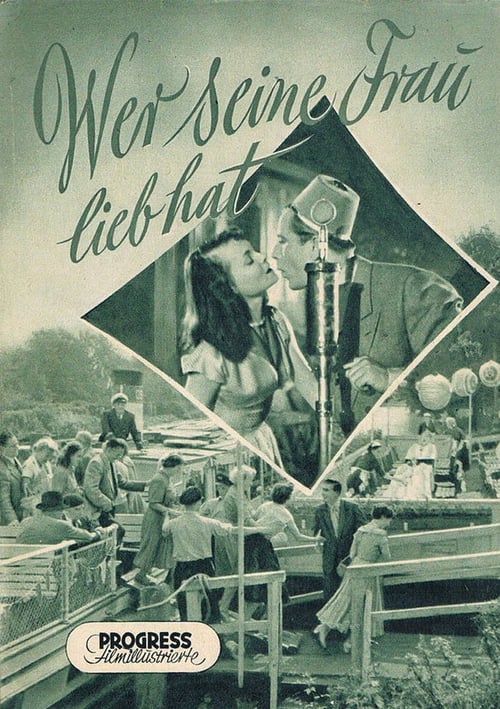
The Berlin Volkseigene Betrieb (VEB) Komet is planning a company outing. Willi Redlich, member of the party committee, votes like the others: The relatives stay at home. But he doesn't dare tell his wife Susanne. So she does the work of renting the "Waldschlösschen" restaurant for him - without his knowledge. When Willi wants to book the seats, everything is fully booked and he switches to the "Sonnenburg" opposite. Meanwhile, word has gotten around among the women that they are excluded. They plan a counter-event. On the day of the excursion, both groups are sitting in their inns and the women make sure that they can still celebrate together.
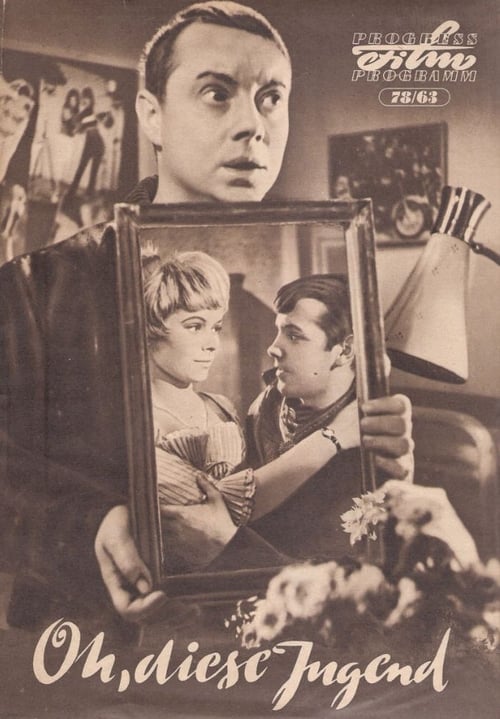
Berlin in the 1960s. Olaf and Horst are two young metalworkers, who provoke their older colleagues with critiques of the antiquated equipment and lack of materials... not to mention their love of leather jackets and motorbikes. Olaf and Horst begin to be targeted in the house newsletter, and the generational conflict escalates.
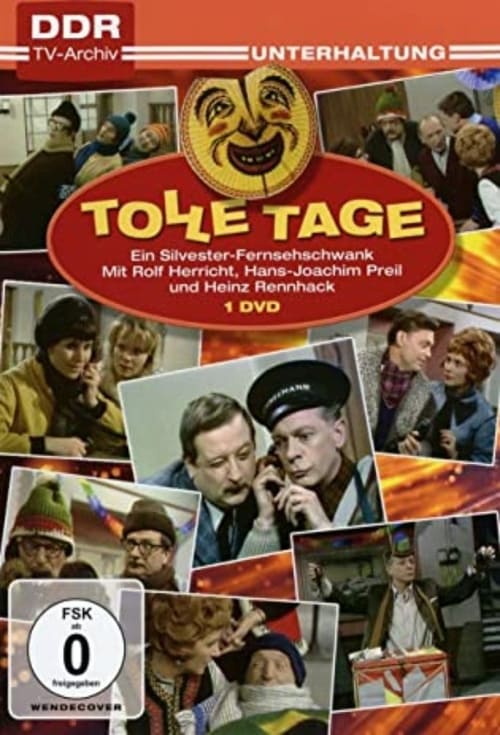
GDR tourism expert Obermüller wants to instruct his deputy Hurtig in the management of the newly opened Schneemannbaude (ski lodge). However, he makes an embarrassing mistake beforehand. As a result, the entire staff, from the cook to the chambermaid, take a few days off over the turn of the year, while the first guests are already arriving. They have to roll up their sleeves and lend a hand, whether making the beds, working at reception or in the boiler room. Despite the improvisational skills of the Obermüller/Hurtig team, there are a few minor compromises when it comes to service...
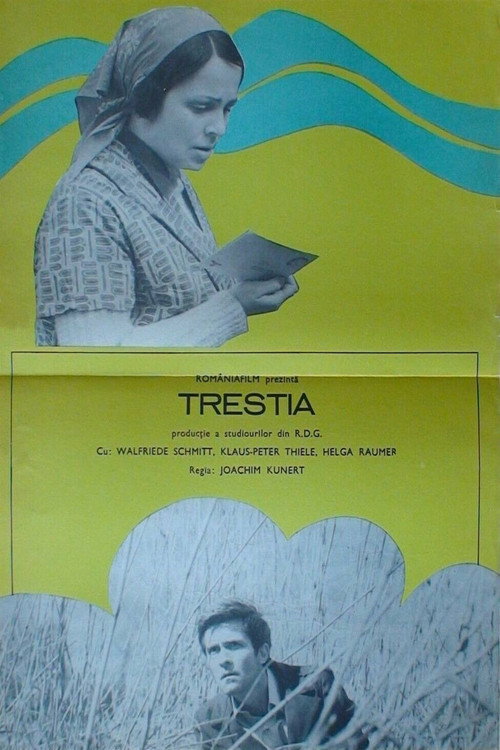
Her brothers and fiancé are at war. In 1944, Marta struggles alone with her gardening business. One day, a deserter turns up at her house. What to do? Marta decides to keep Steiner with her. A life-threatening decision: military police scour the village...