Directing
Since it began in 1983, Frontline has been airing public-affairs documentaries that explore a wide scope of the complex human experience. Frontline's goal is to extend the impact of the documentary beyond its initial broadcast by serving as a catalyst for change.
FRONTLINE explores the phenomenon of conservative talk show host Rush Limbaugh. Three hours each day, five days a week, Limbaugh is heard on more than 600 radio stations, in addition to hosting a daily half-hour television program. How much political clout does Limbaugh have? Tracing his rise to fame and fortune, the program also takes an in-depth look at Limbaugh’s audience and asks what impact he had on the Republican congressional landslide.
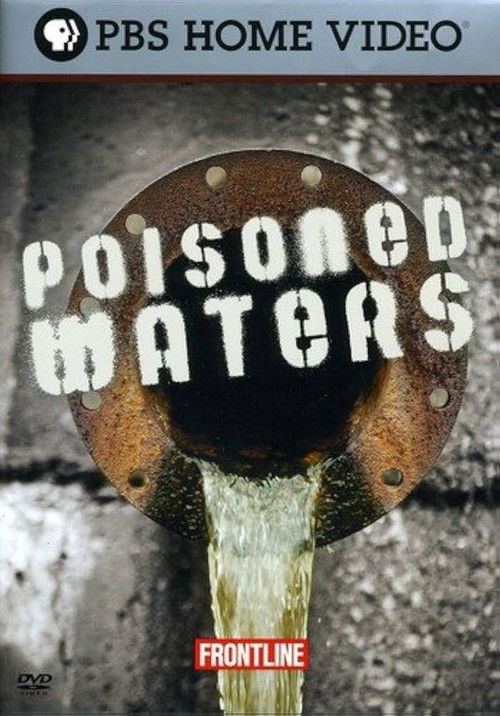
More than two decades after the Clean Water Act was supposed to make America’s waters clean enough for swimming and fishing again, two iconic waterways — the great coastal estuaries of Puget Sound and the Chesapeake Bay — are in perilous condition. With polluted runoff still flowing in from industry, agriculture and massive suburban development, scientists fear contamination to the food chain and drinking water for millions of people. A growing list of endangered species is also threatened in both estuaries. As a new president, Congress and the states set new agendas and spending priorities, FRONTLINE correspondent Hedrick Smith examines the rising hazards to human health and the ecosystem, and why its so hard to keep our waters clean.
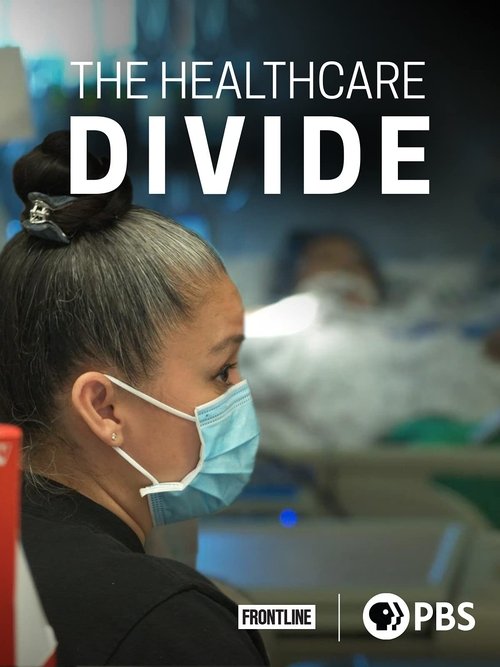
FRONTLINE and NPR investigate the growing inequities in American healthcare exposed by COVID-19. The Healthcare Divide examines how pressure to increase profits and uneven government support are widening the divide between rich and poor hospitals, endangering care for low-income populations.
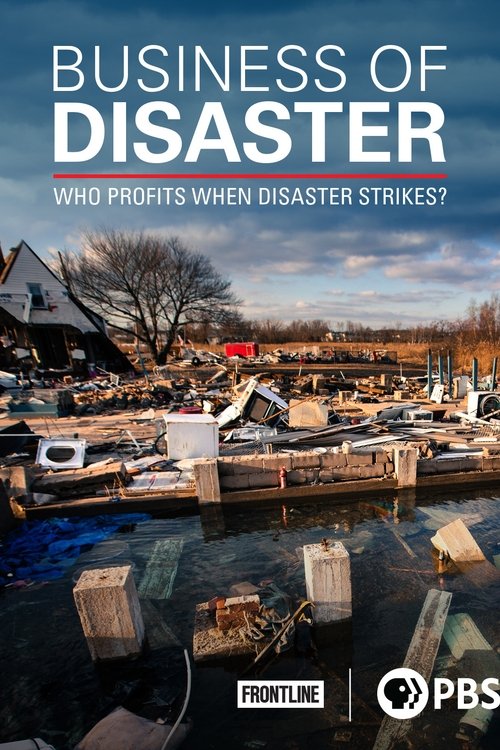
When disaster strikes, who profits? FRONTLINE and NPR investigate the Business of Disaster in a major, multiplatform collaboration focused on the aftermath of Superstorm Sandy: the thousands still not home, the agencies that were supposed to help, and the companies that made millions.
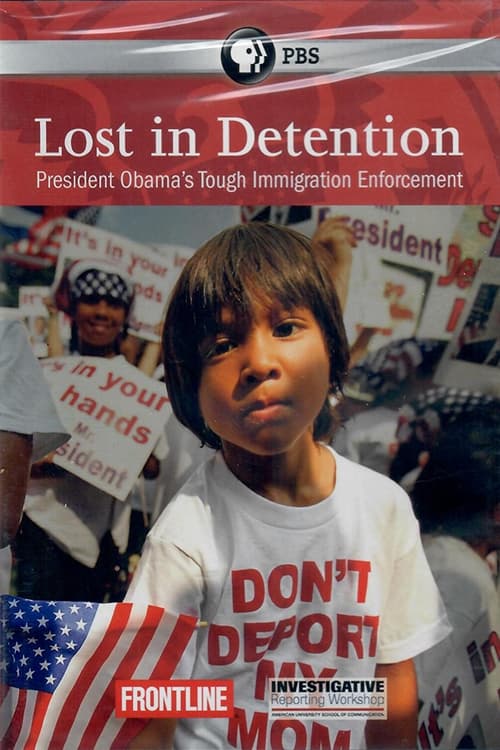
More than one million immigrants have been deported since President Obama took office. Frontline investigates Obama's enforcement strategies and journeys into the secretive world of immigrant detention, with a penetrating look at who is being detained and what is happening to these detainees.
As the documentary “Tax Me If You Can” explored, the tax shelter became one of corporate America’s biggest hidden profit centers in the 1990s and early 2000s. The General Accounting Office estimated that bogus tax shelters at the time cost the government more than $85 billion. Correspondent Hedrick Smith spoke with government officials, tax experts and industry insiders to expose these tax shelters. His reporting led him to some unexpected places — from the city of Dortmund, Germany, to the Cayman Islands. The documentary examined how difficult it was for the Internal Revenue Service to find tax shelters and how the tax shelter wave prompted a federal investigation. The ultimate victim in this scheme, experts in the documentary said, is the honest taxpayer who is left to make up what companies aren’t paying.
As the trade war between the U.S. and China escalates, FRONTLINE and NPR take a look at what led to the rising tensions and what’s at stake. “Trump’s Trade War” presents the inside story of President Trump’s gamble to confront China over trade. Reporting from the U.S. and China, FRONTLINE and NPR investigate what led the world’s two largest economies to the brink, and the billions at stake.
Is the Bush administration’s domestic war on terrorism jeopardizing our civil liberties? Reporter Hedrick Smith presents new material on how the National Security Agency’s domestic surveillance program works and examines clashing viewpoints on whether the president has violated the Foreign Intelligence Surveillance Act (FISA) and infringed on constitutional protections. Probing such projects as Total Information Awareness, and its little known successors, Smith discloses that even former government intelligence officials now worry that the combination of new security threats, advances in communications technologies, and radical interpretations of presidential authority may be threatening the privacy of Americans.
An in-depth look at why Puerto Rico was left struggling to survive after Hurricane Maria. FRONTLINE and NPR investigate the humanitarian and economic crisis in Puerto Rico after Hurricane Maria, examining how the federal response, Wall Street and years of neglect have left the island struggling to survive.
Has the age of antibiotics come to an end? From a young girl thrust onto life support in Arizona to an uncontrollable outbreak at one of the nation’s most prestigious hospitals, FRONTLINE investigates the alarming rise of a deadly type of bacteria that our modern antibiotics can’t stop.
FRONTLINE offers two starkly contrasting images: one of empty storefronts in Circleville, Ohio, where the local TV manufacturing plant has closed down; the other — a sea of high rises in the South China boomtown of Shenzhen. The connection between American job losses and soaring Chinese exports? Wal-Mart. For Wal-Mart, China has become the cheapest, most reliable production platform in the world, the source of up to $25 billion in annual imports that help the company deliver everyday low prices to 100 million customers a week. But while some economists credit Wal-Mart’s single-minded focus on low costs with helping contain U.S. inflation, others charge that the company is the main force driving the massive overseas shift to China in the production of American consumer goods, resulting in hundreds of thousands of lost jobs and a lower standard of living here at home.
FRONTLINE investigates the widespread use of antibiotics in food animals and whether it is fueling the growing crisis of antibiotic resistance in people. Also this hour: An exclusive interview with the family of a young man who died in a nightmare bacteria outbreak that swept through a hospital at the National Institutes of Health.