Acting
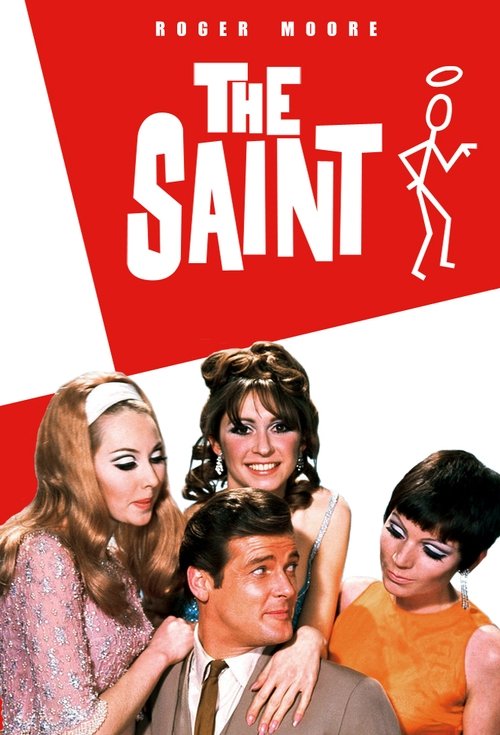
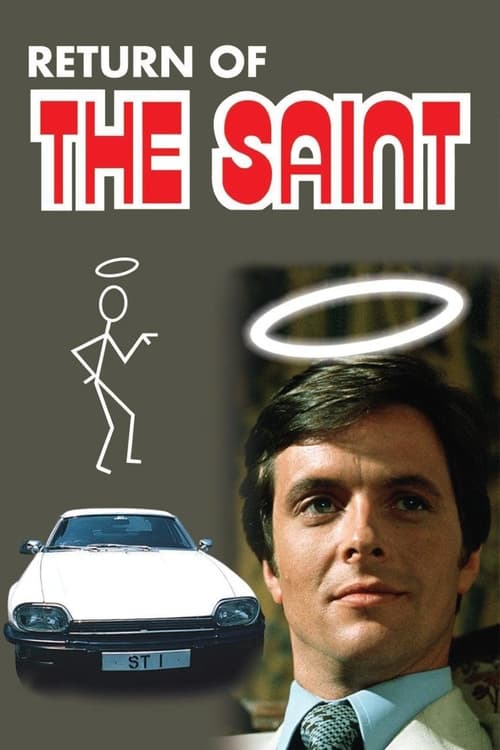
Simon Templar is The Saint, a handsome, sophisticated, debonair, modern-day Robin Hood who recovers ill-gotten wealth and redistributes it to those in need.
Crown Court is an afternoon television courtroom drama produced by Granada Television for the ITV network that ran from 1972, when the Crown Court system replaced Assize courts and Quarter sessions in the legal system of England and Wales, to 1984.
World War II drama about covert organisation Lifeline helping allied airmen escape after being shot down in occupied Europe, working with the Resistance and hiding from the Gestapo.
Follow the swashbuckling exploits of Simon Templar, a modern-day Robin Hood of sorts.
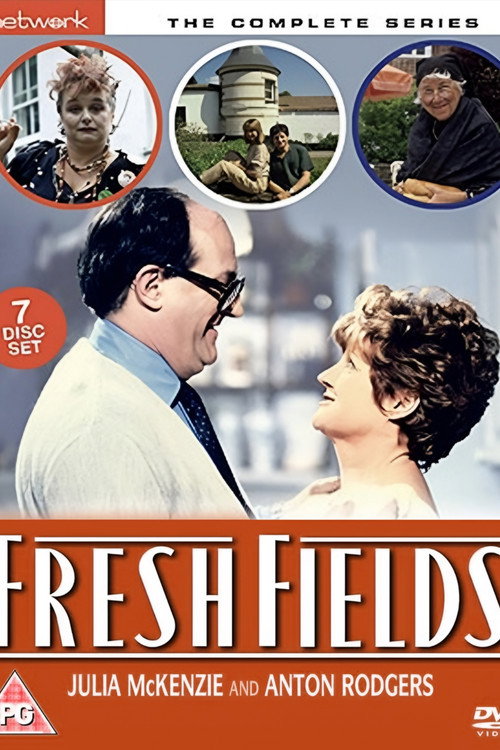
Fresh Fields is a British situation comedy written by John T. Chapman and produced by Thames Television for ITV between 7 March 1984 and 23 October 1986. A ratings success at the time, the show is well remembered for its opening titles featuring a silhouette of a person in a rocking chair. It stars Julia McKenzie and Anton Rodgers as Hester and William Fields, a devoted middle-class couple with an idyllic suburban lifestyle. William works while Hester keeps home. The crux of the show was that she was always looking to try new hobbies or find ways to improve her life, much of which exasperated her hard-working husband. The family home had a granny flat attached, in which Hester's mother Nancy lived. She was divorced from Hester's father Guy although remarried him as the series progressed. The couple had a daughter called Emma who frequently telephoned but never appeared. Her husband Peter did appear often. They later had a son — the Fields' first grandchild — whom they named Guy, after his great-grandfather. Perhaps, the best remembered supporting character was Sonia Barrett who would frequently pop round to borrow items to replace hers due to breakage, theft or mislaying. Hester was not perturbed by this, as the two were close friends, but it used to irritate William. Sonia had the show's only catchphrase — she would always knock on the back door of the Fields' home and then say It's only Sonia! as she walked in. This would sometimes lead to applause of recognition from the studio audience, a phenomenon more regularly seen within American sitcoms. Sonia's husband John appeared on occasion, as did William's secretary Miss Denham, played by Daphne Oxenford.
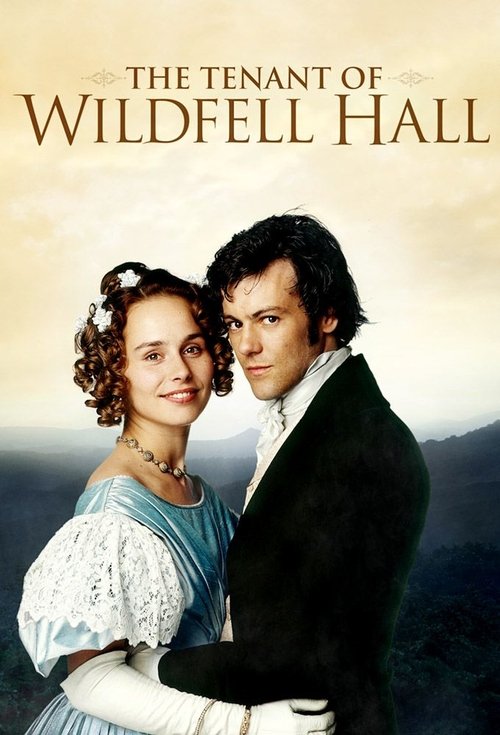
The Tenant of Wildfell Hall is a 1996 serial adaptation of Anne Brontë's novel of the same name, produced by the BBC. A mysterious young woman arrives at Wildfell Hall, an old house of the Elizabethan era, with a young son. She is determined to lead an independent existence, but her new neighbours do not want to leave her alone. Only one of them, a young farmer, succeeds in finding her secrets.
The growing ambition of Julius Caesar is a source of major concern to his close friend Brutus. Cassius persuades him to participate in his plot to assassinate Caesar but they have both sorely underestimated Mark Antony.
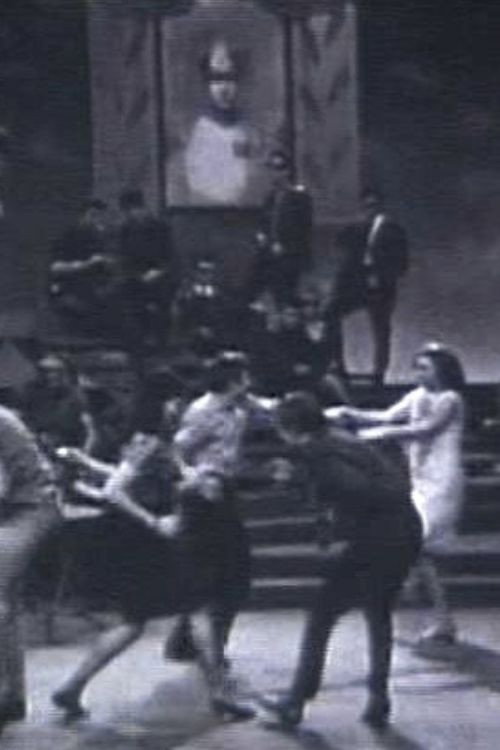
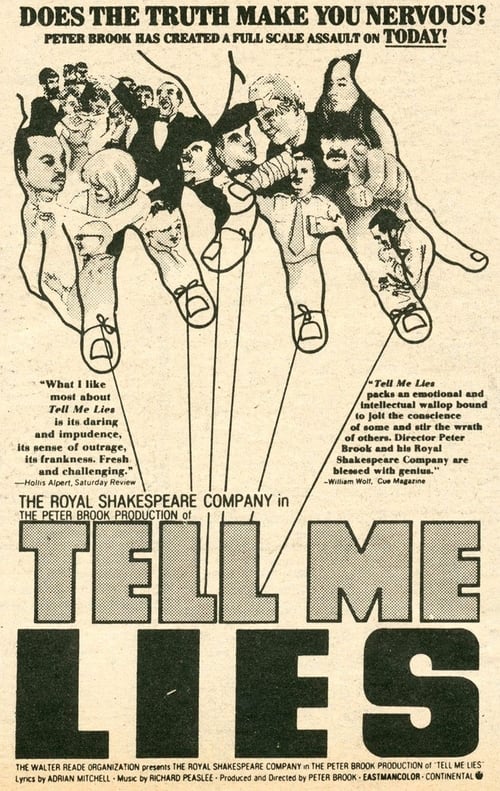
Adapted and directed by Peter Brook from the Royal Shakespeare Company’s ‘production-in-progress US’, this long-unseen agitprop drama-doc – shot in London in 1967 and released only briefly in the UK and New York at the height of the Vietnam War – remains both thought-provoking and disturbing. A theatrical and cinematic social comment on US intervention in Vietnam, Brook’s film also reveals a 1960s London where art, theatre and political protest actively collude and where a young Glenda Jackson and RSC icons such as Peggy Ashcroft and Paul Scofield feature prominently on the front line. Multi-layered scenarios staged by Brook combine with newsreel footage, demonstrations, satirical songs and skits to illustrate the intensity of anti-war opinion within London’s artistic and intellectual community.