Léonide Moguy
Directing
Biography
Léonide Moguy (14 July 1899 – 21 April 1976) was a Ukrainian, French and Italian film director, screenwriter and film editor. Moguy was born Leonid Mohylevskyi (Леонід Могилевський) in Odesa, Russian Empire in 1899 in a Jewish family. He lived in Soviet Ukraine until 1929, in the United States in the 1940s, and in Italy from 1949 until his death. He was active in film between 1927 and 1961. His work has influenced American director Quentin Tarantino, who discovered him while writing the script for Inglourious Basterds, and named a character after him in Django Unchained. Mohylevskyi was born in Odesa in a family of a merchandise worker. During World War I, he was a soldier of the 51st Lithuanian infantry regiment of the Imperial Russian Army in Simferopol. After the war, he was a medical student and worked part-time at the film studio of Dmytro Kharytonov who came from Moscow to Odesa. Mohylevskyi did not become a doctor, however, graduating from Odesa Institute of National Economy in 1924, he became a lawyer. Soon, he was invited to work as a VUFKU legal advisor at Odesa Film Studio. Mohylevskyi showed interest not only in the letter of the law, but also in laws and principles of film editing as he assisted the director Mykola Saltykov. In 1927, Mohylevskyi was the head of the Newsreel Department VUFKU, was a colleague of Dziga Vertov and Mikhail Kaufman. Together with Oleksandr Dovzhenko he initiated the creation of the first library of Ukrainian films. The department headed by Mohylevskyi began to issue Kinotyzhden, and later, Kinozhurnal VUFKU, a collection of fresh newsreels, “timely and urgent,” that became nearly the only source of news at that time. Then, Mohylevskyi made two mashup films, How It Was (1927) and Documents of the Era (1928), in collaboration with the director Ya. Habovych. The latter was the most popular VUFKU mashup film based on 150,000 meters of newsreels dating back to 1917-1922. Leonid Mohylevskyi used archive materials (“some positive fragments” and pre-revolutionary “rubbish”) stored in VUFKU archives or bought from other film studios or private persons as the basis for his film. An active member of the society Friends of Soviet Cinema, Mohylevskyi edited 16 short films for them, such as Now! and Peak ticket (Піковий квиток) filmed by amateur Experimental Film Studio headed by Hlib Zatvornytskyi. He moved to France and developed a reputation as a "play doctor" of films. He started directing and had a hit with 40 Little Mothers. Moguy moved to Hollywood in 1940. He made the film The Night is Ending (1943) at 20th Century Fox. He stayed at Fox to make Paris After Dark then went to RKO to make Action in Arabia. He was meant to follow Action in Arabia with Experiment Perilous with Paul Henreid at RKO but the film was not made. Instead he made Whistle Stop for United Artists. "I didn't do the pictures I wanted to", he later said of this time. Moguy returned to France where he made Bethsabee (1947). In 1947 he announced he would direct the first Belgian-Hollywood co production, New York's Origin, a story of the Belgian refugees who established New York. The film was not made. ... Source: Article "Léonide Moguy" from Wikipedia in English, licensed under CC-BY-SA 3.0.
Known For

No description available.
Cinépanorama

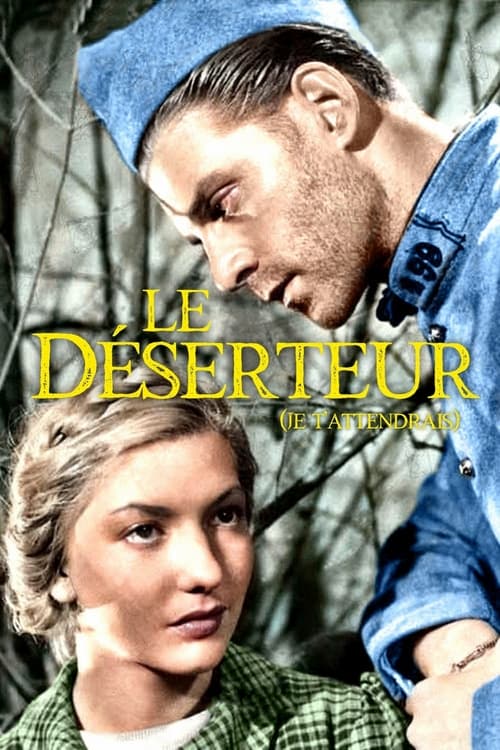
During WW1, a train is stopped by a bombing, a young soldier takes advantage of the opportunity to go to his native village to connect with his love and his family. As WW2 began in the real world, this film was rereleased later in ‘39 under the revised title Je t'attendrai (I Will Wait for You).
The Deserter

A rich banker is actually a crook. His mistress, an alien, wants to become French and the only way is to marry a Frenchman.
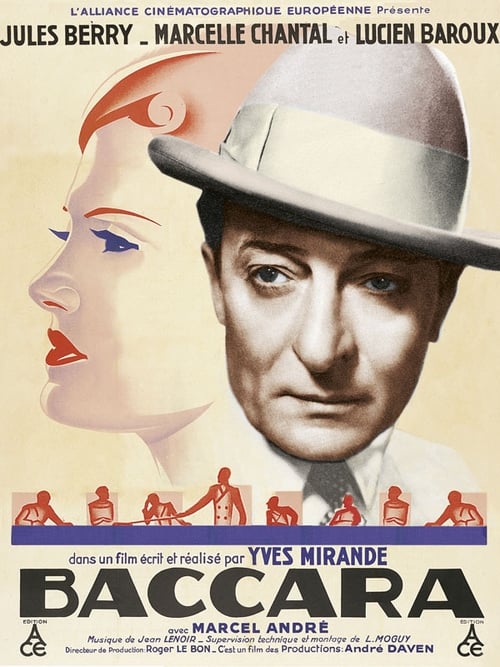
Baccara

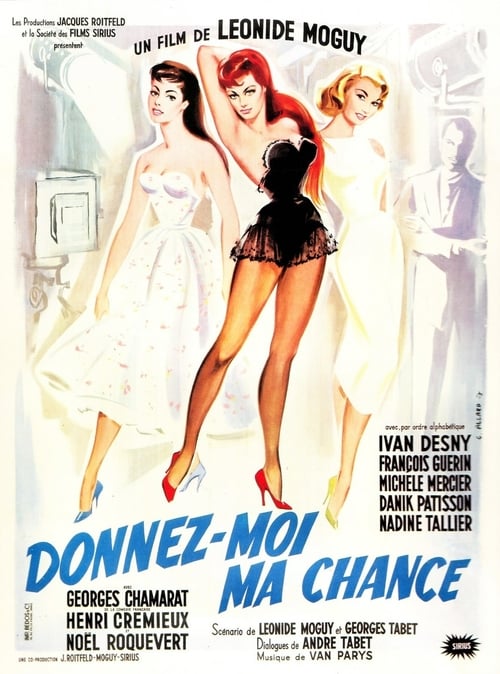
17 year-old small-town girl Nicole Noblet comes to Paris dreaming of becoming a world-famous actress.
Give Me My Chance

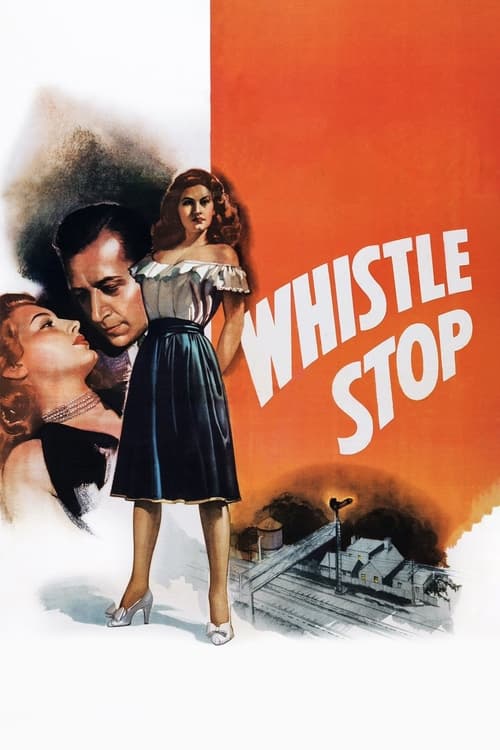
When beautiful Mary returns to her "whistle stop" hometown, long-standing feelings of animosity between two of her old boyfriends leads to robbery and murder.
Whistle Stop

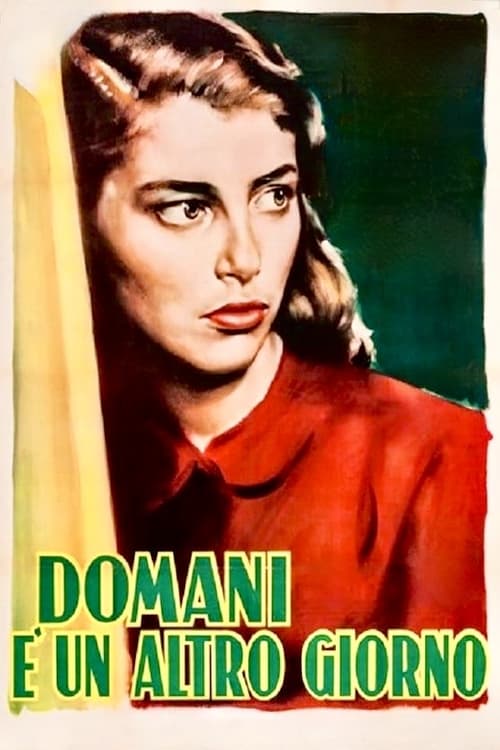
A doctor rescues a young woman who is about to throw herself into the river and takes her to the hospital. The woman learns of three very sad stories revolving around suicide.
Tomorrow Is Another Day

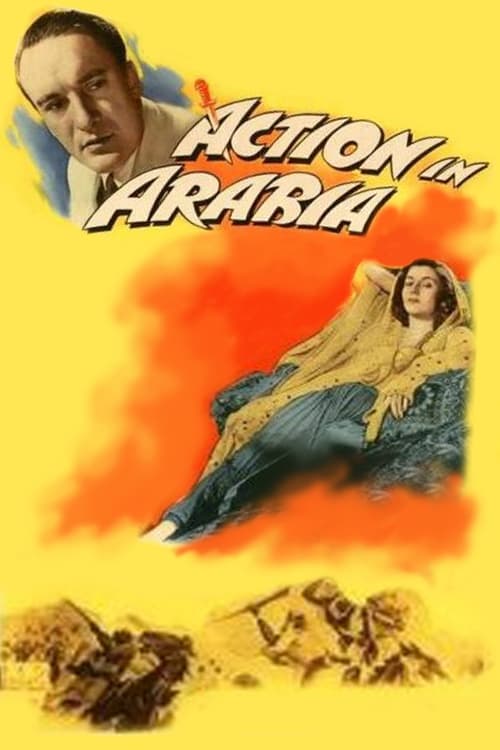
Reporter Michael Gordon uncovers intrigue in Damascus, where the Allies and Nazis struggle for control of Arab sympathies.
Action in Arabia

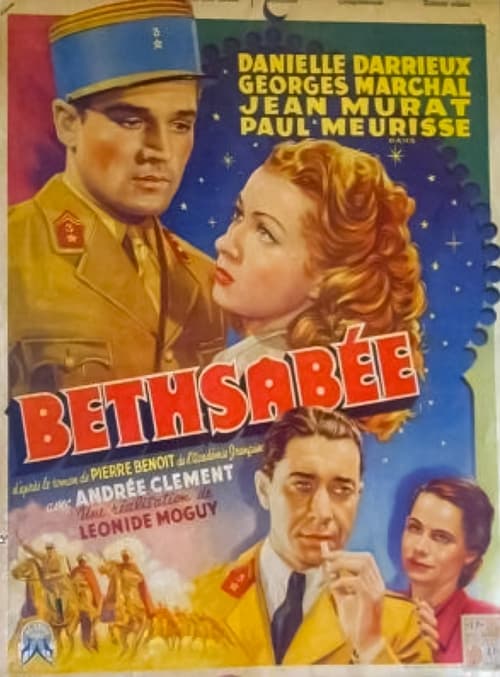
Danielle Darrieux stars as Arabella Delvaire in this baroque adaptation of Pierre Benoit's novel Bethshabee. Arabella is a woman of the world who arrives at a remote Foreign Legion outpost for a rendezvous with her current lover, Captain Duveuil. It so happens that one of Arabella's previous amours, Captain Somerville (Paul Meurisse), is also serving at the same post. So much for joining the Foreign Legion to forget. A climactic knife duel "solves" the film's various plot complications. Despite its Foreign Legion background, Bethsabee has next to no action, which must have made things difficult when the film was distributed to the U.S.
Bethsabée

A country girl finds work as a chorus girl in Paris, gets embroiled with a bad egg, and then finds true love with a good-looking milkman.
Divine

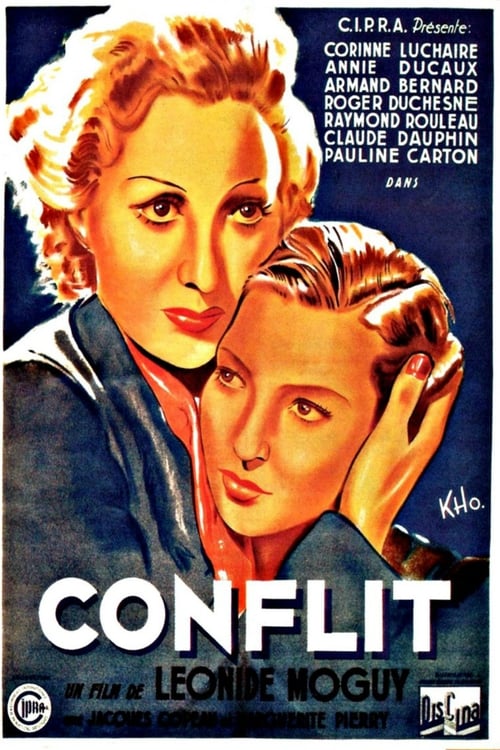
Claire Buisson becomes enamored with Gerard and soon afterwords she becomes pregnant. Gerard advises her to abort the child but, at the last moment, Claire decides to keep her child and leaves for her sister's place in the province.
Conflit

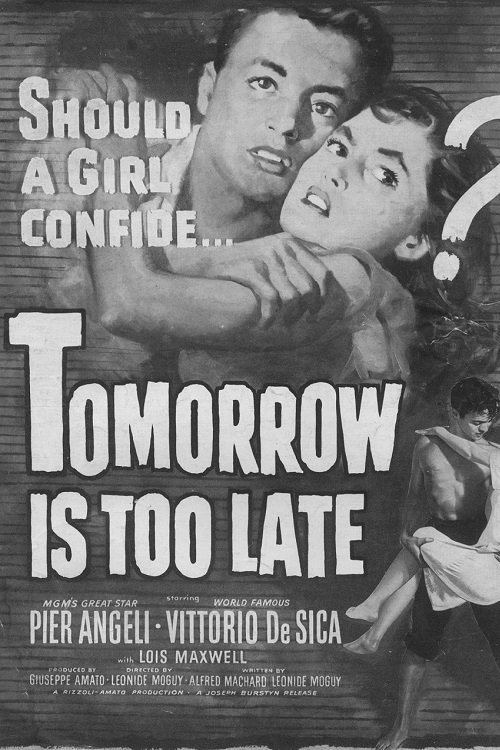
Progressive schoolteachers Landi and Anna have a profound influence on two of their young students, Mirella and Franco. The two kids are enamored with one another and decide to experiment with some of the knowledge they've gleaned in the classroom.
Tomorrow Is Too Late

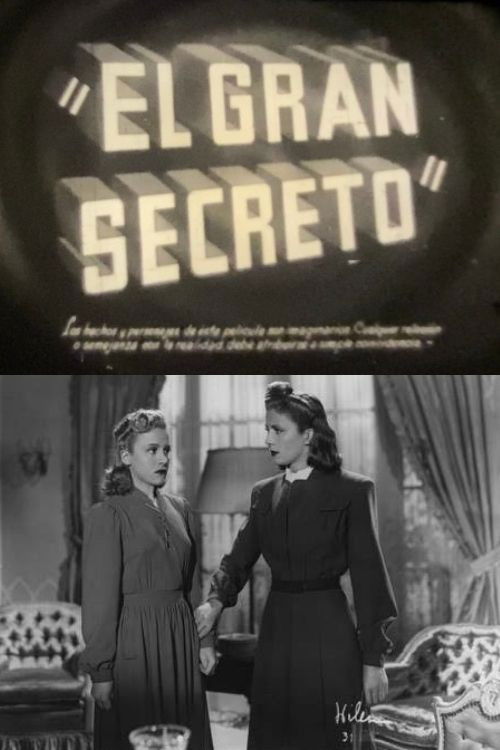
A meteorologist's wife hurts her sister so she won't reveal who the real mother of her child is.
El gran secreto

Considering his wife as his property, a smuggler bullies the unfortunate woman and does not allow her to turn to another man.
Two Women

Andre Marbel is the upper-class doctor who is able to continue his practice above suspicion even though he is a leader in the French Resistance. His nurse supports his activities, but her Nazi-brainwashed husband provides the tension.
Paris After Dark

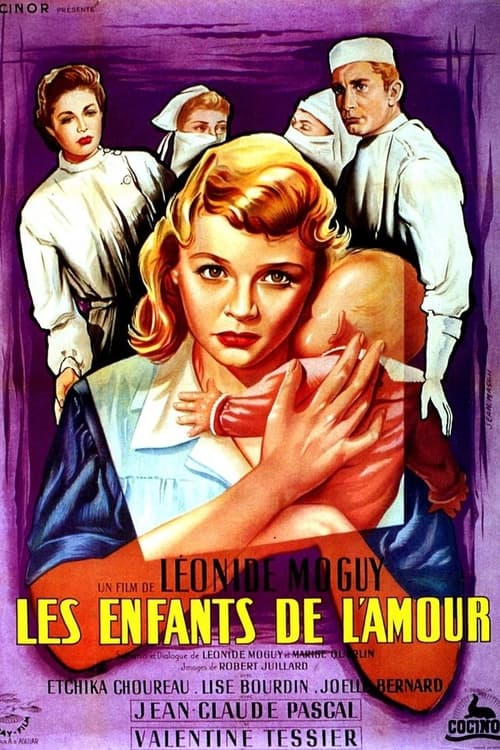
In a maternity hospital, young single mothers are accompanied by social worker Hélène Lambert, who tries to make them aware of their new responsibilities, while Dr. Baurain stresses the importance of their moral and sexual education. They come to the aid of several young women: one who would like to give up her child to a couple applying for adoption, another who, after the death of her first baby in dramatic circumstances, is expecting a second, and many others.
Children of Love

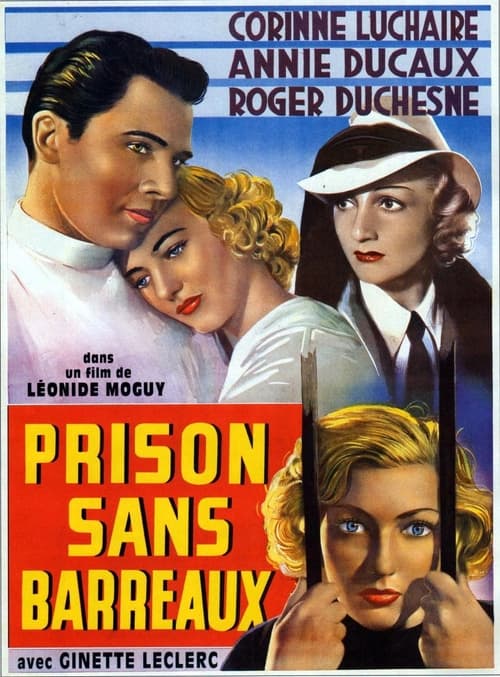
In a state correctional institute for teenage girls, Madame Appel, the superintendent, rules with an iron fist. The State appoints thirty-year-old Yvonne to evaluate the situation. The young woman is convinced that the girls should feel wanted rather than be constantly subdued and is accordingly determined to make Madame Appel change her methods of education.
Prison Without Bars

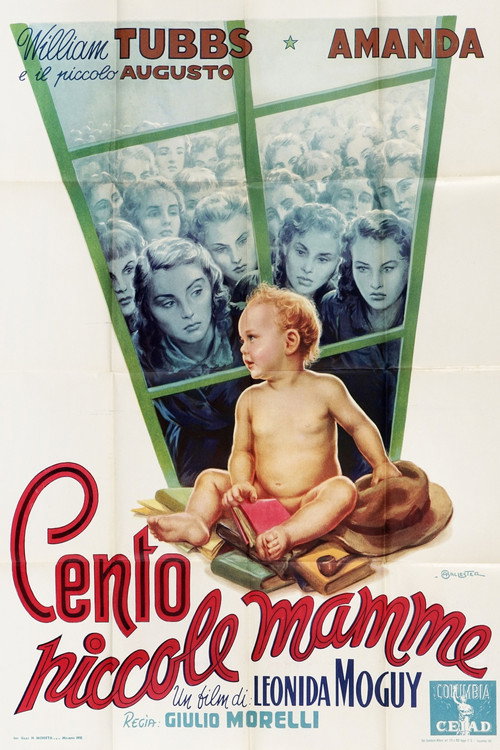
After finding and adopting a child, a man gets a job at an all-girls school which doesn't allow families. Once the girls find the baby, they become his forty little mothers. At the same time, the child's true mother searches for him.
Forty Little Mothers

No description available.
100 Little Mothers
Chénérol, a wealthy merchant, one day discovers that his wife is having an affair and that his nephew is playing with him. Indeed, the latter, Théodore, does not work but earns money by using a few dirty tricks.
Theodore and Company

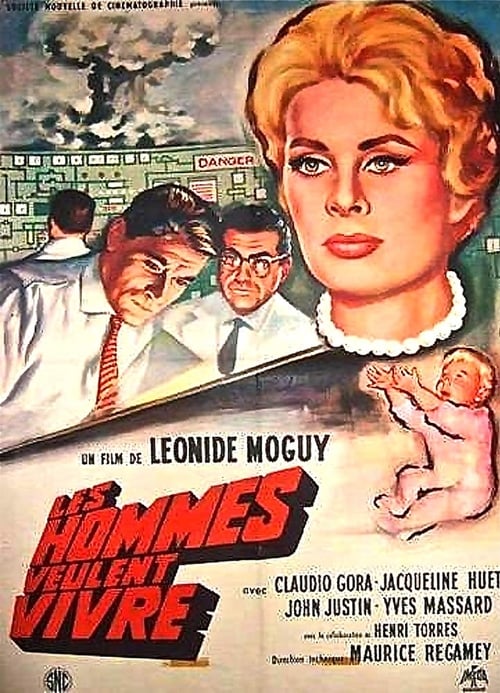
Professor Chardin has just killed a man. Before calling the police to turn himself in, he burns some leaves and a notebook in the fireplace. Secret agents in the street with listening devices flee when the police arrive. The professor refuses to be defended by a lawyer and to explain himself, but his friend Professor Carter and his wife come to his support and he agrees to explain his crime of inventing the H-bomb, the secret of which was stolen from him by his collaborator Rossi at the very moment when he had given up his research, convinced by Albert Einstein's pacifist plea and other personal circumstances.