Writing
Mystery novelist.
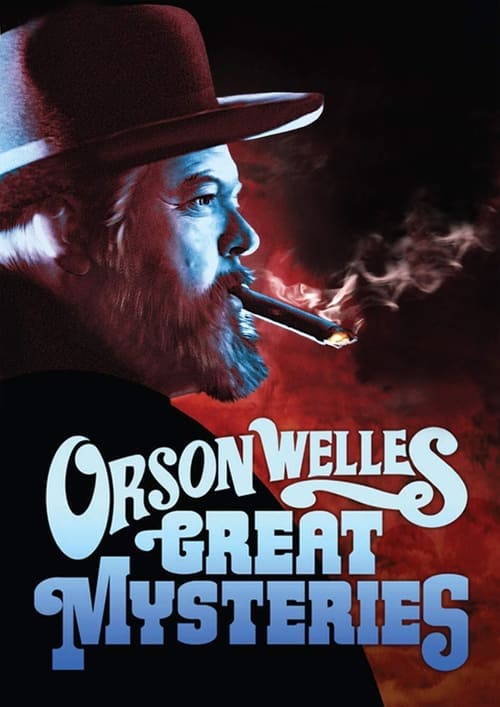
Orson Welles’ Great Mysteries is a British television anthology series produced by Anglia Television for the ITV network and broadcast between 1973 and 1974. The series presents standalone adaptations of classic mystery, crime, and supernatural stories drawn from literary sources including Dickens, Conan Doyle, Wilkie Collins, Balzac, Maugham, O. Henry, and others. Each episode is framed by original introductory and closing sequences performed by Orson Welles, who serves as the series’ host and sole recurring on-screen presence. These segments, written and directed by Welles (uncredited), function as stylized narrative framing devices rather than dramatic participation in the stories themselves. The dramatic content of each episode is performed by separate casts and directors, with no continuing characters or serialized narrative, establishing the series as a unified television anthology rather than a collection of standalone films.
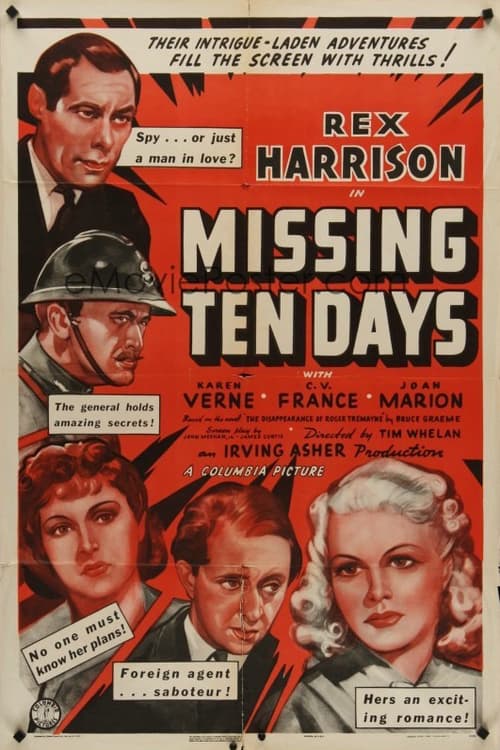
Bob Stevens awakens in a hospital with a gunshot wound to his head, and is told that he has been in Paris for ten days. However, this cannot be true because he insists that he crashed his plane and has no recollection of being anywhere for ten days. Bob decides to follow a note found in his jacket, to the woman who wrote it, "Miss D", and get to the bottom of the whole strange situation.
Four types of visual interpretation of four songs by Karol Szymanowski. Polish words by Julian Tuwin, English translation by Jan Sliwinski.
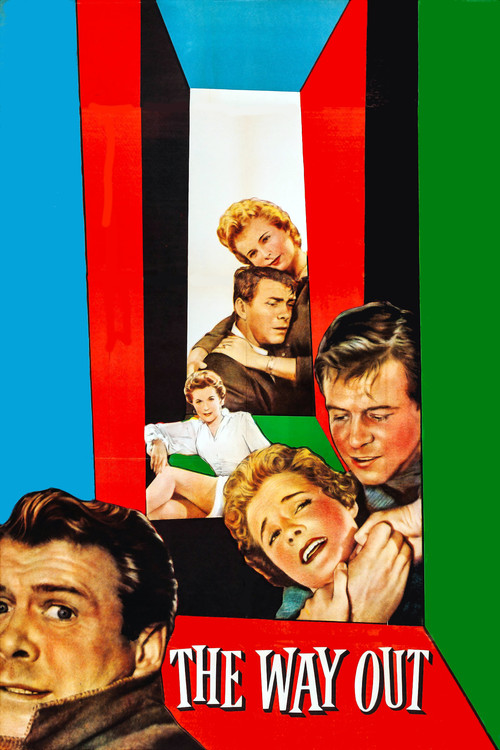
A man tells his wife that the police are after him for having killed a bookie during an alcoholic binge, but that he is innocent and is being framed for the murder. The wife and her brother hide him and try to find out who the real killer was. The more they investigate, the more holes they begin to find in the husband's story.
British crime film directed by Ralph Ince
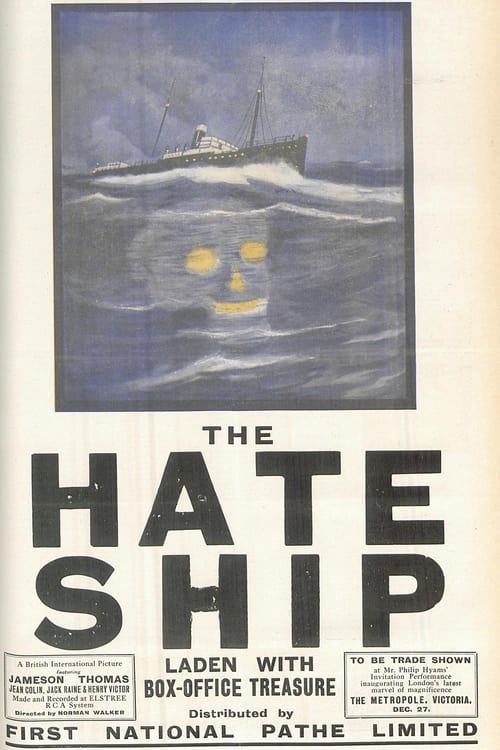
A police captain poses as the valet of a friend who has been invited on a yacht cruise by a notorious schemer, whom the friend is afraid wants to murder him.