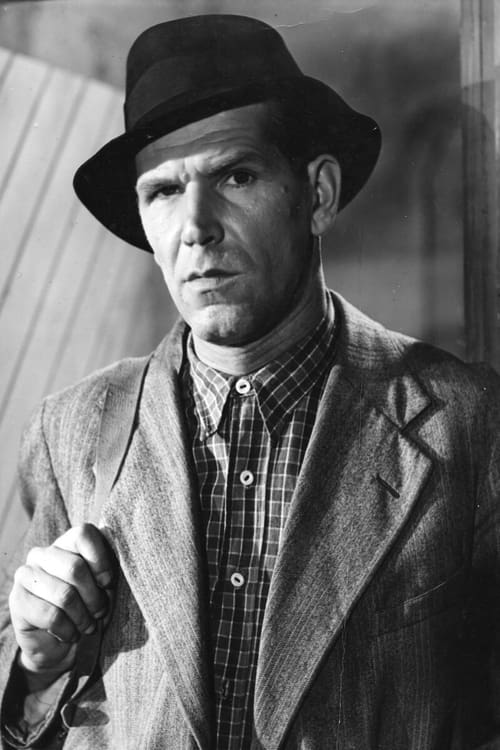
Reino Helismaa
Writing
Known For
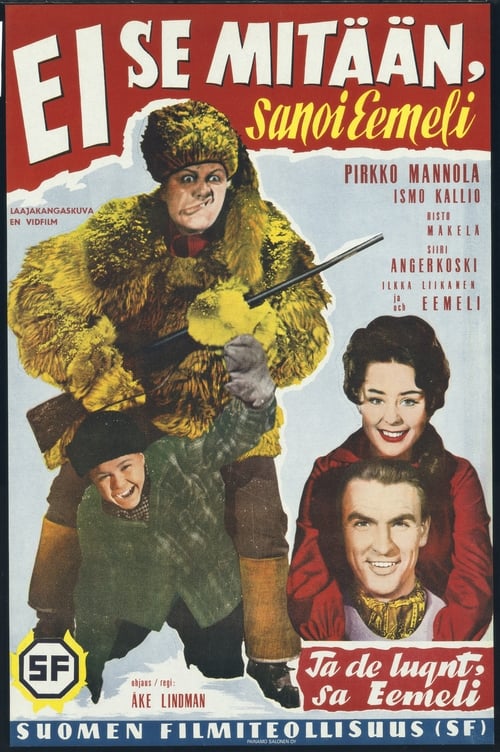
At Pösökylä's lodge, Taneli injures her leg in fur hunter Eemel's wolf irons, and Eemeli decides to take up the position of lodge lodge. During the leave of office, Eemeli gives lessons to the rich Petter who rules the village and arranges the engagement of his daughter Ilona to the blacksmith Ilmar. At the same time, the affairs of the coffee bar owner Bertta are also put in order and the prisoner escaper Luukas is caught.
"Ei se mitään!" sanoi Eemeli
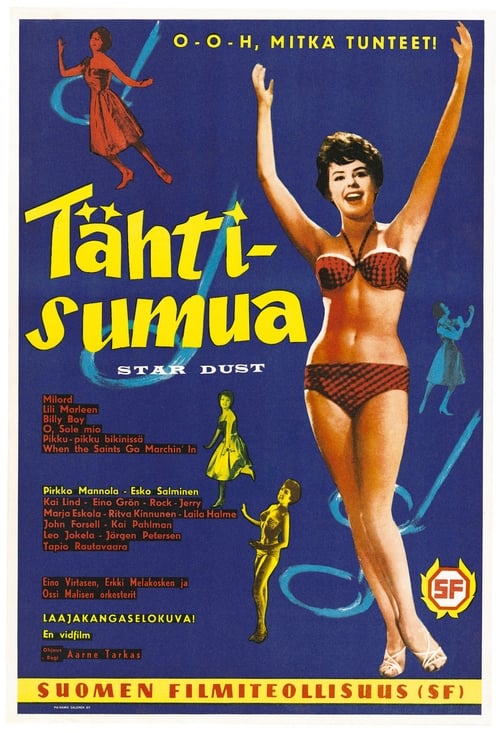
Pirkko Mannola and Esko Salminen play young pop stars of the same name, who develop a secret romance that is kept hidden from the other musicians in the pop orchestra. Between musical scenes, Pirkko introduces Esko to Ville Salminen, Toivo Kärki, and Reino Helismaa, among others, and gets him a spot in a big pop music show.
Tähtisumua
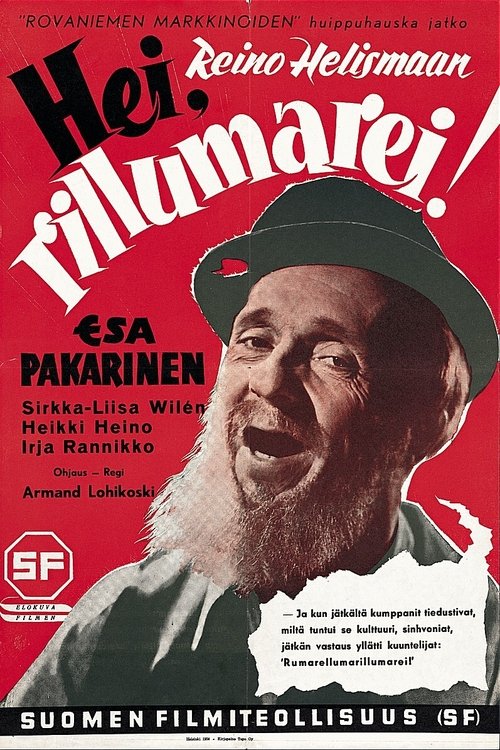
Traveler Severi travels to Helsinki to enjoy some culture, where he meets Sinikka and Simo, who run a buying and selling business. At a customs auction, he buys a painting that businessman Kehveli and his assistants also have their eyes on.
Hei, rillumarei!
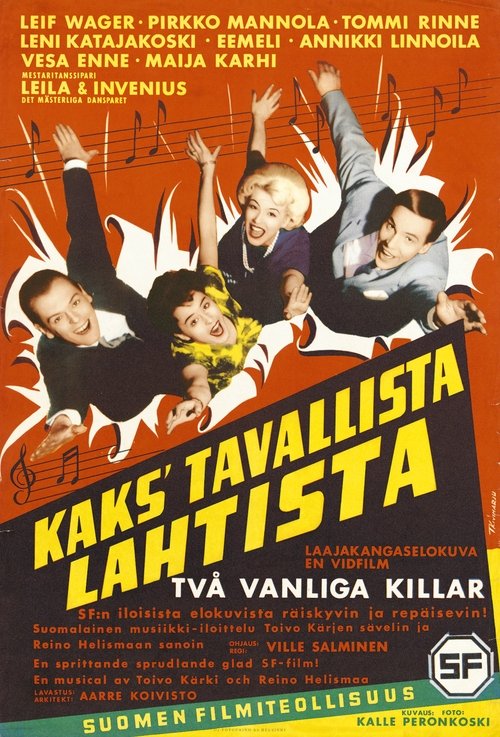
The musical comedy tells the story of two friends about Usko and Toivo, both of whom happen to have same surname, Lahtinen.
Kaks' tavallista Lahtista
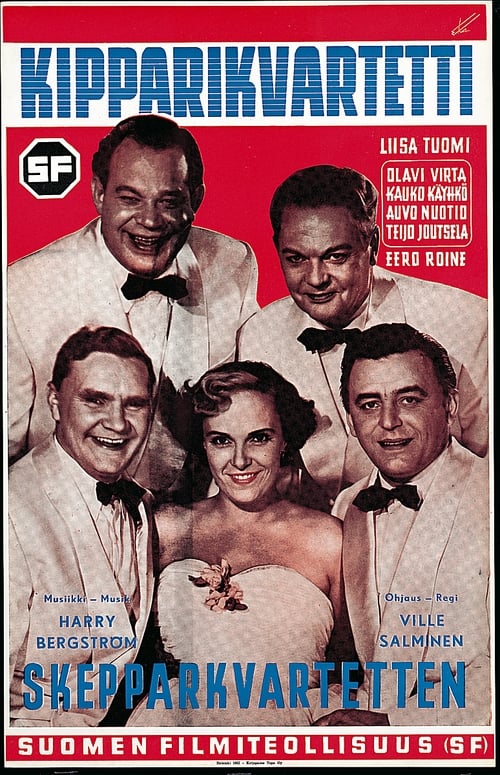
Composer and program director Harri forms a quartet, recruiting Apon, Teika, Kauko, and Olli as members. Based on an idea from Olli's beloved Raija, the ensemble is named the Kipparikvartetti.
Kipparikvartetti

Factory manager Risto Järviö is under his mother's thumb. When his mother forbids him from dancing with factory girl Seija Vaara, Seija decides to make anonymous phone calls to Risto to annoy his controlling mother. Risto falls in love with the voice on the other end of the line and begins to make major changes in his life.
Minä soitan sinulle illalla
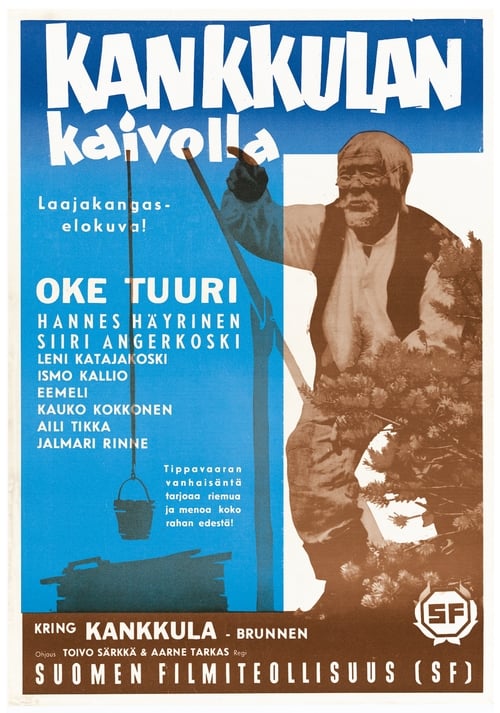
A radio reporter from Helsinki arrives in the village of Kankkula just before Midsummer to conduct interviews. The old sheriff demands that his nephew Lauri, who serves as the village policeman, continue the generations-old tradition of arresting the old master of Tippavaara, whom the sheriff believes to be brewing moonshine. However, Lauri is in love with the old man's niece Leena, and the couple's plans to get engaged conflict with Lauri's duties.
Kankkulan kaivolla
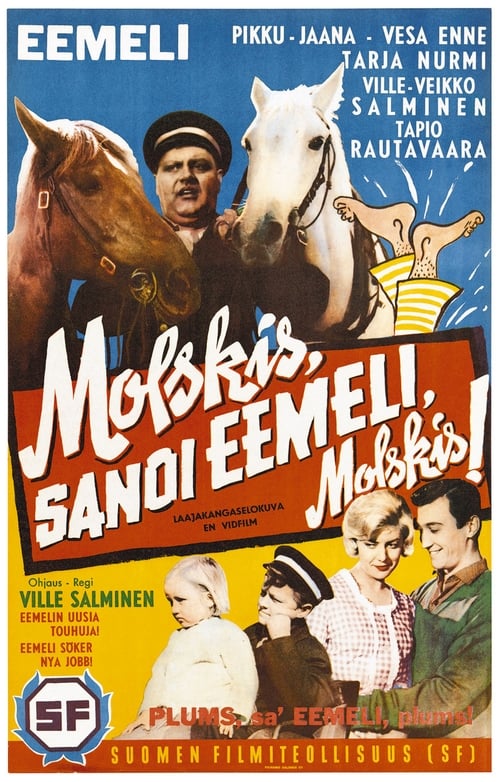
Eemeli leaves the countryside for Helsinki to obtain tax money for the bailiff who is pursuing him. In the capital, he becomes the assistant driver of Andersson, a cab driver. One night while driving, Eemeli meets Vesa and his little sister Jaana, whom Andersson and his granddaughter Katriina take into their family as foster children.
Molskis, sanoi Eemeli, molskis!
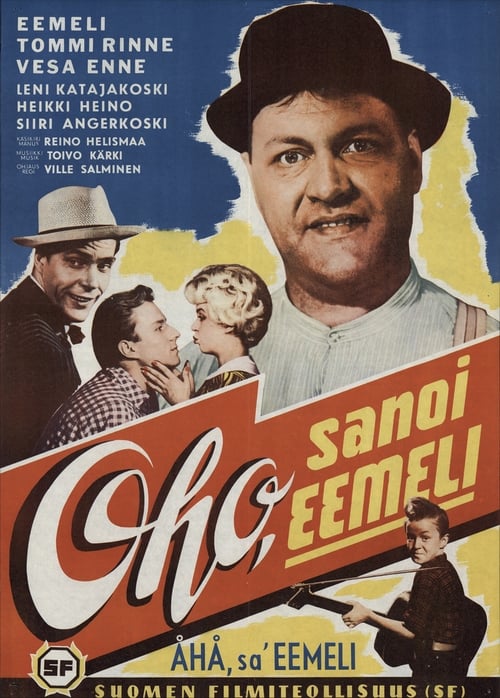
Eemeli, a lazy farm boy, is sent out into the world by his parents due to poor potato harvest forecasts. On his way to the logging camp, he meets Tommi, a man from Helsinki who sells razors and is headed to the same destination. At the logging camp, the loggers and Eemeli perform several musical numbers and flee from Isabella, the cook, who is hungry for men.
Oho, sanoi Eemeli
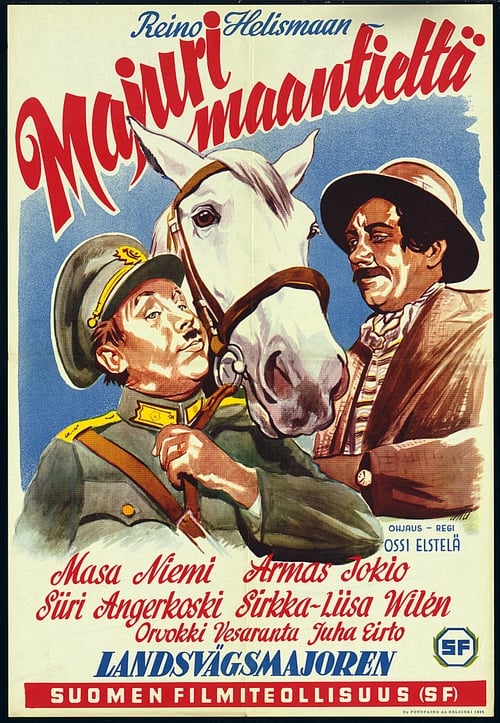
Masa, a drifter, meets Pikku-Aleksi, whose wife Jenny has just left him penniless on the side of the road. In their search for food, the friends end up at an army barracks, where Masa is mistaken for Major Pikkarainen, who has come for an inspection.
Majuri maantieltä
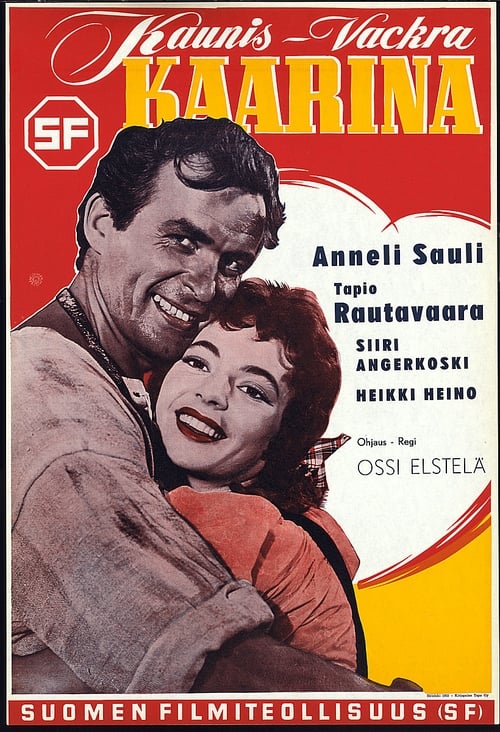
Kaarina, an orphan girl raised by Taneli, the innkeeper, notices that her friendship with her childhood friend Antti is turning into romance. Henrik, the patron, also has his eye on Kaarina.
Kaunis Kaarina
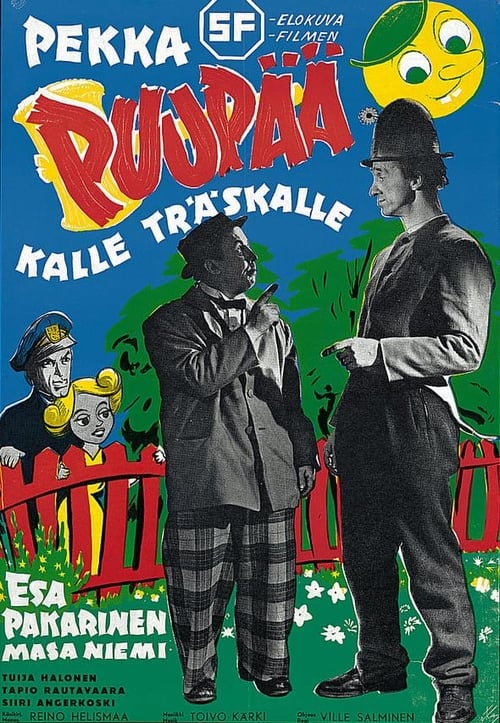
Pete and Runt set up a kindergarten at their home, and unknowingly end up taking care of a kidnapped baby.
Pekka Puupää
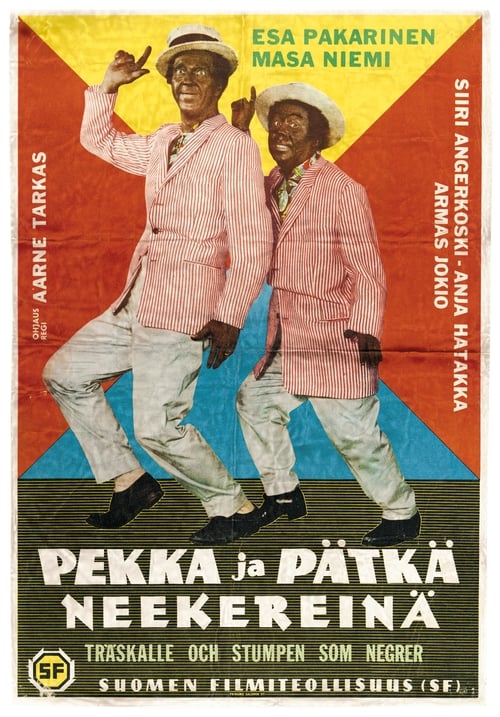
Pete and Runt misinterpret the messages of a career choice machine and try to create a career as African dancers.
Pekka ja Pätkä neekereinä
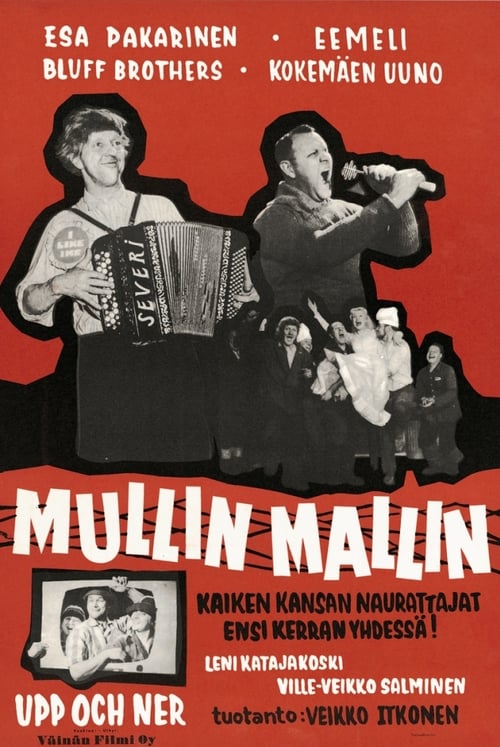
An idle work crew is ordered to go and heat up an abandoned house before it is demolished. A road sign pointing in the wrong direction leads them astray, and the men end up at an empty hotel, where they begin a program of evening entertainment led by Severi Suhonen.
Mullin mallin
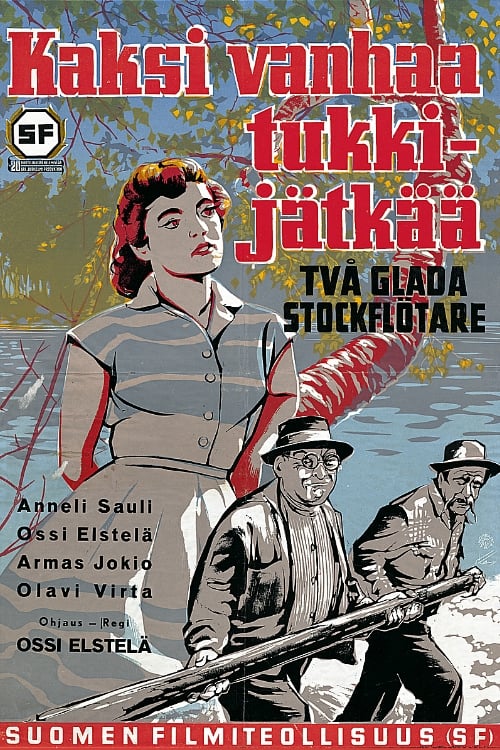
Overworked industrialist Daniel escapes the hustle and bustle of high society to his old workplace at the Akkakoski log floating site. Working under a pseudonym, he befriends Moterni-Jaska, the oldest member of the loggers' group. His daughter Elisabeth follows in her father's footsteps by signing up as a camp cook and soon finds herself falling for Kari, the foreman.
Kaksi vanhaa tukkijätkää
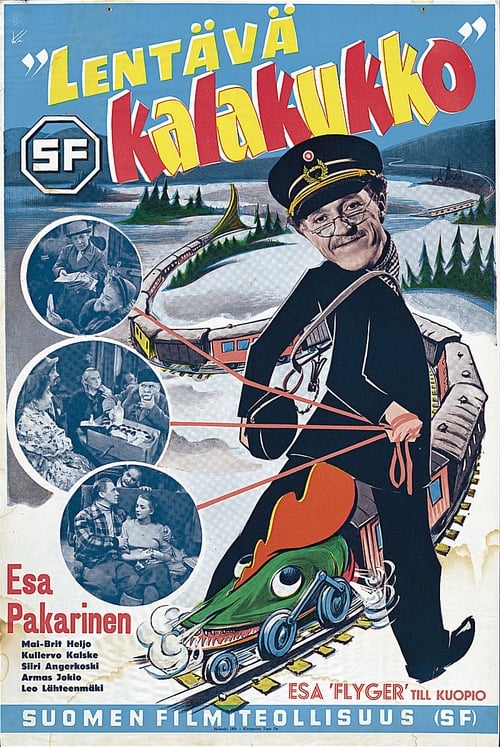
After a robbery, a gang of bandits led by Kulaus-Ramperi flees Helsinki on the Kuopio express train "Lentävä kalakukko" and tries to hide in the crowded train filled with music and singing. The cheerful conductor Saastamoinen protects the motley crew traveling on the train.
Lentävä kalakukko
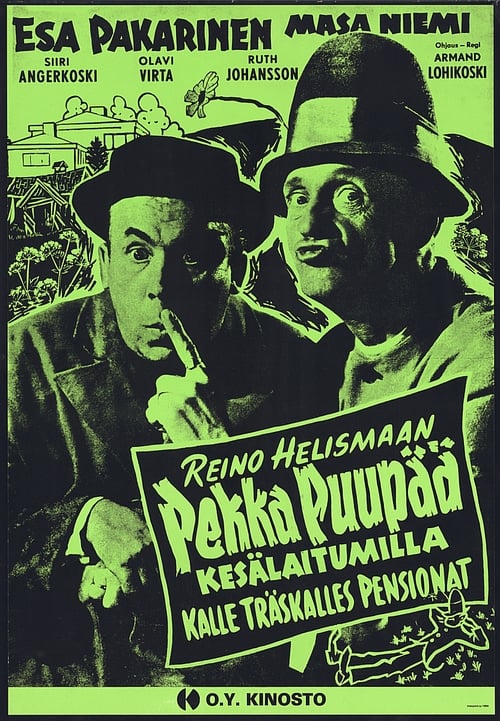
Pekka is given the task of renting a summer place, but real estate agent Aadolf Muikku tricks him into buying a villa.
Pekka Puupää kesälaitumilla
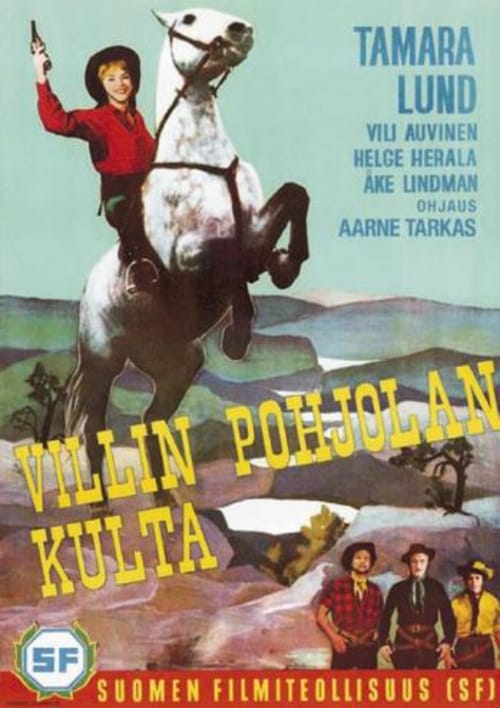
A western set in the "Wild North". The Vornan brothers Joel, Tommi, and Kai are framed for the robbery of a gold-laden carriage and the murder of its drivers. Behind the accusations are Kristo, the saloon owner, and Markus, the bank manager, who wants to marry Karin, the daughter of Jäära, the richest man in the north.
Villin Pohjolan kulta

Coal miner Esaias Coolman returns to Finland from his working years in America.
Lännen lokarin veli
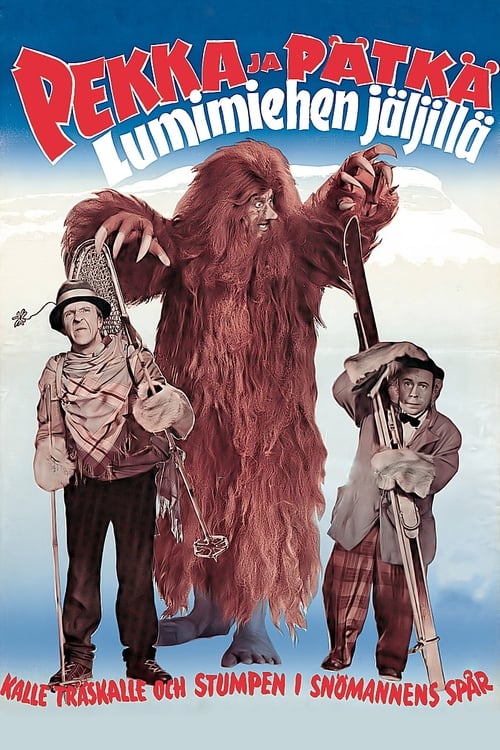
Pete and Runt travel to Lapland to hunt the snowman in the hope of a cash reward, and take Justiina along as a bait.