Directing
Analog video by Sylvère Lotringer. Extended conversation between two dominatrixes, a younger American woman and an older French woman (Catherine Robbe-Grillet, writer and wife of Alain Robbe-Grillet).
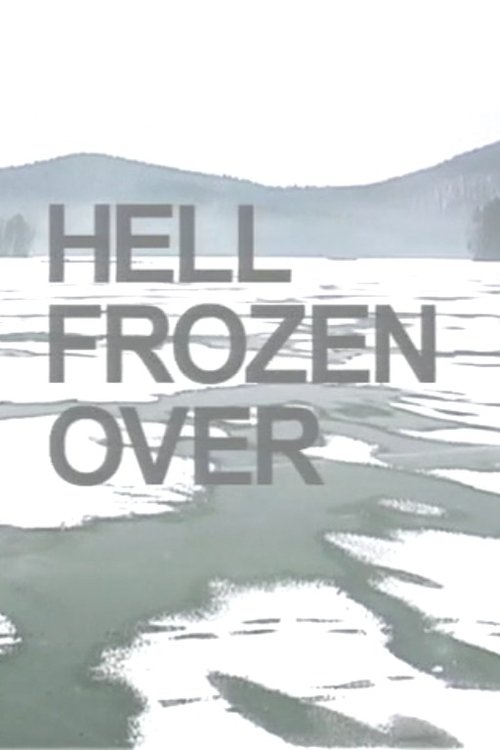
Bernadette Corporation describes this work as "A fashion film about the poetry of Stéphane Mallarmé and the color white." Produced for the 2000 Walker Art Center exhibition Let's Entertain, this short film employs a range of strategies to approach the idea of nothingness, emptiness, and vacuity, with an eye to how these notions relate to contemporary mass-cultural entertainment. Juxtaposing "documentary" takes on a fashion shoot with footage of semiologist Sylvère Lotringer giving an impromptu lecture on Mallarmé on a frozen lake, Hell Frozen Over maintains an ambiguous stance from which to both critique and celebrate the power of surface.
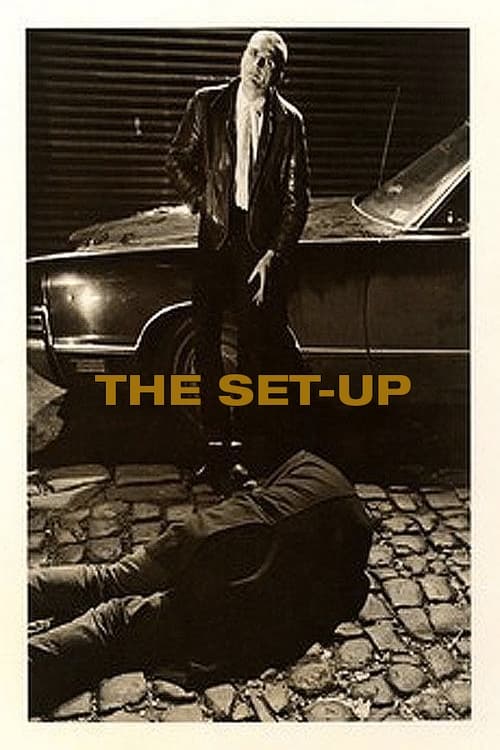
The Set-Up is Kathryn Bigelow's student film at Columbia about the exploration of 'why violence in cinematic form is so seductive'. It featured two men beating each other to a pulp in a dark alley, while two professors analyzed the philosophy of it all on the soundtrack.
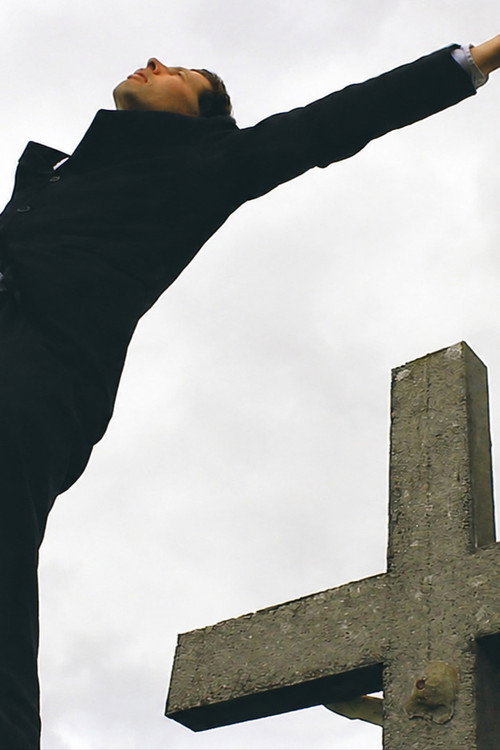
In 1937, having just returned from Mexico, and a failure on the stage, playwright and theater director Antonin Artaud embarked for Ireland on another mythical journey. Though finally cured of his lifelong drug addiction, he was nevertheless broke, alone, and unable to speak English. Lotringer’s film is a gripping docufiction about this period in Artaud’s life, focusing in particular on the ten days he spent on the stark Aran Islands before he became delirious and was sent back to France in a straightjacket. THE MAN WHO DISAPPEARED was shot on location on the spectacular Island of Inishmore from 2014-15.
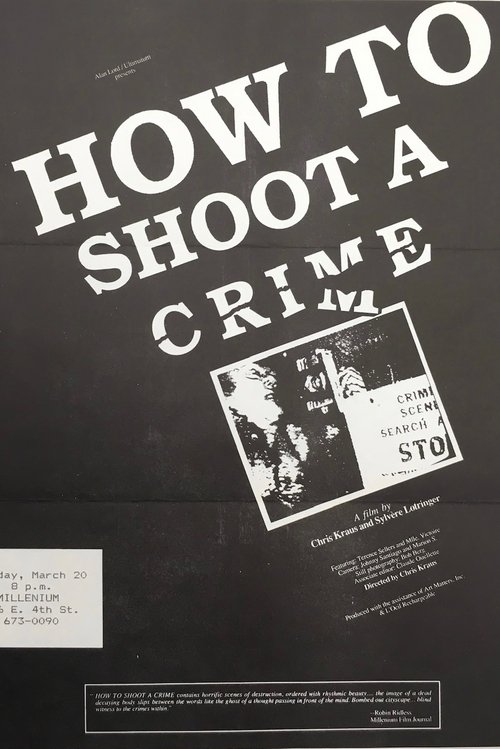
In How to Shoot a Crime, Chris Kraus constructs a quasi-documentary with police crime footage, interviews with two dominitrices, and an ersatz mystery sub-plot. Sadomasochism finds its analog in a “plot” where gentrification and crime documentation are two versions of aestheticized death.
A short film recounting an episode in in the life of Antonin Artaud.
Explores some of the most innovative attempts by contemporary artists, filmmakers, architects etc to explore multiple Temporalities and to counter the uniform sense of time promoted by our technology-driven society.
The found-footage collage was overlaid with a psychologist expounding on sex offenders, analog video effects, edgy graphics, and a new wave score by the band Human Sexual Response.