Kersti Kreismann
Acting
Biography
Kersti Kreismann (born January 25, 1947) is an Estonian actress. Kreissmann graduated from Kilingi-Nõmme High School in 1965. From 1965 to 1968, she studied Estonian philology at University of Tartu. In 1972, she graduated from the Tallinn Conservatory (now, the Estonian Academy of Music and Theatre), studying acting under instruction of actor and theatre pedagogue Voldemar Panso. Among her graduating classmates were Tõnis Rätsep, Ivo Eensalu, Vello Janson, Rein Kotkas, Helle Meri (née Pihlak), Katrin Kumpan, Martin Veinmann, and Juhan Viiding. Afterward, she began an engagement as an actress at the Estonian Drama Theatre. Kreismann has played in radio drama, television broadcasting and TV series (Laxons 1993-1995, M Club 1996-1998, Home in the Middle of the City from 2003). She has also acted in films (for example, Christmas in Vigala in 1980). In October 1980, Kreismann was a signatory of the Letter of 40 Intellectuals, a public letter in which forty prominent Estonian intellectuals defended the Estonian language and protested the Russification policies of the Kremlin in Estonia. The signatories also expressed their unease against Republic-level government in harshly dealing with youth protests in Tallinn that were sparked a week earlier due to the banning of a public performance of the punk rock band Propeller. Kreismann is the mother of actor Andres Raag.

Known For

A group of women create an organization named "Kättemaksukontor" to fight for the rights of women and help solve murder mysteries for the police.
Revenge Office

On Christmas Eve, the residents of Peace Avenue discover that there are military guards in front of their houses. Soon they have to start showing their passports when entering their homes. The residents are told by the authorities that in order to keep the peace they have to be ready to co-operate. It is an order and people stick to it. It is heard that the foreign troops will leave when the snow will be gone - so it won't be long until the everyday life will be normal again. When spring arrives, not only the snow disappears but also lots of residents. Those who stay will look forward to the Midsummer Day.
Peace Avenue

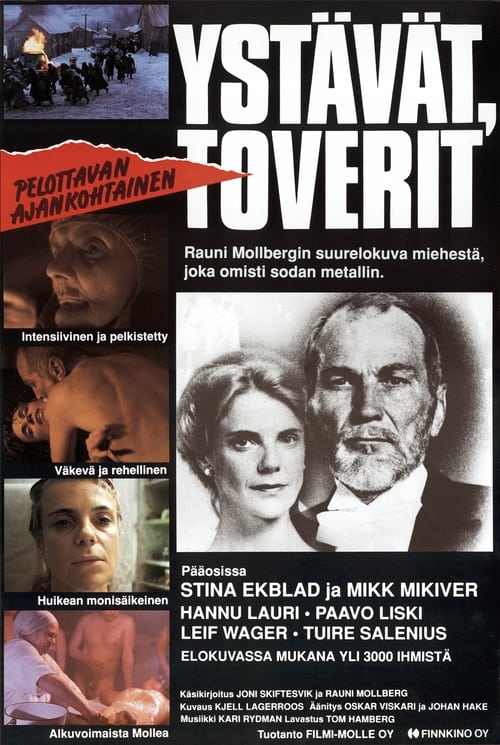
The boisterous good humor of Jurmala, the nickel-mine owner, is, if anything, only barely dented by the raging battles in Finland before, during and after World War Two. In fact, everywhere he goes, he meets prospective customers on all sides of the conflict with his all-inclusive greeting "Friends, Comrades." Indeed, the resource he is wrenching from the earth's bowels is necessary to all forms of industrial activity, and is especially necessary for military applications. Thus, he has no reason to fear that he will ever run out of customers. This doesn't prevent him from using every possible means to entice them. At home, his relationship with his wife is not so prosperous, and they resort to some extraordinary means to try and keep on an even keel.
Friends, Comrades

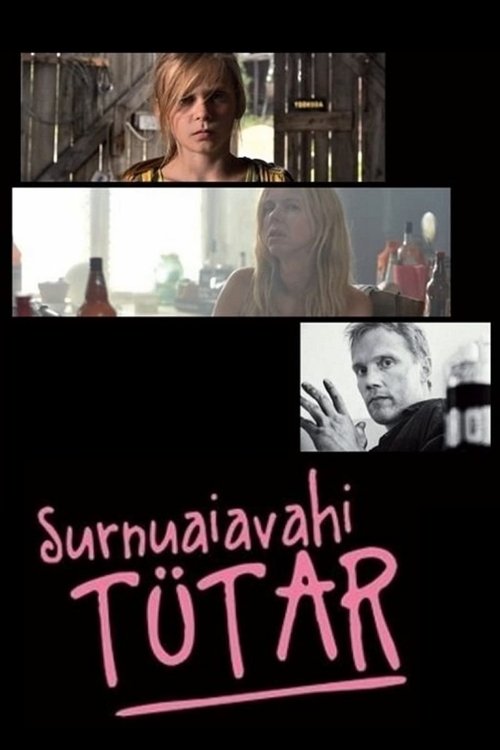
A snapshot of one segment of Estonian present-day life, shown through the eyes of a child: 8 years old Lucia is leading a jolly and naughty Pippi-Longstocking-style life in a small town in Estonia. Her father Kaido, a graveyard keeper, can hardly provide for the family, her mother Maria is a drunk. Then the family receives an unexpected invitation to spend a week in Finland, in the house of the female pastor Sipra. This week will change everybody's life in unexpected ways...
The Graveyard Keeper's Daughter

A lot has happened in a quarter of a century, but the Salmons have remained who they were - Estonia's first family, who have been viewed with both admiration and quiet envy. Viewers of the former series remember how well the Salmon family was able to make money. Now they have secured an even more powerful position in the society, because Ella Salmon has become the President of Estonia.
The Salmons: 25 Years Later

The Christmas of 1905 in Vigala is not a peaceful holiday. The manor house has just been pillaged during the peasant's revolt; the air is full of smoke of fire and there is the premonition of inevitable punishment. Bernhard Laipmann is a tenant farmer whose wife is asking him to leave home since her husband keeps drawing the attention of the authorities. Having doubts about leaving, Laipmann is inspired by endeavouring towards freedom and equality and alarmed by the violence of the revolution.
Christmas in Vigala

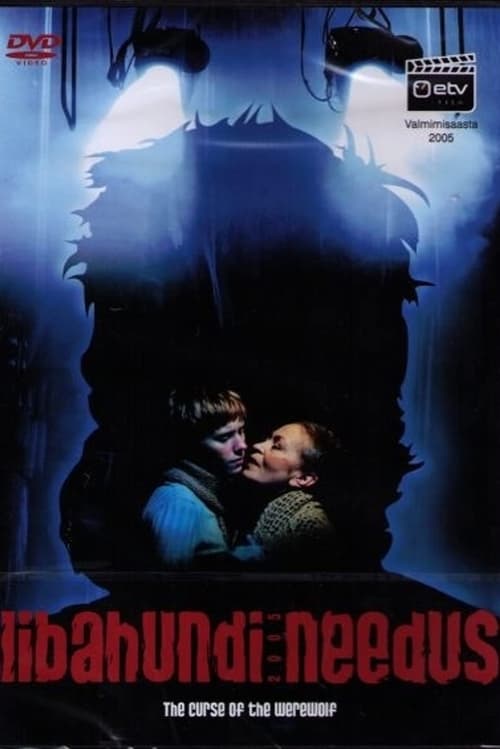
Liina is a young actress at Vanemuise Theatre who gets Tiina's part in the new, postmodernist version of the play "Werewolf" by August Kitzberg. The theatre is haunted and the rehearsals seem to be cursed, artificial blood becomes real blood. The play won't be complete before the murder mystery is unsolved - and Liina is being taken back to the old theatre legends and intrigues of the past century.
The Curse of the Werewolf

The last film directed by Kaljo Kiisk has been dedicated to theatre and the people in theatre. You are entering the hectic world of musicians, zanies and jesters - and don't expect to hear a symphony but a single delicate sound of a flute.
Prompter

In the midst of the political upheaval of the early 1990s in Soviet Union, an Estonian girl and a Russian boy reach across cultural lines to unite over a shared bottle of American soda.
Three August Days

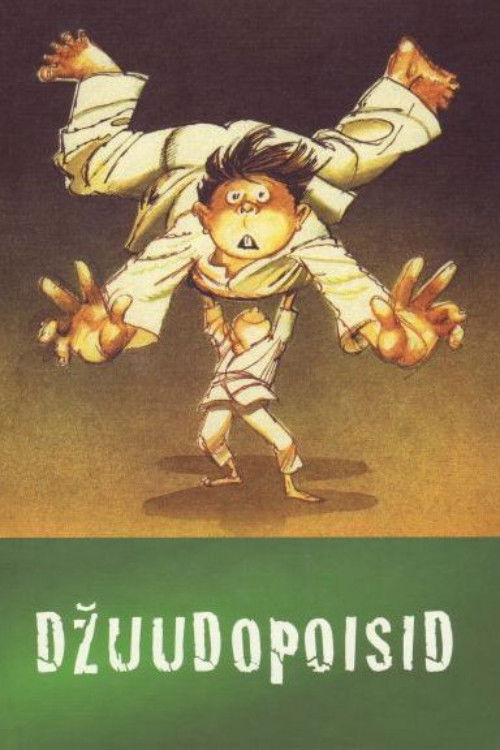
Estonian tv movie adapted from a children's novel.
Judo Boys

The graduates of a small town are on tenterhooks - the finals will be soon over and the young people will start lives of their own. They don't know what to expect - the school has taught them one thing, their parents something else, and the town shows them something completely else. There is something complicated between Kalle and Inna and eventually their relationship will end up in a mess. The relationship between Siim and Evi seems to be fine but even they will face misunderstandings. During the last weeks at school the love, faith and expectations of the graduates are put to the test.