Josef Císařovský
Directing
Known For
No description available.
Největší Čech
No description available.
Obrazy pražské periferie
No description available.
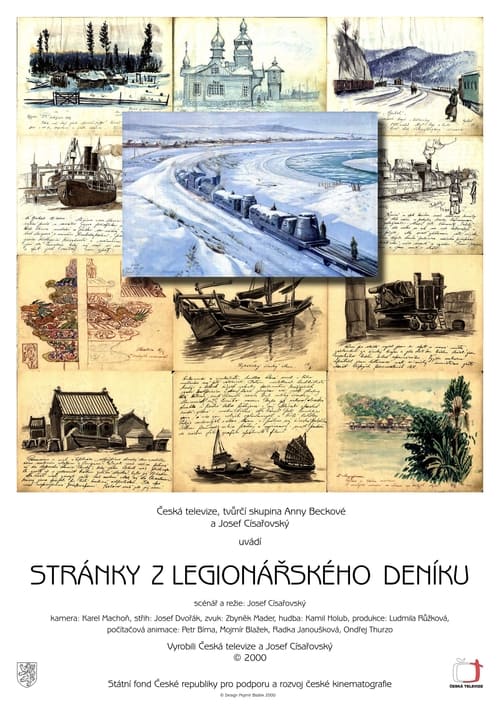
Stránky z legionářského deníku
No description available.
Něco lehčího
The trial of Alfred Plock differed from previous trials in that it did not have an explicitly political background. A group of engineers from the Ministry of Post, Industry, and Standard Electric were charged solely because they wanted to implement a revolutionary technological innovation and turn Prague into the headquarters of a new pan-European telecommunications system. Among other things, they wanted to enhance their country's prestige on the international stage. However, it was precisely this intention that aroused the suspicion of the security authorities and Soviet advisers. They therefore decided to take decisive action.
Sny o tátovi
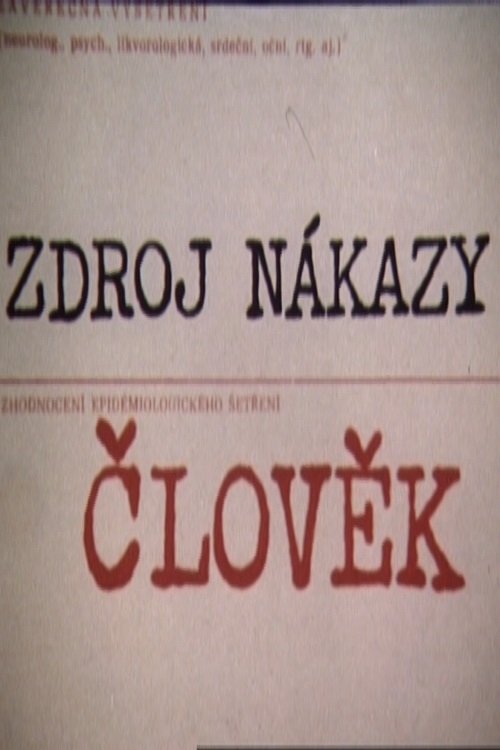
Adopted from the CSSR, the surreal film deals with the increase in sexually transmitted diseases, especially among young people between the ages of 18 and 25, and presents the problem of sexually transmitted diseases.
Zdroj nákazy: Člověk
No description available.
Chceš zabít?
No description available.
Mapa míst svatých a klatých
No description available.
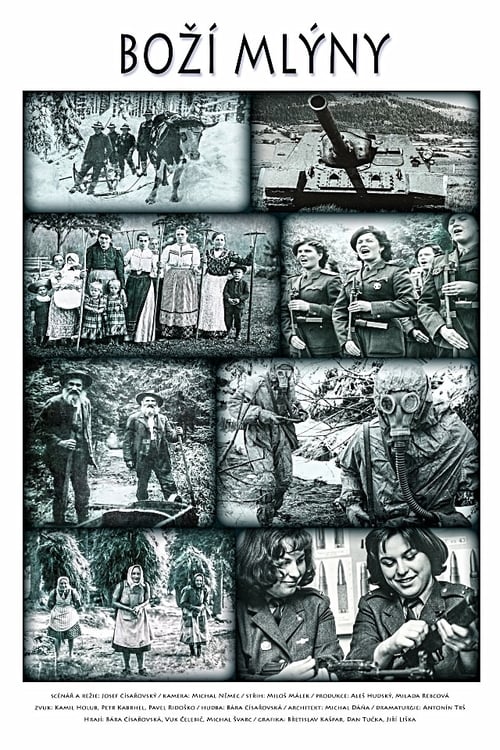
Boží mlýny
No description available.
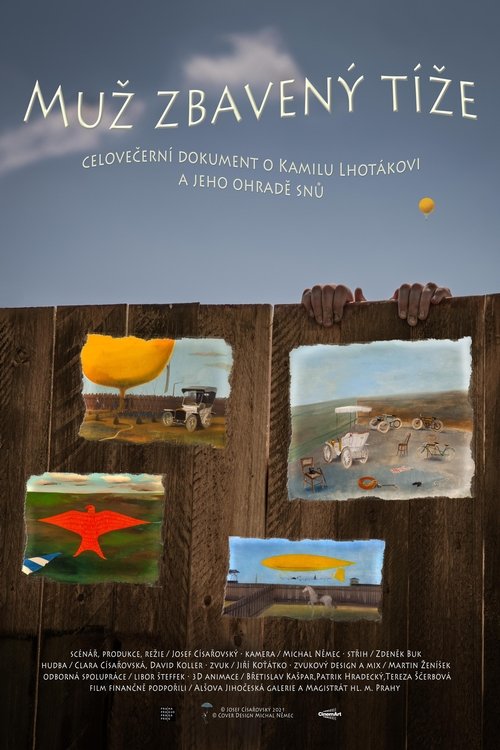
Muž zbavený tíže
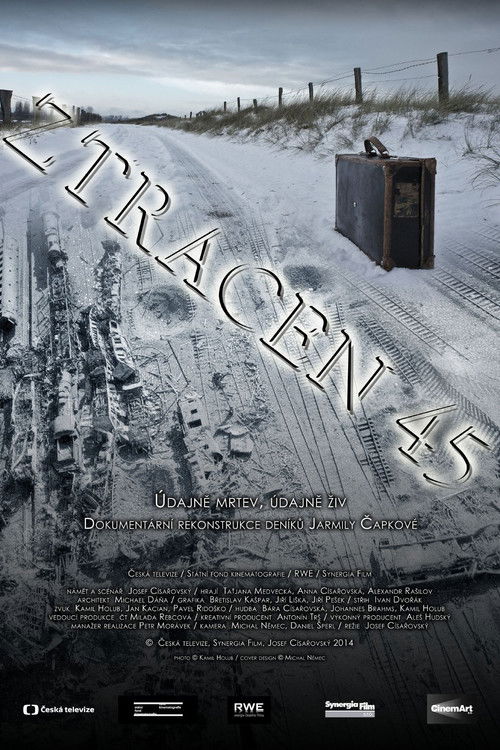
The story of one of the most important Czech artistic families of the 20th century, as revealed in the personal and travel diaries of Josef Čapek's wife.
Ztracen 45
No description available.
Rudý dědek
No description available.
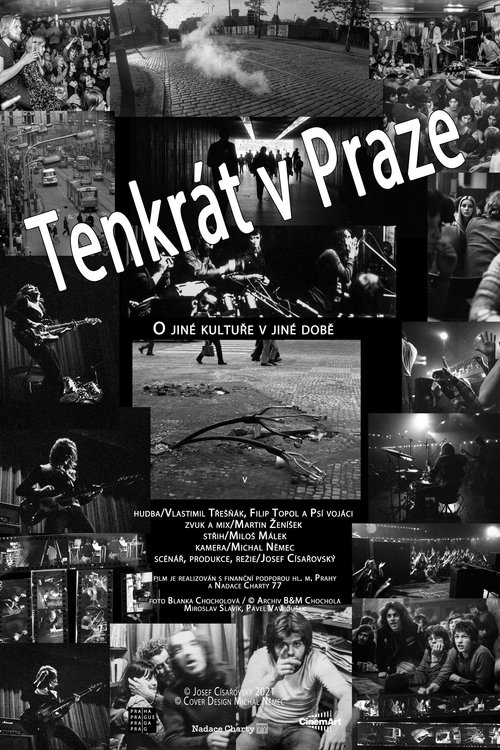
Tenkrát v Praze
Eduard Štorch (1878–1956) was the first writer in the Czech lands and in the world to set his stories in prehistoric times. It’s quite ironic that he himself considered his books set in the Stone Age and Bronze Age to be mere accessories to his main life calling as a professional teacher. Another profession that Štorch took up was archaeology. An unusual finding at a sewer excavation site prompted Štorch to write his most famous work: The Mammoth Hunter, which has been released in over twenty editions and sold over half a million copies. The book was published at least ten times in German and even translated into Japanese.
Eduard Štorch, The Mammoth Hunter
Aerial archaeology traces the human imprint on the world from above. In his documentary, Josef Císařovský offers an engaging introduction to this little-known field, elevating it through existential and psychogeographic reflections. The film reveals how many subtle, indelible traces of our ancestors surround us, transforming how viewers perceive landscape, history, and their place within it, while a poetic commentary deepens its fascination with both pagan and Christian spirituality.