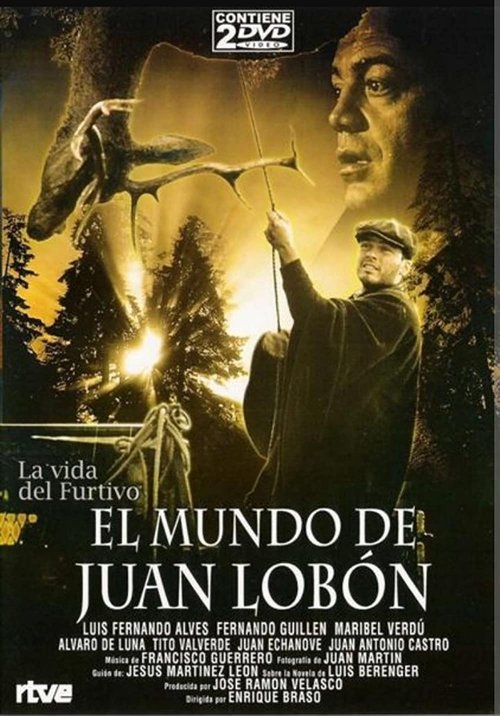
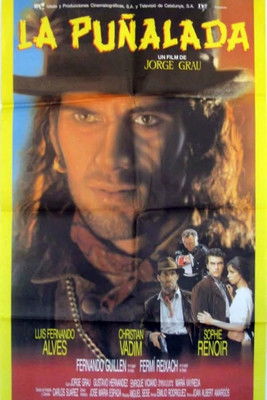
Acting
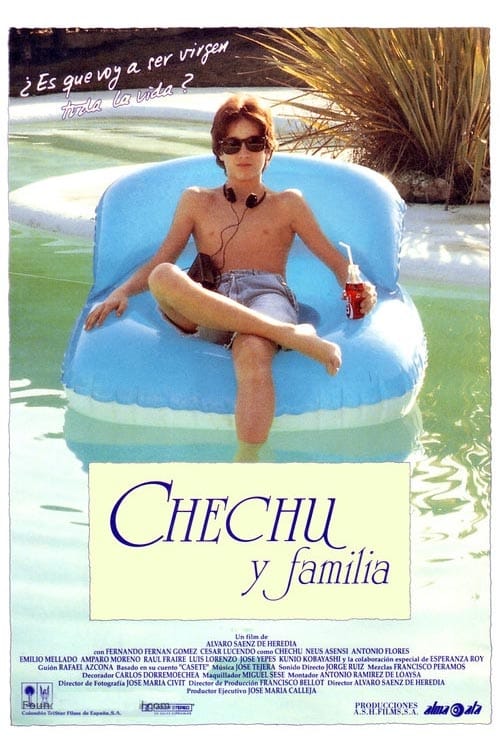
Chechu is a 13 year old boy who lives surrounded by peculiar people: his grandfather, his uncle, and two maids. He falls in love with one of them.
No description available.
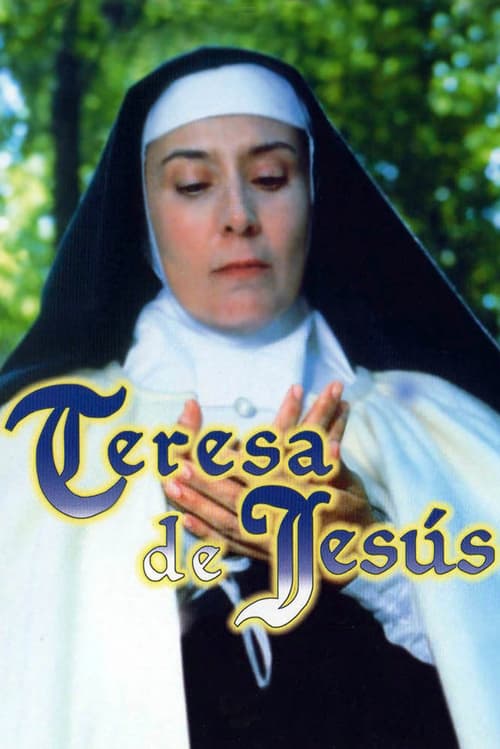
An account of the life of Teresa of Ávila (1515-1582), from her spiritual awakening to her final days, as she struggles to reform the Order of the Carmelites and with her own faith.
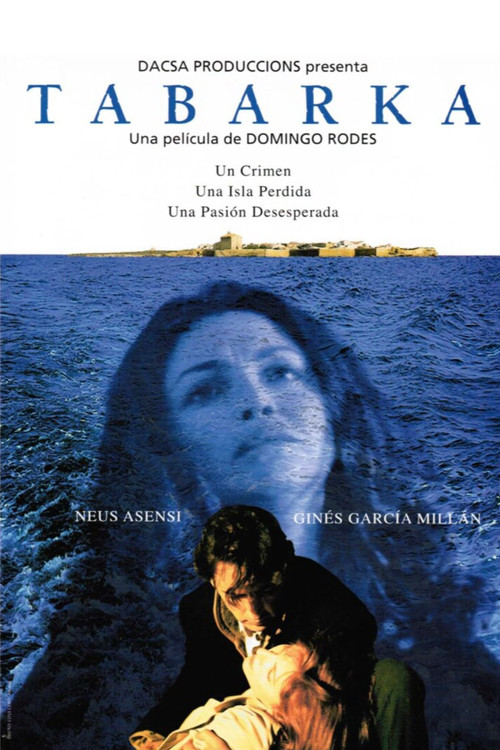
Juan, a political activist from the 1960s, arrives on Tabarca, a Mediterranean island, with Simone, a fellow activist and friend. He is trying to escape both the police and his comrades, who consider him a traitor for having killed Casanovas, a double agent whose true nature only he knows. Once on the island, Juan adapts to a closed, provincial world, becoming entangled in a web of intrigue, jealousy, and revenge.
Based on a true story, the film narrates the life of a fictitious Peronist union leader who, after years of militancy, gains power in the union during the 1960s and gradually becomes a corrupt bureaucrat.
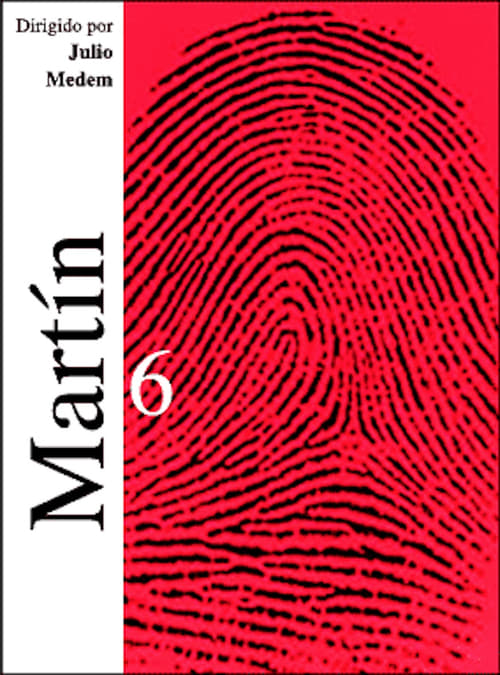
The young Martín reluctantly spends the hot summer in Madrid with his parents, porters for a farm in the center of the city where they live. One day Julia arrives, an actress who comes to spend a few days in the vacated apartment of a friend
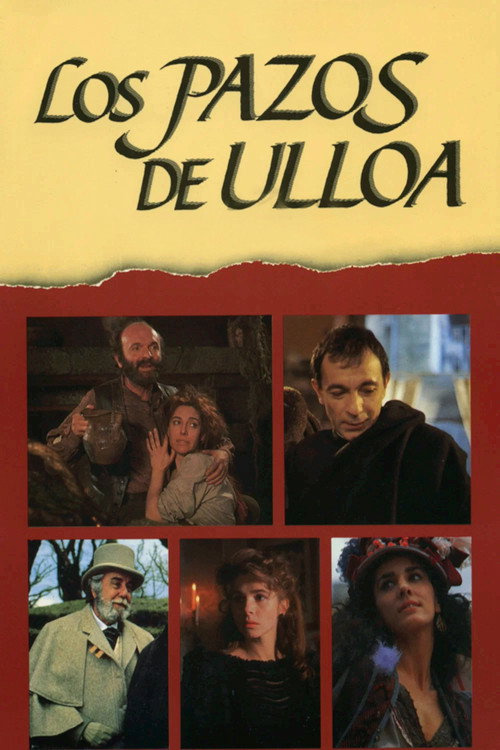
Set in a crumbling Spanish mansion, this gloriously comic and gothic story follows the fortunes of an innocent young priest as he enters a world of moral decadence, sexual intrigue and corruption of an aristocratic family in nineteenth-century Galicia.
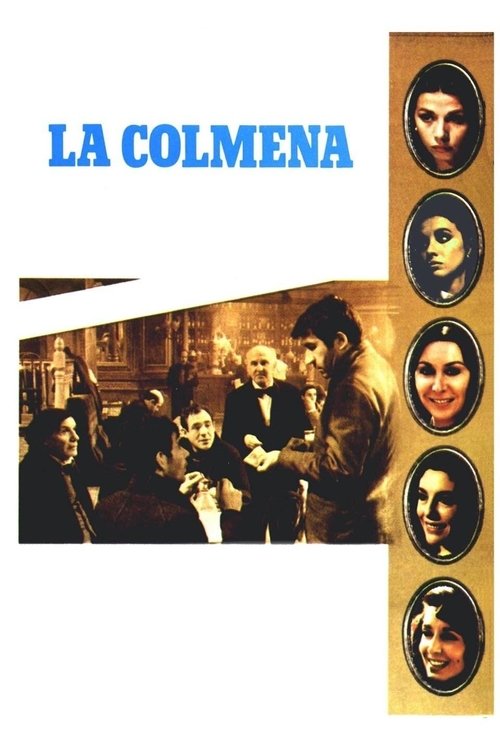
As in the novel of the same title from Camilo Jose Cela, "La Colmena" is a sad composition with the stories of many people in the Madrid of 1942, just the postwar of the spanish civil war. The main theme of the film is the contrast between the poets, surviving close to misery under the Franco's regime, and the winners of the war, the emerging class of the people that makes easy money with illegal business.
The Iniesta-Galván family is a theatre company that goes from town to town offering its performances. Over the years, its members will have to adapt to changes and make decisions, like that of whether or not to continue performing. One day, unexpectedly, a son that he has fathered on his travels presents himself to Carlos Galván.
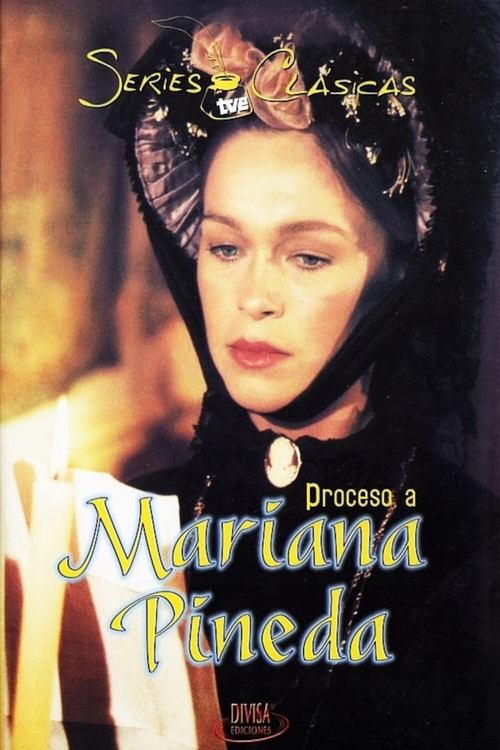
Mariana Pineda is a liberal activist in 19th Century Spain who gets arrested and tried for conspiracy in 1831.
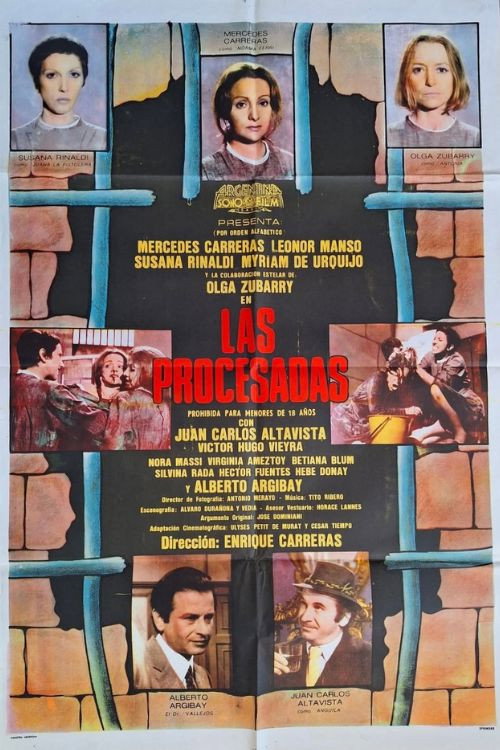
A terrifying story based on a fact occurred in Buenos Aires, early 1967. Reported in "La Nación" and all the other newspapers, after the death of a woman interned at the Instituto de Detención para Mujeres. Doctor Vallejos, the magistrate in charge of the inquest, gets enmeshed in personal intrigue, organized corruption, lust and vice in which apparently all the penitentiary personnel and an organized gang of dangerous inmates are involved, operating within the prison itself.
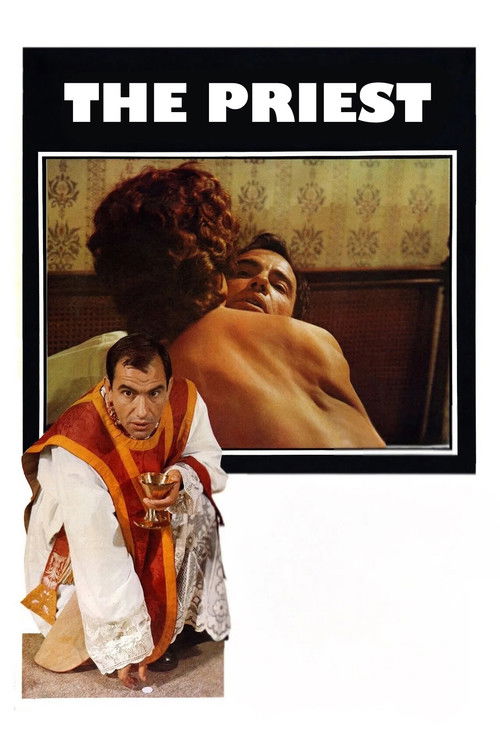
Obsessed with fantasies of sex, Father Miguel seeks professional help through his church but they are not listening; thus leaving the Father in a dilemma; leaving the church or should he try, on his own, to surrender to these temptations?
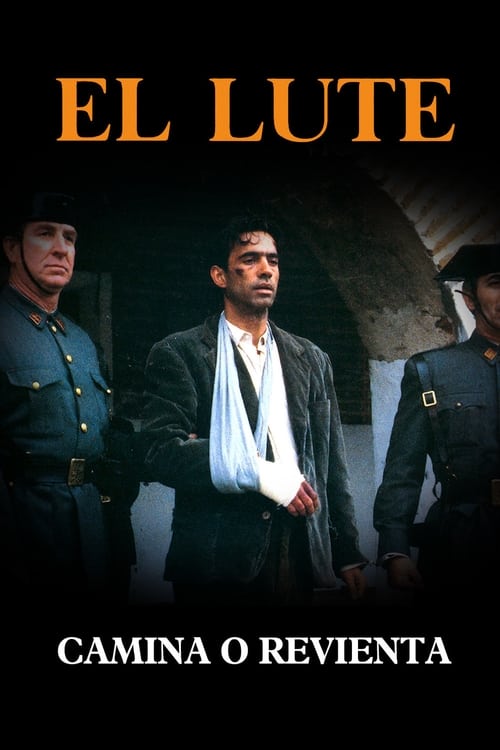
In Spain of the 1960s, a poor family of quinquis - a nomadic ethnic group with a tradition as old as that of the gypsises of Spain but with even more obscure origins - have a nomadic life marked by poverty. The son, Eleuterio Sánchez Rodriguez, nicknamed "El Lute", steals some chickens and is condemned to six months in jail. El Lute moves to the slum outskirts of Madrid with his common law wife, Chelo, starting an itinerant life as a peddler of pots and pans and living in a quinqui shantytown. He gradually embarks upon as life of petty criminality, eventually participating in the theft of a jewelry store during which a bystander is killed.
The business of the Donato family, an Italian-Argentine criminal organization, is a success. They have bought judges, lawyers and even politicians, but after a kidnapping goes wrong, a civil war starts in the Donato crime family. Based on a real event of the Galiffi crime family, a real Italian pro-Fascism mafia that conquered in the 1920's and 1930's the city of Rosario, the Chicago of Latin America.
Pedro Martín, a young and ambitious doctor, is studying the effect of cancerous cells on mice, but he has run out of mice in his laboratory, since they do not breed there, and he has no funds to purchase more of these expensive laboratory animals from the United States. Nevertheless, his assistant, Amador, informs him that he gave some of the mice to an old trapper, nicknamed “el Muecas”, who lives in precarious conditions in a shanty town outside Madrid, and that this poor man has successfully bred them with the help of the natural heat of his daughters. The incredulous scientist goes to the shanty town to obtain the mice. There, Pedro meets Muecas, Muecas's wife Ricarda and their two daughters Florita and Conchi. With the warmth of the women’s breasts, as the flirtatious Florita shows Pedro, the mice are able to reproduce.
Based on the work of Jose Hernandez, the film tells aspects of the life of the gaucho Martin Fierro.