Production
Tetsuro is living with his young girlfriend Aki in a pleasant house in Tokyo. They both spend a lot of time at their jobs. However their routine is upset when Tetsuro brings his 8-year-old son Shun to live with them, while his ex-wife recovers from a car accident.
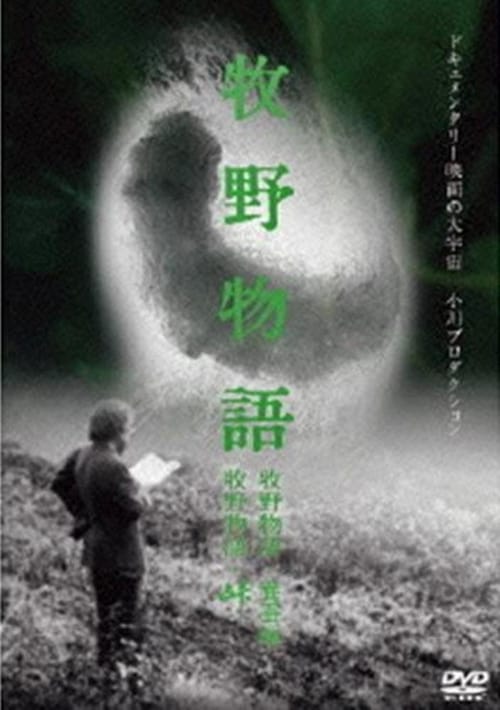
Ogawa Production Staff, who moved to Makinomura in Yamagata Prefecture, looks at sericulture, sericulture labor, agriculture ... Let's listen to people's words and stare for the sake of staring ...
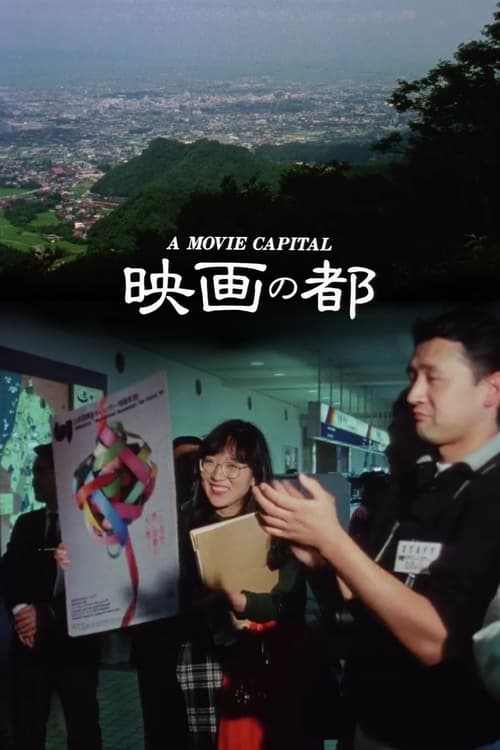
This film is a record of the first Yamagata International Documentary Film Festival. It reflects the various ways the festival was given shape by nascent global changes embodied by Perestroika, the Tiananmen Square massacre, and many other contemporaneous events.
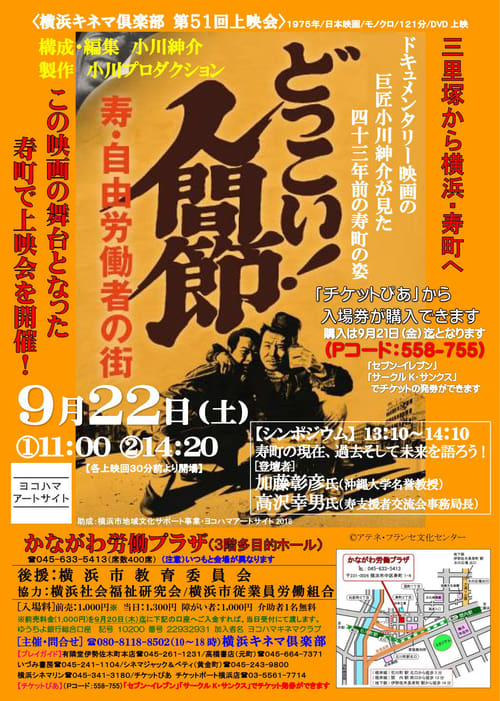
After the waning of the protests in Sanrizuka, Ogawa Pro started questioning the future of the collective and looking for other subjects to film. Following the method developed in the previous films, the filmmakers moved to the slum of Kotobuchi in the port city of Yokohama, where more than 6000 people were struggling to get by without any means of survival, exposed to industrial accidents and diseases. The result is one of the most moving films produced by the collective, a series of beautifully filmed portraits, voicing the silenced stories and songs of a group of people living in this community. Credit: ICA London
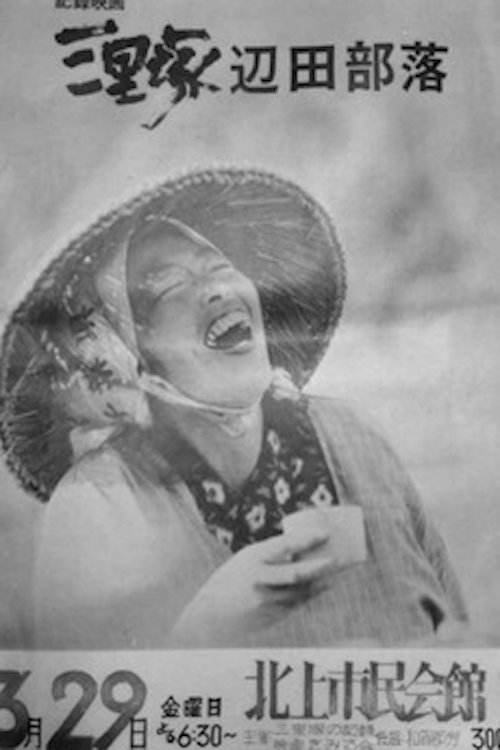
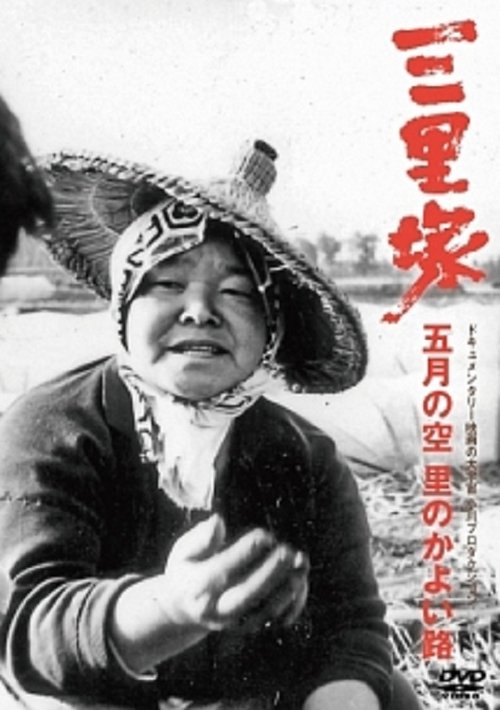
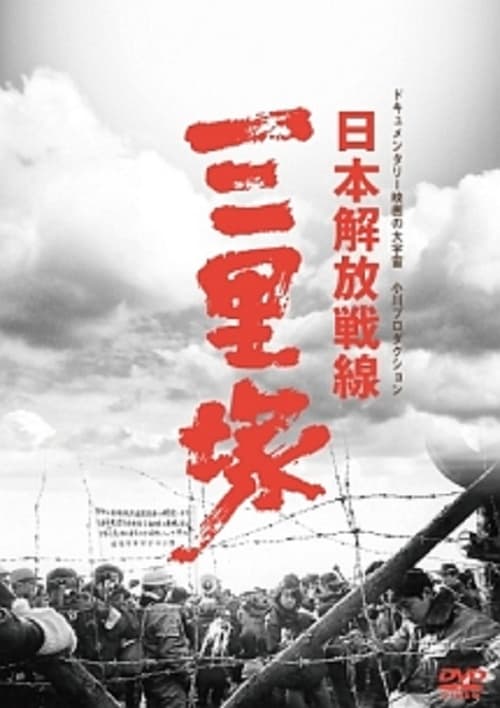
Shinsuke Ogawa documentary about the life of the farmers in Heta Village opposing their resettlement due to the construction of Narita Airport.
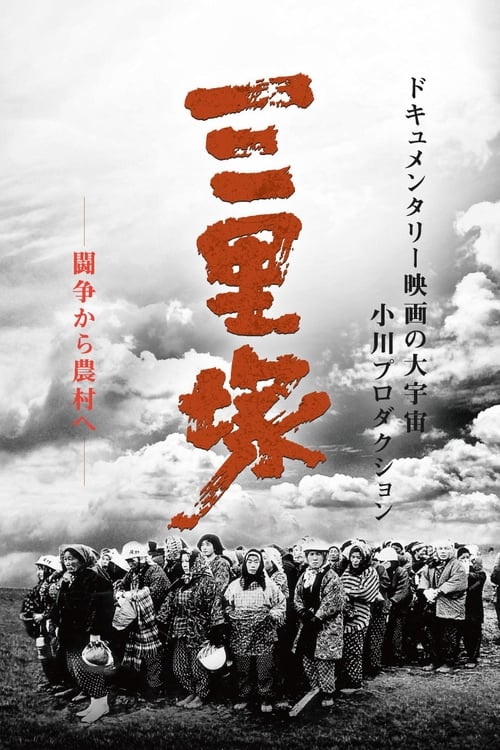
"Sanrizuka: The Three-Day War" is a documentary by Shinsuke Ogawa chronicling the escalation of conflict surrounding the Japanese government’s plan to build a new international airport on farmland in Sanrizuka near Tokyo. As farmers resisted eviction and activists from across the country joined the struggle, clashes with police intensified, resulting in large-scale confrontations that marked a critical phase of the Sanrizuka movement.
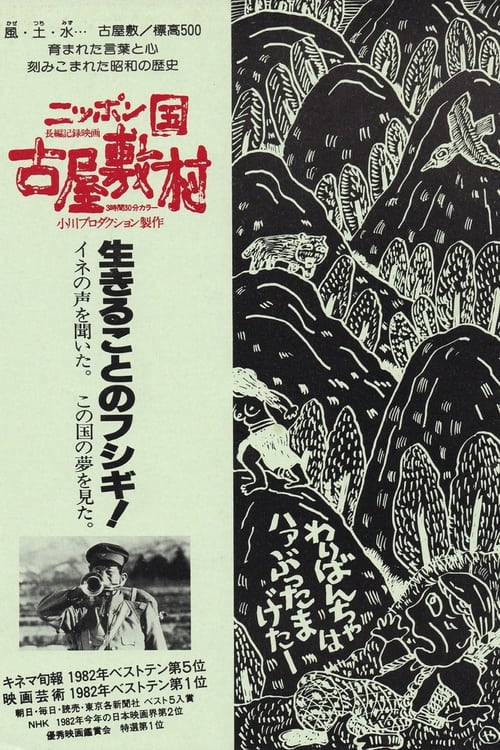
This is Ogawa Productions’ first major film from their Yamagata period. They had already started photography on Magino Village -A Tale but they were drawn to this village deep in the high country above Magino when a particularly cold bout of weather threatened crops. Inevitably, their attention strayed from the impact of weather and geography on the harvest to the “life history” of Furuyashiki Village. On the one hand, Ogawa returns to his roots by playing with the conventions of the science film. At the same time, he discovers a local, peripheral space in which to think about the nation and the state of village Japan. From this “distant perspective” in the very heart of the Japanese mountains, Ogawa discovers a village still dealing with the trauma of global warfare and struggling for survival as their children flee for the cities.
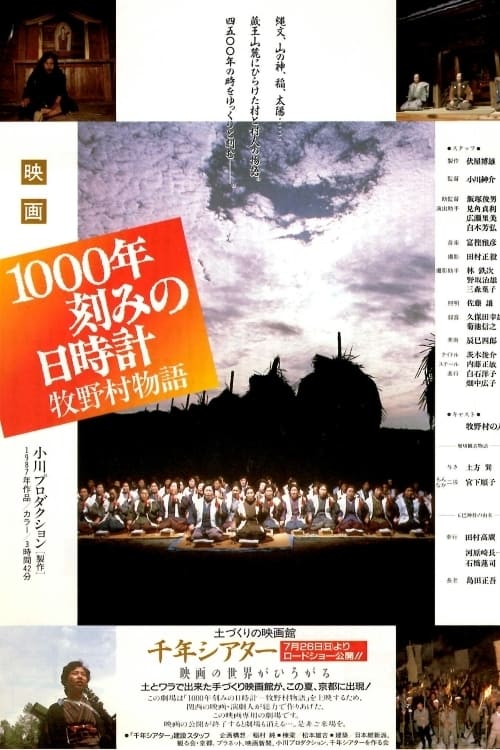
The movie compiles footage taken by Ogawa Production for a period of more than ten years after the collective moved to Magino village. Unique to this film are fictional reenactments of the history of the village in the sections titled "The Tale of Horikiri Goddess" and "The Origins of Itsutsudomoe Shrine". Ogawa combines all the techniques that were developed in his previous films to simultaneously express multiple layers of time—the temporality of rice growing and of human life, personal life histories, the history of the village, the time of the Gods, and new time created through theatrical reenactment—bring them into a unified whole. The faces of the Magino villagers appear in numerous roles transcending time and space—sometimes as individuals, sometimes as people who carry the history of the village in their memories, sometimes as storytellers reciting myths, and even as members of the crowd in the fictional sequences.
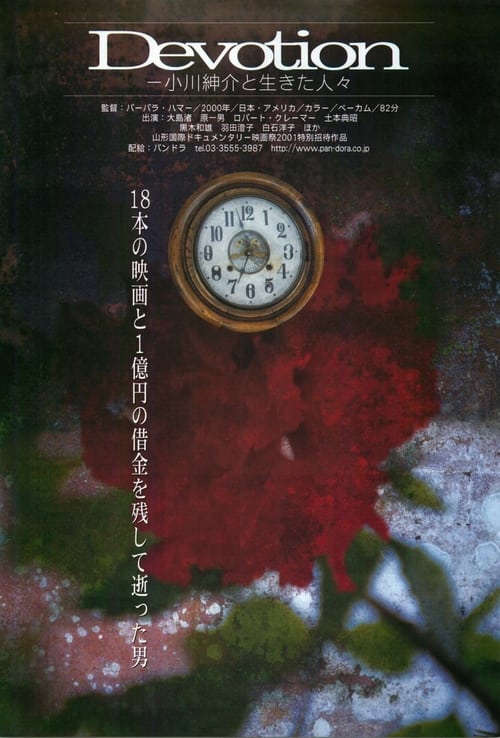
Devotion investigates the extremely complex and heirarchical relationships among a committed group of Japanese filmmakers who dedicated up to 30 years of their lives making films for one man-Ogawa Shinsuke. Members of Ogawa Pro filmed the student movement of the late 60's; the fight by farmers to save their land from government confiscaton for the Narita airport at Sanrizuka; and the village life of a small farming community, Magino Village, in northern Japan. These heartbreaking and sometimes funny stories have never been told on film before. Rare footage, stills, and diaries with interviews with Oshima Nagisa, Hara Kazuo and Robert Kramer make this historical inquiry visually exciting as well as valuable.
In 1968, Ogawa decided to form Ogawa Productions and locate it at the newly announced construction site of Narita International Airport in a district called Sanrizuka. Ogawa chose to locate his company in the most radical of the villages, Heta. Some farmers immediately sold their land; others vehemently protested and drew the support of social movements across the country. Together they clashed with riot police sent in to protect surveyors, who were plotting out the airport. Summer in Sanrizuka is a messy film – its chaos communicating the passions and actions on the ground.
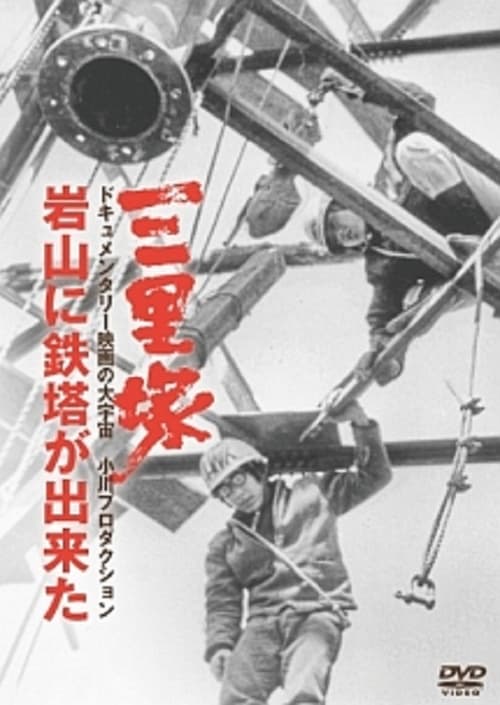
In the mid-1970s, protests were waning across Japan after the Red Army scandal of Asama Cottage. In Sanrizuka, people were weary of the violence and the airport was well under construction. As for Ogawa Productions, they invited criticism by pulling out and moving to a quiet village in northern Japan. But when protesters back in Sanrizuka erected a tall tower at the end of one runway, they sent a crew to document what happened. This became the final film of the Sanrizuka Series.
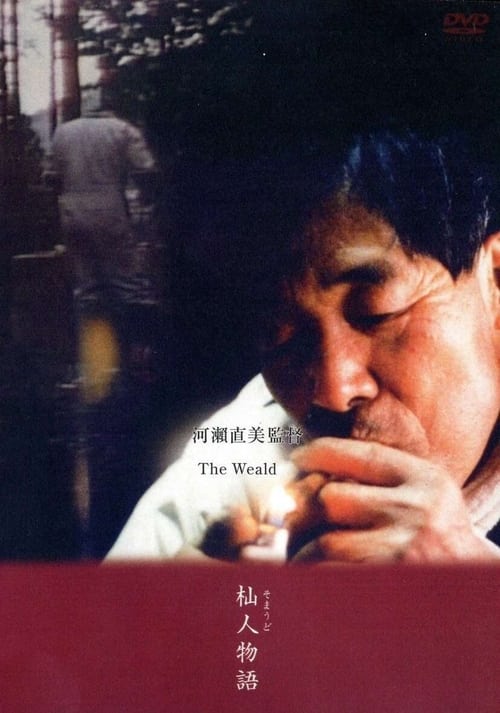
Naomi Kawase returns to the mountains of her feature film Suzaku and portraits the people that inspired the movie.
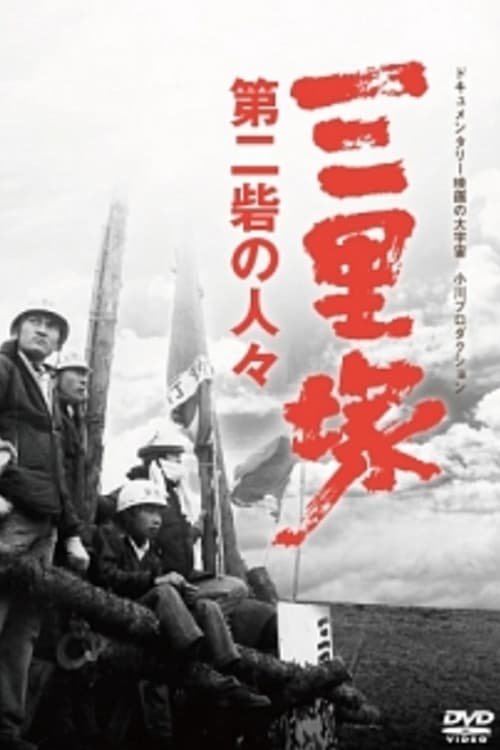
"Narita: The Peasants of the Second Fortress" (1971) chronicles a decisive phase in the struggle against the construction of the Narita International Airport, as farmers in Sanrizuka adopted new defensive tactics, including the construction of fortified towers and underground shelters. As police forces moved to dismantle these structures, confrontations intensified. The film combines scenes of direct conflict with extended conversations between Ogawa and the farmers, documenting both the physical resistance and the sustained community organizing that defined this stage of the protest.
No description available.
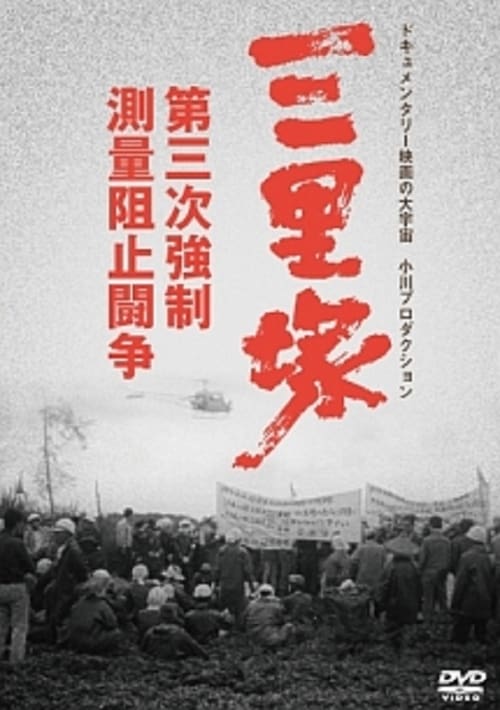
The third film in Ogawa Productions’ Narita/Sanrizuka series of documentaries about the resistance by farmers and activists to the construction of the Narita Airport.
Documentary about the great Japanese documentary maker Tsuchimoto Noriaki made a couple of years before his death.