
Park Kwang-su
Directing
Known For
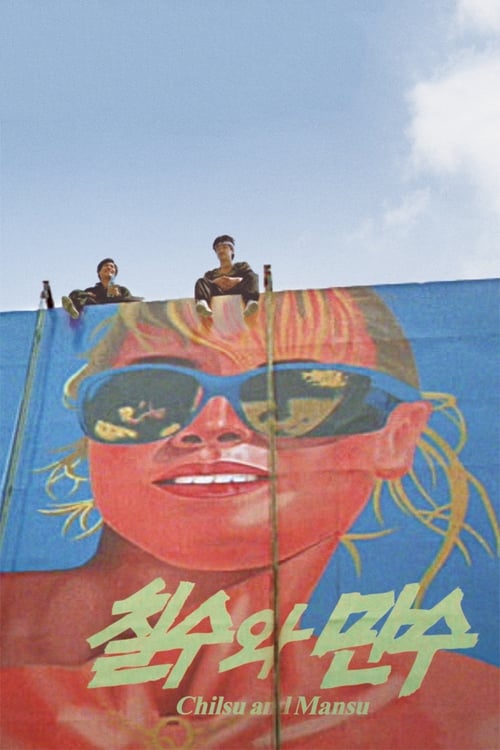
An aimless young man and his sign-painter friend draw a crowd when they climb to the top of a high-rise billboard.
Chilsu and Mansu
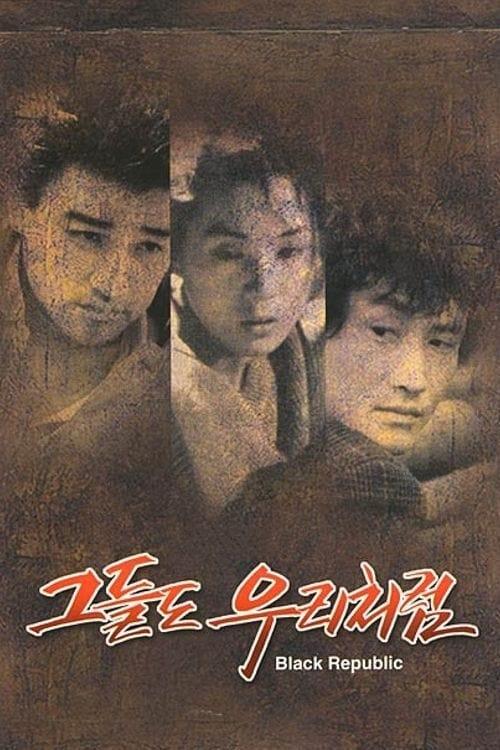
A social drama about a young student activist who hides from the authorities by working in a small mining town.
Black Republic
Anthology film of six shorts by leading Korean directors. Park Chan-Wook, tackles racial prejudice and the economic exploitation of immigrant workers through the real-life story of a Nepalese woman in Korea. Jeong Jae-Eun, tackles the plight of a paedophile released into the community. Yeo Gyun-Dong, invites disabled actor Kim Moon-Joo to re-enact his most famous protest. Im Soon-Rye, goes for the engrained sexism of Korean men with superb wit and, Park Jin-Pyo, confronts the horror of children forced into oral surgery to improve their English-speaking ability.
If You Were Me
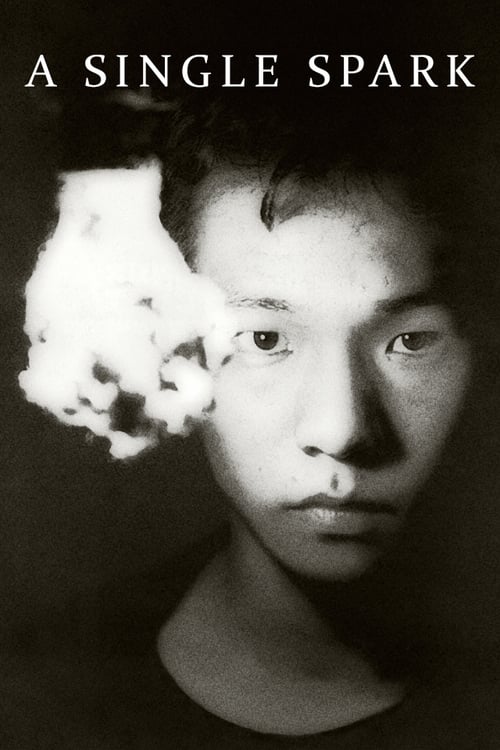
Activist and law school graduate Kim is being persecuted by the mid-’70s Park regime for trying to write a book about Jeon Tae-il, a union activist who immolated himself at age 22 to protest government hypocrisy.
A Single Spark
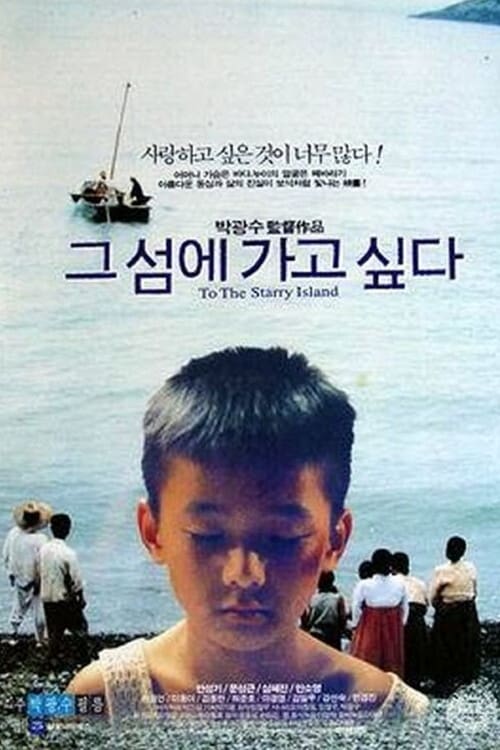
Two men have returned to their hometown (the titular island) from Seoul to bury the father of one of them, but the islanders vehemently refuse their request, triggering memories of their childhood before and during the Korean War.
To the Starry Island
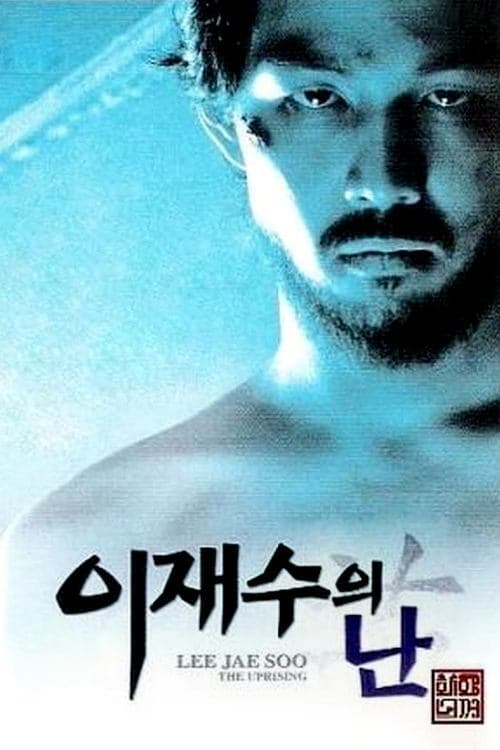
In the late 19th century Catholicism was gaining a foothold on Jeju island, much to the horror of the Confucian community, who were seeing their influence diminishing as well as getting increased taxes from Catholic-friendly government officers. The conflict became a religious war that resulted in a rebel Confucian army massacring hundreds of Christians in little more than a matter of days. The Uprising details the events leading up to the assault, focusing on the story of Yi Jae-su, the young man destined to become the leader of the rebel army.
The Uprising
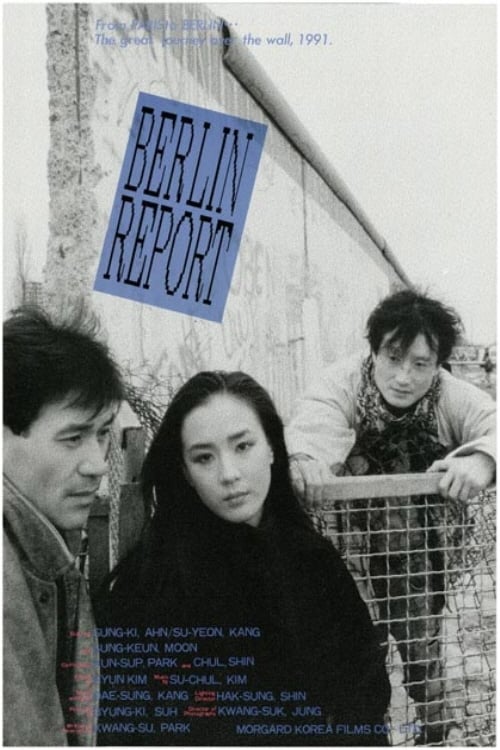
A reporter investigates a case in which a Korean woman, who has been living in Europe since she was 3 years old, is accused of murdering her adopted father. This is complicated by the fact that she is suffering from traumatic memory loss.
Berlin Report
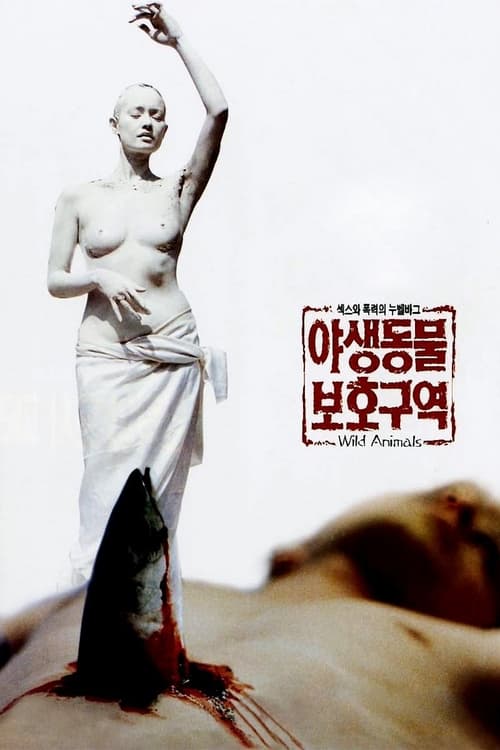
Two Korean ex-pats in Paris are recruited by a French mobster. The duo find themselves at war with their mobster recruiters and each other.
Wild Animals
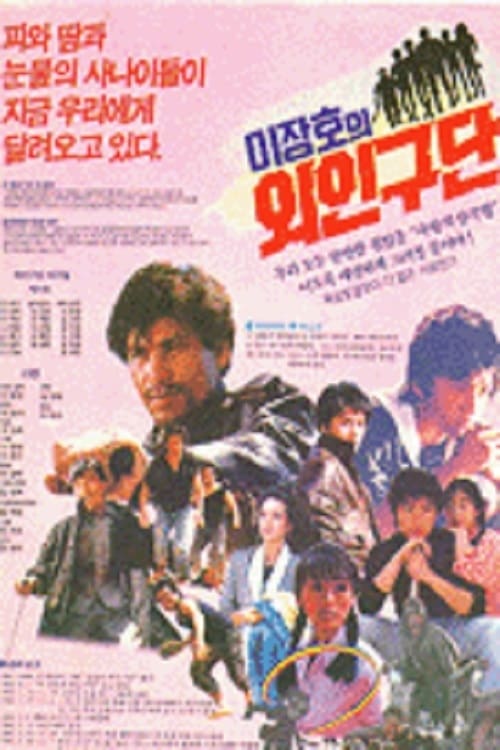
Hye-sung grew up poor but he has a gifted talent for baseball. Eom-ji has watched over him since they were young. Hye-sung falls in love with Eom-ji but when she transfers to another school, they don't see each other for years. Hye-sung and Eom-ji meet again at a baseball field but Um-ji is now the girlfriend of the exceptional hitter of high school, Ma Dong-tak. Hye-sung competes endlessly with Dong-tak over Eom-ji. But he ends up with a serious shoulder injury and gives up baseball. Then Manager Sohn Byung-ho gathers up dismissed baseball players and forms a team. Manager Sohn puts his team through extreme training and Hye-sung returns to the baseball world. He competes once more with Dong-tak, who is by Eom-ji's side.
Lee Jang-ho's Baseball Team
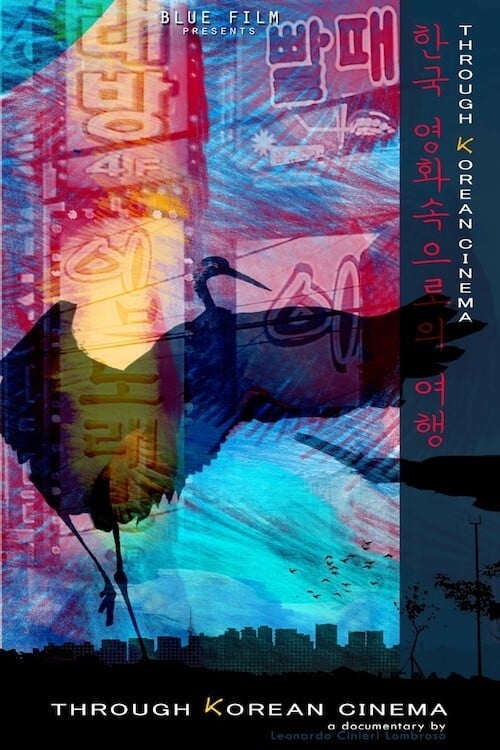
Discover the roots of Korean cinema. A cinema who surprised by the success recorded in the major international festivals. Interviews to five famous Korean directors, to get to know closely the evolution of Korean cinema. Through their words, their pictures and their stories. The Korean cinema has tendency to describe both the society, the past and the modern. The world of west cinema knows these directors through the journey of some of their movies. What do we know about their thoughts, their life, their culture and their way of working? The documentary focus on it.
Through Korean Cinema
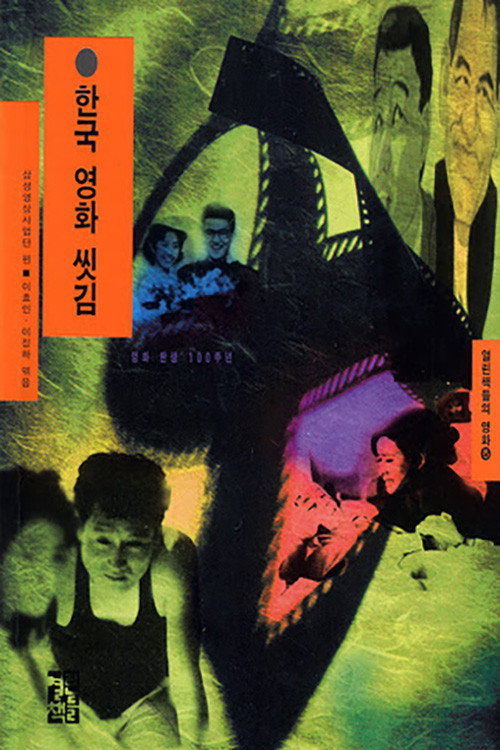
A personal consideration of the Korean cinema by director Jang Sun-Woo, looking at it’s history of outside influence and censorship.
The Cinema on the Road
A porn actress decides to stop working in that industry to devote herself to conventional cinema. In her first non-pornographic shooting she faces a situation she did not expect... a sexual scene. Part of the '2000 Jeonju Digital Project'.
www.whitelover.com

A little girl is reunited with her reluctant small-time criminal father. Jong Dae is a lowlife conman and gangster who lives in a old trailer in a junkyard by the sea. Not exactly ideal father material. He is (understandably) shocked when, while in jail yet again, a social worker visits to inform him that he has a seven year old daughter called Joon (Seo Shin Ae) who has been living in an orphanage and is on her way to America to be adopted. Little Joon desperately wants to meet her daddy before she leaves.
Meet Mr. Daddy

A short film made by Park Kwang-su during his time at the Seoul Film Collective.
Street of the Blind
Performance Arirang is the first independent documentary produced outside the institutional system. Using Yeonwoo Stage theater group's production Pannori Arirang Gogae as its subject matter, the film takes a unique approach by separating visual and audio elements - showing rehearsal scenes, preparation footage, dressing room moments, and performance scenes while overlaying them with live performance audio, audience reactions, interviews, and recordings from Yeonwoo Stage's evaluation sessions. The intentional dissonance between visual and audio elements is interpreted as a means to actively engage viewers with the film. The inclusion of edited interviews from various individuals as off-screen sound suggests an intention to reflect on reality and reconsider the meaning of both Pannori Arirang Gogae and the film Performance Arirang within that reality.
Performance Arirang
Three pickpockets, led by So-hoon, make a living from petty theft and loafing around the streets. One day, So-hoon runs into Neung-han, an old college friend who, upon learning of the group's precarious situation, decides to help them. However, the three young men come up with a plan to play a prank on him.
Black Republic
The movie starts as a "film inside a film", that shows the clash between a father and his two sons. While the older one, Hong-jun, tries to understand and get closer to his dad, because of a past mistake, the younger one, Man-ho, wanders aimlessly, incapable of accepting or comprehending his actions. As time passes, Hong-jun notices that the story he is filming mirrors his brother's reality.
The Island
Three pickpockets, led by So-hoon, make a living robbing people and wandering around the streets. One day, So-hoon meets Neung-han once again, an old friend from college that, after learning about the group's situation, decides to help them. However, the three friends plan to trick him.
They Are Also Like Us
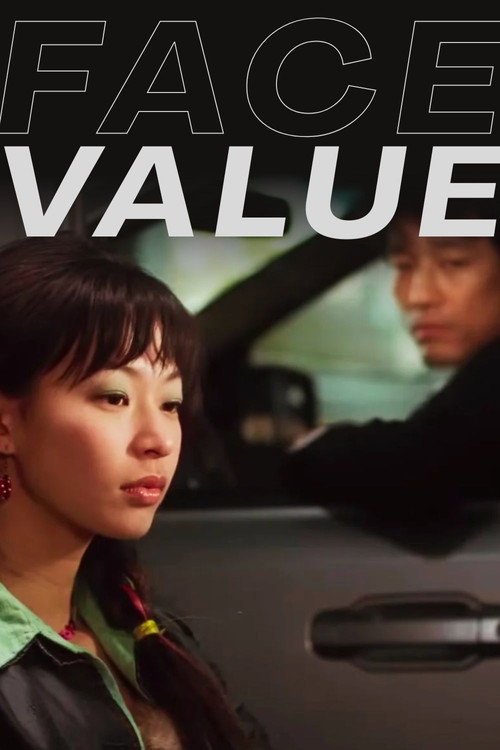
Depicts work settings where job applicants are evaluated by their physical appearance in looks-obsessed Korean society.