Acting
Polizeiruf 110 is a long-running German language detective television series. The first episode was broadcast 27 June 1971 in the German Democratic Republic, and after the dissolution of Fernsehen der DDR the series was picked up by ARD. It was originally created as a counterpart to the West German series Tatort, and quickly became a public favorite.
Der Staatsanwalt hat das Wort was an East German television series.
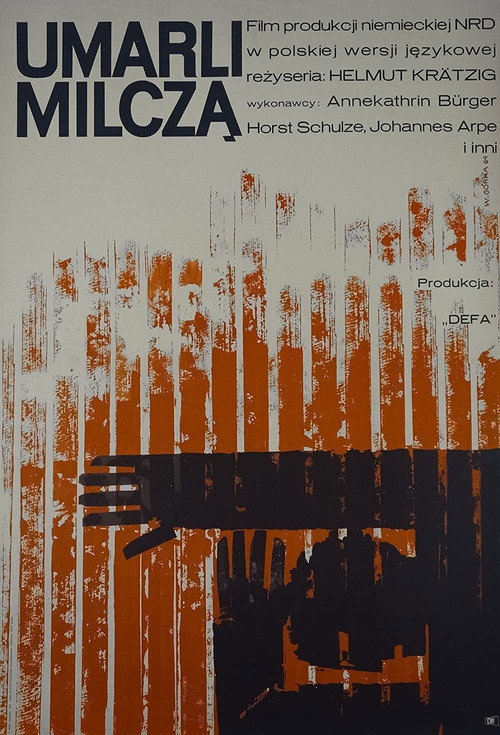
As a German soldier in the 6th Army, Colonel Joachim Ebershagen is trapped in the Stalingrad cauldron. His experiences cause him to begin to doubt the meaning of the war. He is flown out as a wounded soldier on one of the last planes. Back home, he becomes commander of Greifswald. Towards the end of the war, he surrendered the city to the Soviet army without a fight on April 30, 1945. The death sentence pronounced by a court martial is not carried out.
After Elmers, the head of the publishing house, is reported missing, his son-in-law Jürgen Brandt is targeted by the Hamburg criminal police. Inspector Graumann and his assistant Weber presume murder. The suspicion against editor-in-chief Brandt is confirmed by the fact that he is incriminated by the testimony of several witnesses. At a press conference, Brandt claims that the Elmers murder case was staged only to exonerate the innocently convicted family man, Parsetti. But to Brandt's horror, Elmer's body is actually found.
Two adolescents, Sauly and Mick, get to know each other while hitchhiking and stick together for the long haul. They both want to reach the ocean, which is some thousand kilometers away. An old car picks them up, but the trip ends shortly thereafter in a sleazy motel. At the bar, a man named Landolfi approaches them. He explains to Sauly that he must have sold his guardian angel to a man by the name of Miller in the city of Prince. Though the boys do not believe in guardian angels, Sauly slowly succumbs to his own fears. He would like to have his guardian angel back again. On their trip, Sauly becomes sick. Mick works on a farm to pay the doctor's bills. Once Sauly is well, they travel farther - until they reach Prince. In this mysterious city, all of the people are named Miller, and once Sauly and Mick finally are at the ocean, they meet Landolfi once more.
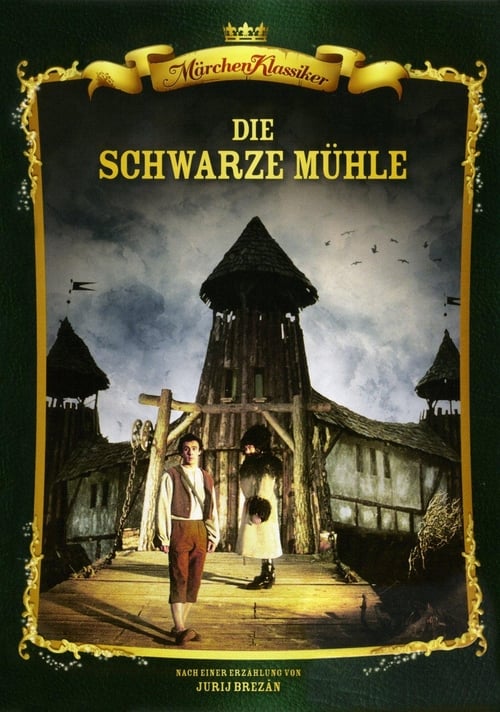
Driven by need and a thirst for knowledge, Krabat wanders through the impoverished country and falls under the control of the "black miller". Krabat defends himself against him, but his opponent still has the stronger means of power.
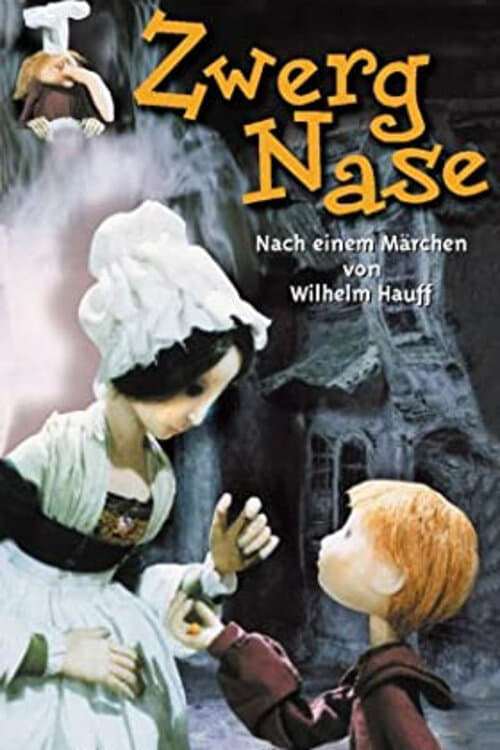
For his mockery a witch transforms the pert boy Jacob into an ugly dwarf, but teaches him at the same time how to cook. Jacob quickly becomes a master of his trade and is named the prince's first cook. Only the mysterious herb "sneeze-with-passion" is unknown to him. Based on a fairy tale by Wilhelm Hauff.
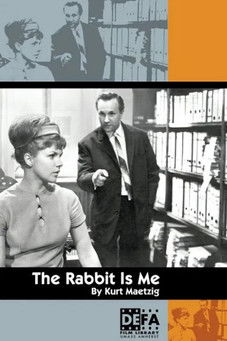
Originally banned in 1966, East German director Jürgen Böttcher's tale of love and disillusionment among two newlyweds attempting to navigate the treacherous world of marriage was never officially released in his homeland until after reunification in 1990.
No description available.
The film concentrates on the last days of the German navy during World War II.
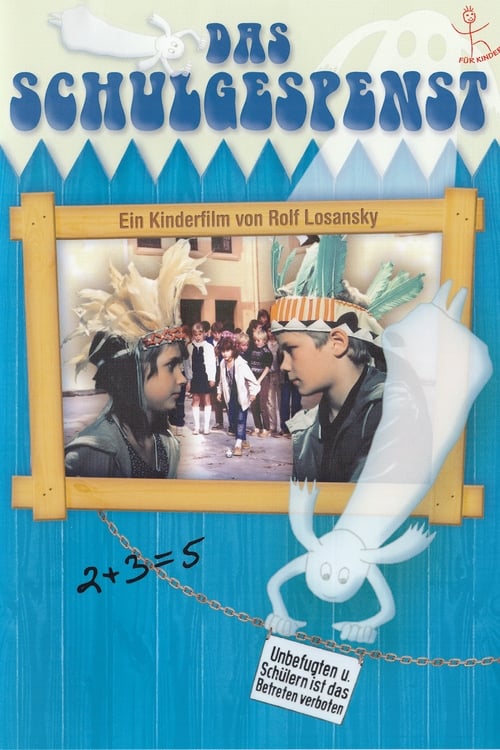
Carola is a mischievous girl who doesn't care much for school- except for sports and recess, of course. Without her good friend Willi to keep her on the straight and narrow, she would really be in trouble. One day at school, Carola has an idea. She invents what she calls "International Ghosts' Day" and a ghost named "Buh" to go with it. When Buh turns out to be less-than-imaginary the two decide to switch places, with Buh taking on all the schoolwork, and Carola taking the opportunity to play practical jokes on all her friends...
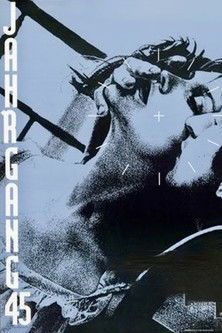
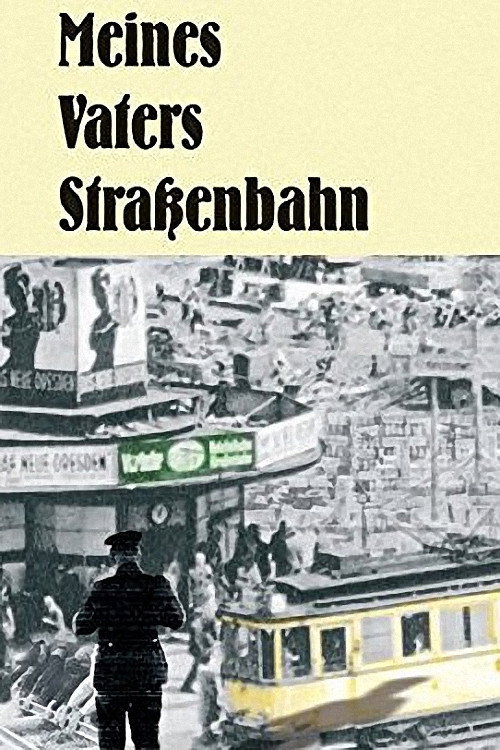
Ralph grows up in pre-war Dresden as the eldest son of a principled and orderly streetcar conductor. With the rise to power of the Nazis, the war, the collapse and the hesitant new beginning, his firmly established middle-class world is also thrown off course. His father is one of the first to be called up to the front. His mother is left alone with the responsibility for Ralph and his younger brother Achim. In the air-raid shelter, during the nights of bombing and later in the daily struggle against misery and hunger, the mother quickly abandons all moral baggage and develops a pragmatic will to survive, for which she admires Ralph. At the same time, the boy is frightened by his mother's desperate claim to happiness because he perceives her affairs as a betrayal of his father, who has gradually faded into a symbol of a happy, carefree childhood.
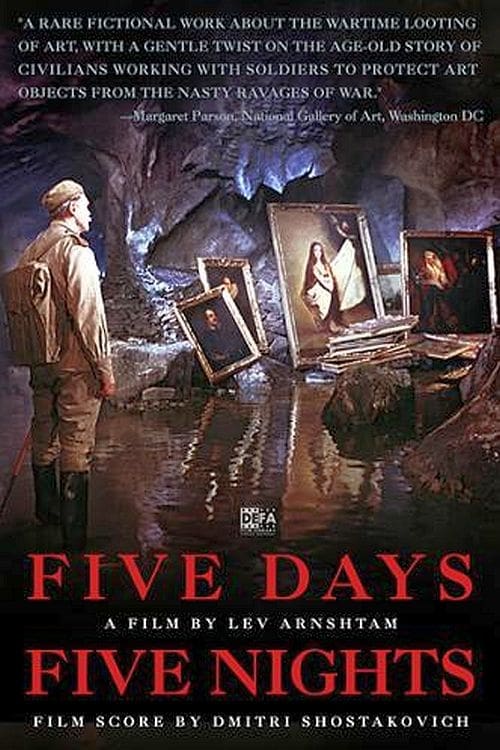
While Dresden is in ruins in the immediate aftermath of the Second World War, over two thousand paintings by artists including Rembrandt, Raphael, Rubens, Giorgione, and Vermeer have disappeared from the city’s Old Masters Picture Gallery. Red Army captain Leonov and his soldiers are ordered to recover the lost paintings.
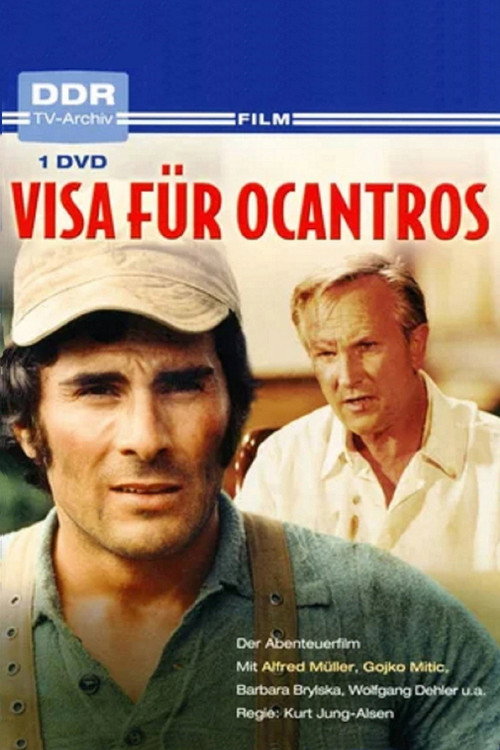
In the troubled state of Ocantros, the prime minister is assassinated. Martin Katrup, who is responsible for setting up a large printing plant, is also on the island at this time. A short time later, two of his colleagues disappear without a trace and Katrup sets off in search of them. The situation is exacerbated when the secret service tries everything in its power to spark a coup and a civil war.
Maria, a young student sees her brother Dieter going to prison for sedition against the state. She starts an affair with Paul, a judge who turns out to be the one who sentenced her brother, which eventually leads to a confrontation.
In 1914 Berlin, bank heiress Leonore Wahl and struggling Munich student Werner Bertin fall passionately in love, defying class and her parents’ expectations. Their idyll is shattered by the outbreak of WWI: Werner, swept up in patriotic fervor, is conscripted to the Western Front, while Leonore, pregnant and abandoned, faces her family’s condemnation and a clandestine abortion. Set against the tumult of war, the film explores idealism, social divides, and the personal costs of duty and desire.
As American settlers encroach on the lands of the Lakota people, Tokei-ihto witnesses the murder of his father at the hands of Red Fox, who wanted information on where the tribe finds its gold. Two years later, at the height of the Great Sioux War, Tokei-ihto and Red Fox meet again.
Twelve-year-old Isabel and her mother, who was a famous political singer, had to escape Chile after the 1973 military coup. Isabel’s father stayed behind fighting in the underground. For six years, they have lived in a new apartment building in East Berlin. At first, the neighbors made an effort to welcome them, but later became more distant. Isabel does not feel at home in the strange country. Not even her friendship to Philip, the neighbors’ son, can change her mind. Almost every day, Isabel sits on the stairs waiting for a letter from her father, from whom she has not heard for many years.
A new pupil has joined the seventh grade and - as is often the case - is met with scepticism. What is more: Mathias' classmates are angry because he is frequently late, goes home early and, on top of it, performs badly at school. They have to acknowledge, however; that he is very gutsy. This proves especially true when it becomes a question of passing a dangerous test: who can hold out longest in the ice cellar?