Acting
Polizeiruf 110 is a long-running German language detective television series. The first episode was broadcast 27 June 1971 in the German Democratic Republic, and after the dissolution of Fernsehen der DDR the series was picked up by ARD. It was originally created as a counterpart to the West German series Tatort, and quickly became a public favorite.
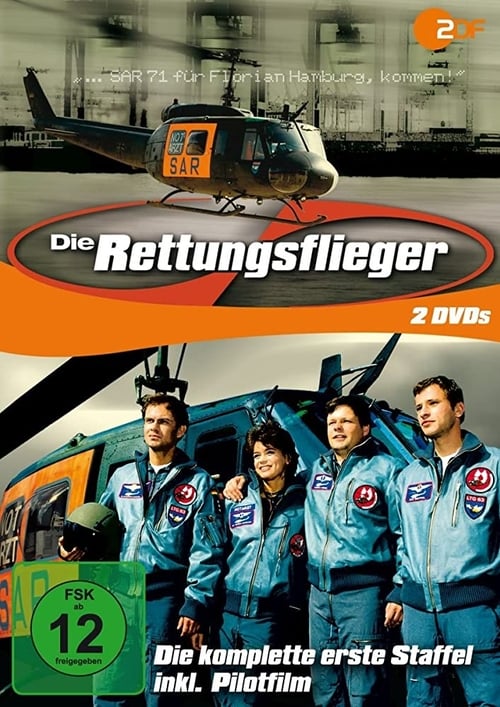
No description available.
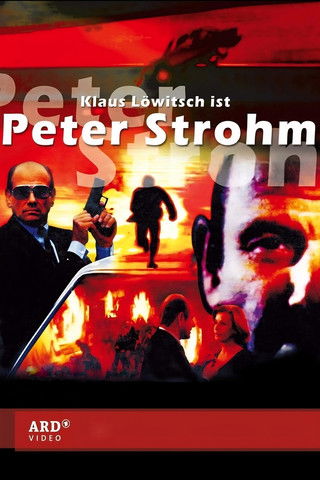
Peter Strohm is a private detective with radical methods. His work begins where police work ends; he takes on sensitive cases that require a certain scale, or explosive situations that can lead to international crises.
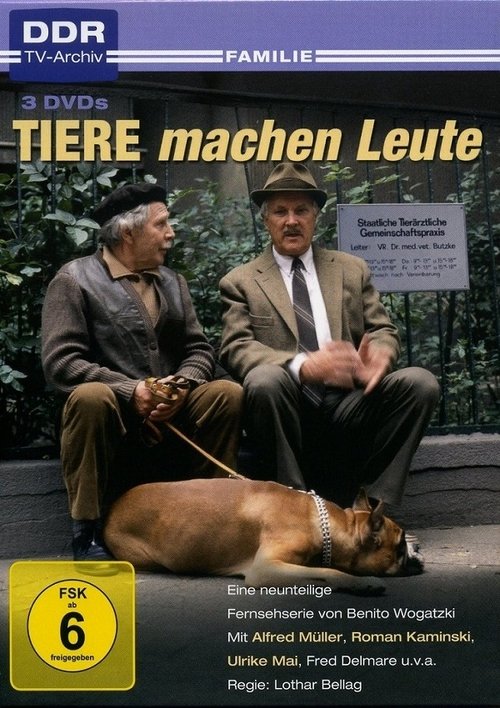
A funny comedy about a various adventures of Körner (Grains) family and their dog.
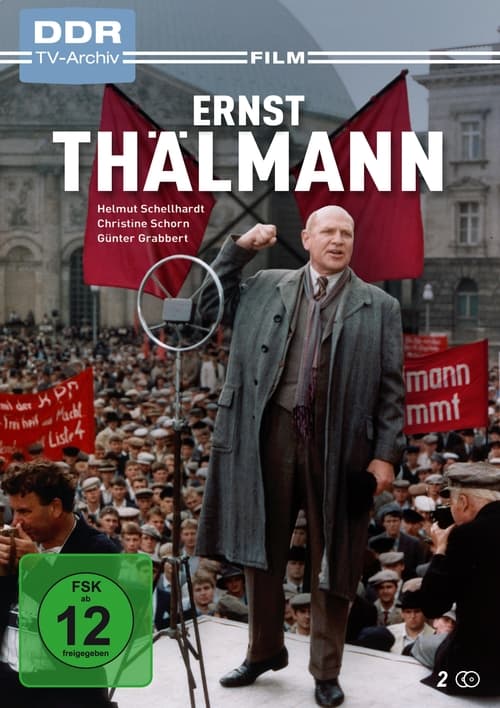
This elaborate two-part television film features a section from the life of communist worker leader Ernst Thälmann. It begins with the bloody riots on May 1, 1929 in Berlin, in which police officers shot at demonstrating workers, and ends with February 7, 1933, when Thälmann appeared as a speaker at the illegal meeting of the Central Committee of the Communist Party of Germany in goat neck. This period was marked by the struggle of the Communists against the ever stronger National Socialists and the rise of Adolf Hitler.
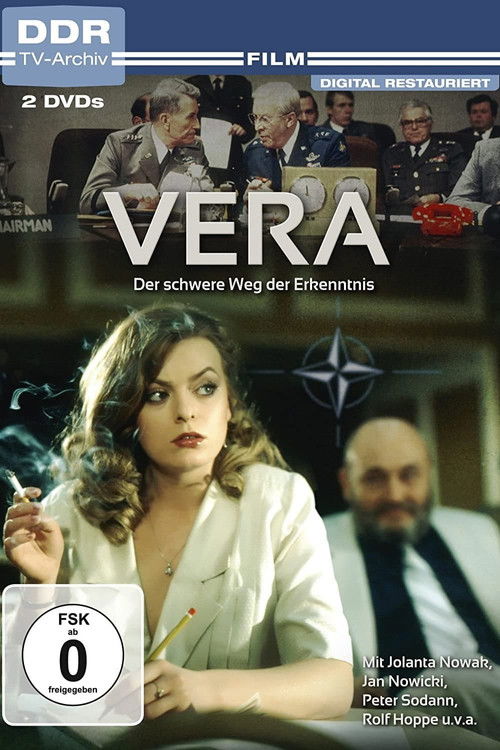
Vera is Secretary at NATO Headquarters in Brussels. During a business trip to the USA, she learns that US nuclear missiles are to be stationed in Western Europe.
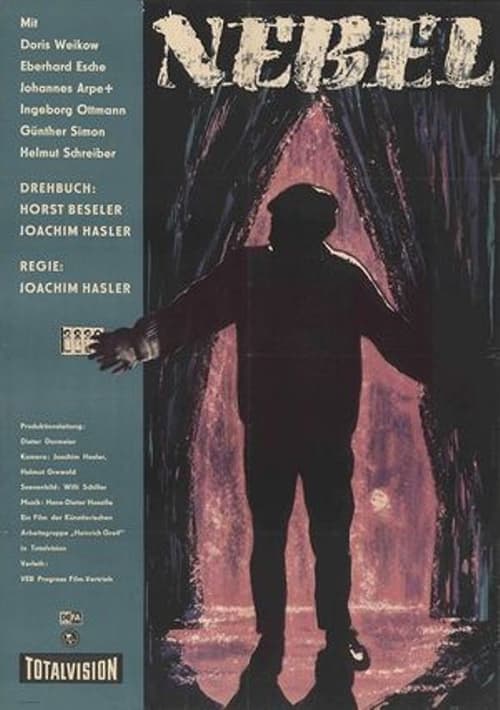
At the beginning of the 1960s, a German turns up on behalf of the NATO in the British village of Rocksmouth. NATO wants to establish a naval base in Rocksmouth, but first, the German envoy has to salvage an old ship wreck. In 1942, the "Princess of India" was supposed to bring children to safety in Canada but was sunk by a German submarine at departure. 58 people were killed, most of them children.
Victory and demise of the first proletarian dictatorship in the history of mankind, about the struggling, bleeding workers of Paris who enthusiastically defend their historical initiative. The little Cabet family from Rue Pigalle and their friends let the spectator participate in the action.
A 15-year-old girl goes into the woods with some friends at night. She is raped by three men. Those who witnessed the crime did nothing and are not keen to testify. The girls father wants justice or revenge.
A teacher at a German high-school in the nineteen thirties has issues with his students who seem to be getting less human and more convinced of Nazi ideals as time goes on.
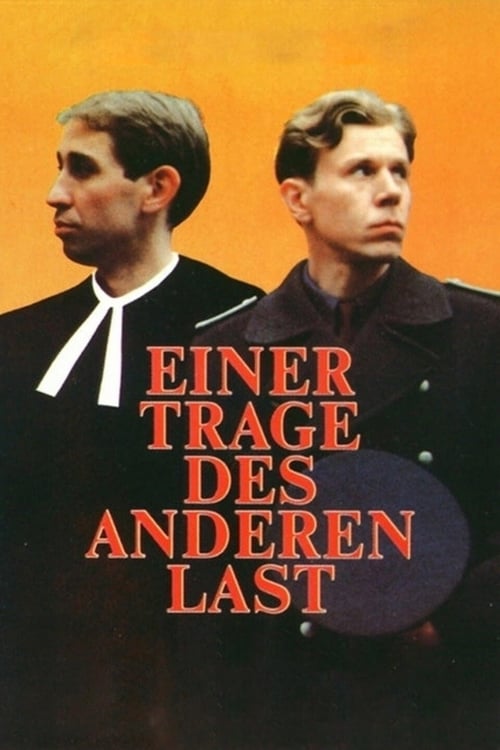
At the beginning of the 50s, two extremely disparate men meet in a private sanatorium for consumptives: an officer in the People's Police, Josef Heiliger; and a young Protestant curate, Hubertus Koschenz. On account of their consumption, they have to share a room. Initially, this is the only thing they have in common. The film explores Hubertus's struggle with his sexuality within the context of both the church and the socialist state.
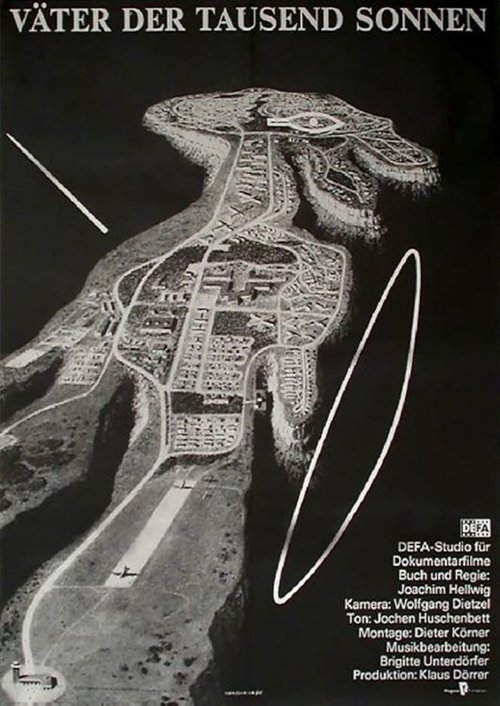
This documentary details the life of Klaus Fuchs who was a spy for the Soviet Union while working on nuclear research in the United States and Great Britain. It also discusses the contributions of German scientists to the atomic bomb.
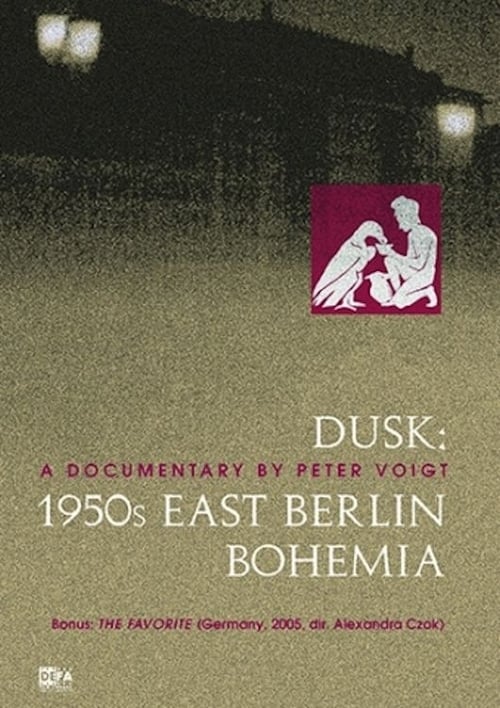
A documentary and film essay about the artist scene in East Berlin during the 1950s.
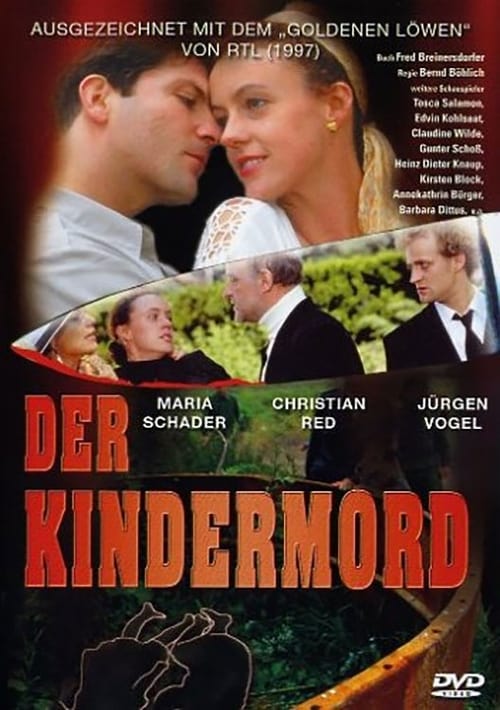
When the two children of the Menzel family are found murdered, the parents come under suspicion of having killed their own children. The fact that the father Andreas is an alcoholic and the mother Katrin has been having an affair for years only makes them even more guilty in the eyes of the public, also thanks to local reporting...
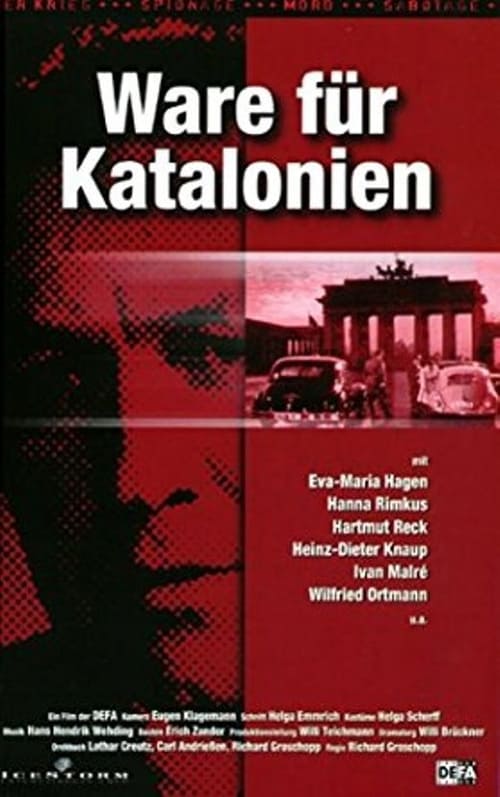
At the end of the 1950s, the production of optics in the German Democratic Republic has reached top quality and instigates interest in the West. When national demand rises strongly and at the same time the export to South America heavily decreases, the Volkspolizei - the GDR police force - starts to look into the case. Two seemingly unrelated cases are the starting point for the investigation by second lieutenant Schellenberg of the department for optics racketeering: An old woman who was arrested in the Berlin city railway for trying to smuggle a pair of binoculars to West Berlin, and a dead person in an area of allotments who was involved in obscure dealings with optical devices.
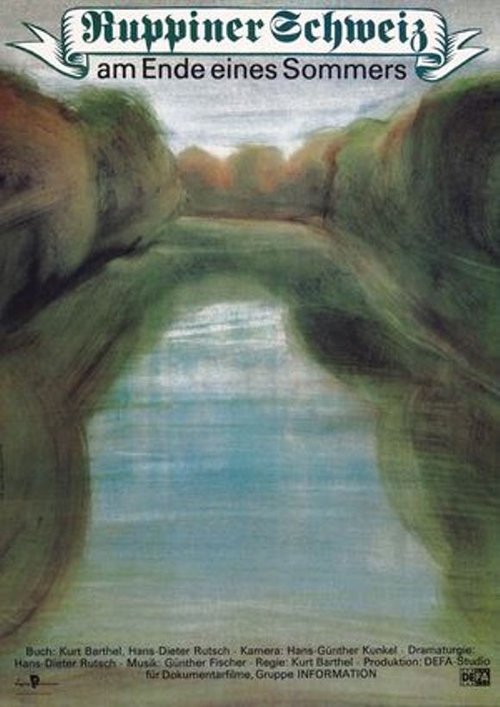
North of Neuruppin lies the Ruppiner Schweiz, the smallest “Swiss” area on German soil. Fontane loved the seclusion and enigmatic appeal of this region’s landscape. As an idyllic recreational and holiday region, it attracts countless tourists every year. But the industry has left its mark: what were previously common sights in the wild can only now be found by vacationers in museums or small zoos. A film about a regional landscape, its history, and how people treat it.
In Chicago of the 1920s, crime gangs are fighting a bitter battle for power. Gangster boss Bill Cracker plans a bank robbery with his cronies in Bill's Ballhouse just as the ladies of the Salvation Army enter. Among them is the magical Lilian, who Bill immediately falls for. This has an impact on the planned coup. Shootouts, chases, and the fight for the big money are the ingredients to this comedy, whose famous songs Bertolt Brecht and Kurt Weill wrote.
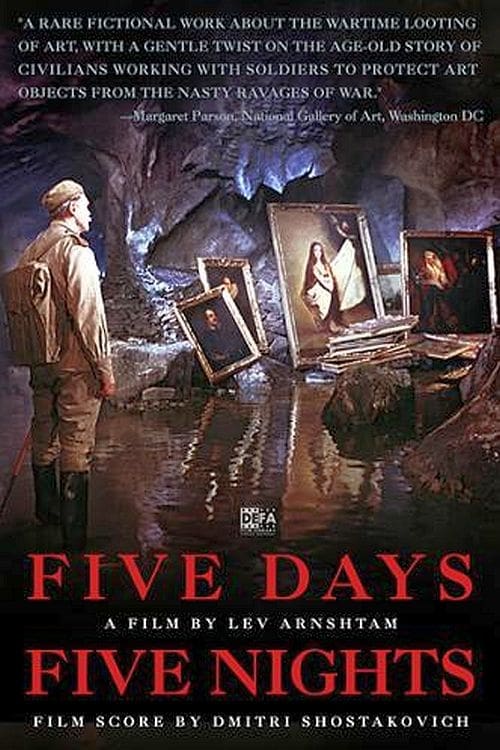
While Dresden is in ruins in the immediate aftermath of the Second World War, over two thousand paintings by artists including Rembrandt, Raphael, Rubens, Giorgione, and Vermeer have disappeared from the city’s Old Masters Picture Gallery. Red Army captain Leonov and his soldiers are ordered to recover the lost paintings.