Acting
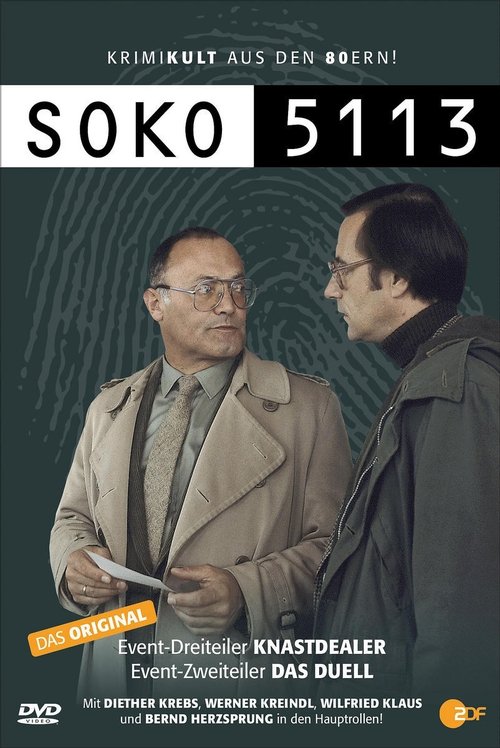
SOKO 5113 is a long-running German police procedural television series. It was first aired in 1978 on 2 January. SOKO is an abbreviation of the term "Sonderkommission" in German.
"Löwengrube – Die Grandauers und ihre Zeit" is a German television series first aired between 1989 and 1992, created by Willy Purucker and directed by Rainer Wolffhardt. It is set in Munich and follows the lives of Ludwig Grandauer and his son Karl, both policemen, covering the years from 1897 to 1954. The TV show is based on Purucker's radio play series Die Grandauers und ihre Zeit (‘The Grandauers and their time’). The series’ main title "Löwengrube", meaning ‘Lions’ Den’, refers to the address of the Munich Police Headquarters inaugurated in 1913.
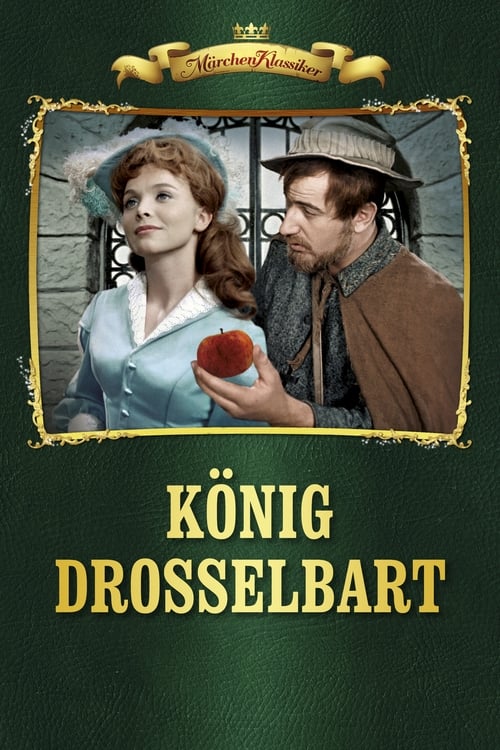
A fairy-tale about a beautiful but very haughty princess Anna who cruelly mocks each of her suitors. Finally she is forced by the king to marry a beggar. The poor life, hard work and love teach the princess a lesson and turn her into a loving and kind person.
Anneliese is living together with her son Florian on a run-down farm. But her exaggerated demands drive him mad. The 14-year-old son is supposed to fulfill his mother’s dreams and become a chemist. The boy fits his wishes, but he secretly dreams of becoming a farmer. Then, the situation escalates.
The artists Käthe Kollwitz, Otto Dix and Otto Nagel used different forms of expression, but had the same goal: fight against war, against exploitation and for the liberation of oppressed people.
Irgendwie und Sowieso is a German television series.
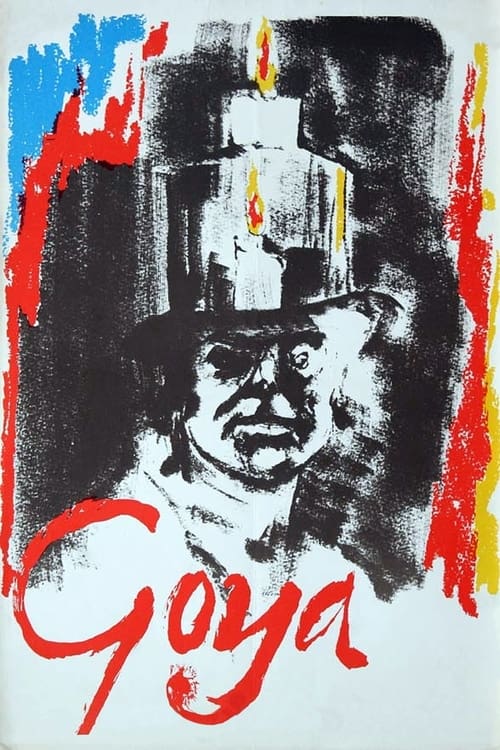
As a painter in the court of King Carlos IV, Goya has attained wealth and reputation. He believes in King and Church, yet he is also a Spaniard who dearly loves his people. This contradiction presents him with a dilemma.
Germany in the 1920s. Martha Dehnert is a petite young girl nicknamed Krümel and grows up in a working-class family in Potsdam. Despite difficult times, she is passionate about her ideals.
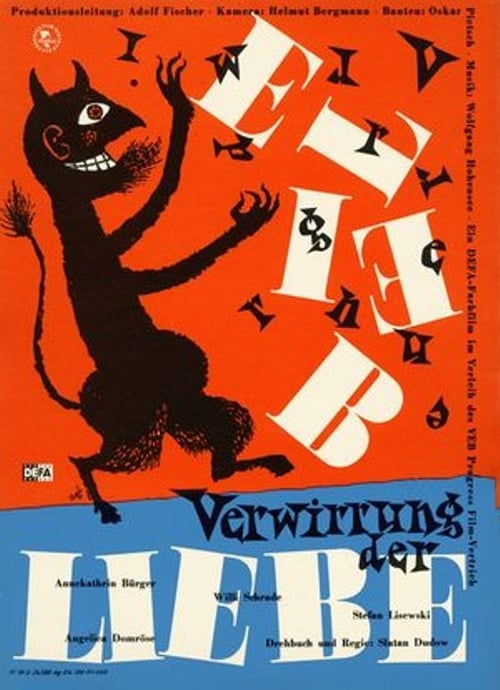
The film tells the love story of two young couples. According to their social ranks, construction worker Edy is dating employee Siegi, while medical student Dieter is dating art school student Sonja. Rather unintentionally, they exchange partners. During a carnival ball, Dieter makes out with Siegi because he falls for her her fresh and happy girlish manner. Sonja coolly observes this game and sees this intermezzo as a test for their relationship. While Siegi and Dieter vacation at the sea, Sonja falls in love with Edy. Now the die seems to be cast for new constellations. But when both couples stand in front of the registrar’s office, they finally come to their senses.
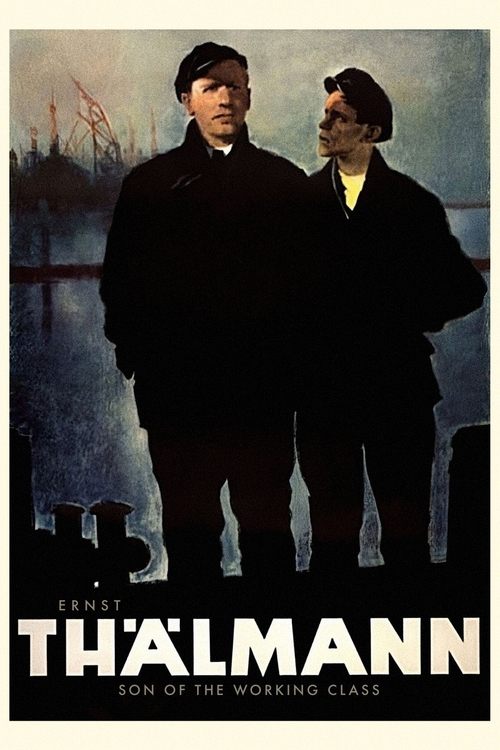
This film is the first of a two-part historical and biographical portrait of the communist politician and anti-fascist Ernst Thälmann. In early November 1918, Ernst Thälmann is an unwilling soldier serving on the western front. As the revolutionary movement at home is threatened by the betrayal of the Social Democrats and fissures in the working class, Thälmann calls on his fellow soldiers to put down their weapons and unite with the workers in the communist struggle at home. Thälmann’s qualms about which side he is fighting on continue, but when the local police attempt to prevent a shipment of provisions and supplies from reaching the people in Petrograd, he intervenes and the ship is unloaded. With this moment of clarity, Thälmann continues to follow his political convictions and joins the workers at the Hamburg uprising in October 1923.
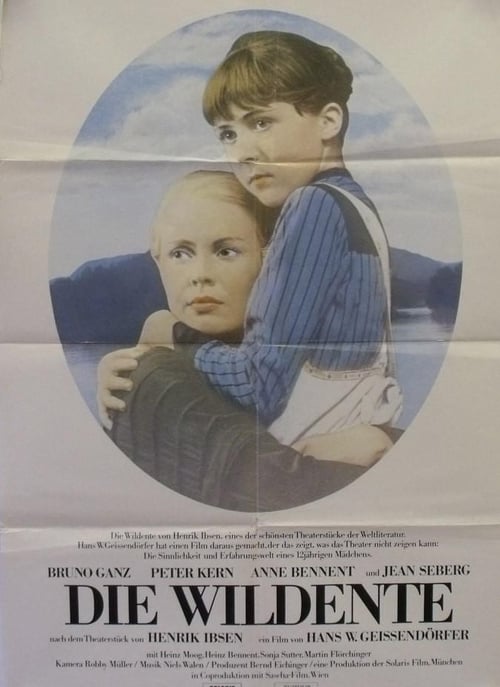
Consul Werle holds a reception in honour of the homecoming of his son Gregers. At the reception, Gregers meets his childhood friend, Hjalmar Ekdal, who is married to Gina, a former maid of the Werle family. Hjalmar is unaware that Werle had an affair with Gina and that their 14-year-old daughter Hedwig is not his child. Gregers moves in with the Ekdals with the intention of allowing unsuspecting Hjalmar and his family to share in the "happiness of truth". Hedwig is entirely devoted to a wild duck, which lives on a pond outside their house. When Hjalmar learns the truth about his daughter, he wants to leave his family. Gregers advises Hedwig to kill the wild duck so that her father, impressed by this sacrifice, will return home. On the following day, Hedwig's birthday, she doesn't shoot the duck, but shoots herself instead.
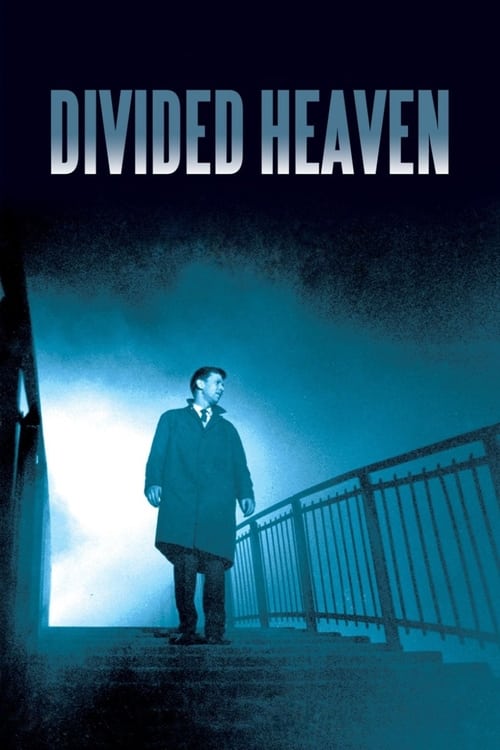
After a breakdown, Rita returns to her childhood village in 1961. As she recovers, she remembers the past two years: her love for the chemist Manfred, ten years her senior; how his enthusiasm about his new chemical process turned to bitter disappointment in the face of official rejection; how he escaped to West Berlin a few weeks before the Wall was built and hoped that she would follow him …
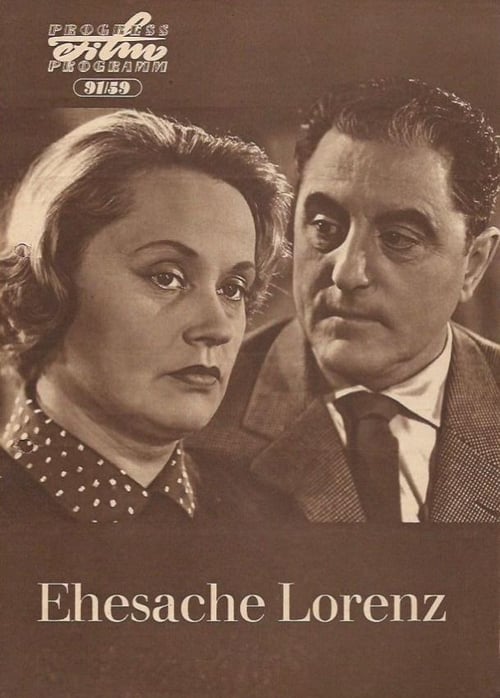
Trude and Willi Lorenz have had an exemplary marriage for 24 years. Their daughter Gitta takes them as a role model for herself and her fiancé Peter. But appearances are deceptive. Willi cheats on his wife with the young secretary Helga. He is a department manager in a heavy engineering company and travels a lot on business. Trude also has a busy working day as a divorce judge. Obviously, family life has been neglected as a result, and now Trude herself is facing a problem that is very familiar to her from her job. An alderwoman has drawn her attention to her husband's infidelity, and a visit from Helga, who demands that she give up her husband, forces her to make a decision. Willi Lorenz has cheated on both women. In a discussion, he finally confesses to Trude and their life together. The fact that it doesn't come to the "Lorenz divorce case" is also thanks to the sincere, compassionate driver Schliffke, who tactfully opens the eyes of his boss Lorenz and the young Helga.
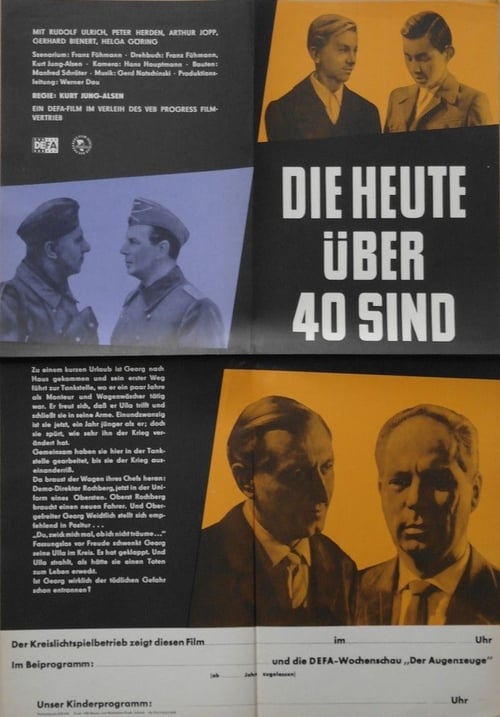
Film by Kurt Jung-Alsen.
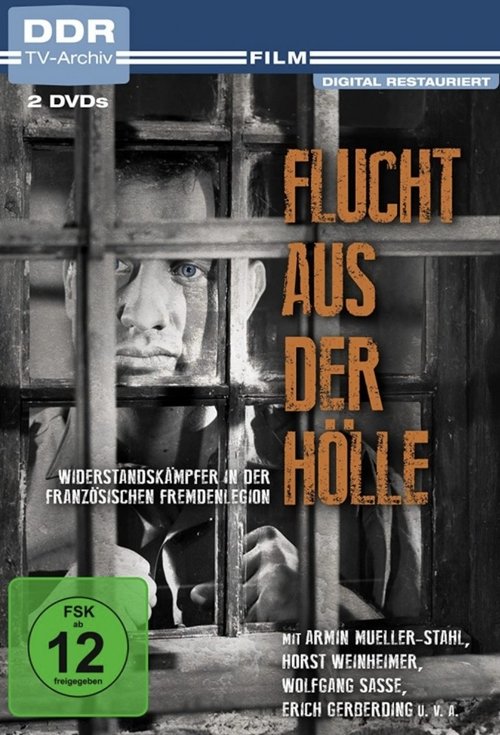
Algeria, mid-50s: it is the time of uprisings against the French colonial power. The German-born foreign legionary Hans Röder witnesses inhuman criminal actions against members of the Algerian resistance movement. These go to the account of the French secret organisation "Red Hand", but it cannot use witnesses. Röder deserts and tries to bring his observations to the public. He is relentlessly pursued by the "Red Hand", which leaves a bloody trace. Röder flees to West Germany, but here too the arm of the organisation enough. He sees no other way out than to escape to the GDR.
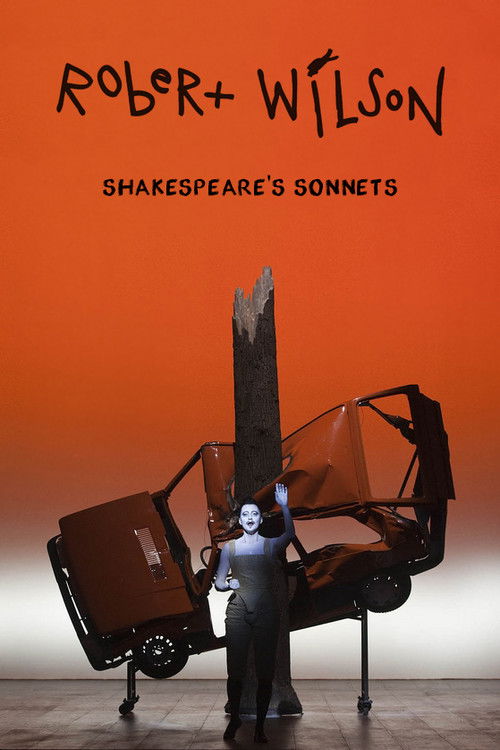
US stage director Robert Wilson has teamed up with pop star Rufus Wainwright to bring Shakespeare’s sonnets to the stage in Berlin. Debuting on Easter Sunday, this highly stylized cross-dressing version of the archetypal love poems went down a storm with the audience.
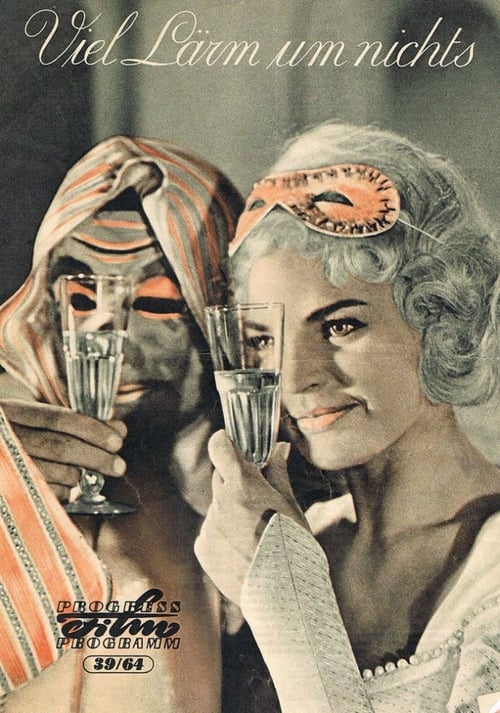
Young lovers Hero and Claudio, soon to wed, conspire to get verbal sparring partners and confirmed singles Benedick and Beatrice to wed as well.
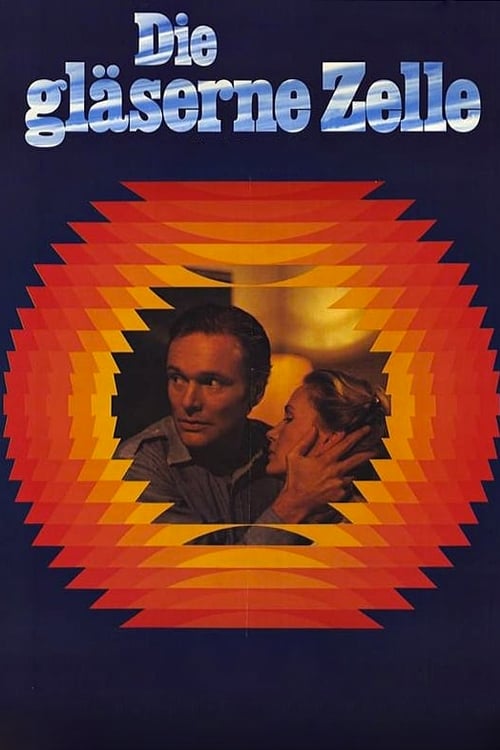
A man is wrongfully imprisoned for five years. Once out, he hears about his wife's supposed adventures outside of their marriage and becomes increasingly jealous.
The young lady Lisa Gau probably took her own life at Seilergasse 8 in Rostock, at least that's what it looks like. Captain Schirding, who has been assigned to the case, sees things differently. Together with forensic scientist Kurt Lisowski, he investigates the case and soon discovers that Lisa was poisoned and is shocked when all the evidence points to his...
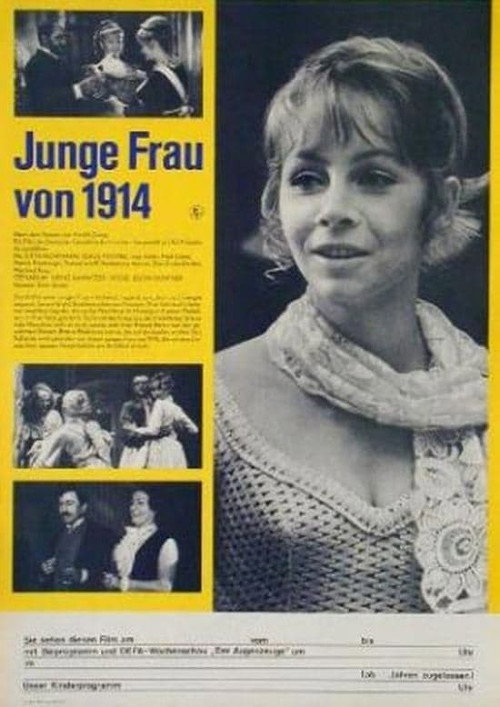
In 1914 Berlin, bank heiress Leonore Wahl and struggling Munich student Werner Bertin fall passionately in love, defying class and her parents’ expectations. Their idyll is shattered by the outbreak of WWI: Werner, swept up in patriotic fervor, is conscripted to the Western Front, while Leonore, pregnant and abandoned, faces her family’s condemnation and a clandestine abortion. Set against the tumult of war, the film explores idealism, social divides, and the personal costs of duty and desire.