Writing
The 18-year-old construction worker Schultzendorf, known as Schulle, sets off for Berlin from his home town of Ankershagen. He is taken with the Marzahn construction site. He dreams of making archaeological finds there. He searches every excavator load for treasures, which not only earns him ridicule, but also the anger of his colleagues because he delays the work. They try to change his mind and get him a wife. This fails, but Schulle finds one himself - the slightly older Helga, who needs his help to get away from her divorced husband. Once she has succeeded in doing so, she breaks away from Schulle, whose youthful impetuosity unsettles her.
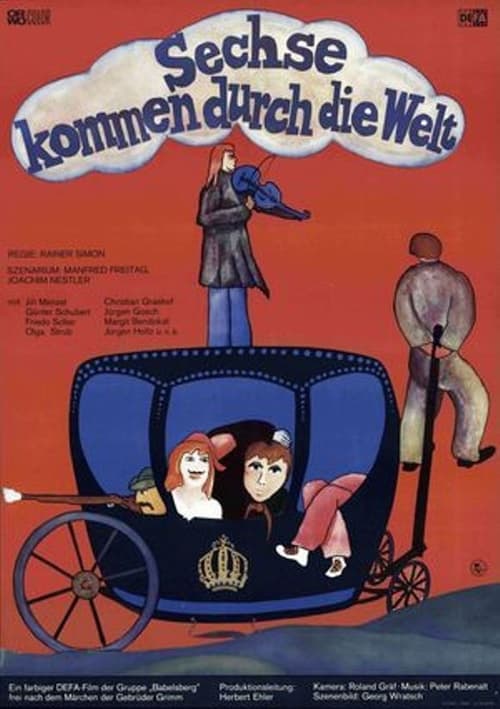
The impoverished and homeless orphan girl Anna Barbara sets out in search of the mysterious golden thaler. The rag collector Hans Geiz offers her the promise of it if she toils in his underground kingdom for three years.
A young woman from a progressive middle-class family moves to Shanghai with her husband Rolf in the mid-1930s. Although she has a child, she is not prepared to retreat into private life. She meets Dr. Richard Sorge and decides to become a scout. After training near Moscow - she is given the cover name Sonja - she is sent to Manchuria on her first assignment with her comrade Ernst. She has an affair with Ernst and has a child with him. A new assignment that takes her to Poland separates her from Ernst. She is awarded the Order of the Red Banner in Moscow for her work. She then goes to Switzerland and radios information about the impending war to the Soviet Union. She meets Rolf and Ernst, who are on an assignment in the Far East. Sonja marries an Englishman to avoid being extradited to Germany.
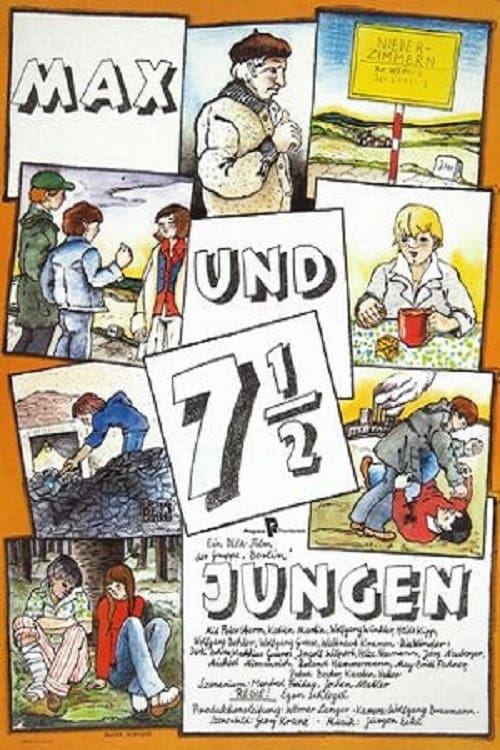
Max Stricker, an old anti-fascist, informs a class of eighth graders before their planned visit to the former concentration camp in Buchenwald. But the boys and girls are not very interested in Max′s lecture and instead stop his lecture with their constant interferences. On the trip to Buchenwald, the class roughnecks around wannabe hoodlum King also want to cause trouble. Thus, a small group of pupils secretly leaves the train before it arrives. Max notices the runaways, follows them, and offers them a bet: He challenges them to get to Weimar on their own, with only five Marks left.
The opera singer Ludwig Löwenhaupt wants a proper festive roast for Christmas, so he buys a goose in advance to feed the whole family. What he doesn't realize, however, is that the children, Elli, Gerda and Peterle, will grow fond of the animal, which is christened Gustje, and will no longer want to eat it. After the "liberation", the "five kilos of meat", which were initially locked up in the cellar, become a pet that the children take to bed with them and communicate with. But shortly before Christmas, father Löwenhaupt still wants to slaughter them. However, as his family protests and his conscience gets in the way, he can't slaughter the goose after all. So Gustje only has to leave a few feathers as proof that she has been plucked, and the opera singer is given another goose that has already been cut up.
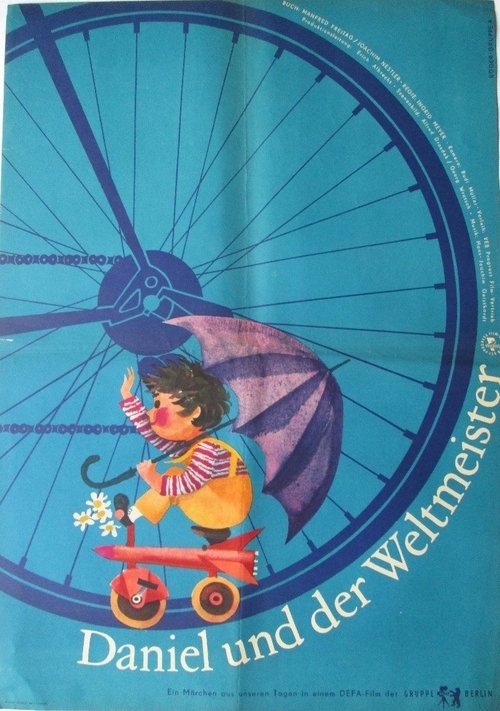
Little Daniel is a huge fan of cycling. He constantly drives around on his three-wheeler, knowing that he wants to become a famous racing cyclist – just as fast and famous as the world champion Täve Schur. But until then he has to struggle with the difficulties of growing up. His mother, for example, wants him to drink milk – even though Daniel does not find this very suitable for world champions. To get affirmation, Daniel starts searching for his role model Täve. On the way, he has some interesting encounters and experiences many adventures. When he finally meets Täve at a race, Daniel is astonished to watch him pleasurably drink a bottle of milk after an outstanding victory.
Jakob is a poor farmer′s boy. Because of his timidity that even makes him run away from mice, he is often ridiculed by other people. Even the king is ill-disposed towards him. One day he sends Jakob to the devil to rob him of three golden hairs. This is supposed to be Jakob′s certain death. But naïve Jakob gets going and on his way even promises the oppressed subjects of the king to ask the devil for a way out of their misery.
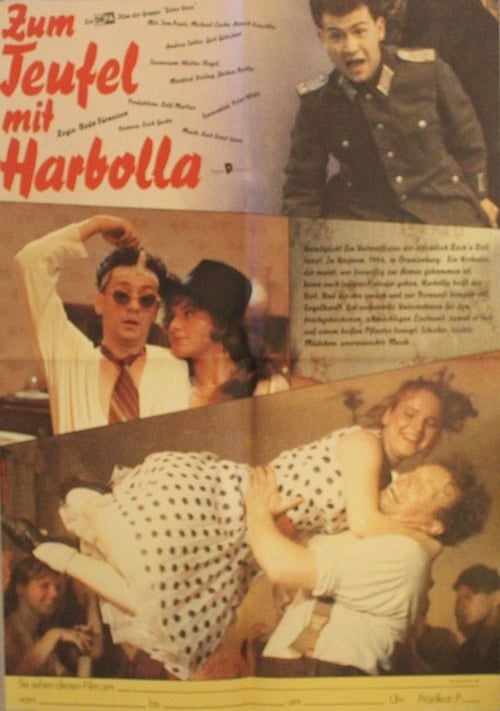
Even the military academy can't stop kind-hearted officer Gottfried Engelhardt from seeing the world through rose-colored glasses. Everything in the young GDR is blooming: Engelhardt's career, the socialist state, the black market, and maybe even a chance at love.
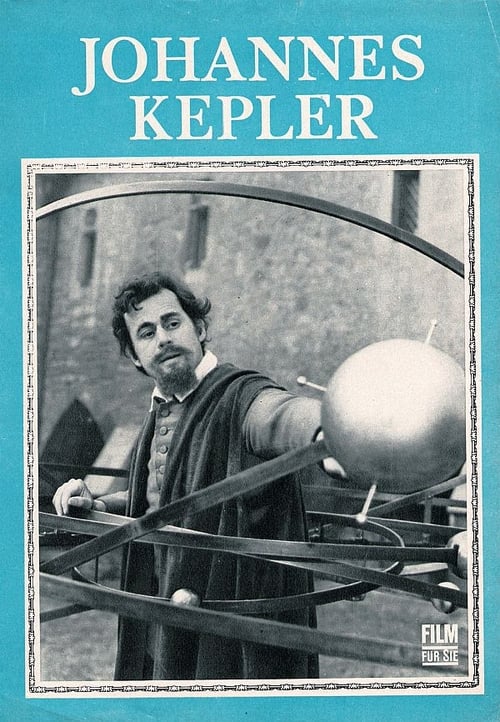
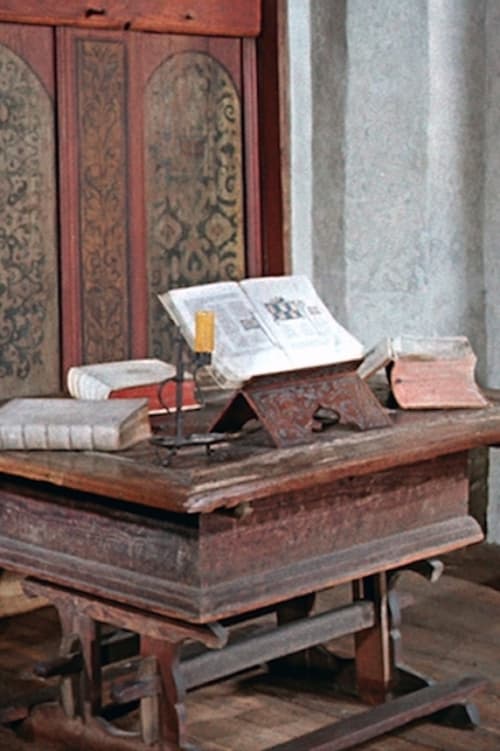
Europe, 1620: The well-known astronomer and mathematician Johannes Kepler, who teaches as a professor in Linz, receives the message that his mother is prosecuted as a witch in Württemberg. The truth behind the allegations is rather simple: His mother has been denunciated by a former friend after an argument with the authorities. Kepler tries desperately to convince the prosecutors of the absurdity of their allegations with rational arguments.
At the textile company, everyone appreciates the work of 18-year-old Susanne, but nobody really considers her a woman—including Lutz, with whom she is in love. She sets about to make a change, but it is only when she realizes that she is being taken advantage of that a more self-confident Susanne emerges.
The thirty year old bee is a daredevil, everything seems to work for him. But suddenly a tragic event tears him out of his carelessness. In the explosion of a carbide furnace in operation, a colleague is killed.
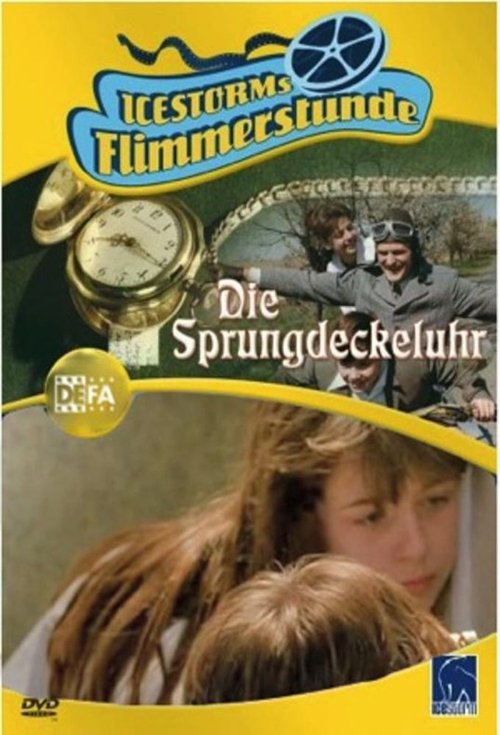
After the Nazis take over political power in Germany, the father of Rosi and Hansi, a member of the communist party, must hide from the police. One thing he left behind is a watch which might contain a message.
Using contemporary artistic representations in words and pictures, the documentary intends to create an overall view of the historical significance of the 450th anniversary of the Reformation in the historical image of the GDR. In terms of content, the film is limited to the city of Wittenberg as the historical center of the Reformation events. This period is seen as the beginning of the early bourgeois revolution, as Luther also made a certain contribution to the replacement of feudalism by the rising bourgeoisie by initiating the reformatory efforts. Lucas Cranach the Younger's panel painting "The Reformers in the Lord's Vineyard" runs like a common thread through the documentary and thus vividly conveys to the viewer the social upheavals of the 16th century between the Reformation and the German Peasants' War.
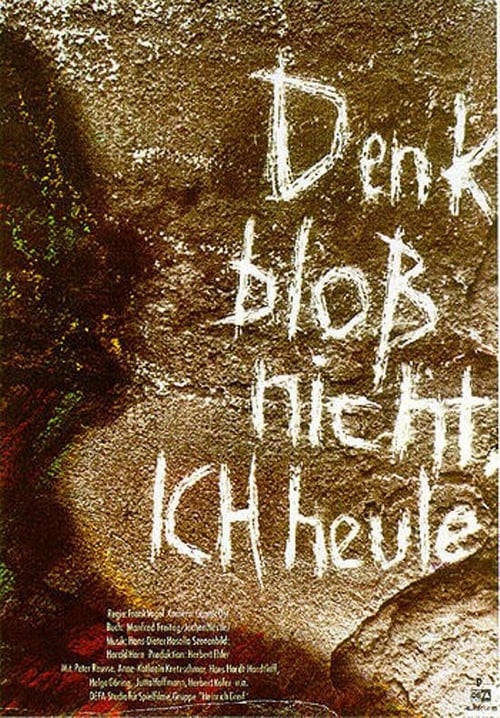
High-school senior Peter considers the adults around him to be hypocritical, self-congratulatory, and immersed in the past. He gets suspended for writing an essay that his teachers consider to be a challenge to the state. Just Don't Think I'll Cry became one of twelve films and film projects-almost an entire year's production-that were banned in 1965-1966 due to their alleged anti-socialist aspects. Although scenes and dialogs were altered and the end was reshot twice, officials condemned this title as "particularly harmful." In 1989, cinematographer Ost restored the original version, and this and most of the other banned films were finally screened in January 1990. Belatedly, they were acclaimed as masterpieces of critical realism.
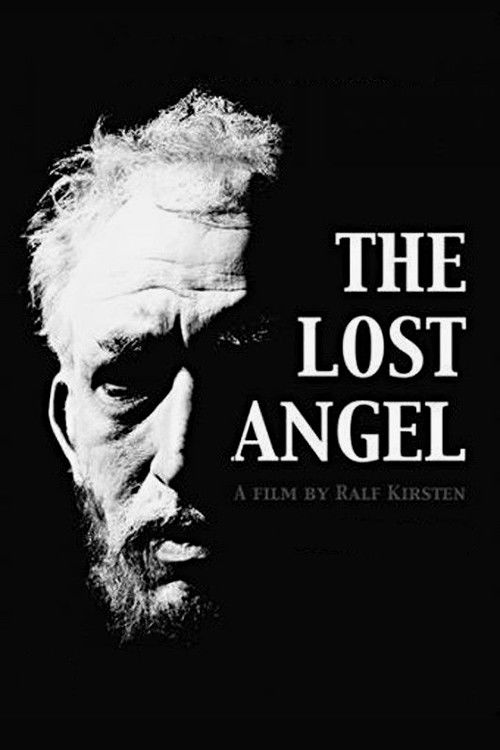
August 24, 1937: a day in the life of expressionist sculptor and author Ernst Barlach (Fred Düren). Barlach lives in the small town of Güstrow, keeping to himself and wanting to steer clear of politics. On this day he learns that the Nazis have dragged his famous 1927 sculpture The Hovering Angel out of the Güstrow Cathedral. Barlach begins to reflect on his life of “inner emigration” and on his work.
The King of Malabunt has won another war, after decorating himself and his three wooden marshals, he dismisses his army with a low wages. One of his soldiers protest this and is thrown into jail, but he swears to someday return and take all the wealth of the king.
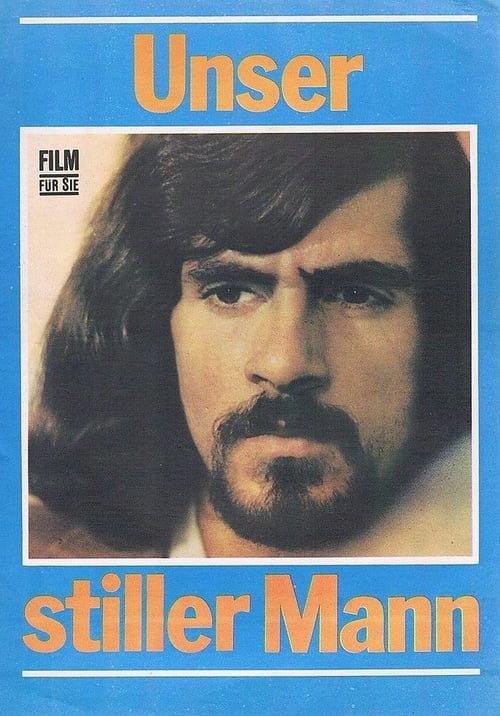
A new member joins Trumpolt's road construction brigade - Wenzel Heiseke, who has a reputation for being a loudmouth. But he has actually been dismissed because of his critical words. Trumpolt believes he can turn him around with his tried-and-tested hair-pulling method, as there are no problems in his decorated brigade. But unexpectedly for him and his colleagues, the newcomer remains stubborn and silent, refusing to be provoked by anything. His strange behavior divides the brigade. Conflicts in the teamwork that had previously been forcibly covered up erupt. Wenzel's silence is instructive for the brigade; they no longer want to do without him, who has found his way back to some truthful words. However, his behavior with the pretty Martina from the construction office almost leads to shipwreck ..
GDR border guard Gunter Rist is a young man from humble homes. During a swimming competition he meets Penny, a professor’s daughter from a good family, and they fall in love. However, their different social backgrounds get in the way of their happiness: Penny’s friends make it obvious that they are not willing to accept Gunter in their group. Although Penny takes Gunter’s side, she doubts if love can overcome all obstacles. In this state, she falls for the advances of her ex-boyfriend Bob and joins him on vacation. In the meantime, Gunter has an accident and is hospitalized. In the hospital, he meets the nurse Li who seems to be perfect for him.
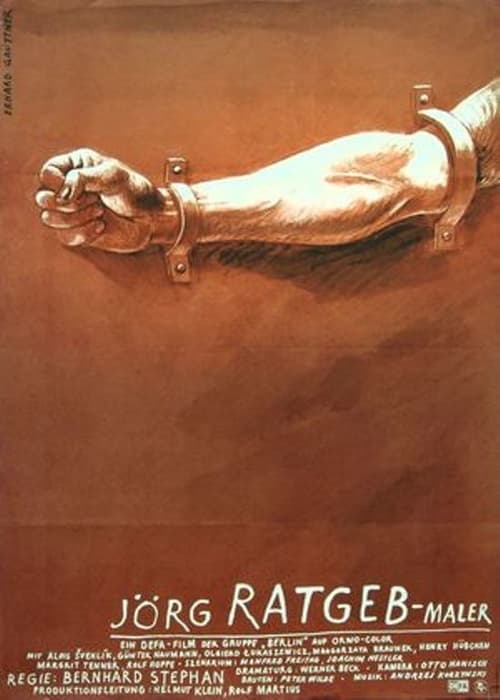
On the eve of the German Peasants' Revolt, painter Joerg Ratgeb is occupied by a crisis of his own: finding a model for a Christ figure. He sets off on a journey to consult with his artistic role model, Albrecht Dürer. Although Ratgeb has always tried to stay out of the political conflict, his journey brings him face-to-face with peasant revolutionaries and the brutality and violence of their daily lives.