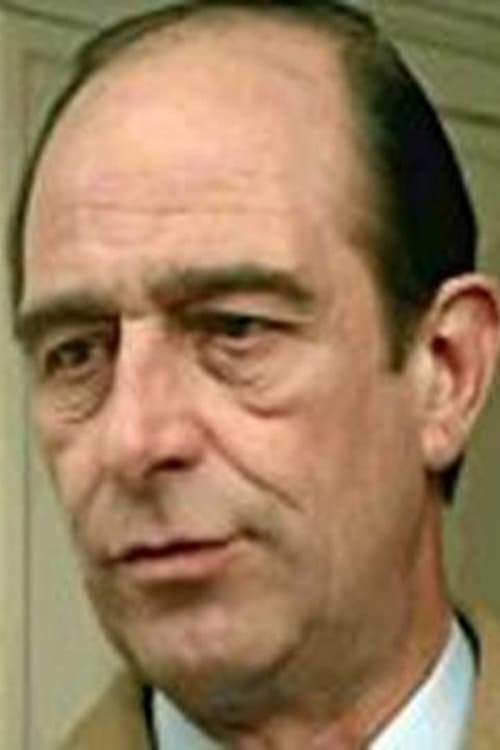
Xavier Depraz
Acting
Biography
Xavier Depraz, né Xavier Marcel Delaruelle (22 April 1926 – 18 October 1994) was a French opera singer and actor. Born in Albert (Somme), Depraz was a bass at the Paris Opéra until 1971. He took part in the premieres of operas by Marcel Landowski and Sergei Prokofiev. He also appeared as an actor, first on television, where he played the role of Ursus in The Man who laughs by Jean Kerchbron, then on the big screen. Depraz entered the Conservatoire de Paris in 1947 where he attended the classes of Fernand Francell for singing, Louis Musy for the stage and René Simon for theatre. He participated in the premieres of several operas: Marcel Landowski's Le Rire de Nils Halerius (1951) and Le Fou, Poulenc's Dialogues des Carmélites and, in concert version, Prokofiev's The Fiery Angel (1954). In the 1953 Paris premiere of The Rake's Progress at the Opéra-Comique Depraz was "a splendid Nick Shadow". He also sang in Bartók's Bluebeard's Castle, Verdi's Rigoletto, Mozart's Don Giovanni, Massenet's Don Quichotte and Thaïs among others. For his appearance as Méphistophélès in Monte Carlo in 1959 one reviewer commented "Xavier Depraz, immensely tall, and surprisingly thin and angular for an operatic bass, produced a suitably resonant and cavernous voice, and histrionically was satisfyingly demonic". He also appeared at the French provincial opera houses, Glyndebourne and Venice, and was appointed a professor of opera at the Conservatoire de Paris in 1973. In 1971, he began a career as an actor in film and television. His recordings include Une éducation manquée (Pausanias), Les Pêcheurs de perles (Nourabad), Romeo et Juliette (Frère Laurence), Carmen (Zuniga for Beecham and Haitink), Renard, Dialogues des Carmélites (Le Marquis de la Force) and the Duruflé Requiem. Depraz died in Saint-Étienne-de-Saint-Geoirs (Isère) on 18 October 1994. Source: Article "Xavier Depraz" from Wikipedia in English, licensed under CC-BY-SA.
Known For

A talk show presented by Michel Drucker
Les Rendez-vous du dimanche
No description available.
Samedi soir

No description available.
Cadet Rousselle
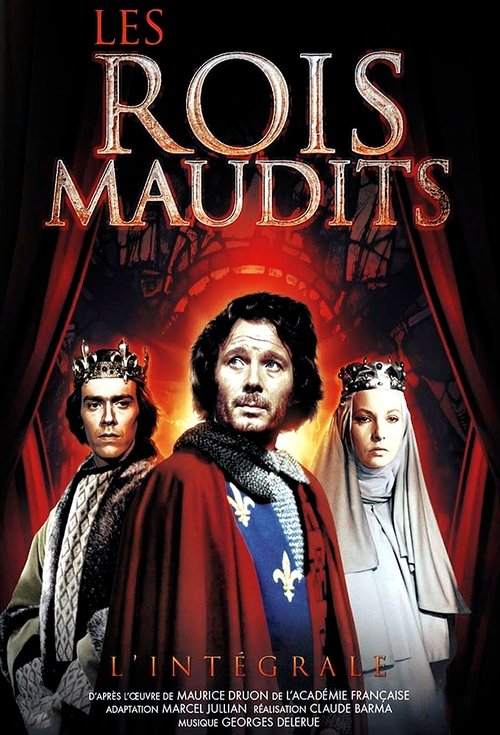
It is the start of the 14th century and Philip IV the Fair reigns supreme over France. His three sons would rule after him. Isabelle, his only daughter, is married to King Edward II of England. Under Philip's reign, France is great but its people are unhappy. Only one power dares to stand up to him: the order of the Knights Templar. When the last Grand Master of the Temple, Jacques de Molay, is burned at the stake, he curses Philip and so begins a dark period, full of blood and violence, death and tears ...
The Accursed Kings

Les Cent Livres des Hommes (ORTF, 1969-1973) was a series of literary programs created by Claude Santelli and Françoise Verny, and produced notably by Santelli, Jean Archimbaud, and Serge Moati. Planned for one hundred episodes but completed at thirty-nine, the series aimed to introduce great literary works, 'chefs-d’œuvre', to a younger audience through a mix of dramatization, reading, and documentary techniques. It marked a transfer of cultural legitimacy from writers and critics to a generation of television producers, offering a new model of educational and creative literary broadcasting - 'télévision d’auteur'.
Les Cent Livres des Hommes
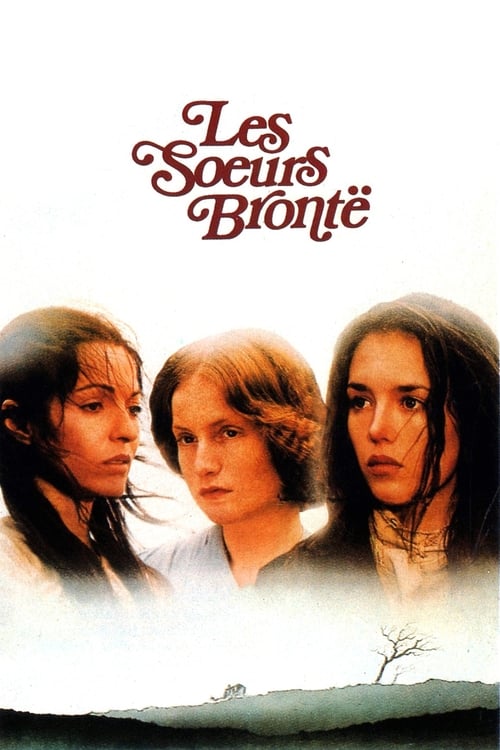
In a small presbytery in Yorkshire, England, living under the watchful eyes of their aunt and father, a strict Anglican pastor, the Bronte sisters write their first works and quickly become literary sensations.
The Bronte Sisters
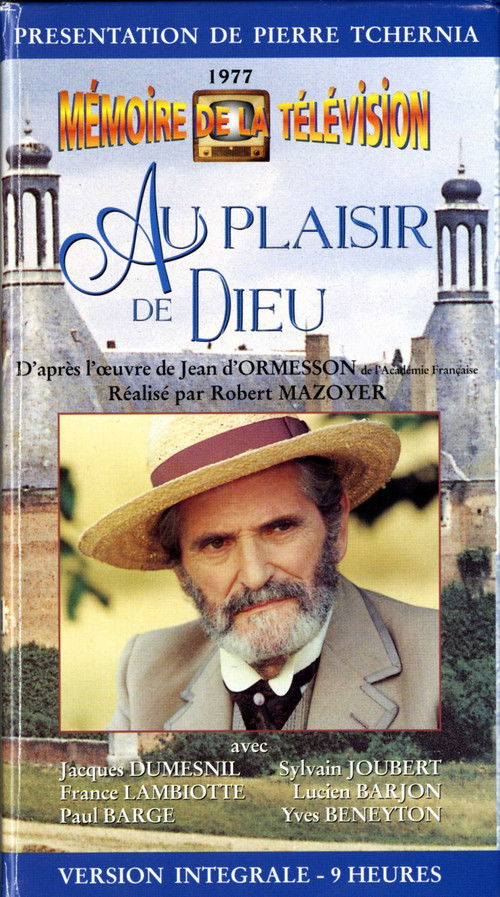
Over several generations, the story of an aristocratic French family spanning the 20th Century, from the two World Wars to the social and political upheavals of May 1968. Facing adversity, old Duke Sosthène tries to keep traditions alive.
Au plaisir de Dieu
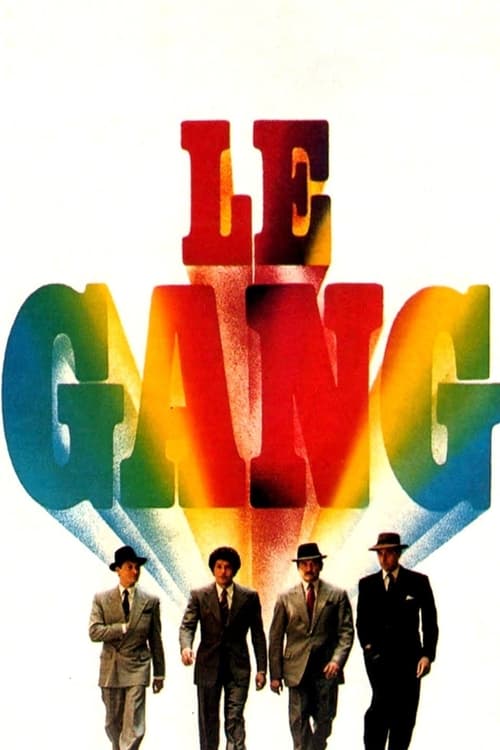
In 1945, as World War Two comes to a close, five small time crooks unite to form a gang. After several bold robberies they become notorious as "the front-wheel drive gang". The police attempt to stop their crime spree with little success, but how long will their luck last?
The Gang
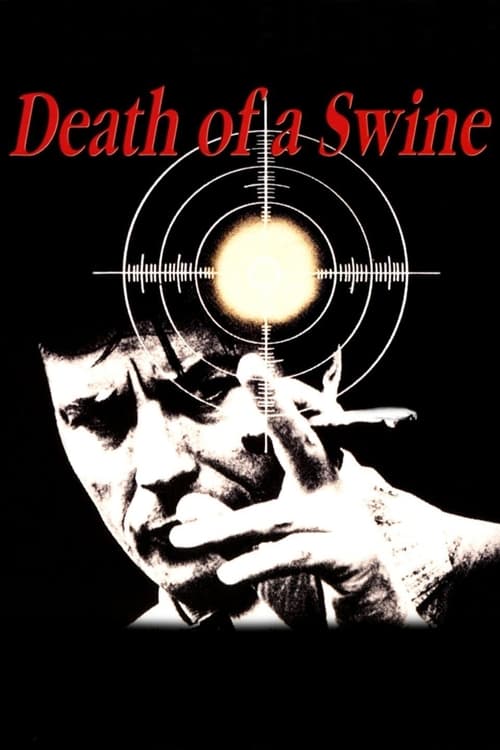
In the middle of the night, deputy Philippe Dubaye wakes up his old friend Xavier Maréchal with disturbing news: he has just killed Serrano, a racketeer with extant political connections. Serrano kept proofs of Dubaye's involvement in corrupt dealings and was poised to use them against the deputy. Xavier readily agrees to cover up for his old pal Philippe, but he soon runs into difficulties. Nobody believes Dubaye's alibi. And everybody -- influential personalities, powerful businessmen, dubious go-betweens and the police -- wants to get hold of the documents that served to blackmail Dubaye; by all possible means...
Death of a Corrupt Man

Victim of manipulation, Cop Choucas is wanted for two murders and searched for by every cop in town.
For a Cop's Hide
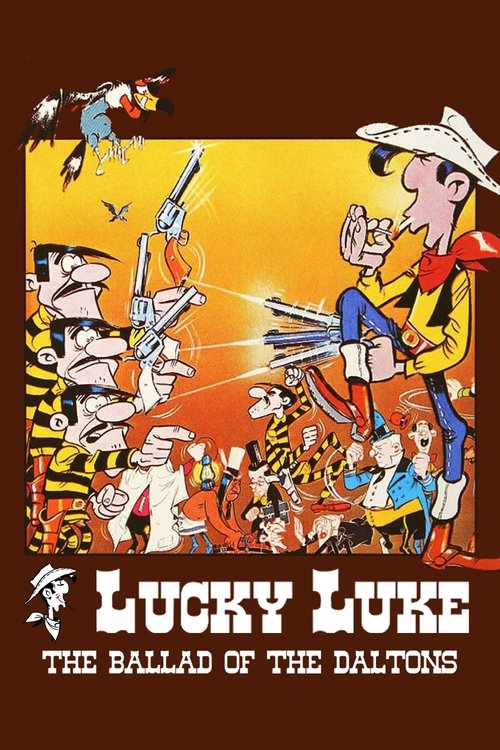
The Dalton brothers are to receive their dead uncle's fortune if they eliminate the judge and jury responsible for his execution. And to accomplish this task, they must enlist the help of Lucky Luke.
Lucky Luke: The Ballad of the Daltons
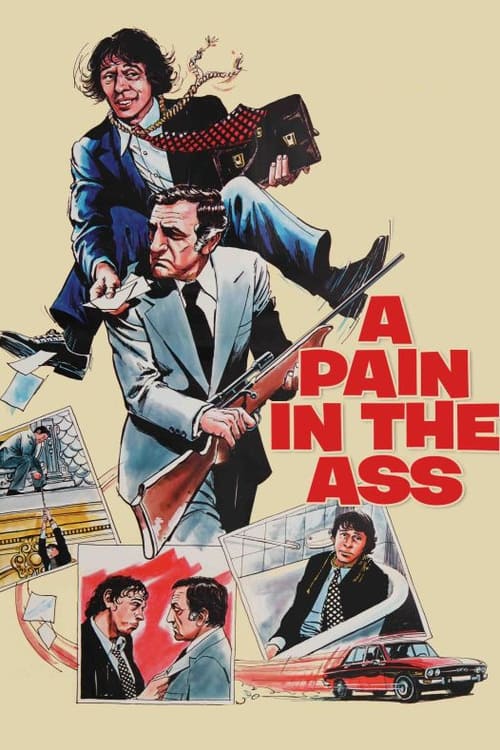
Ralf Milan, a hitman, arrives in Montpellier to kill an important witness. He checks in a hotel without knowing that his neighbour has become neurotic after his wife left him.
A Pain in the Ass
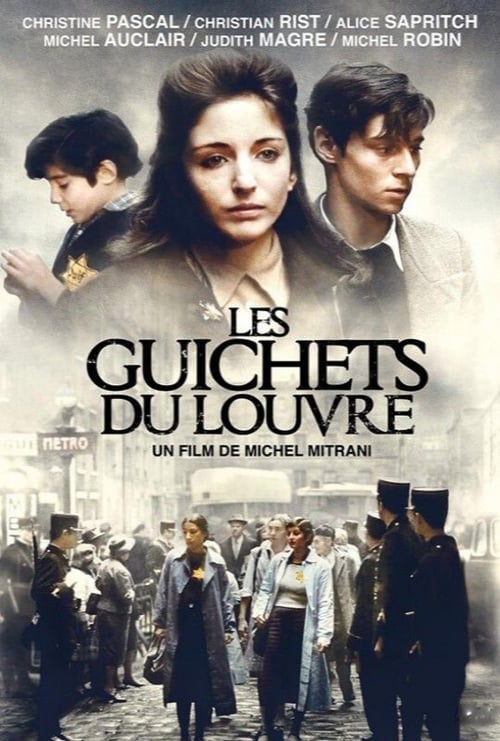
In Paris, in 1942, on a Thursday, the Parisian police herded together some 13,000 Jews for deportation to German territory. In this story, Paul (Christian Rist) is a teenager who tries to prevent this from happening. At first he attempts to save two elderly Jews, but they are resigned to their fate and comply with the order to assemble. For a short while, he is able to keep Jeanne (Christine Pascal) from joining them, but, after a long and strenuous day, she finally escapes from him he is too tired to chase after her.
Black Thursday
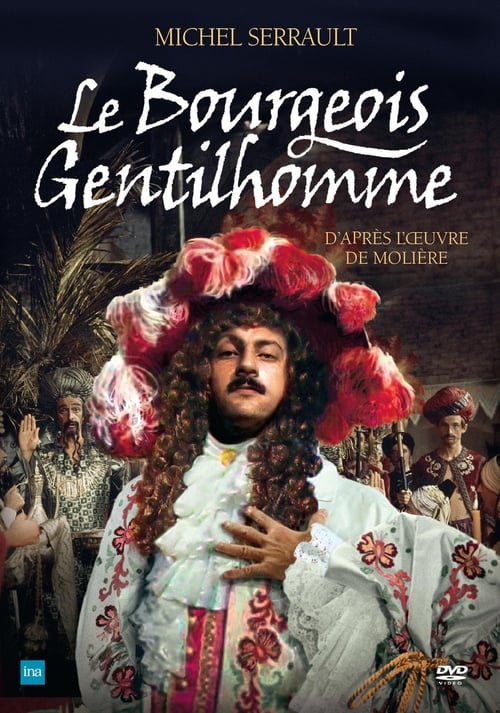
Le Bourgeois gentilhomme satirizes attempts at social climbing and the bourgeois personality, poking fun both at the vulgar, pretentious middle-class and the vain, snobbish aristocracy. The title is meant as an oxymoron: in Molière's France, a "gentleman" was by definition nobly born, and thus there could be no such thing as a bourgeois gentleman.
Would-Be Gentleman
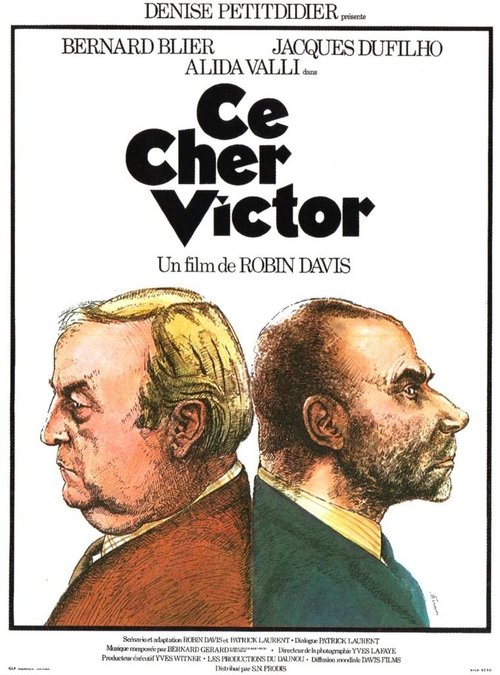
A pair of elderly men, friends for 40 years, find their relationship stressed when they set up housekeeping together in order to save money. Exploring similar ground to that covered in Neil Simon's play The Odd Couple, which spawned a movie and a television series, Ce Cher Victor explores the tragic and dramatic aspects of the story. The two friends, meek, sensitive Anselme (Bernard Blier) and blustering Victor (Jacques Dufilho) are swiftly driven apart by circumstances.
Cher Victor
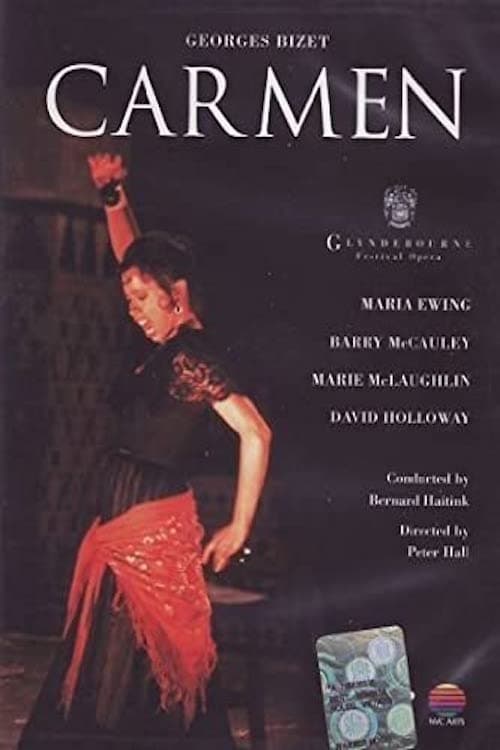
Don José is a guard who begins an affair with the tempestuous Carmen. He is imprisoned and loses his job, then flees with her to the mountains. When the relationship starts to break down José refuses to acknowledge it and will not leave, even when he gets news that his mother is dying. Carmen, meanwhile, has taken up with the bullfighter Escamillo. Bizet's most famous opera is brought to the Glyndebourne Festival Opera by Sir Peter Hall, with Maria Ewing and Barry McCauley heading an international cast.
Carmen - Glyndebourne Festival Opera
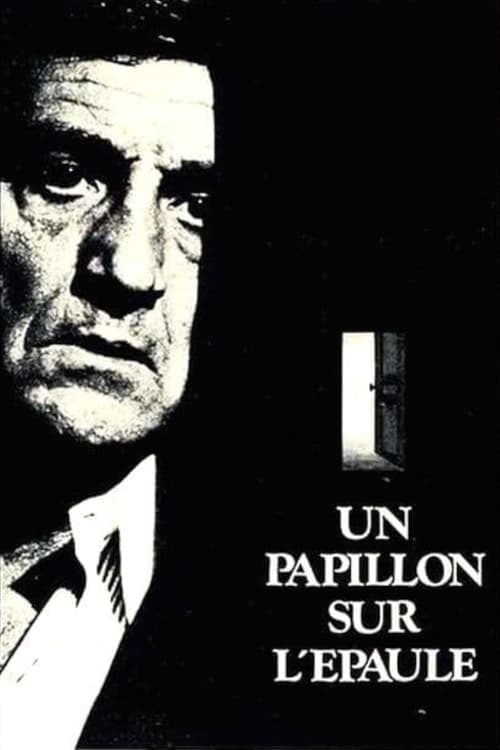
On a stopover in Barcelona, Fériaud Roland discovers a corpse in the hotel room next door. He wakes up in a strange clinic without remembering who brought him there. The doctor insists he hallucinated, but it's not long before he obtains evidence that it wasn't a dream.
Butterfly on the Shoulder
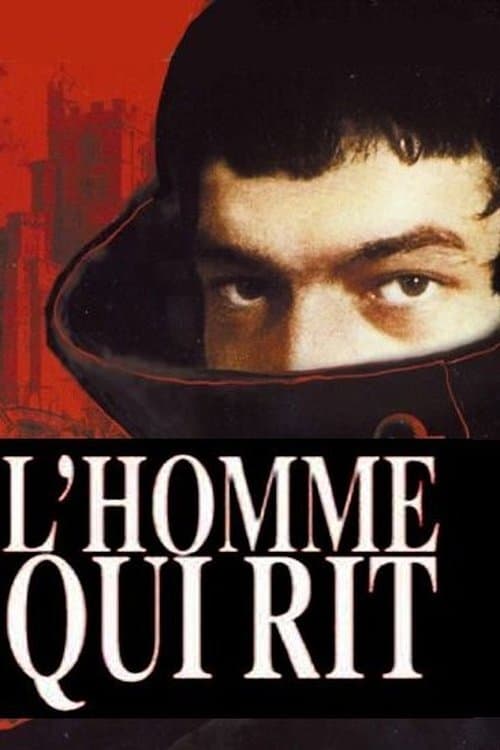
A three-episode series, based on the novel of the same title by Victor Hugo, telling of the adventures of two children, a blind girl and a badly scared boy, who are rescued and looked after by a vagabond.
The Man Who Laughs
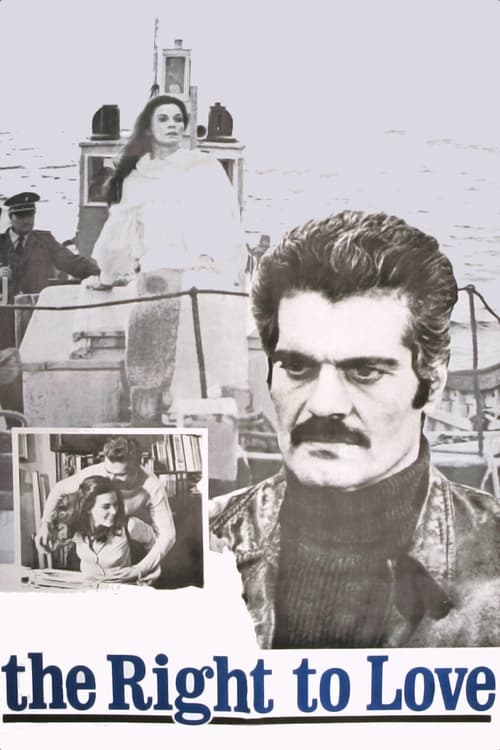
The tragedy of Helene and her husband Pierre, whose life is shattered when Pierre is kept as a political prisoner, while Helene is denied the right to visit him. A growing fear of losing her husband to tuberculosis takes over Helene, who does all she can to meet him, even for one last time.
The Right to Love
A look at Paris in 1928 in black and white and then color sequences filmed in the same places in 1959.