Acting
Polizeiruf 110 is a long-running German language detective television series. The first episode was broadcast 27 June 1971 in the German Democratic Republic, and after the dissolution of Fernsehen der DDR the series was picked up by ARD. It was originally created as a counterpart to the West German series Tatort, and quickly became a public favorite.
Der Staatsanwalt hat das Wort was an East German television series.
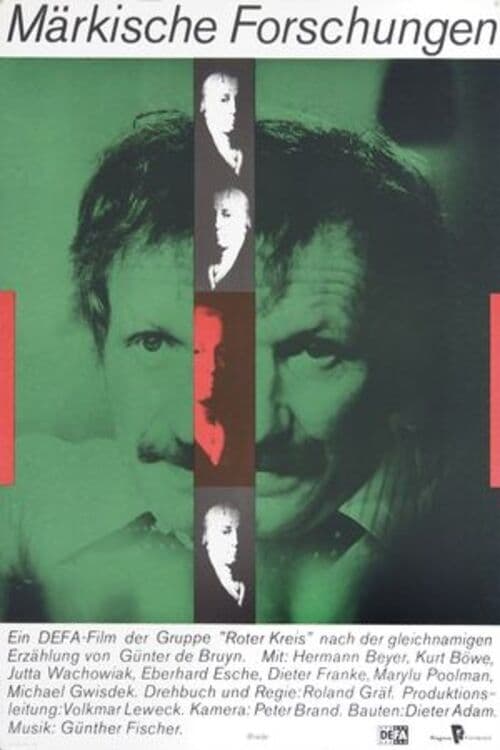
On a forest road in the Brandenburg March, village teacher Potsch accidentally encounters the distinguished Professor Menzel, who got stuck there in his car. In the conversation that ensues, Menzel and Pötsch quickly discover that they both are great admirers of the early 19th-century writer Max von Schwedenow who was born in the area.
A group of kids grow up on the short, wrong (east) side of the Sonnenallee in Berlin, right next to one of the few border crossings between East and West reserved for German citizens. The antics of these kids, their families, of the "West German" friends and relatives who come to visit, and of the East German border guards, all serve to illustrate the absurdity of everyday life on the Sonnenallee, and therefore throughout the former East Germany.
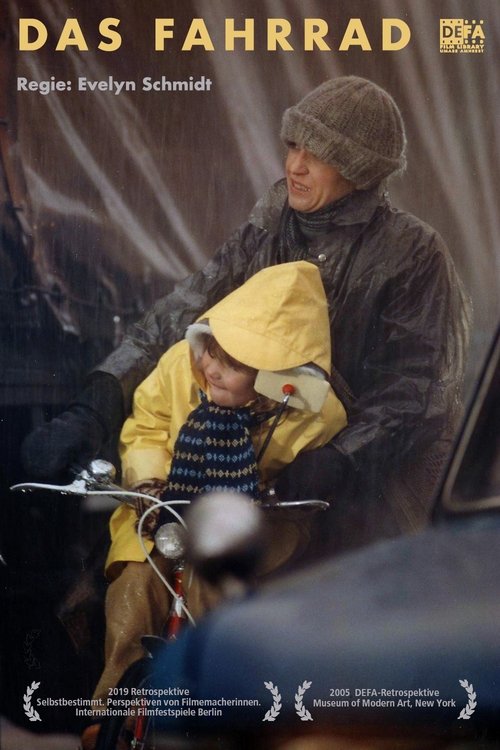
Susanne is a young single mother who lives a somewhat "carefree" lifestyle. After quitting her job, she finds herself in trouble financially and attempts a minor insurance fraud to make ends meet. Despite its rare view of everyday socialism from a woman's perspective, East German officials were critical of this frank portrayal of a less-than-ideal socialist citizen and turned down all invitations for the film to be screened abroad.
Johann Hull, a man with revolutionary charisma, comes to St. Barbara one day. He encourages the starving fishermen to fight to improve their living conditions. They dare to revolt.
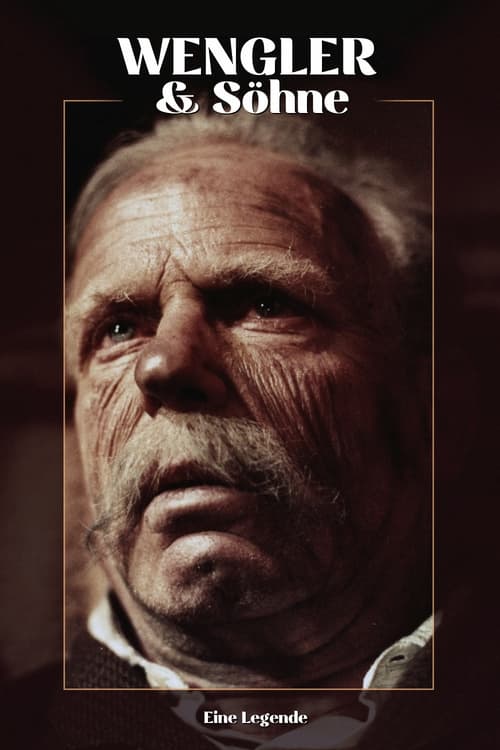
A story spanning three generations, from 1871 to 1945. When Gustav Wengler, a farmer’s son, returns from the Franco-German war in 1871, he goes to work for a precision mechanics and optical company, where he soon becomes a master craftsman. Wengler loyally promises the owner on his deathbed that his sons and grandsons will also stand by the company.
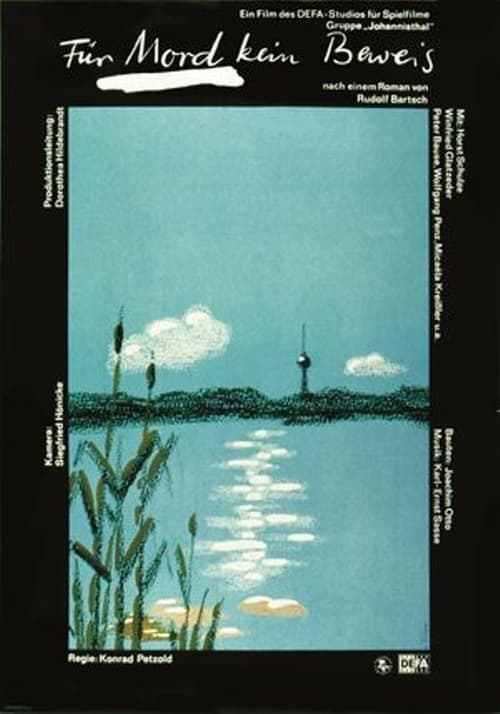
After a fierce argument Steffi Zinn′s husband leaves the joint flat and stays away from home over night. The next morning, his wife Steffi has disappeared and is reported as a missing person. Captain Lohm takes over the case and at first looks for signs of a murder, but to no avail. Then, Steffi′s body is found in a lake. After her funeral, a stranger who had attended Steffi′s funeral for a short time is also found dead in a lake, and the connection between the two cases becomes apparent.
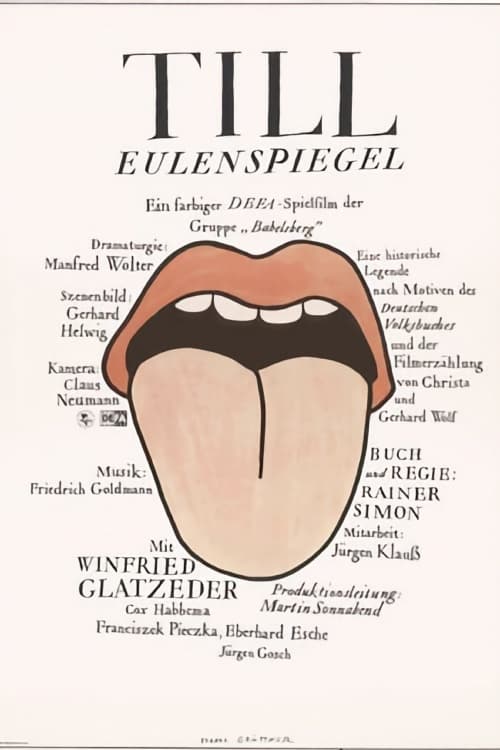
In medieval Germany, poor and witty Till Eulenspiegel fools and cheats citizens, churchmen, and landlords. Although in most cases he uses his wit for personal well-being, he often helps the poor and weak. Eventually, he gains an influential but also dangerous position as royal fool at the court of the emperor.
TV adaptation of Michael Thalheimer's production at the Deutsches Theater Berlin.
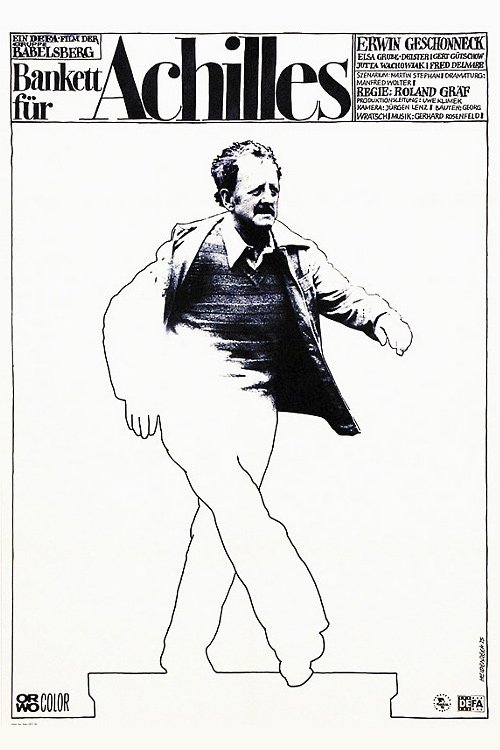
For thirty years, Karl Achilles has been working at the chemical collective in Bitterfeld. But now his last day as a master at the plant has come. He is about to retire; even if Karl, who finds ending his working life difficult, wanted to stay on, it would not be possible. Karl’s colleagues have arranged a farewell dinner for the retiring master at an outdoor restaurant. But on his last day of work, before the farewell dinner, he meets all sorts of people: both colleagues and people, who do not work at the plant. A mosaic of the biography of a person who found fulfilment in his work and now has to look for the meaning of his life anew.