Ben Neufeld
Editing
Known For
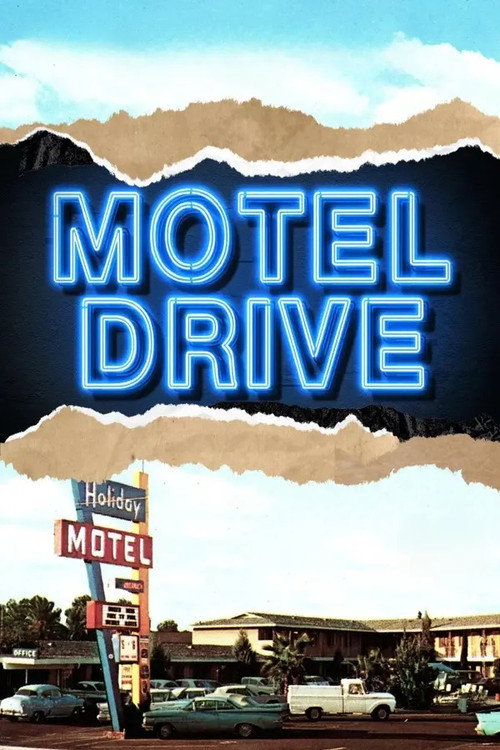
Within a community of motels infamous for illicit activity, the Shaw Family grapples with housing insecurity and addiction while trying to raise their young son. When California's High-Speed Rail Project displaces them, a glimpse of stability appears within reach. A vérité, street level vantage of post-industrial America, documented over eight years, on one city block.
Motel Drive
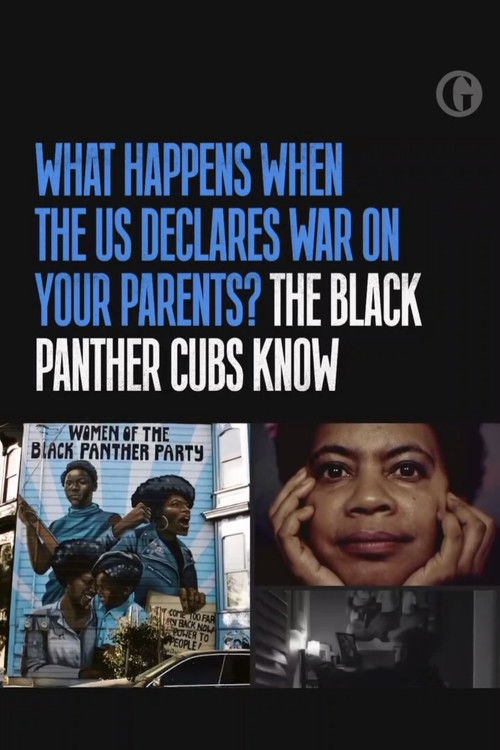
They are the children of the Black Panther party – the self-styled Panther cubs. Born into the 1970s revolutionary movement for Black equality and self-determination, they have lived in the shadows of a promised land that was never attained. We join them as they continue to wrestle, 50 years later, with the dichotomy of their extraordinary childhoods: the enormous pride and love it gave them as members of the Black Panther family, and the booming loss they endured – of parents, of security, and of the hope for radical change that did not materialise. That hope lives on in the cubs, and their reflections on America’s current crisis offers burning lessons for today.
The Black Panther Cubs: when the revolution doesn't come
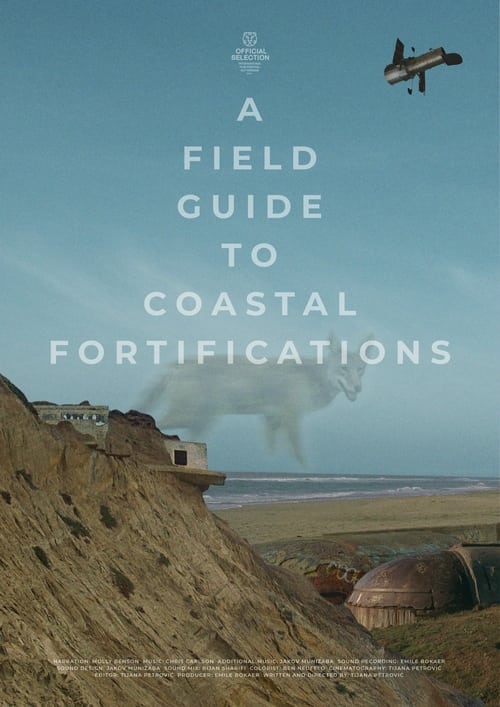
A Field Guide to Coastal Fortifications is an essay film charting the technological evolution of military bunkers built within the San Francisco Bay’s eroding coast. The film observes a dynamic geological relationship between the literal structures of colonial power, and the land itself. As symbols of military might, the bunkers were tasked with protecting the coast from ‘perceived threats.’ Constructed, reconstructed and updated over time, these structures stood and waited for the enemy that never came. Against the backdrop of a changing landscape and its mythology, the film looks at the evolution of military technologies of seeing.
A Field Guide to Coastal Fortifications
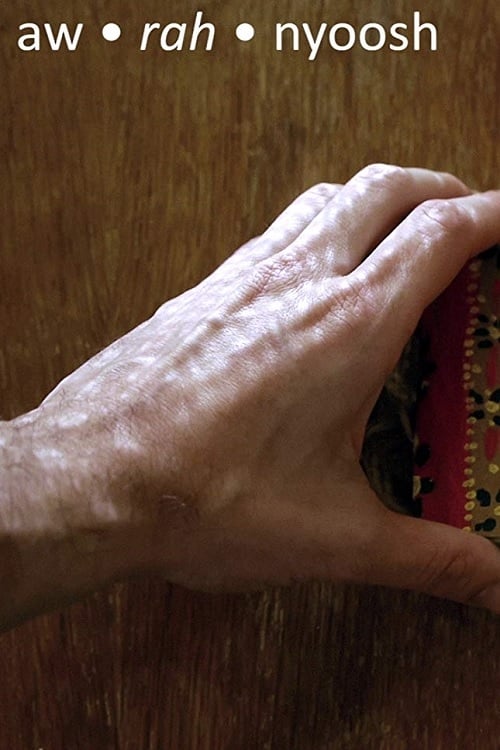
A documentary filmmaker attempts to imagine, along with his father, his grandmother's experience at a labor camp during the holocaust.
Aw Rah Nyoosh

A girl goes missing.
lolo

"Christmas, Every Day" gives a slice-of-life glimpse of preteen influencers Peyton and Lyla Wesson, ages 11 and 12, as they perform for their online fans under their mother’s watchful guidance. Shot in a series of highly composed, locked-off takes, the film examines everyday cultural practice under late stage capitalism, juxtaposing rural life with the patina of the virtual world. As Peyton and Lyla shift between performance and reality, ideas of self-presentation as empowerment, female confidence, and self-branding come to the fore.