Acting
No description available.
Finding the body of the regional politician Karas, killed in the spirit of medieval torture and carefully arranged in a strange scene, unleash police hunt for a sadistic perpetrator. He puts investigation team in the way of a complex series of murders that shake the local region and criminologists themselves.
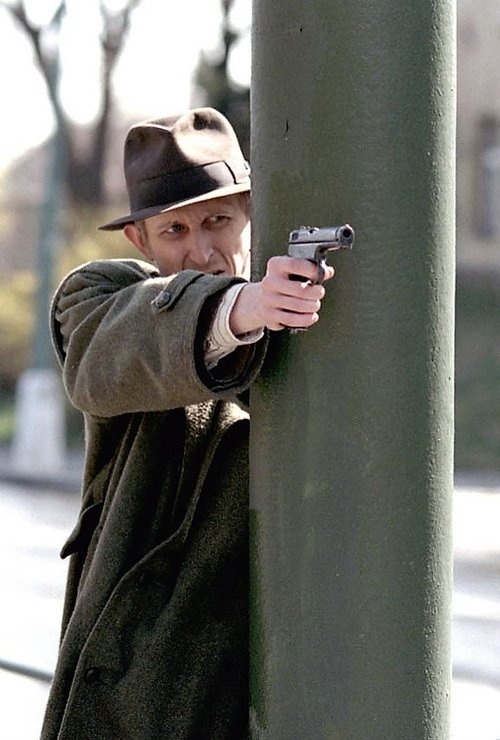
Three kings is Czech war series that was aired in 1998. It is loosely based on story of members of ressistance organization Obrana národa who were known Three Kings. This group consisted of Josef Balabán, Václav Morávek and Josef Mašín.
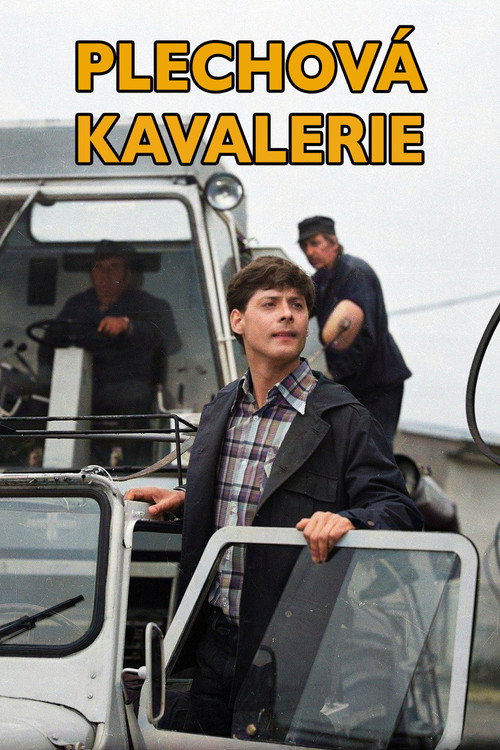
Plechová kavalérie is a Czechoslovak/Czech TV series about combine operators filmed by Jaroslav Dudek.
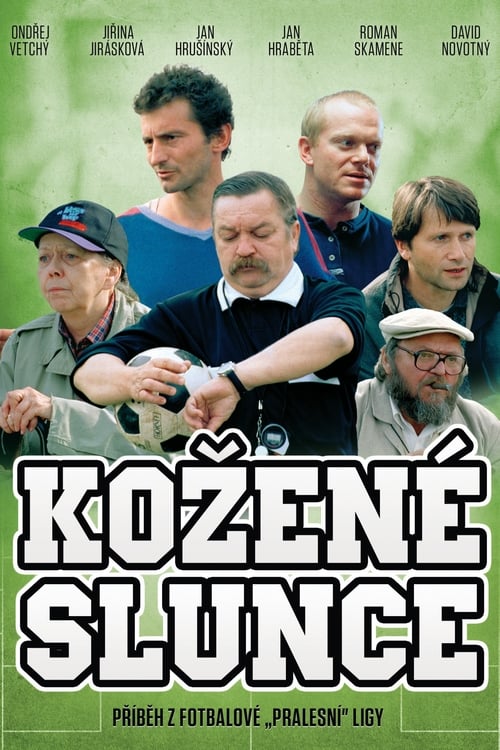
As the name suggests, the movie is about football. It is not about big league soccer, making huge money. It is about football, which lives just from village fans enthusiasm, from the enthusiasm of fathers and their sons and club officials. And yet on this battlefield, where the pub and silent household alternates, it is often about everything: friends, family, the meaning of life. It is about playing fair, but also about fighting below the belt. It is about winning, but also about falling into the abyss of the league wilderness.
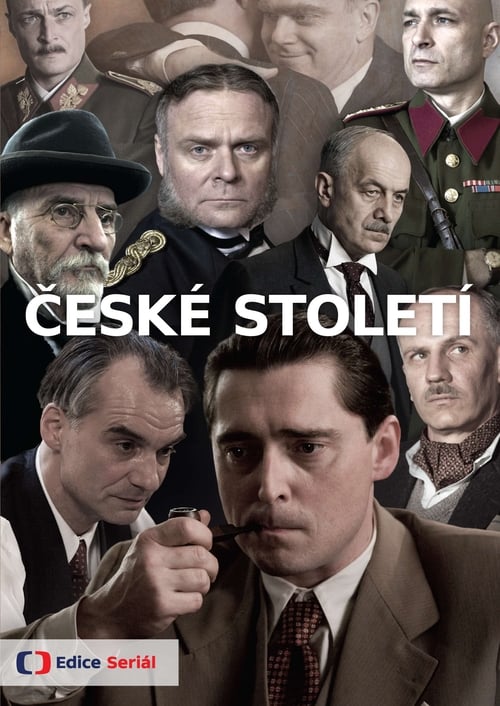
Czech Century brings the key moments of the history of the Czech nation from 1918 to 1989.
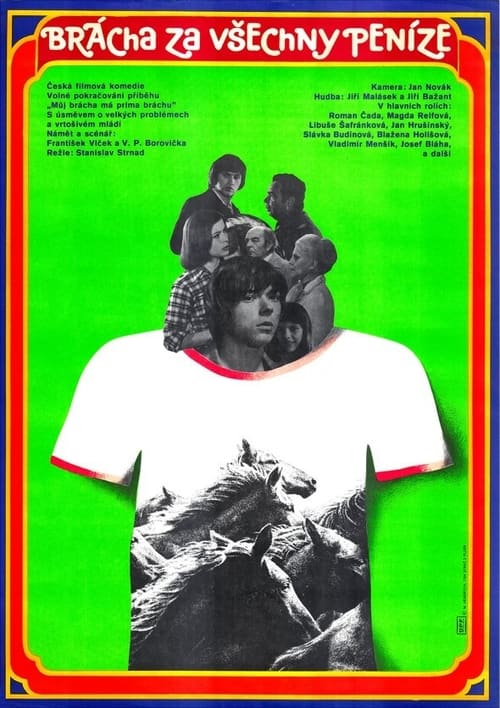
Honza and Zuzana are very young husband and wife. They have a little daughter of whom willingly occasionally take care the grandparents and Honza's fifteen-year-old brother Martin. Zuzana continues studying and Honza devotes all weekends as an amateur competitor to the motor-cycles at the speedway. Zuzana is not interested in motor-cycles. Martin holds responsible for his brother's marriage and at the advice of his friend Magda, who is of the same age, invites her sister-in-law to the club of Hucul horses so that she does not feel bored. But by misfortunes and unexplained quarrels both young husband and wife start being jealous of one another.
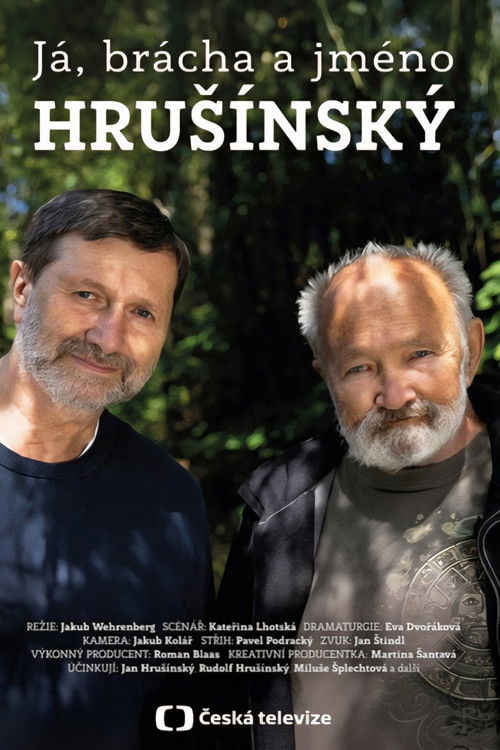
According to family legend, the name Hrušínský was born after Rudolf and Jan Hrušínský's grandfather Rudolf Böhm was caught stealing pears on a theater stage. The German name Böhm suddenly became Hruškovský and shortly after that Hrušínský. Grandfather Rudolf, later known as Rudolf Hrušínský the eldest, adopted the surname as his own and began using it in 1935. However, the history of the Hrušínský acting family goes back much further. It is therefore not surprising that the brothers Rudolf and Jan also took the same path. The documentary charts their acting beginnings alongside their father Rudolf Hrušínský Sr., from their first roles, through theater engagements at the Drama Studio in Ústí nad Labem and the Drama Club in Prague, to unforgettable film and television roles, when three generations of Hrušínskýs often met in front of the camera.
A story set in a small village in Sudetenland between 1937 and 1945. "Habermann" is based on true events.