Acting
Der Staatsanwalt hat das Wort was an East German television series.
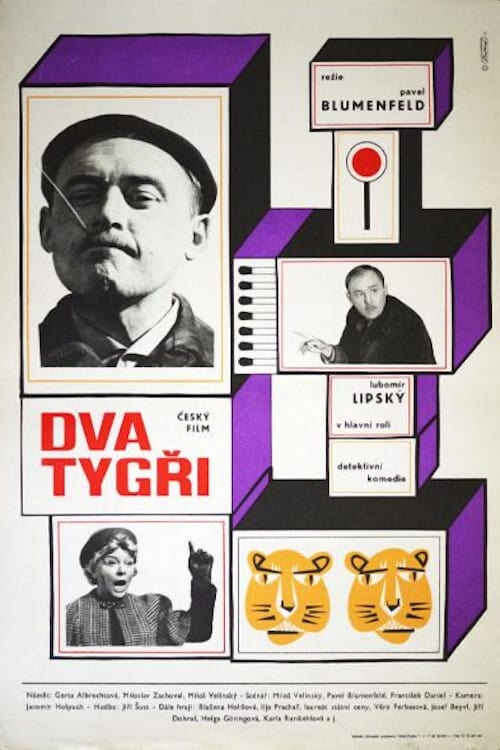
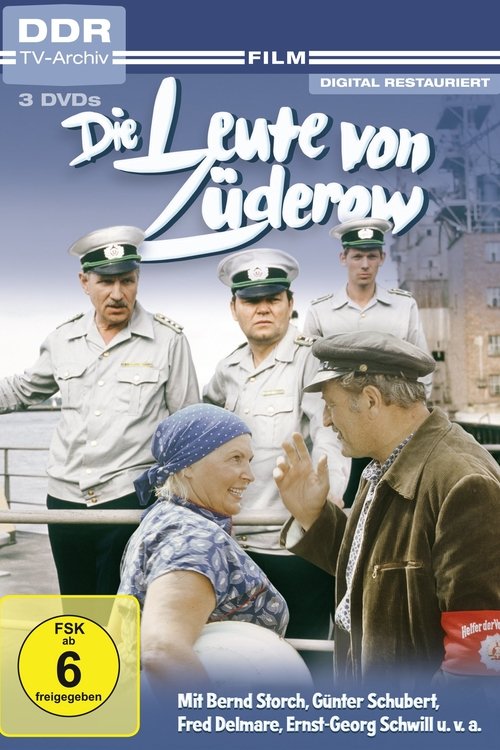
When a volunteer police helper is too proactive, he causes more confusion than good. The unfortunate man has no idea what the testimony of an unreliable witness can do...
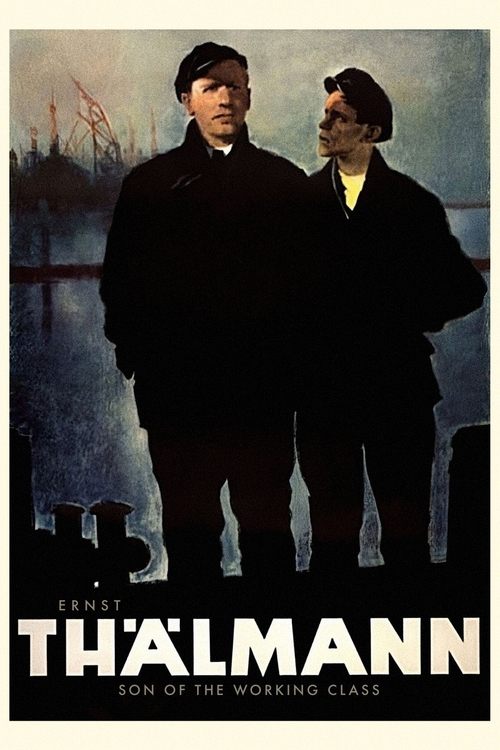
This film is the first of a two-part historical and biographical portrait of the communist politician and anti-fascist Ernst Thälmann. In early November 1918, Ernst Thälmann is an unwilling soldier serving on the western front. As the revolutionary movement at home is threatened by the betrayal of the Social Democrats and fissures in the working class, Thälmann calls on his fellow soldiers to put down their weapons and unite with the workers in the communist struggle at home. Thälmann’s qualms about which side he is fighting on continue, but when the local police attempt to prevent a shipment of provisions and supplies from reaching the people in Petrograd, he intervenes and the ship is unloaded. With this moment of clarity, Thälmann continues to follow his political convictions and joins the workers at the Hamburg uprising in October 1923.
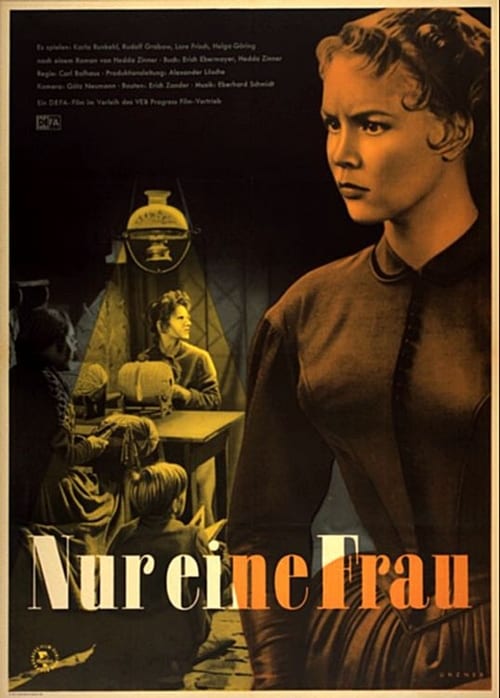
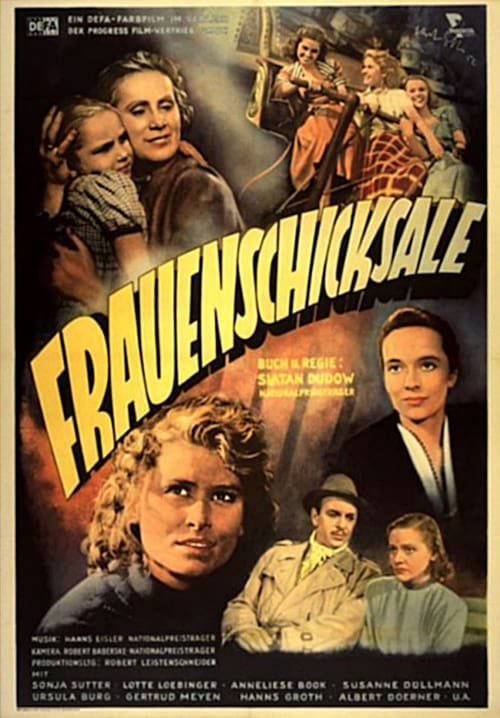
The film tells the life story of Louise Otto Peters, who in the middle of the XIX century in Germany for the first time raised a voice of protest against the unfair treatment of women and their labor. She created the first "women's newspaper" in Germany. The daughter of a famous lawyer, Louise could have easily arranged her life by marrying the wealthy Baron Rodern. But she chose a different purpose in life - to fight for equal rights for women. Through her articles and public speeches, she won the authority and respect of ordinary people.
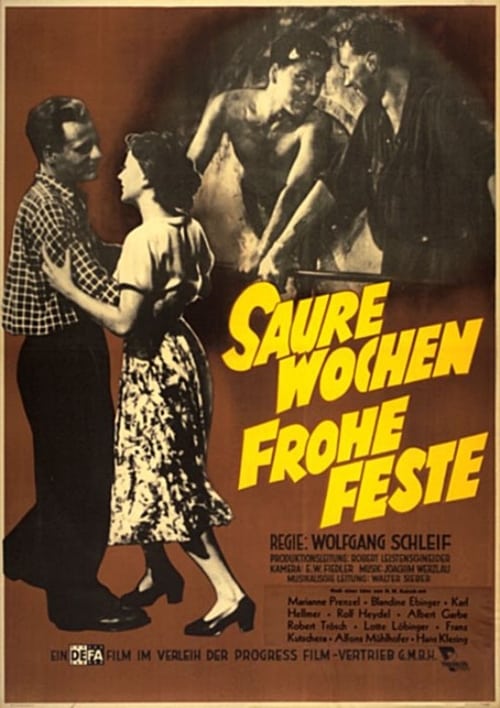
A theater competition breaks out on the occasion of the four-year anniversary celebrations at the Hennigsberg power plant. The old hands want to perform the kitschy musical comedy "Gärtnerliesl". The youngsters are against it and are planning their own program with which they want to skewer events from the plant in a cabaret style. But first, everyone has to work together on a turbine breakdown. On the day of the festival, the "Gärtnerliesl" fails with timpani and trumpets, while the youth's program is met with great applause, which the rivals join in with.
It’s the spring of 1945 in a small resort town on the Baltic. Günter is 16 and firmly believes that the Germans will win the war. During the hunt for a forced labourer who is on the run, Günter catches him and watches as he is shot to death. He proudly accepts the award of an Iron Cross before being shipped to the nearby front as part of the last contingent of troops. He is quickly captured by Soviet soldiers, but manages to escape and return home. When the town is occupied by the Red Army, Günter is arrested for the murder of the forced labourer. The film was banned in 1968 before it was completed, and a large portion of the negative was later destroyed.
No description available.
Paul Pospischiel loses his job in the great colliery collapse in the Ruhr, retrains and builds a new life for himself. One day, he receives a letter from his mother, which tears him from his comfort zone and triggers a serious conflict. She has discovered the man who sent his father to a concentration camp decades ago and is therefore responsible for his death. The mother demands accountability from this man. Paul decides to confront the suspected informer and murderer...
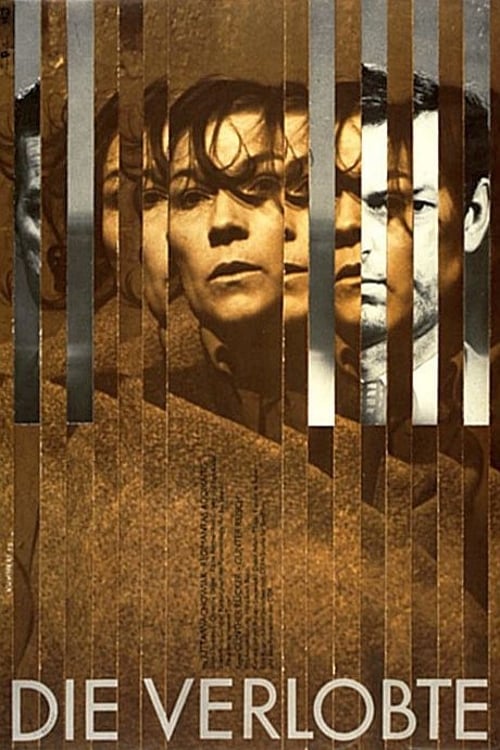
The wrenching story of a woman sentenced in 1934 to ten years in prison for antifascist activities. The love between her and her fiancée enables her to survive the tribulations of her time in prison, where she is one of few political prisoners.
A young woman from a progressive middle-class family moves to Shanghai with her husband Rolf in the mid-1930s. Although she has a child, she is not prepared to retreat into private life. She meets Dr. Richard Sorge and decides to become a scout. After training near Moscow - she is given the cover name Sonja - she is sent to Manchuria on her first assignment with her comrade Ernst. She has an affair with Ernst and has a child with him. A new assignment that takes her to Poland separates her from Ernst. She is awarded the Order of the Red Banner in Moscow for her work. She then goes to Switzerland and radios information about the impending war to the Soviet Union. She meets Rolf and Ernst, who are on an assignment in the Far East. Sonja marries an Englishman to avoid being extradited to Germany.
Berlin 1952, seven years after WWII. Four women are looking for a good man and happiness in the divided city. Their destinies are loosely connected through one person: the West Berlin dandy and womanizer, Conny.
The authorities expect the case of Friedel Walter, alias "Dr. Mueller," to be a straightforward one: he was working as a doctor without proper credentials under a false name. But Mehlin, the man in charge of his case, knows that there is more to the story. When he was injured fleeing from a concentration camp, resistance worker Irene asked her medical student boyfriend Walter to give him medical care.
World War II is over and Heinrich, a young German boy, influenced by the Russians, starts to act according to Communist principles in a small German village.
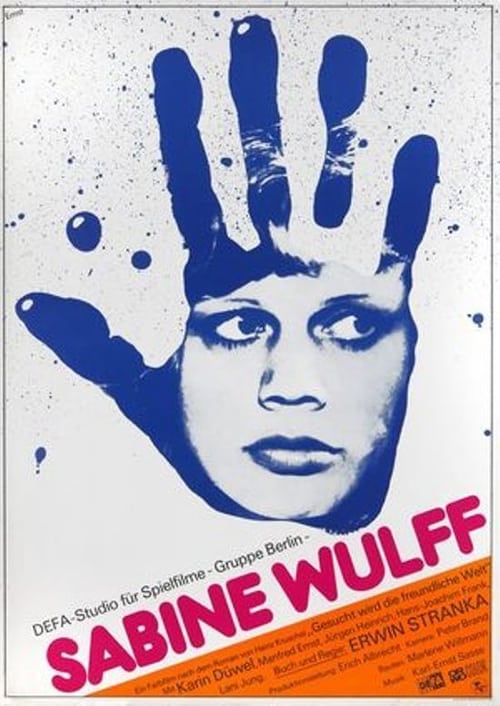
Sabine Wulff is almost 18 when she is released from the juvenile detention center. She doesn't want to return to her unsupportive parents or to her former boyfriend Jimmy, who got her into trouble by persuading her to steal cigarettes. She instead chooses to begin an honest life by getting a job and renting her own room.
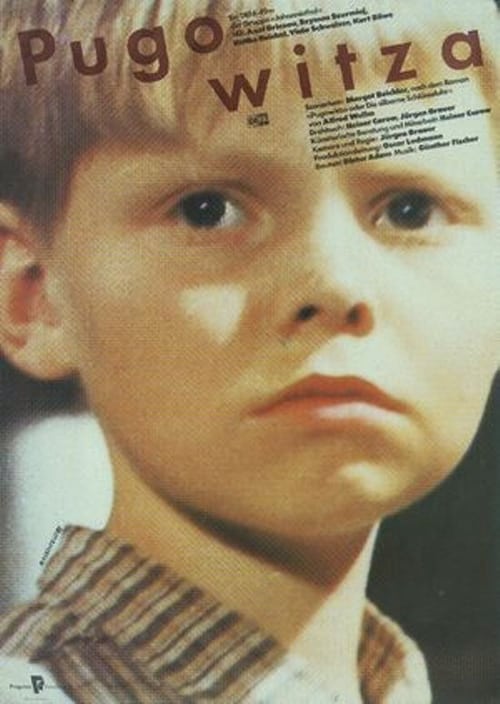
Little Daniel is a huge fan of cycling. He constantly drives around on his three-wheeler, knowing that he wants to become a famous racing cyclist – just as fast and famous as the world champion Täve Schur. But until then he has to struggle with the difficulties of growing up. His mother, for example, wants him to drink milk – even though Daniel does not find this very suitable for world champions. To get affirmation, Daniel starts searching for his role model Täve. On the way, he has some interesting encounters and experiences many adventures. When he finally meets Täve at a race, Daniel is astonished to watch him pleasurably drink a bottle of milk after an outstanding victory.
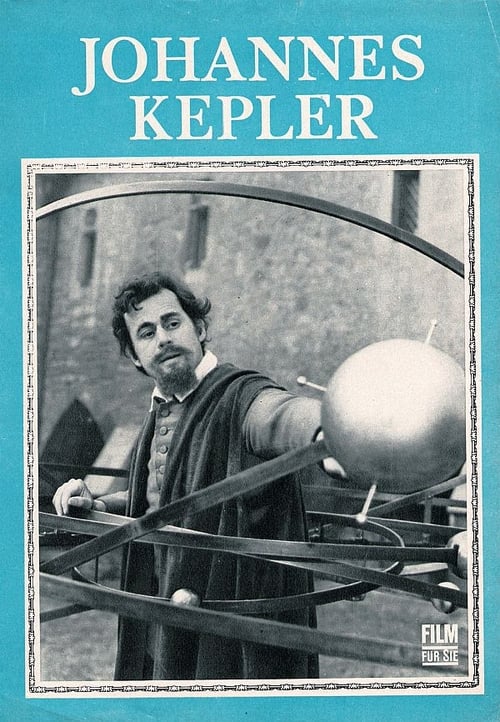
Europe, 1620: The well-known astronomer and mathematician Johannes Kepler, who teaches as a professor in Linz, receives the message that his mother is prosecuted as a witch in Württemberg. The truth behind the allegations is rather simple: His mother has been denunciated by a former friend after an argument with the authorities. Kepler tries desperately to convince the prosecutors of the absurdity of their allegations with rational arguments.
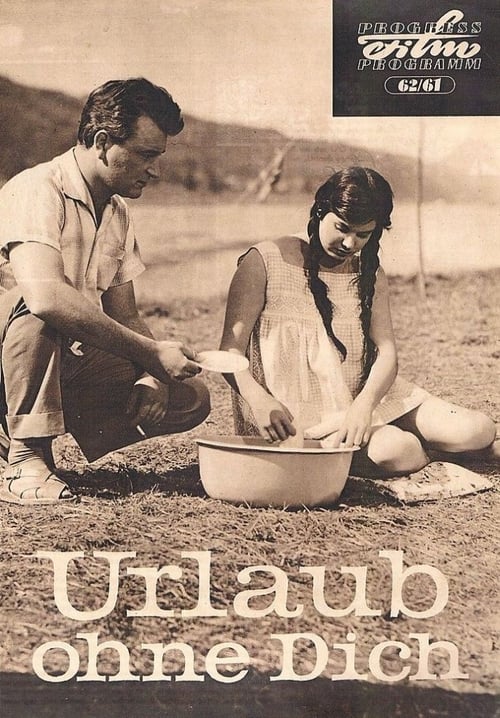
Hannes comes forward with a suggestion on how to make his brigade more efficient. Due to his success, he and all of his colleagues are granted a special leave. They decide to spend their free time in a holiday home. Hannes, however, does not join them. Instead, he pretends that he has to help his wife Irma with the installation of a machine for the agricultural cooperative. While Irma thinks that he spends his holiday with the brigade, Hannes goes on a road trip with the young and pretty Monika who has no idea that he is married.
A cheerfully turbulent GDR TV comedy about a group of elderly people who organize their lives with courage and cheerfulness. Trude and her male senior citizens want to redesign a dilapidated old construction trailer in their new residential area to create a nostalgic arbor. Inspired by the term "construction-related art", they also gave their house on wheels a highly artistic exterior façade. And should any problems arise during the realization of the project: "Don't despair, ask Trudchen"! After all, the whole project is just the prequel to a "wedding in old age" that the aforementioned Trude and her groom Heinz want to celebrate.
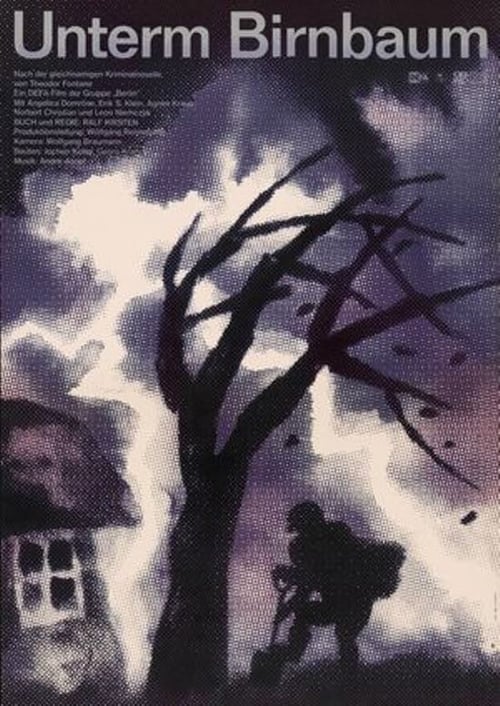
Abel Hradscheck, the owner of an inn in the Oderbruch country, faces financial ruin. For this state of affairs, Ursula, his wife and former actress, is by no means free of blame. She is a "newcomer" to the area and even after eleven years in the area, still a "stranger". A Cracow company announces that a money-collector is on his way to the innkeeper. Mr. Szulski arrives and the debts are settled - with money supposedly stemming from an inheritance. The next day, Szulski departs but according to the maid and the stable-boy, behaves in a very strange manner. Soon afterwards, his carriage is discovered in the Oder River, but there is no trace of the drowned man. Hradscheck's neighbor starts casting suspicion on the innkeeper. The Counselor of Justice, who heads the investigations has the spot under the pear tree dug out. A dead body is exhumed...