Acting
No description available.
The film is set in the 1930s in Germany. Maria Rheine and Mark Löwenthal, two young actors working in a small theater, are in love with each other. Their love affair is interrupted by Nazi racial policies; Mark is no longer allowed to perform in German theaters because he is a Jew. In order to continue acting, he joins the newly formed Jewish Theater in Berlin. Maria, who is not Jewish, faces no restrictions on her career, and she becomes a successful actress at a big theater in Munich. But her love for Mark eventually leads her to decide to sacrifice both career and security to remain close to him. She fakes a suicide, assumes a Jewish identity and, as Manja Löwenthal, joins the Jewish Theater.
Stülpner-Legende is a German television series.
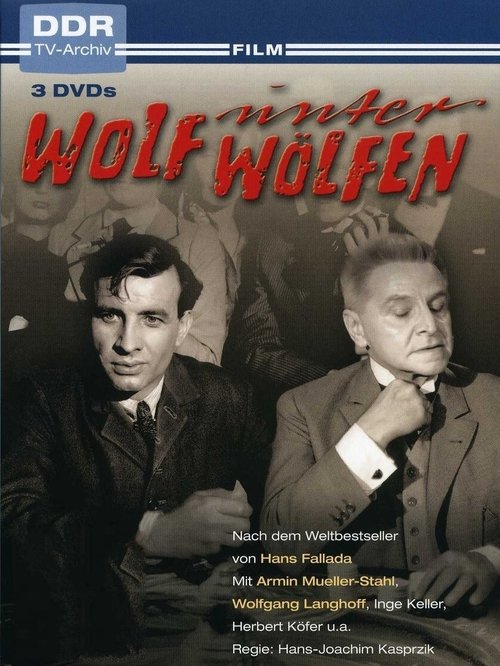
The living conditions during the period of inflation in the early 1920s are depicted in a fascinating way. Behind a shiny façade, ordinary people struggle for bare survival. Opposite them stand landowners and former military personnel with their complacency, ignorance, and emptiness! The title character, Wolfgang Pagel—a cadet officer, unemployed and a gambler out of desperation—loses everything on the night before his wedding and sets out in search of money in the inflation-ridden Berlin of the 1920s.
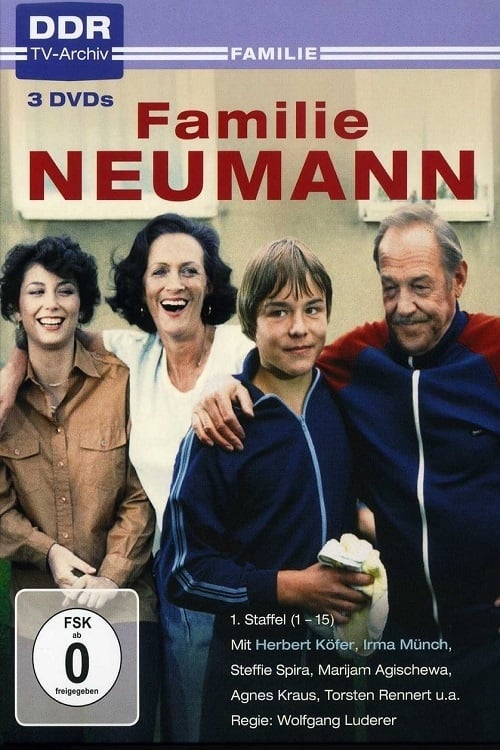
Familie Neumann is a German television series.
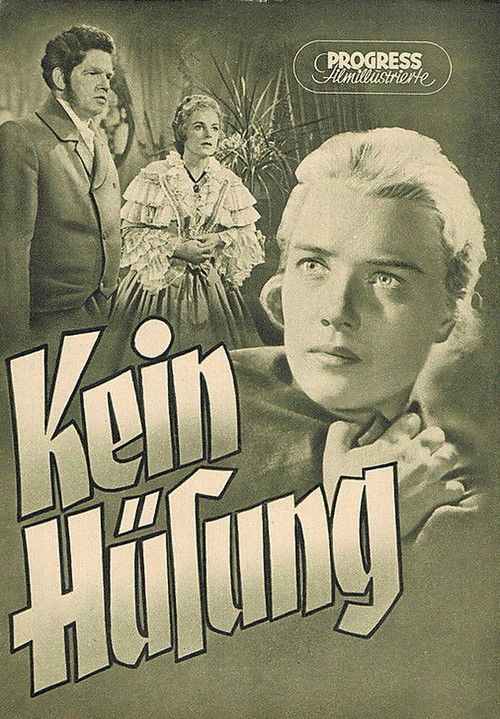
Mecklenburg, 19th century. For generations, the Brand family of farmers has worked a piece of land as tenants of the baron, who owns almost all of the village's land. The baron himself comes from a family of farmers who became rich through corruption and were ennobled. He is the absolute potentate, no one dares to contradict him, he takes what he wants and stops at nothing in his excesses. At the same time, he is the center of petty bourgeois, bigoted social life. Johann, the stable boy, wants to marry Mariken Brand and asks the baron for a piece of land so that he can build a life of his own. But the lord is harsh, not only refusing him the land, but also increasing the rent. Johann rebels, trying to rouse the farmers in the village from their lethargy—in vain. Only when Mariken dies does the mood change. A peasant uprising breaks out, and Johann kills the baron.
Blaulicht is a German crime television drama series, whose 29 episodes were based on crime case files.
Hannes has barely met the most beautiful girl when she disappears without a trace. But he can't get her out of his head and does everything he can to find her again. All he knows is that her name is Leonore and he knows the street where she lives. But not the house number - and there are more than 200 houses. And so Hannes sets off in search of the mysterious stranger. In the process, he meets another girl. Lore is a little inconspicuous. But Hannes soon finds out that Lore suits him much better than the unknown lady.
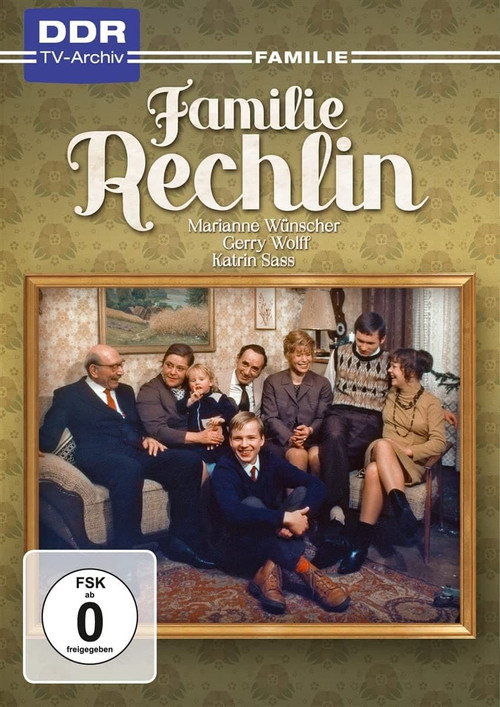
Berlin in the 60s. The construction of the Berlin Wall not only divides the city, but also separates the Rechlin family. While mother Ingelore lives with husband Hannes and the youngest son in the eastern part of the city, the young, married daughter Beate lives in West Berlin. Even when she gives birth to the first grandson, the newly baked grandma Ingelore cannot visit her. Travel permits are only issued one year later. But the formerly so tight family bond is burdened by the long separation. Son Bernd also avoids the rest of the family, as his new girlfriend has just been released from prison because of attempted "republic escape". And so Mother Ingelore almost has to watch her family shatter.
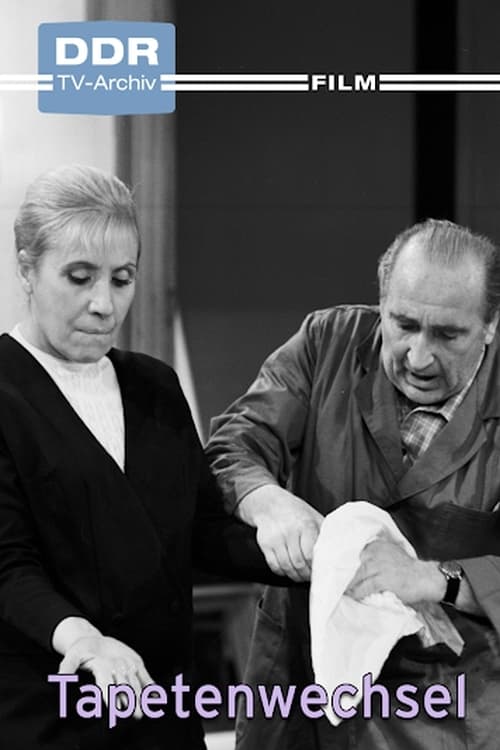
Marcel Schlurfke is not exactly the heartthrob that friends Elke and Gitte are looking for. So they think about how to get rid of this annoying admirer. The best way is to put him in a position where he makes a fool of himself. This is what happens to the aforementioned Marcel, who suffers a total shipwreck with his "cooking skills". And after this failure, Marcel can only place himself in the care of his father Wollermann.Elke's father is a very desirable man in certain respects: in his spare time, he likes to wallpaper and transform worn-out rooms into pretty rooms. For Elke herself, however, this is a problem, because her father repeatedly takes possession of her (desired) admirers and promotes her to "honorary helper" in wallpapering matters. Only Marcel Schlurfke proves his touchingly helpless clumsiness in these assignments too.
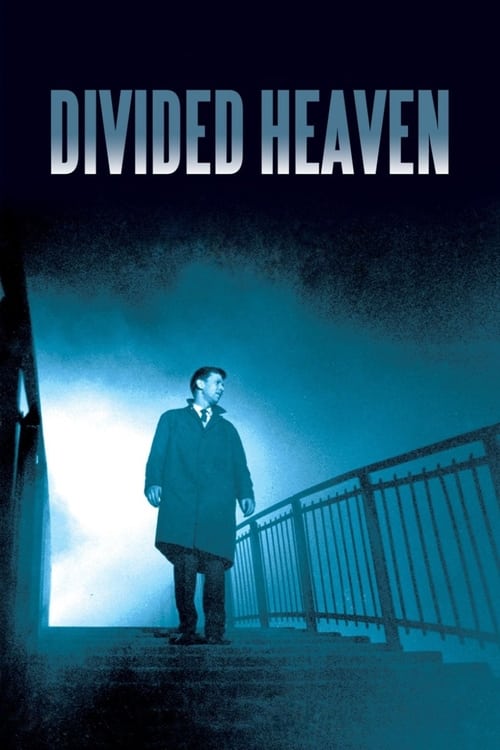
After a breakdown, Rita returns to her childhood village in 1961. As she recovers, she remembers the past two years: her love for the chemist Manfred, ten years her senior; how his enthusiasm about his new chemical process turned to bitter disappointment in the face of official rejection; how he escaped to West Berlin a few weeks before the Wall was built and hoped that she would follow him …
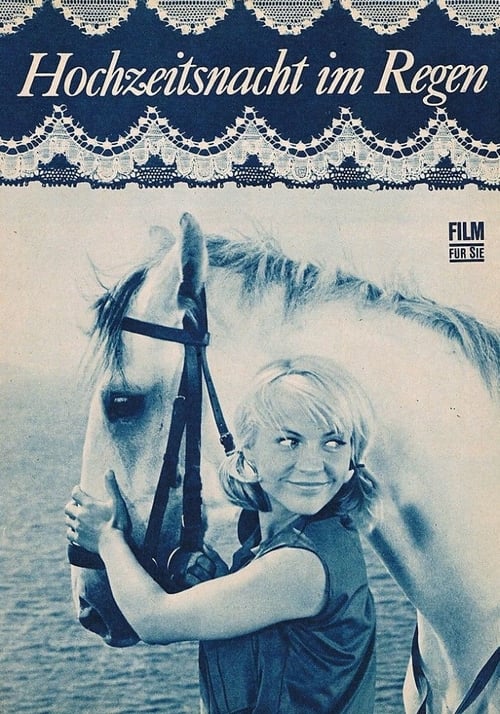
This comedic musical tells the story of Gabi, a young hairdresser from the Baltic coast who desperately wants to be a jockey. One day, she packs her bags, drives to Hoppegarten, and is soundly rejected by the head coach. Gabi doesn't want to give up, and in order to at least have a roof over her head, she rushes into a marriage with the seemingly nice Freddie. However, this marriage soon proves to be her second rejection, as Freddie openly dislikes the fact that she wants to be a jockey.
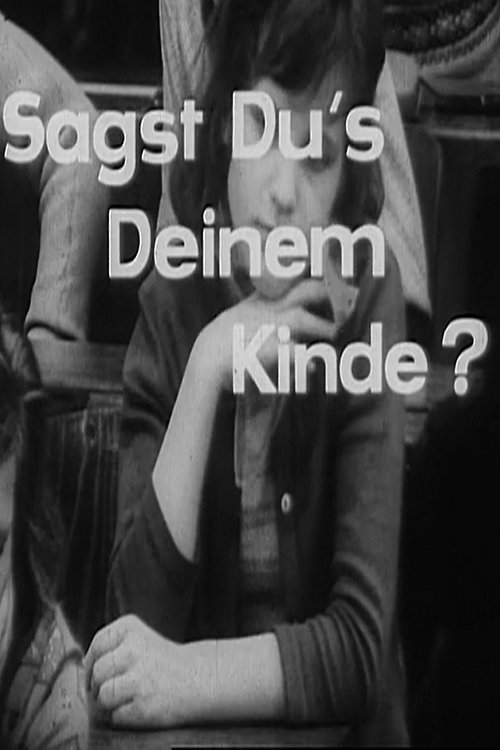
Episodes from school, family and leisure time show how boys and girls build gender relationships, what influence school and home have on them, how their behavior changes and what conflicts can arise between parents and children. First part of the "Relationships Between Boys And Girls" series.
A high-rise building in the center of Berlin in the GDR on July 11, 1982. The final match of the soccer World Cup is being broadcast on television. Five episodes revolve around this event: Soccer fanatic Kneutzsch is torn between the exciting match and the rather irritated woman by the unexpected visit of a lady to whom he has written a marriage announcement ... Dr. Kobermann - on painkillers - has mistaken the bathroom door for the corridor door and locked herself out. Her husband is sitting in front of the TV with headphones on and doesn't hear her ringing, so she seeks refuge in her nightgown with a neighbor, a flautist. After his ex-love Carmen leaves him and wants to return home, the exiled Andrés follows the game - in the knowledge that his father, thousands of kilometers away, is also watching...
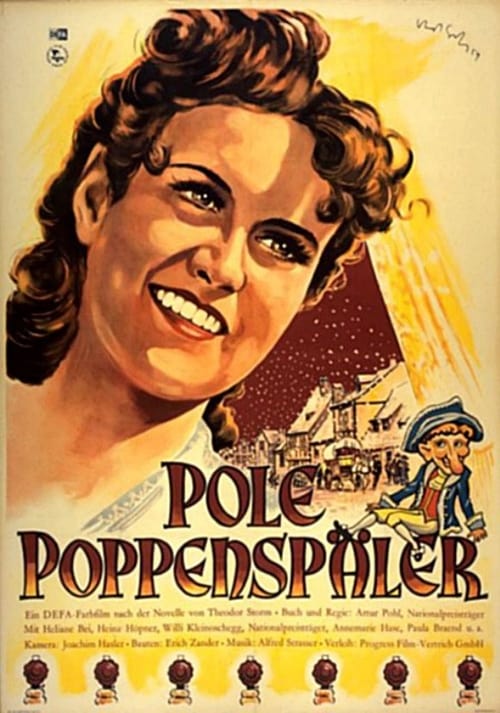
On his travels, Paul, a journeyman from northern Germany, runs into a childhood friend, Lisei, a puppeteer's daughter. They fall in love and get married. Together with Lisei's father, the young couple moves to Paul's hometown. Although Paul himself is accepted - even respected - by the stuck-up and snooty citizens, the young woman is rejected by the town dwellers, who are imbued with class arrogance. Paul stands up for his wife but the scorn and abuse heaped on her weigh heavily upon him.