Editing
Peter Przygodda was a German editor and director, best known for editing Wim Wenders' films.
No description available.
Annual awarding of the Grimme Awards.
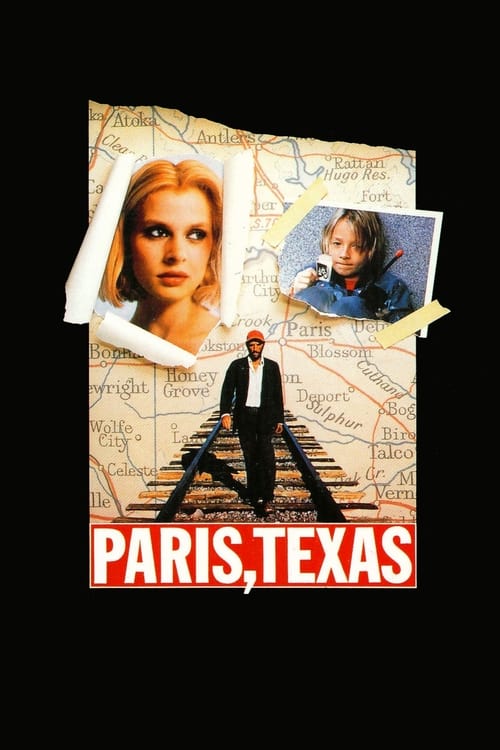
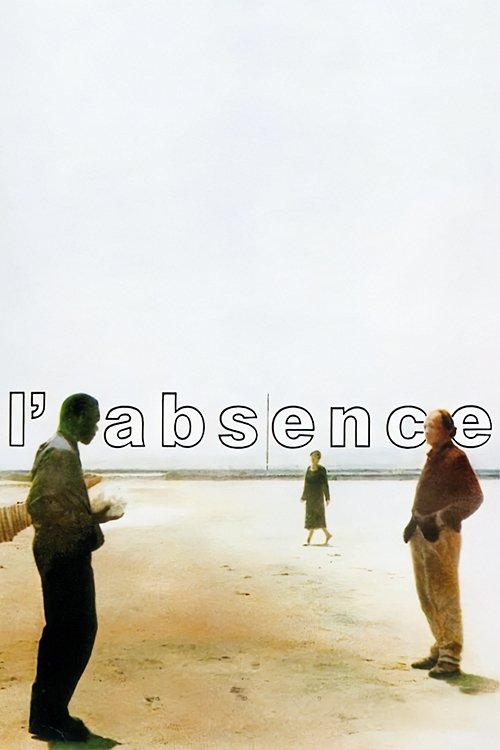
A man wanders out of the desert not knowing who he is. His brother finds him, and helps to pull his memory back of the life he led before he walked out on his family and disappeared four years earlier.
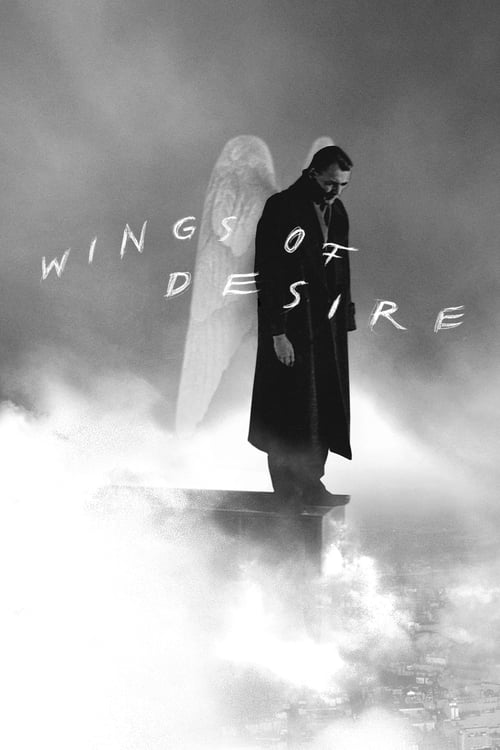
Two angels, Damiel and Cassiel, glide through the streets of Berlin, observing the bustling population, providing invisible rays of hope to the distressed but never interacting with them. When Damiel falls in love with lonely trapeze artist Marion, the angel longs to experience life in the physical world, and finds — with some words of wisdom from actor Peter Falk — that it might be possible for him to take human form.
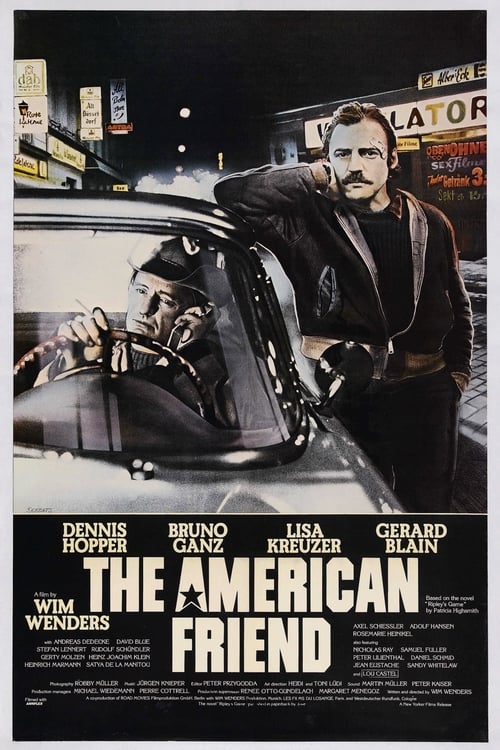
Tom Ripley, an American who deals in forged art, is slighted at an auction in Hamburg by picture framer Jonathan Zimmerman. When Ripley is asked by gangster Raoul Minot to kill a rival, he suggests Zimmerman, and the two, exploiting Zimmerman's terminal illness, coerce him into being a hitman.
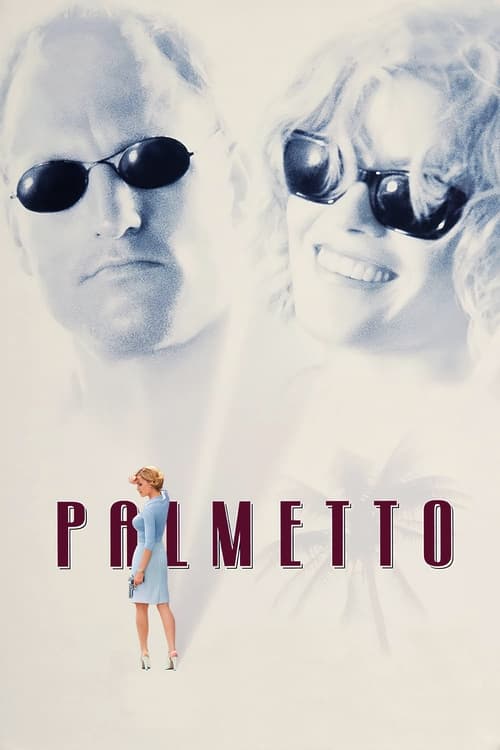
After being released from prison on a bum charge, Harry Barber is out for payback to regain his lost two years. He's hired by Mrs. Malroux to fake the kidnapping of her stepdaughter (the daughter of a dying millionaire). He discovers that he is being set up on multiple levels and will soon face a longer sentence if he doesn't prove the truth.
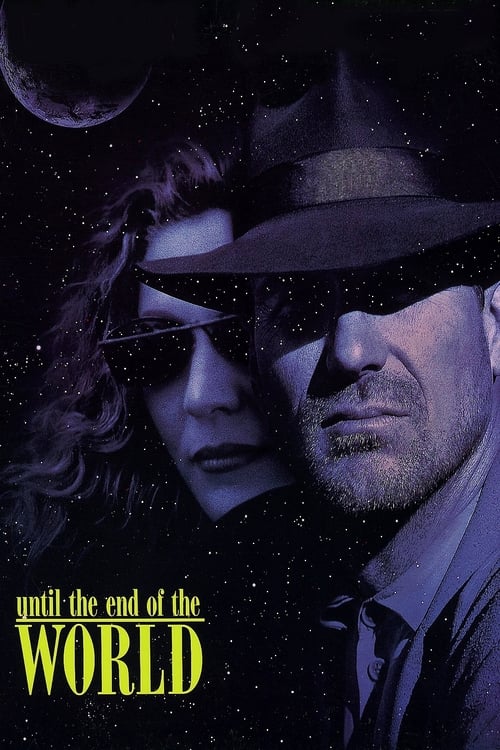
In 1999, a woman's life is forever changed after she survives a car crash with two bank robbers, who enlist her help to take the money to a drop in Paris. On the way, she runs into another fugitive from the law — an American doctor on the run from the CIA. They want to confiscate his father's invention – a device which allows anyone to record their dreams and visions.
Four tales, each centered on a woman, journey inward to explore the enigmatic reality of their lives, connecting through a single narrative thread.
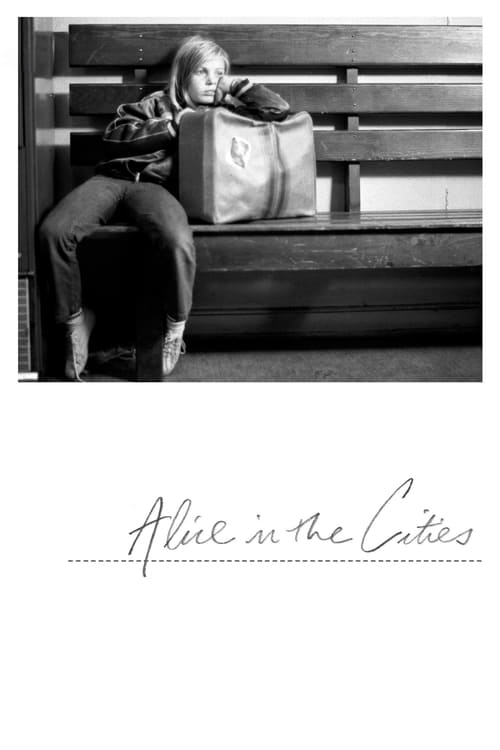
German journalist Philip Winter has a case of writer’s block when trying to write an article about the United States. He decides to return to Germany, and while trying to book a flight, encounters a German woman and her nine year old daughter Alice doing the same. The three become friends (almost out of necessity) and while the mother asks Winter to mind Alice temporarily, it quickly becomes apparent that Alice will be his responsibility for longer than he expected.
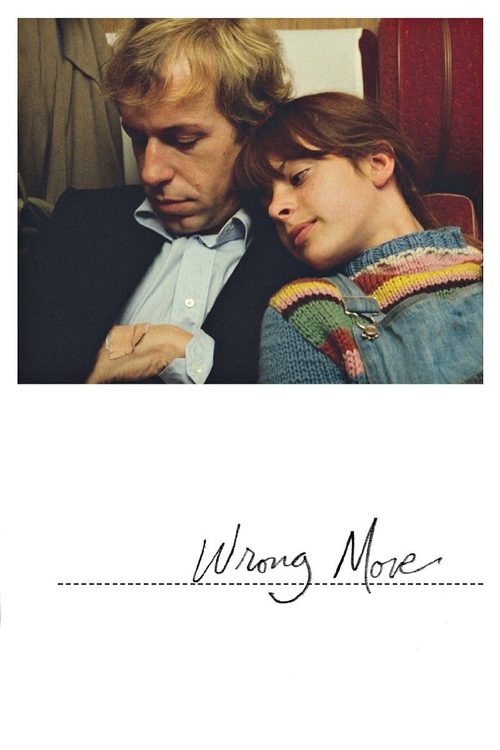
Six days in the life of Wilhelm: a detached man without qualities. He wants to write, so his mother gives him a ticket to Bonn, telling him to live. On the train he meets an older man, an athlete in the 1936 Olympics, and his mute teen companion, Mignon. She's an acrobat in market squares for spare change.
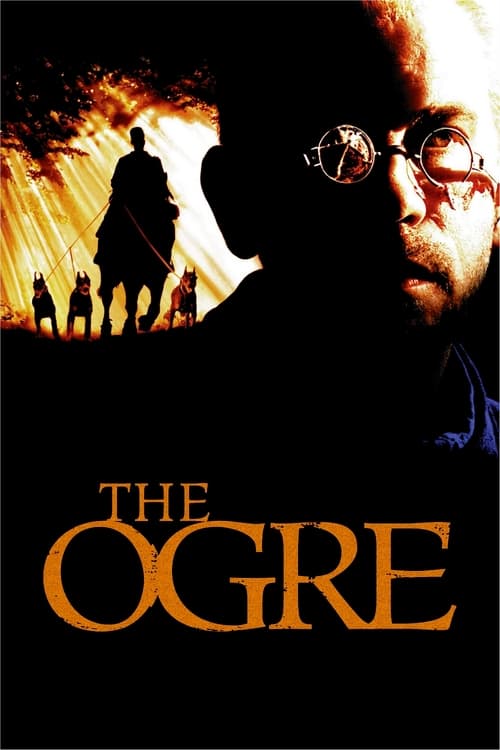
Frenchman Abel Tiffauges is a naive man who lives a simple life working as a mechanic. Falsely accused of being a child abuser, he is recruited as a soldier when World War II begins, but is captured soon and taken to the heart of Nazi Germany.
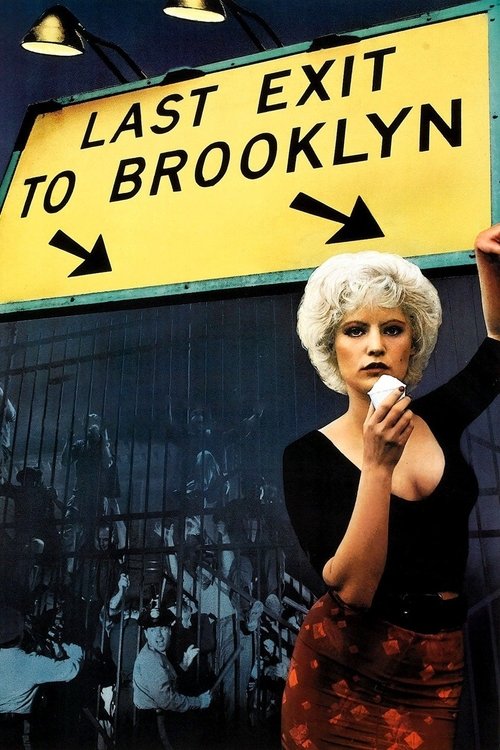
A gallery of characters in Brooklyn in the 1950s are crushed by their surroundings and selves: a union strike leader discovers he is gay; a prostitute falls in love with one of her clients; a family cannot cope with the fact that their daughter is illegitimately pregnant.
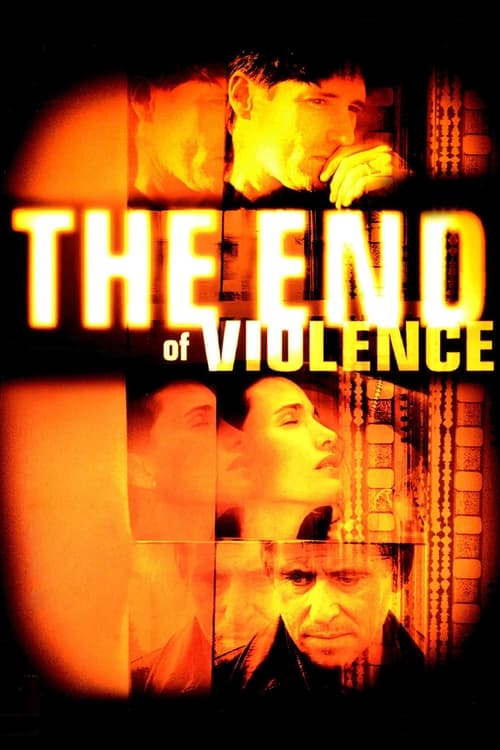
In Hollywood, the lives of a successful film producer, his wife, a police detective and a surveillance agent intersect after a botched abduction.
Four nameless people -- the old man, the woman, the soldier, and the gambler -- journey to a desolate wasteland beyond the limits of an unnamed city.
The early films of Wim Wenders are now regarded as landmarks of European film. Alice in the Cities, Wrong Move and Kings of the Road became foundations of the German New Wave and cemented the reputation of their director. In One Who Set Forth: Wim Wenders' Early Years Marcel Wehn explores the background to these films. Through personal recollection and rare home movie footage, it documents the director's early life, from experiments with his first camera, via his deviation from a career in medicine in favour of art and film, through to international recognition for the Road Trilogy. Central to these were themes that became cornerstones of all his work: national identity, the importance of personal relationships and the allure of the road. With contributions from the director and the many collaborators who helped define his vision, One Who Set Forth is a compelling account of Wim Wenders' life and work.
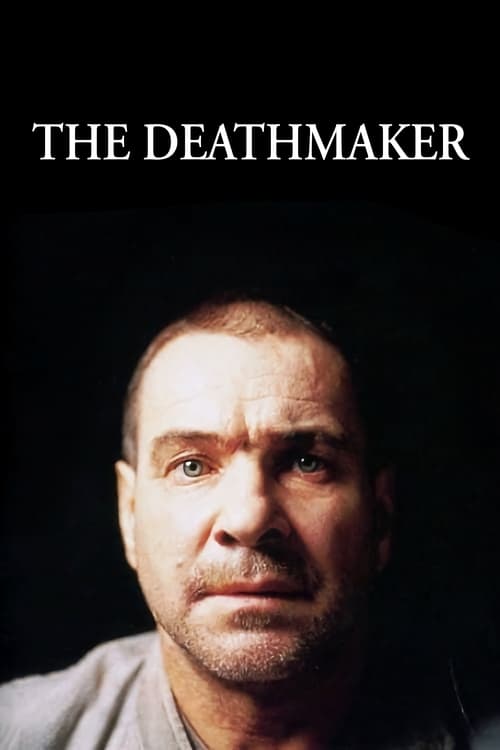
Fritz Haarmann, who has killed at least 27 boys, is questioned by a psychology professor in order to find out whether he is sane and can be held responsible for his crimes. During this interrogation Haarmann reveals his motives and his killing methods.
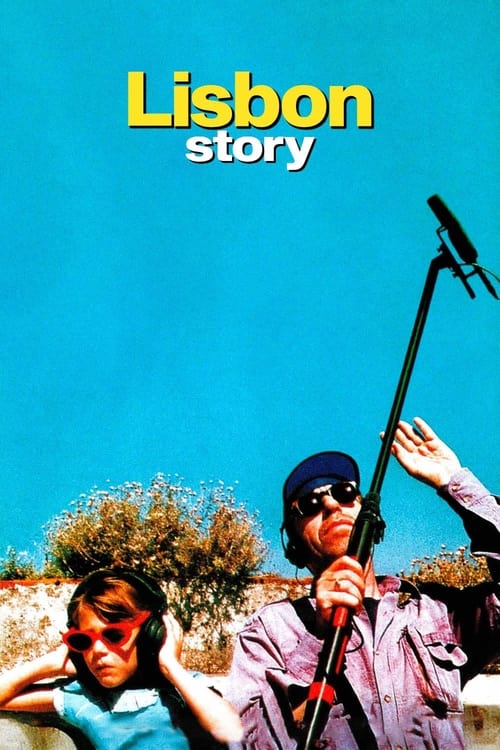
Wim Wenders' homage to Lisbon and films. A sound engineer obtains a mysterious postcard from a friend who at the moment is filming a film in Lisbon. He sets out across Europe to find him and help him.
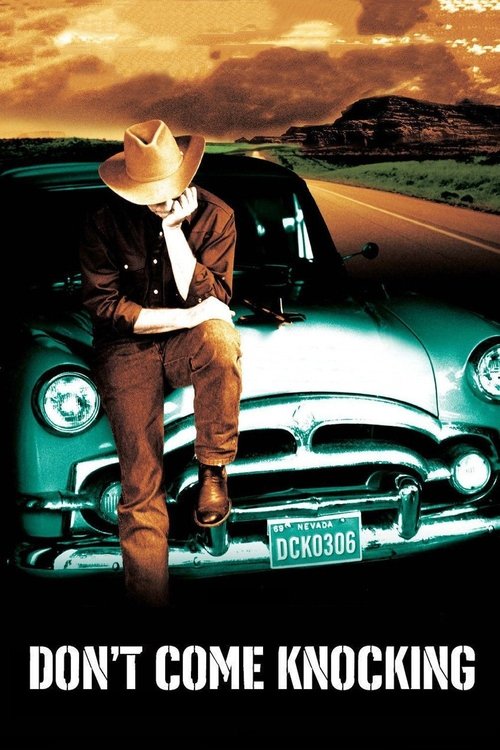
Howard Spence has seen better days. Once a big Western movie star, he now drowns his disgust for his selfish and failed life with alcohol, drugs and young women. If he were to die now, nobody would shed a tear over him, that's the sad truth. Until one day Howard learns that he might have a child somewhere out there...
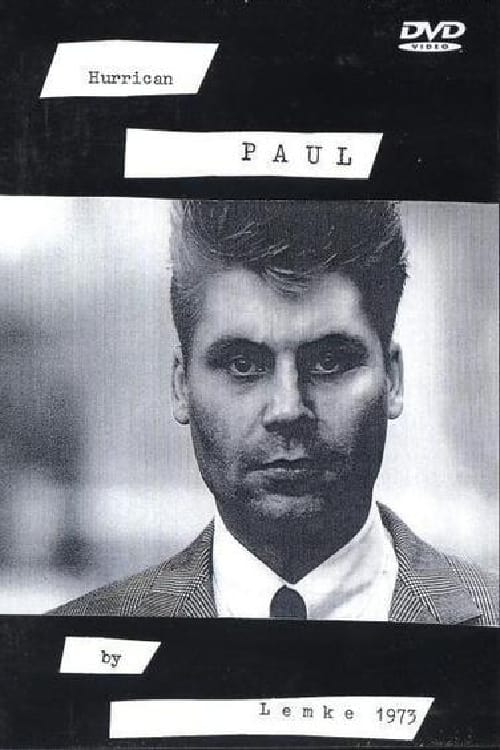
After 7 years spent in jail Paul is free again. With his old crew he celebrates his return. Nothing seems to have changed. And soon Paul finds himself drunk as a skunk at a party in a Blankenese villa...
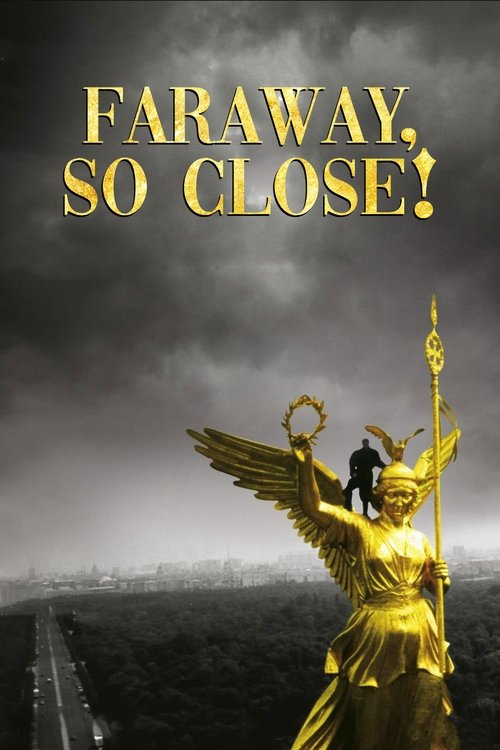
A group of angels look longingly upon the life of humans. Berlin now is a very different place: unified in name but overrun with crime, corruption, and—in what turns out to be a key theme here—Americans.