Tapan Sinha
Directing
Biography
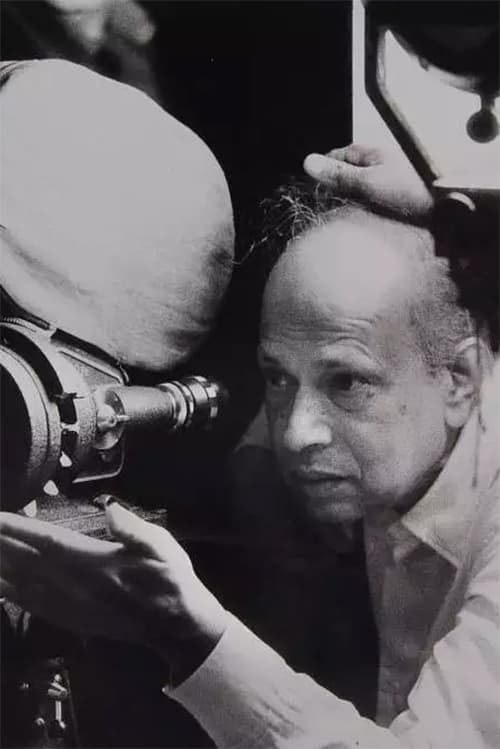
Tapan Sinha (2 October 1924 – 15 January 2009) was one of the most prominent Indian film directors of his time who made more than 40 feature films in Bengali, Hindi and Oriya in a career spanning nearly half a century. A contemporary of West Bengal's cinema icons - Satyajit Ray, Ritwik Ghatak and Mrinal Sen - Sinha was an equally powerful storyteller who, like his favourite novelist, Charles Dickens, won a large and appreciative audience by dealing with the problems that confront ordinary people. Born in Kolkata, Sinha was the fifth child of Tridibesh and Pramila Sinha. He attended schools in Bhagalpur and Bankura. As a student at Patna University, Bihar, Sinha responded sympathetically to Mahatma Gandhi's Quit Indiamovement, launched against the British in 1942. However, when he moved to Kolkata University, where he was studying for an MSc in physics, he fell under the spell of British and American film-makers, particularly John Ford, Billy Wilder, Frank Capra and Carol Reed. He later claimed that it was Jack Conway's 1935 version of Dickens's A Tale of Two Cities that motivated him to become a film-maker. After gaining his master's in 1946, Sinha joined the New Theatres studios, Kolkata, as a trainee sound engineer. Two years later, he moved to the Kolkata Movietone studio and, in 1950, he received an invitation to the London film festival and an opportunity to work at Pinewood studios, near London, where he took a job in the director Charles Crichton's unit as a sound engineer. While in London, he was exposed to the works of Italian directors Federico Fellini, Vittorio De Sica and Roberto Rossellini. On returning to India, Sinha made his first film, Ankush (The Goad, 1954), which featured an elephant belonging to a zamindar (tax collector) as the central character. His final film was released in 2001. Sinha, whom many critics regarded as India's David Lean, was honoured at international festivals in Berlin, Venice, London, Moscow and San Francisco and had received the Dadasaheb Phalke award, the highest cinema honour from the Indian government in 2008.
Known For

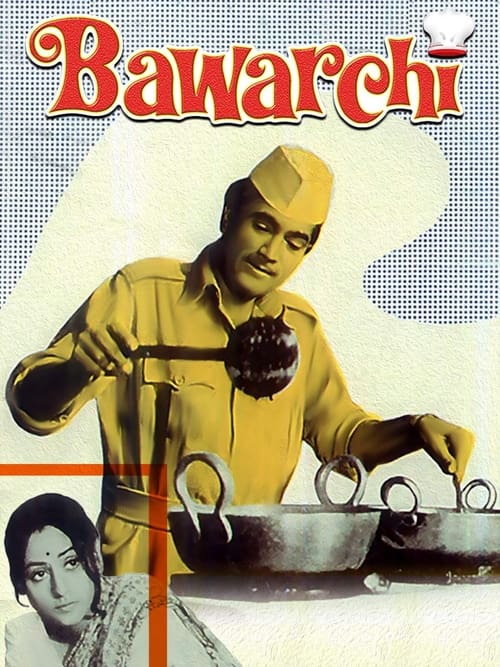
Desperate for a cook, the disgruntled Sharmas are relieved when a multi-talented man, Raghu, takes up the job. However, when all seems well, the family jewels disappear and so does Raghu.
Bawarchi

After instigating a strike over the improper dismissal of a fellow worker, Sagina Mahato unwittingly finds himself lauded as a champion of worker's rights.
Sagina Mahato

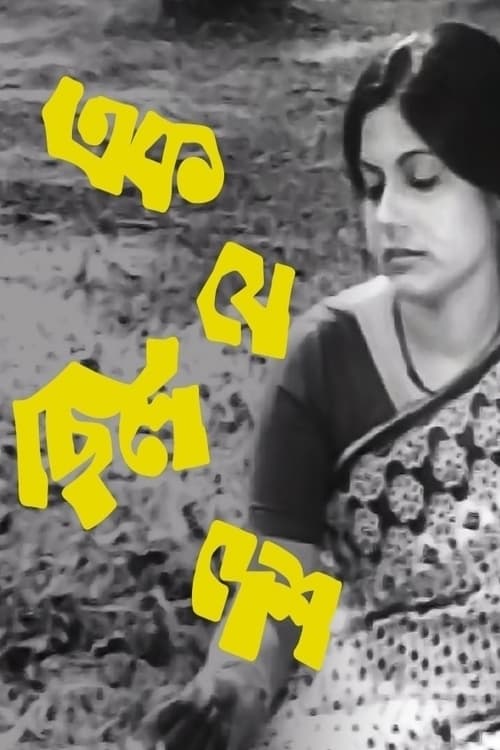
A scientist accidentally finds a drug that can reveal an individual's past. However, when a few politicians fear their exposure, they plot to kill him.
Ek Je Chhilo Desh

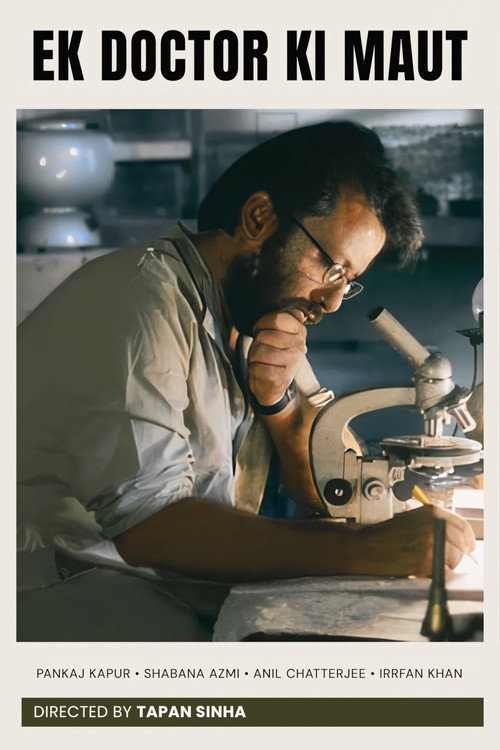
After years of painstaking research at the cost of his domestic pleasure, Dr. Dipankar Roy discovers a vaccine for leprosy. The news is flashed over television and just as the junior doctor receives international recognition, he has to suffer humiliation from the professional jealousy and abuse of power from his seniors.
Death of a Doctor

This film is based on five shot stories of Rabindranath Tagore's Jibito O Mrito, Sarat Chandra Chattopadhyay's Abhagir Swarga, Gour Kishore Ghosh's Aei Daha, Prafulla Roy's Satgharia and Dibyendu Palit's Kaanch.
Daughters of This Century

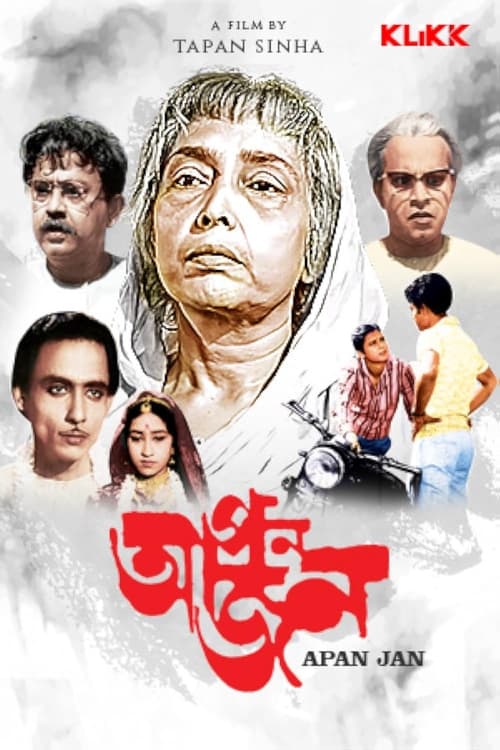
An aged widow from a village moves to Calcutta to stay with relatives, but faces only exploitation. She moves to a slum, and finds her "own people" in a group of educated, unemployed youth, who are caught up inexorably in the prevalent political violence.
Apanjan

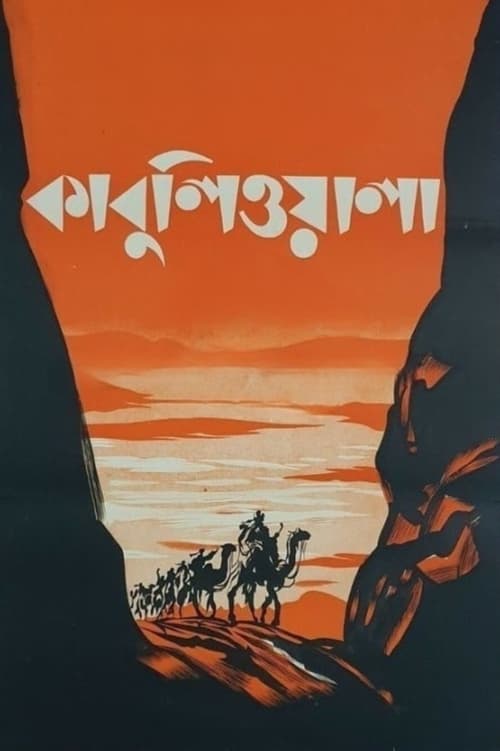
Rahmat, a middle-aged fruit seller from Afghanistan, comes to Calcutta to hawk his merchandise and befriends a small Bengali girl called Mini who reminds him of his own daughter back in Afghanistan. One day Rehmat receives news of his daughter’s illness and decides to return to Afghanistan. But before he goes a violent fight with a customer leads to Rehmat killing him. He gets out of prison ten years later. Based on a Rabindranath Tagore story.
Kabuliwala

A teacher witnesses a murder committed by his ex-student, who restricts him from giving his statement to the police. An atmosphere of terror ensues and the teacher must decide if to muster courage and approach the police at a personal loss.
Terror

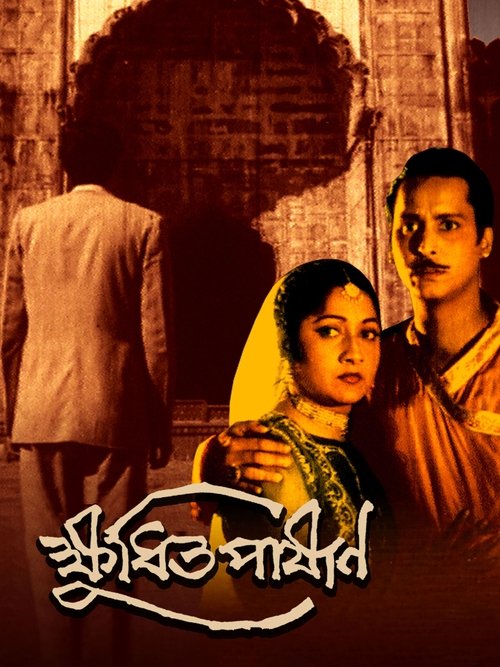
A tax collector posted to a small town puts up at a mansion feared by the locals because it is haunted. As time passes he grows more consumed by the mansion and its air of romance, and the spirits that haunt it, especially a beautiful woman. Adapted from a Rabindranath Tagore story.
The Hungry Stones

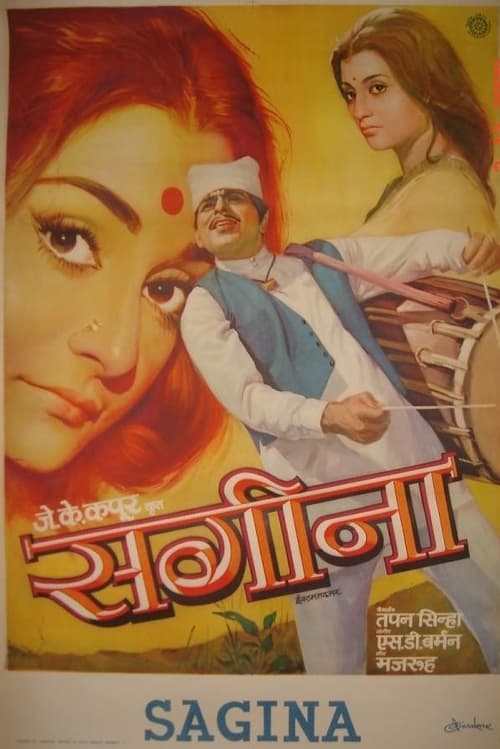
Sagina a factory laborer,an aggressive, honest and lovable character who was the first to fight against the tyranny of the British bosses in the Tea gardens of North-Eastern India.
Sagina

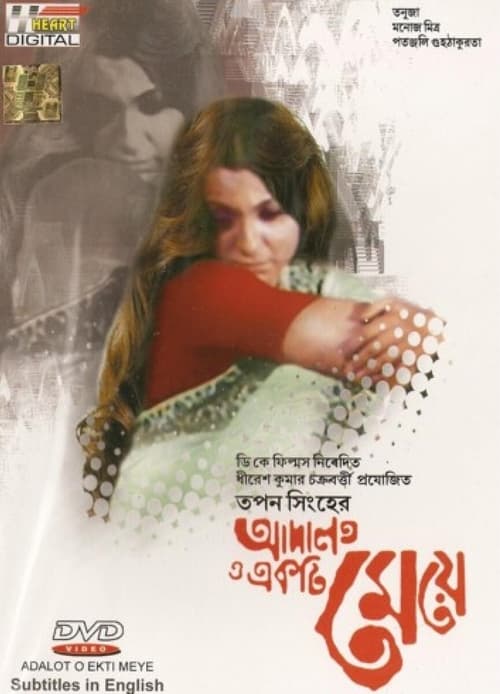
After being raped in her office and becoming paralyzed, a woman gets help from a doctor who is in a wheelchair.
Wheel Chair

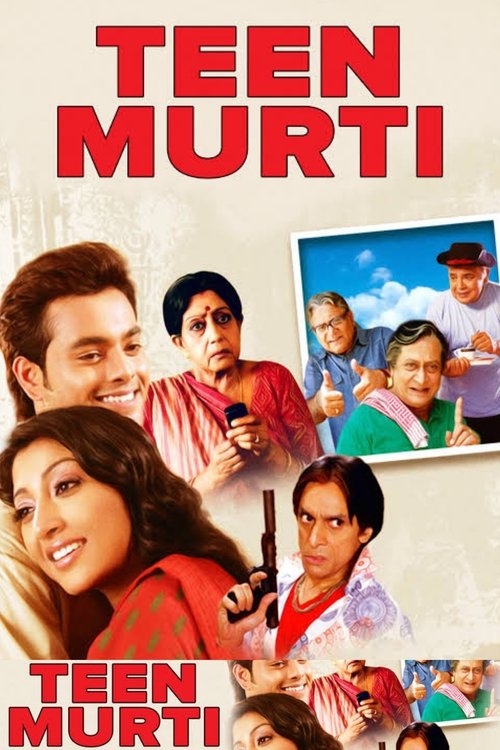
Nawren, Nawgen and Nobin, three friends enjoying their retirement, decide to end the monotony in their lives and earn some extra money by setting up a tea stall.
Teen Murti

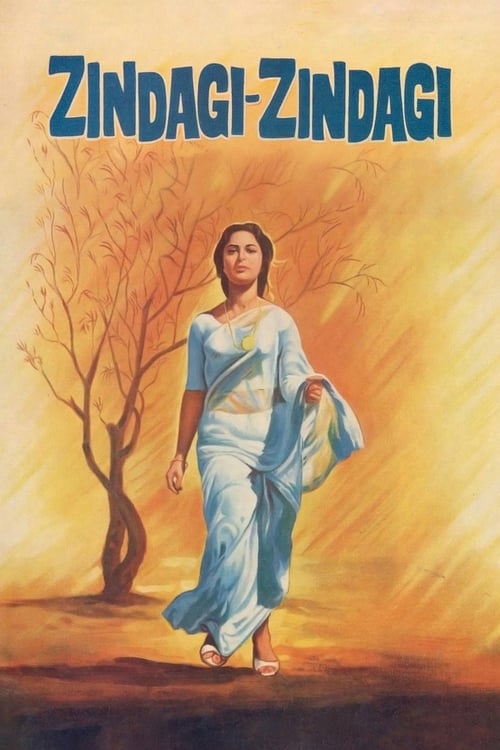
This movie revolves around a village hospital that was built by a generous hearted man, Choudhury Ramprasad (Ashok Kumar) who is also a patient in the hospital. The other patients include Isamil (Iftekhar), Dayaram (Anwar Hussain), Ratan (Jalal Agha), and the doctor is Dr. Sunil (Sunil Dutt). Amongst the patient is a singer (Deb Mukherji), who loves Shyama (Farida Jalal) a worker in the hospital. When Meeta Sharma (Waheeda Rehman) comes to the hospital to admit her son, she meets Sunil and their romance is rekindled. In the background of the hospital atmosphere is an election in the village, which is proceeding smoothly, but causing a disturbance is Ramprasad's son (Ramesh Deo). Other supporting caste include Jagirdar, Chand Usmani, and Jankidas.
Zindagi Zindagi

Ekhonee depicts the lives and frustrations of a bunch of youth struggling to cope with the adversities of a bureaucratic society. There's a bunch of college students Arun, Tiklu, Shambhu, Biman, Sujit, Urmi whose lives undergo a change after the carefree days of college are over.
Ekhonee

In a family where relations have deteriorated to the worst level, even affecting professional lives, an outsider tries to rebuild the lost love and compassion.
Galpo Holeo Satti

The story of Dr. Mukherjee, a highly respected civil surgeon in a small tribal district headquarters. He is the beloved of the local people, and often comes in conflict with Laxman Lal, the tyrannical son of a local aristocrat. Laxman Lal lusts after a local widow who, in order to escape his advances seeks shelter with Dr. Mukherjee. As Dr. Mukherjee treats the poor he becomes even more entwined with their lives and their little problems. To the tribals he is a godlike figure, but to Laxman Lal he is an enemy.
Hatey Bazarey

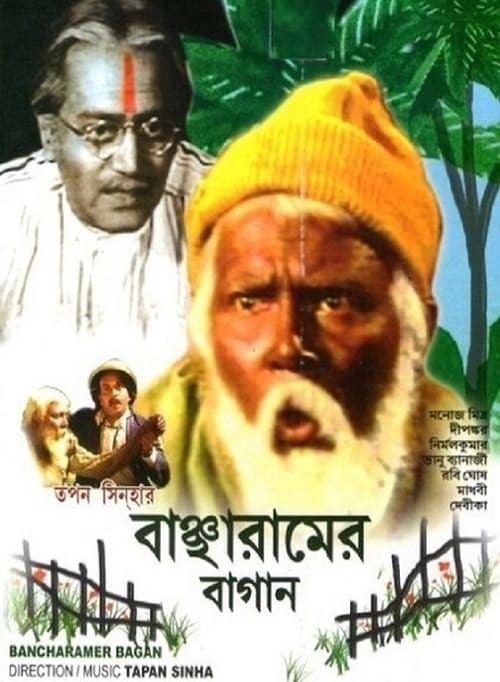
The story of an old peasant,Bancharam (Mitra),who defeats the tyrannical landlord Chhakari (Dey).Inheriting a dry patch of land, Bancharam converts it into a fabulous garden.The British magistrate supports him when Chhakari attempts to acquire the garden, after which he dies. Chhakari's son Nakari tries a new stratagem: he promises Bancharam Rs 400 every month provided Bancharam bequeaths his garden to the landowner after his death. Bancharam agrees but amazingly becomes healthier with every passing day, repeatedly promising to die but failing to do so.
The Garden of Bancharam

Drama set during the British rule in India has Jatin Chatterjee, a young revolutionary on the run from authorities, take refuge in the home of Shyam Jadhav, who hires Jatin to teach his sons, Ram, Ramdas, and Ramdulaare. What happens when Jatin instructs his students about the legendary bandit Robin Hood?
Today's Robin Hood

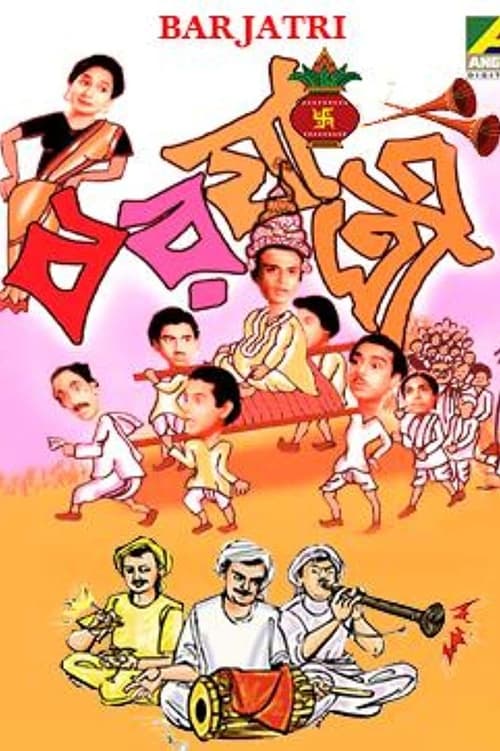
A group of six friends desperately try to find a suitable bride for their friend Ganesh. One of the six friends is already married and now wants even Ganesh to get married soon.
Barjatri

A writer meets five widows on a train to Puri. As the six lives begin to intertwine, the theme of the taboos of widowhood emerge; but so, too, does a philosophy of life and hope for the future. The performers collectively won Best Actress at India's National Film Awards in 1964.