
Lee Jangwook
Directing
Biography
Lee Jangwook is a Director of the Hand-made film lab SPACE CELL and also a filmmaker. He is interested in personal film, film performance, and experimental documentaries. He is also a Deputy Director of Exis, and his works have been screened in various film festivals and performed at many theatres.
Known For
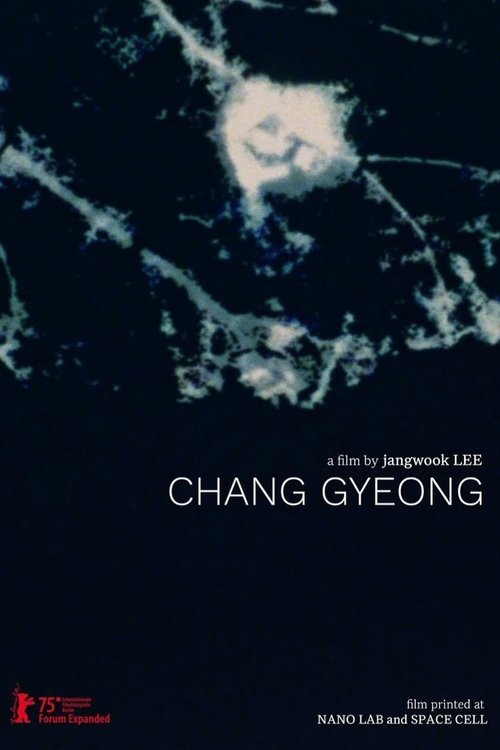
"Emotional memories that had formed the ambiguous boundaries between reality and fantasy began to divide exactly in two, and at the same time there was no emotion left on either side of reality and fantasy." Chang Gyeong is the name of a palace in central Seoul - a palace that was turned into a zoo by the occupying Japanese.
Chang Gyeong

This film is made of footages shot on the rooftop of my friend's house at Kathmandu, Nepal. Lazimpat is a name of the street where the house locates. It's a portrait of people, sunshine, flowers, and etc. (Lee Jang-wook)
Lazimpat
Images out of their intended context create new context, and also provide us the perception to be able to see which were there but not seen in its own context. This work is a process of research on the world which is familiar, but at the same time full of mysteries. This film is based on the abandoned images with variable reasons. I hoped the images would be free from the logic of selection. At the same time, I was curious about the world which is full of mysteries, always richer than the personal perception. (Lee Jangwook)
Landscape in the Afternoon
This film is an experiment on editing, deconstructing and reconstructing, a game of collision between frames. As a narrative body disintegrates, it gradually becomes possible for viewers to pay attention to the phenomena of intra-frame intervals.
Echoed Silence
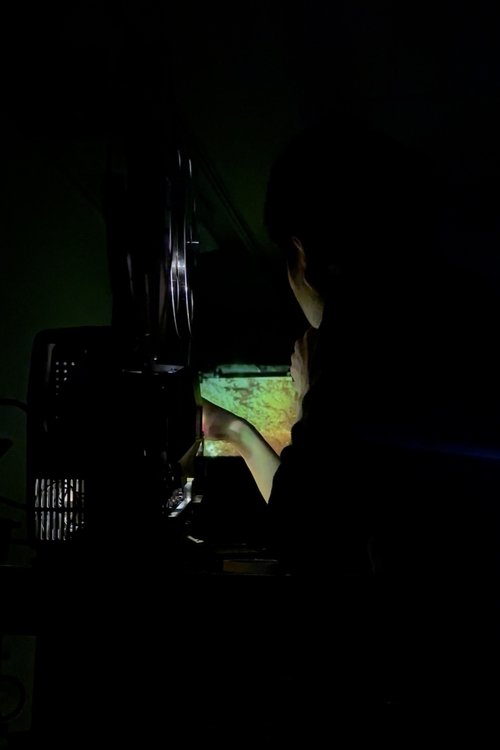
Light reflects off the screen and reaches the audience's bodies, only to reflect again, faintly moving elsewhere. Sound also reflects off the walls, resonating and echoing. Light and sound do not disappear; they linger, sometimes intersecting by chance and sometimes passing by. Photosynthesis is an attempt to sensitively capture and respond to these fleeting moments.
Photosynthesis prologue
A trace of private observation and recording of another person's memory. This work is based on the video recordings of Lee Woo-jung's mobile phone. It is expected that the traces created by the method of repeated superimposition will create different layers of time and emotion. Through this process, the structure of other people's records gradually collapses, and I pay attention to the new structure that emerges from the pile of ruins.
Thin Traces

This film is inspired by a moment of one autumn day in my childhood. The moment I experienced was impossible to be measured or represented. I became curious about this ‘Image of Time’. This film is the first step on the journey.
Autumn Film

This film is based upon the form of an individual’s diary. Jangwook created new images using several chemical treatments on the film surface while using footage of his daily life. These serial works begun from trials that Lee had communicated, seeking to re-construct his own memories, where the ‘mind’s eye’ become connected with the ‘camera’s eye’ and with film itself. In doing so the film is a conversation with personal documentary and everyday practice at the darkroom.
Surface of Memory, Memory on Surface

The music film for Lee Minhwi's song "The Station."
Station

'hibernation ' is conceived from the videotape of the wedding ceremony and the daughter's home video. In the work process, the filmmaker pays attention to the details being recorded, what I remember, and the relationship to lead it in the new detail. Hand printing performs the role of editing and printing simultaneously. As a result, the print created in this process will be a result and new material at the same time. Additive printing procedure is taken as a manner of recording in this film.
Hibernation

Masarap Na Kanta begins like an impressionist painting. A man sits at a table outdoors, which makes the scene look like another uneventful day in the suburbs.
Masarap Na Kanta
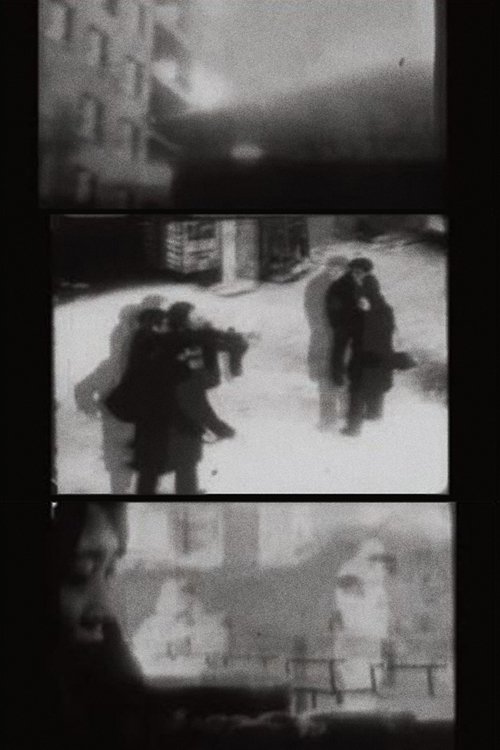
A short film by Lee Jangwook
Serene Observation

Perceived unfamiliar landscapes in unfamiliar places. Unfamiliar landscapes that fleetingly pass by in familiar spaces. Landscapes that feel unfamiliar yet familiar. And both visual and non-visual sounds. An attempt to focus on the boundary between familiarity and unfamiliarity in preserved landscapes.
Storage of Landscape
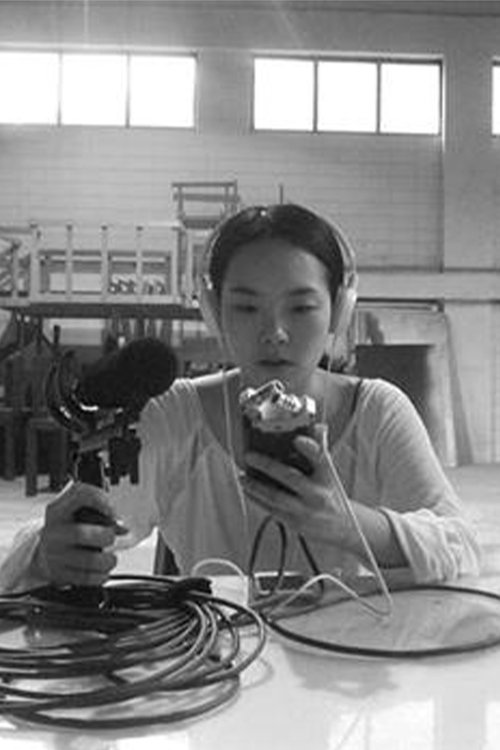
Conversation brings and changes the memory. Sometimes, it is a procedure that concludes upon certain memory. In this context, the way of conversation becomes methodology and theme at the same time. The process of conversation keeps repeating, and it is performed the way of conversation by using traces made during the repeating process, such as film, sound, and motion of choreographer. (Lee Jangwook)
Conversation

Double projection with two 16mm projectors. The images begin with two parallel screens. They consist of fragments of light flashing like bursts in the darkness. As the process progresses, each projector moves simultaneously and overlaps. The sound actively utilises optical sound. In the latter part, Lee Minhwi's "The Light of Silence" is inserted.
Photosynthesis part 1

2014/variable duration/sound/16mm multi projection performer:Na, Yeonwu opening performance at Namjun Paik Art Center
Distance

On a clear afternoon, a small garden at home is surrounded by a silence that seems to last forever. Only the gestures of the cats let me experience the time of this small garden. In the garden, something is being built up, cleared away, destroyed, created. This film is an experience of garden time, which fades as the layer gets thicker.
Stillness of the Garden

Performed with multiple film projectors and improvised sound, this live film of variable duration is an act of exploring multi-layered memories on landscape. Institutional, historical and personal approaches will be applied at the same time. Personal memory, which collides with historical context, may reveal fragments of innermost secrets.
Landscape Project
Sometimes, the void becomes a passage to the invisible. The film is a journey in pursuit of that which saturates the forest yet eludes human perception. Flashes and darkness, punctuated by fleeting hues, conspire to capture presences that linger between the present and the yet-to-come. Surrendering to the film's orchestrated rhythm rewards viewers with unprecedented imagery. (Sung MOON)
The Light of Silence
Changgyeong Palace was converted into a zoo in the Japanese colonoial period and continued to operate as such for some time after liberation.