Galina Evtushenko
Directing
Biography
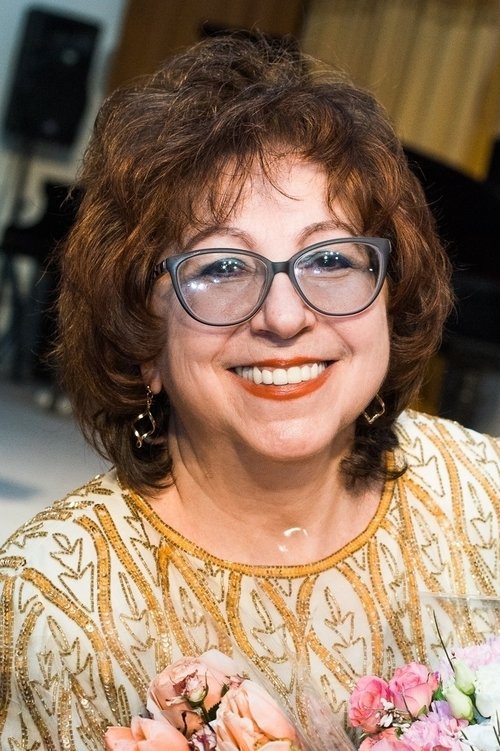
Galina Mikhailovna Evtushenko (Russian: Галина Михайловна Евтушенко; 7 February 1956; Voronezh) is a Russian documentary director, screenwriter, producer. Galina Evtushenko was born in Voronezh . She was educated in Voronezh University in philology and then finished post-graduate course with Master Degree in the All–Russian State Institute of Cinematography (VGIC).She is a director and producer, documentary and feature filmmaker. She was a winner of prestisious national awards, she was a participant of International Film Festivals in Greece, Germany, Ukraine, Poland, Hungary, Sweden, India, USA, Canada, Brasil and the participant of International forums and workshops in Munich, Ebeltoft , New York and in Israel , a member of Jury of International Film Festivals in many countries. Galina is a member of Russian Filmmaker’s Union, member of International Association for Cinema Educators. Lives in Moscow.She is a winner and nominate of different national film awards “Nika”, “Golden Eagle”. Honored Artist of Russia. Moscow Government Laureate in the field of literature and art .
Known For

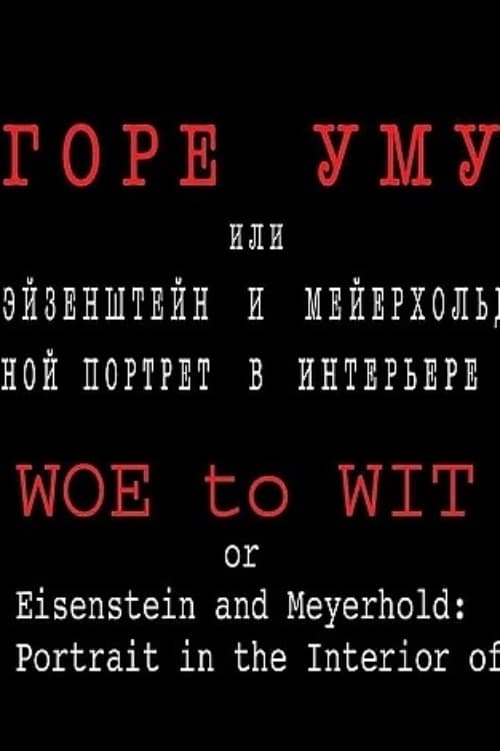
The film is about the complex, passionate and at the same time deeply respectful relationship between two genius directors, a teacher (Meyerhold) and a student (Eisenstein). In the most difficult conditions of the totalitarian regime, adherence to eternal values helped both defend their art and themselves in it, preserve honor and dignity. Their relationship, creative and everyday actions are not only an artistic, but also a moral testament to future generations.
Woe to Wit or Eisenstein and Meyerhold: a Two-fold Portrait in the Interior of the Epoch

The film takes place in the troubled October days of 1993. The characters — Sergey and Lisa — meet under strange circumstances. And then they are overtaken by love, for which everyone is ready to give their lives.
The Attic Story

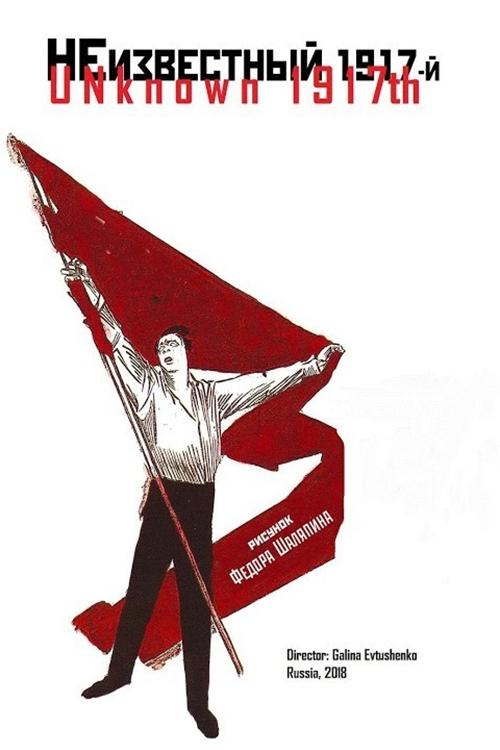
Russian life in 1917 was not limited to civil confrontations, shootouts, demonstrations and rallies. Many people lived, or at least tried to live peacefully and constructively. The great Fyodor Shalyapin sang and staged opera performances in Moscow and Petrograd; director Vsevolod Meyerhold played the Lermontov Masquerade on the stage of the Alexandrinsky Theater, and Anna Akhmatova and Sergey Eisenstein applauded him. The future writer Konstantin Paustovsky eagerly absorbed impressions about the life of summer and autumn Moscow. And in the Moscow region estate Lopasnya-Zachatievskoe a happy accident led to the discovery of the longest manuscript by A.S. Pushkin, who was considered lost. The film is built on cinema and photo chronicles of a century ago.
Unknown 1917

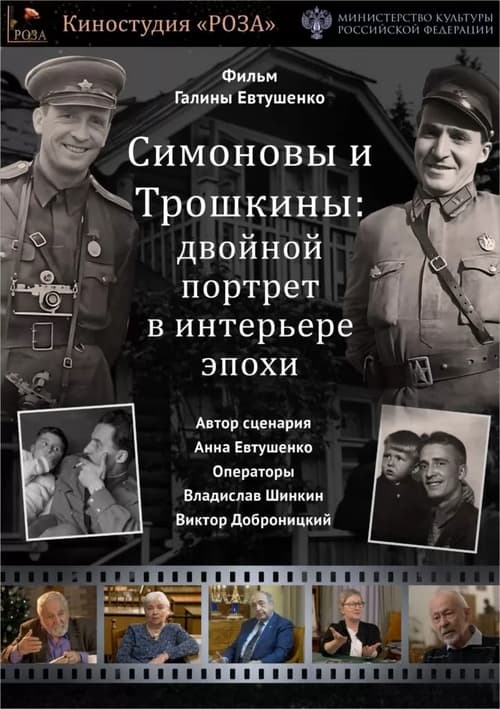
Konstantin Simonov, a writer, and Pavel Troshkin, a photo correspondent for the Izvestia newspaper, were friends and were together during the heavy fighting at the beginning of the Great Patriotic War - the Buynichskoe Field near Mogilev in Belarus. Their families continued to keep in touch after the World War II. They were connected with each other both in work and in peaceful life. Konstantin Simonov's son Alexei and Pavel Troshkina's granddaughter Elena tell about the friendship that lasted almost a century.
The Simonovs and the Troshkins: A Double Portrait in the Interior of an Era

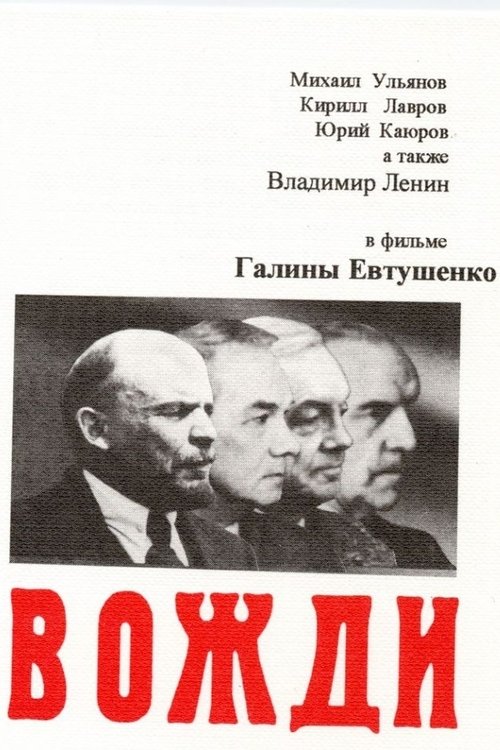
No description available.
The Chiefs

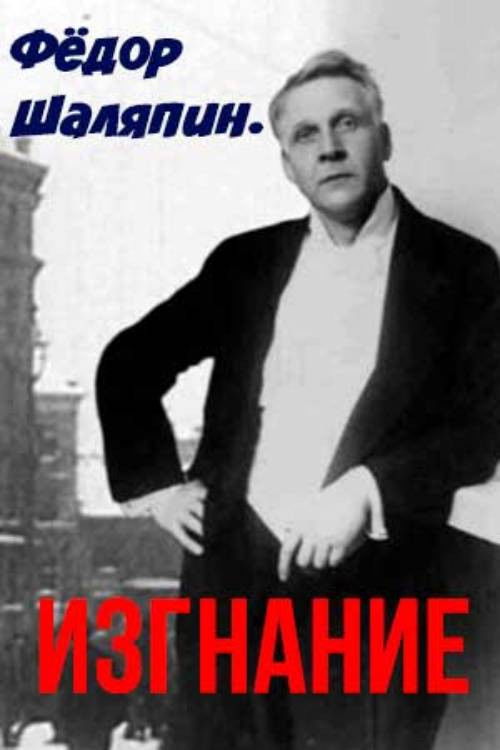
The film is about why Fedor Chalyapin was actually expelled from his native country and left Russia forever.
Fedor Chalyapin. Exile
The main character of the film is the creator of the vaccine against plague and cholera, Vladimir Khavkin. In 1892 Anton Pavlovich Chekhov called him "the most unknown person in Russia." And in India, where the scientist saved the lives of more than 33 million people, he was called Mahatma, which means "great soul". The action of the film about the difficult path of a bacteriologist takes place in Russia, Ukraine, France, England, India.
Mahatma Haffkine

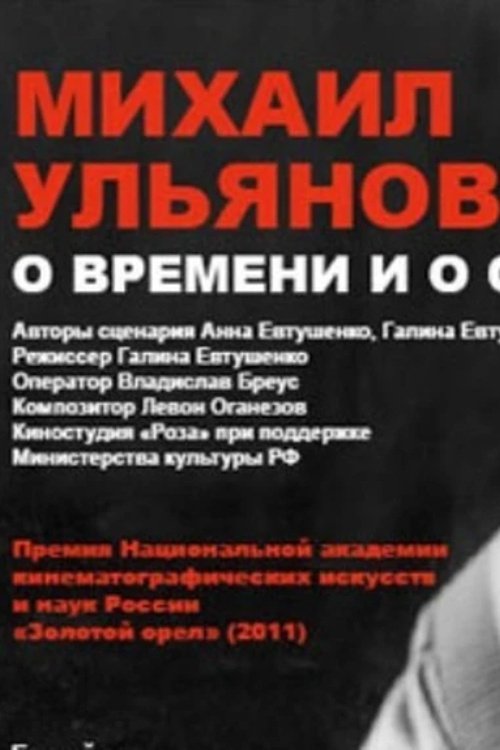
Mikhail Alexandrovich Ulyanov has played many roles in films. But one of them had a huge impact on him and on our society as a whole. What is the attitude towards this work today? The actor, finding himself at the turn of different social eras, reflects on time, about himself, and about his almost fatal hero...
Mikhail Ulyanov: About Time and Himself

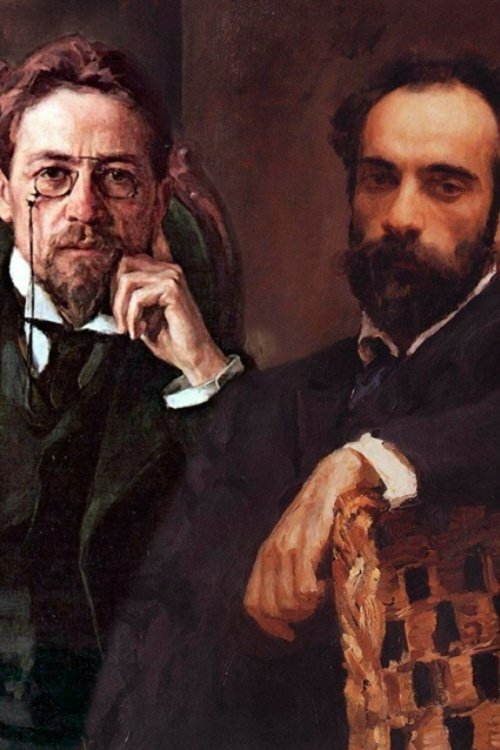
This nonfiction film is devoted to two great Russian artists. Instead of focusing on the history of the mundane, everyday friendship between Chekhov and Levitan, the film emphasizes the affinity of their creative efforts and the interplay of their similar, yet so different, personalities. What the authors of the film offer to their viewer is no idyll: it is the world full of nuance and contradiction that reveals itself against the backdrop of the era, at the same time uncovering the most subtle peculiarities of the two great creators. The cross-pollination of two creative methods and the interconnection of the two geniuses represent the leading motif of the film.
Chekhov and Levitan
A film about Olga Lander, a front-line photojournalist who endured all the hardships of the war and went down in the history of Russian and world photography.
Thank You, Army Photographer!
Almost 80 years after the battle of Moscow, journalist Alexander Nikitin discovered a picture of a young partisan girl hanging from a tree at one of the online auctions selling photographs from the period of the Great Patriotic War. On the back of the photo there is an inscription: "1941. The village of Golovkovo".
Strength of the Weak

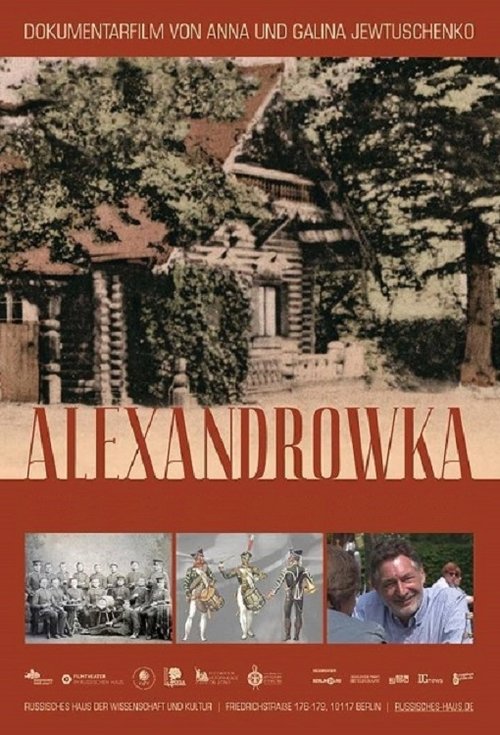
The film tells about the unique Russian village of Alexandrovka, located in Potsdam, in the very center of Germany. This Russian settlement, built at the beginning of the 19th century, to this day keeps the memory of its distant homeland. The village was built specifically for 26 Russian soldiers with families - singing choir. Their descendants survived in this village until the 21st century. Unexpected relations of Russians and Germans, the intersection of "destinies, events" from the beginning of the XIX century to the present day.
Russian Village in the German Side. Alexandrovka

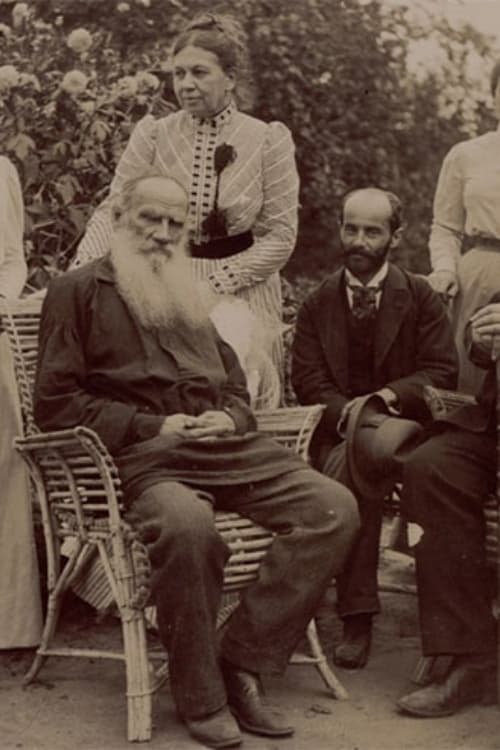
The film takes the viewer back to the turn of the last century and the last, to the works and biographies of Leo Tolstoy and the famous sculptor Ilya Ginzburg. The heroes are contemporaries. familiar with each other and not indifferent to each other. Their friendship is a vivid example of humanism that transcends class, national and cultural boundaries."
Leo Tolstoy and Ilya Ginzburg: A Double Portrait Against the Background of the Epoch

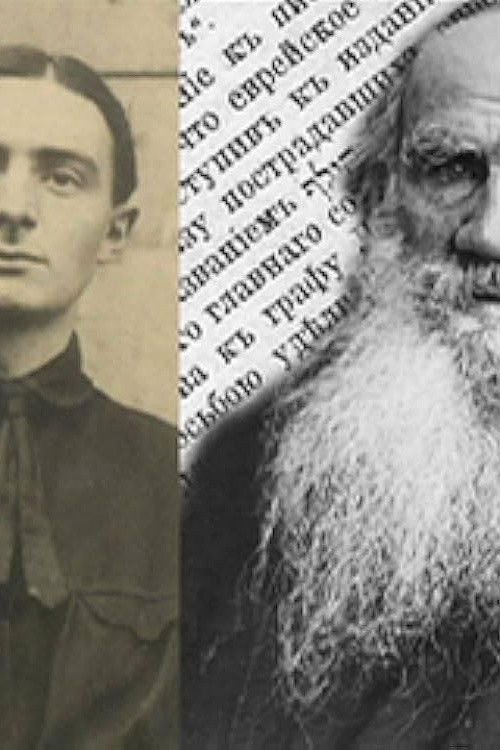
In the year of Leo Tolstoy's death, Dziga Vertov, an unknown boy from Bialystok, was 14 years old. The elder of Yasnaya Polyana could not know either the name or the work of the documentary filmmaker, the founder of non-fiction cinema as a high art. However, the film is structured as a parallel movement of creative aspirations, views and biographies of two artists. In his best paintings ("Kinoglaz", "Man with a Movie Camera", "Symphony of Donbass" and others), Vertov followed the basic aesthetic principles of Tolstoy, supported and developed the traditions of Russian classical literature on the screen. One of the main episodes of the film is a screen story about the Moscow agricultural exhibition of 1923, which reveals the common focus of the writer and director's efforts.
Leo Tolstoy and Dziga Vertov: A Double Portrait in the Interior of the Epoch
Guests and hosts of Leo Tolstoy's family estate, Yasnaya Polyana, testify to how photographers came to them to "take portraits" of Leo Tolstoy and his household. How did the efforts of those who came end, and what is a "photographers' attack"? Was the blue blouse in which Tolstoy first appeared in Prokudin-Gorsky's color photograph blue? The filmmakers expressed their appreciation and gratitude to Akira Kurosawa's masterpiece Rashomon, presenting the same events in Yasnaya Polyana through the eyes of famous contemporaries of the great Russian writer.