Marcos Arriaga
Directing
Biography
Born in Lima, Peru, Marcos Arriaga graduated with a degree in Communications from San Martin de Porras University in 1985 and worked as a journalist before immigrating to Canada in 1987. He graduated from Sheridan College’s Media Arts Film Program and holds an MFA in Film Production from York University. A film technician in the Department of Cinema and Media Arts at York University and lives in Toronto, Canada Arriaga works often in Super 8 and 16mm and has made over a dozen films.
Known For
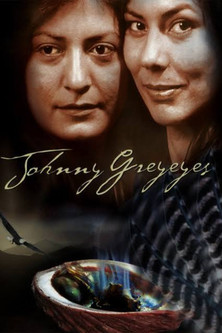
Johnny GreyEyes is a girl from an injun family. Since her childhood she was abused by her father and one day she killed him. She was arrested and convicted by the court to a long term in local prison. Where she finds the woman, another inmate, who became for her and her family and her first love.
Johnny Greyeyes
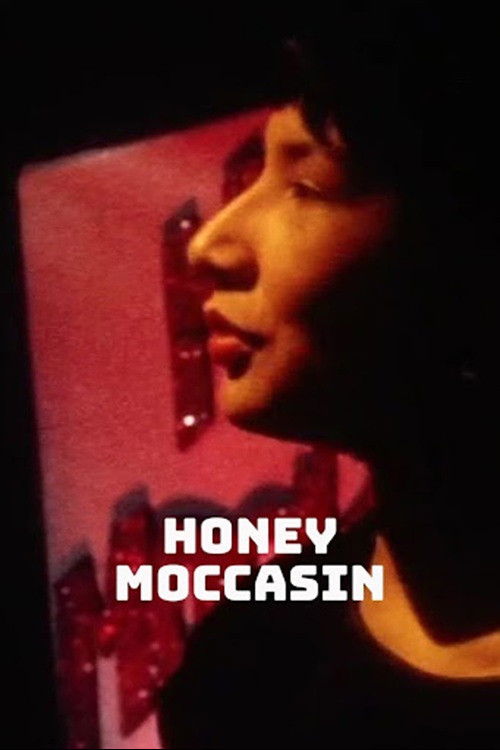
This all-Native production, by director Shelley Niro (Mohawk), is part of the Smoke Signals new wave of films that examine Native identity in the 1990’s. Set on the Grand Pine Indian Reservation, aka “Reservation X”, HONEY MOCCASIN combines elements of melodrama, performance art, cable access, and ‘whodunit’ to question conventions of ethnic and sexual identity as well as film narrative. A comedy/thriller complete with a fashion show and torchy musical numbers, this witty film employs a surreal pastiche of styles to depict the rivalry between bars The Smokin’ Moccasin and The Inukshuk Cafe, the saga of closeted drag queen/powwow clothing thief Zachary John, and the travails of crusading investigator Honey Moccasin. This irreverent reappropriation of familiar narrative strategies serves as a provocative spring-board for an investigation of authenticity, cultural identity, and the articulation of modern Native American experience in cinematic language and pop culture.
Honey Moccasin
A box of stunning family photos awakens grief and lost memories as they are viewed for the first time on camera.
Still Processing
When Jordan arrives to the wedding of her best friend (Charlotte), the consequences of a recent interaction they shared come into fruition - all with the background of Charlotte's chaotic Filipino family.
Hay Nako!

Personifying Mother Earth, she walks through her domain. She observes her environment and what has happened to it. She weeps. She feels violated. Not only has man damaged her but they continue to damage each other. She sighs. She will visit and start again sometime soon.
Tree
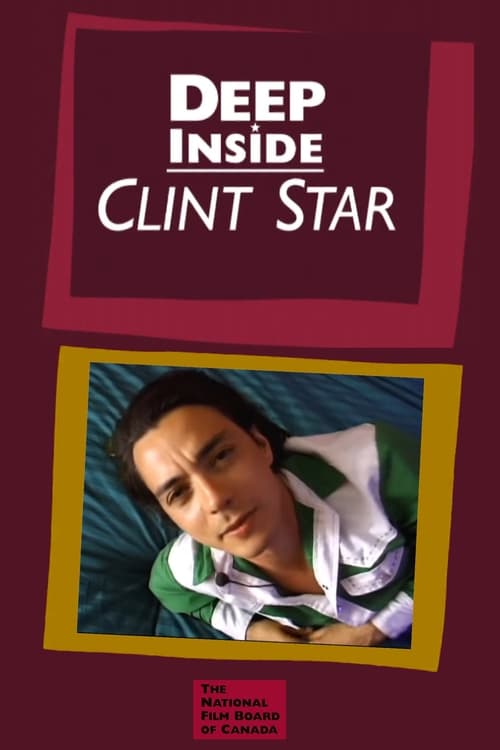
Director Clint Alberta takes us on a hilarious and bittersweet journey into the hearts and minds of some very ordinary, extraordinary young Canadians. Clint, taking on the role of Clint Star, seeks out his far-flung buddies, young Natives like himself. They talk about sex and life... love and abuse... 500 years of oppression--with humour, grace and courage. Deep Inside Clint Star explores issues of identity, sexuality and intimacy, while retaining the creative and playful style of a director who is not afraid of turning the camera on himself. This engaging documentary will draw you out of yourself and deep inside Clint Star.
Deep Inside Clint Star
No description available.
MARS
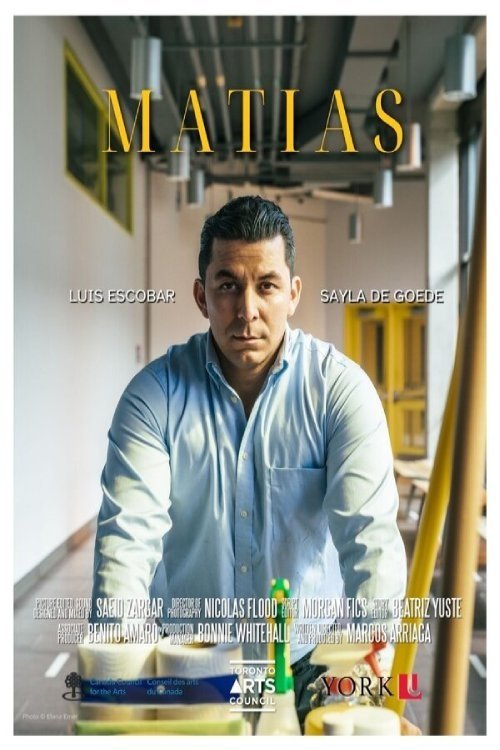
No description available.
Matias
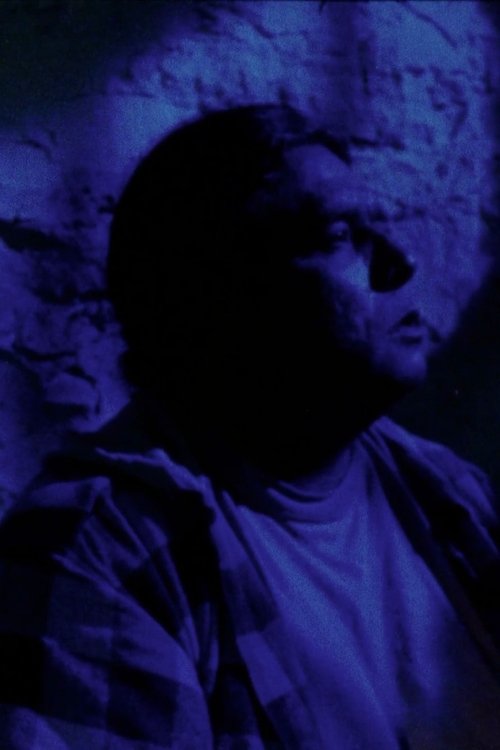
"City of Dreams" is the story of Marcel "Bambi" Commanda, an Ojibway man from Rama First Nation. Marcel sits in a prison cell, reciting a passage from his life. The film touches on his marginalization and displacement in the urban environment, the loss of culture, language and traditions, and his attempt to regain what he has lost. A poet, performer, drummer and emerging film and video maker, Marcel passed away in 1994 just after filming was finished.
City of Dreams
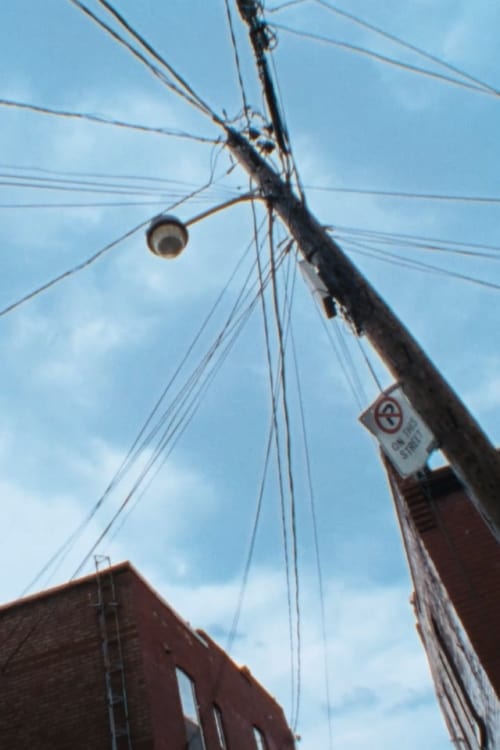
My Gentrification is a documentary film consisting of two independent sections that explore my experiences and observations about housing, urban living and the rapidly changing landscape of Toronto. These ideas are presented using personal film footage on Super-8 or 16mm and interviews with local residents which I have been collecting since late 1990. For nearly 20 years, I have filmed small segments of daily life, street events and personal moments. This footage began taking on more meaning and structure as time passed and the neighbourhood started changing. I discovered that it is a record exploring a body of ideas and thoughts that can be used to talk about the process and impact of gentrification in Toronto. (MA)
My Gentrification
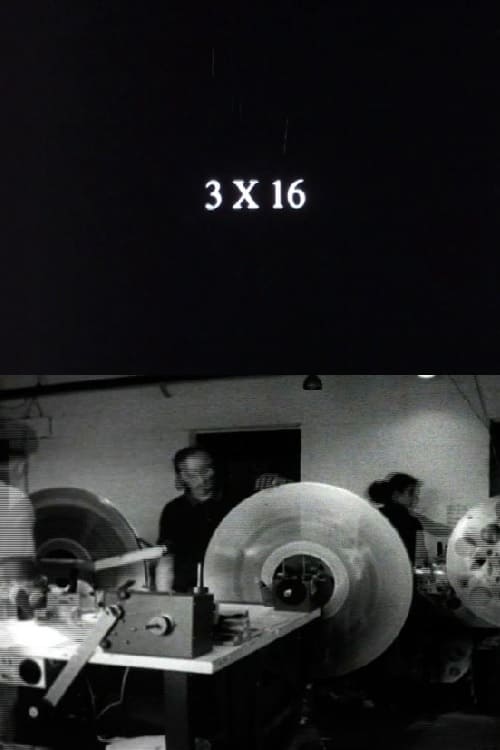
These three short films consist of perceptive depictions of a public square in Lima, the view from his mother's rooftop, and work at the Toronto Film Festival revision department. The filmmaker used 16 mm as documentary format. Each film in this series is almost three-minutes long, which is the length of one roll of 16 mm film. The entire film uses in-camera editing, therefore all the editing decisions were made on location.
3 x 16
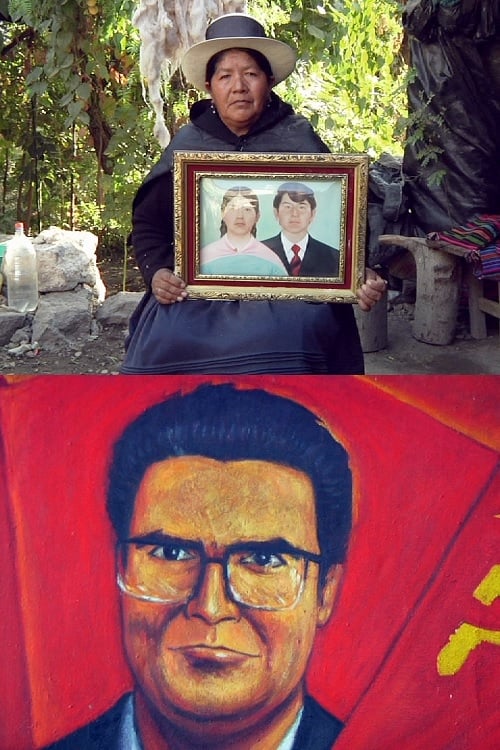
In his most ravishing and heartbreaking work, Arriaga ventures again to his native Peru in search of a lost friend. Along the way he encounters the faces of those who speak about wounds that cannot heal—survivors recounting the deaths and disappearances of their beloveds during Peru's civil war that pitted the communists of The Shining Path against the government, with both sides aligned against the people. "The dead have called us to find them," remarks Lida Flores de Huaman, and Marcos follows her evocation, cutting memory trails into Peru that bring back the names of the disappeared. Using frames that are strong and tender, steady and compassionate, he summons a community of memorials that dare to remember.
Looking for Carmen
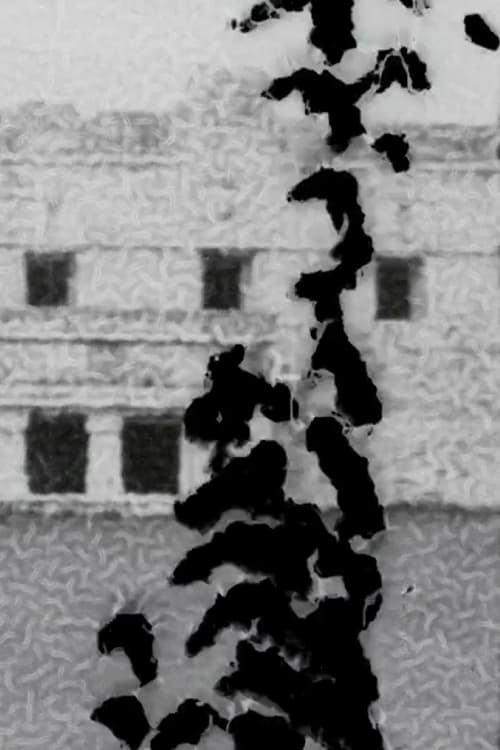
A short experimental film that explores ancients natives cities in America. Images of Machu Pichu, Sacsayhuaman, Uxmal, Chichen Itza, and Mesa Verde had been blow up from Super 8 to 16 mm, handheld developed and reticulated to create an evocative view of our past.
Jatun Llaxta, Noh Kaah...
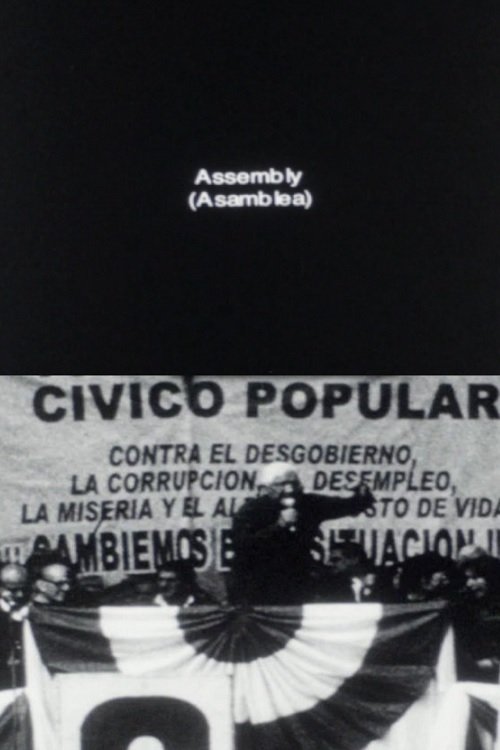
Assembly is a short film that illustrates the struggle of the working class in Peru, in relation to the global workers movement. The grainy images, canted shots, still images and Russian montages offer a captivating five minutes of social reality in the fight against Neoliberalism.