
Zoya Laktionova
Directing
Biography
Zoya Laktionova was born in Mariupol (Ukraine), in a working-class family in 1984. She is a filmmaker and visual artist who uses moving images, photography, and texts in her works. Zoya aims to convey emotions through art metaphors intertwined with the dramatic language of cinema. In her artistic practice, she adopts micro-history, auto-ethnography, and creative storytelling to unfold the complexity of greater events and historical contexts. This often makes it difficult to clearly allocate Zoya's films, which is why they are shown both at film festivals (DOK Leipzig, FID Marseille, Cottbus, etc.) and in art museums such as the Centre Pompidou, Palais de Tokyo in Paris, or the MUMOK in Vienna. Zoya is a recipient of the Harriman Institute Residency at Columbia University '22-23, Civitella Visual Arts Fellow `23-24, Academy of Fine Arts Vienna Resident `23-24, Film Independent Global Media Makers Fellow `24, Cite Internationale des Arts resident `24-25.
Known For
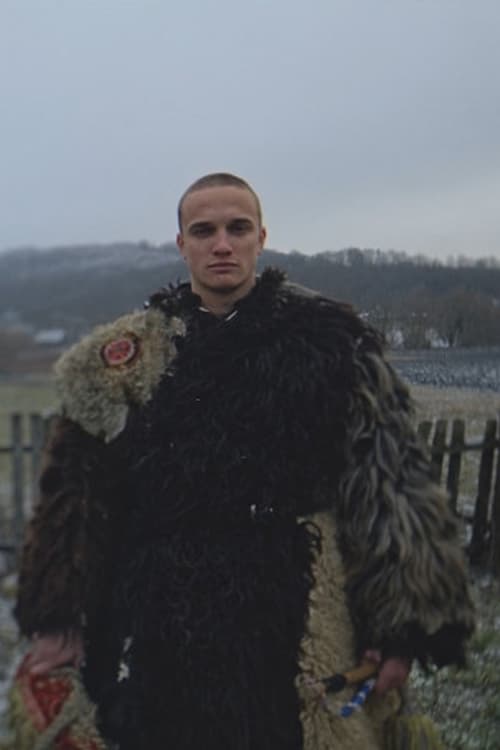
Based on diaries and photographs found in the houses destroyed during the Russian war against Ukraine, the film captures the stories of Mariupol, including that of the director’s family. It centers on the value of freedom and human life itself over the nonsensical statements repeated by totalitarian regimes, as witnessed throughout the history of the Azovstal plant.
Ashes Settling in Layers on the Surface
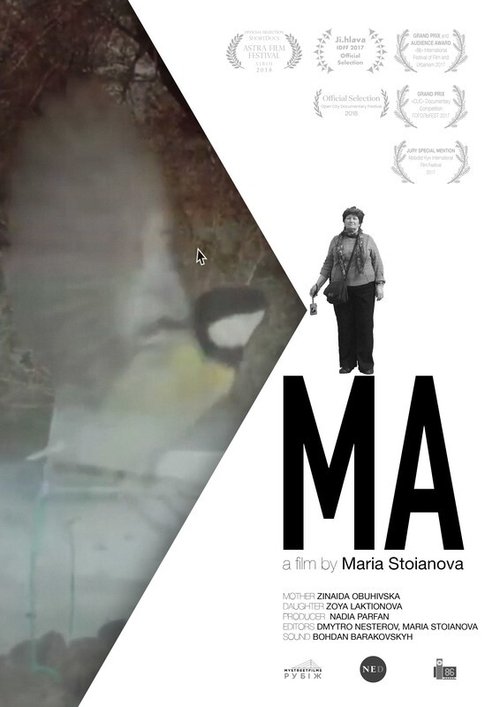
Mom feeds little birds from the window of a panel building in Mariupol, Ukraine, and grows quince in her dacha garden near the battle line. Telling about her simple life, the woman shoots videos for her daughter, who lives in Kyiv and often doesn't pick up the phone.
Ma
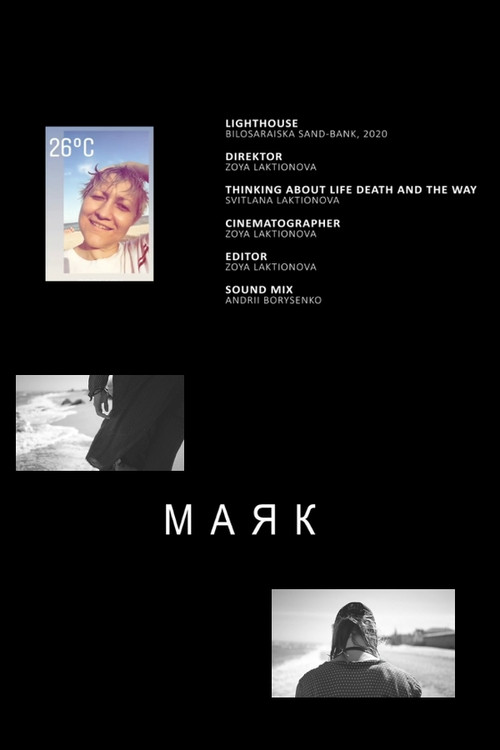
Experimental documentary in which the author asks questions about life, death and the way. What will you understand when you reach the lighthouse?
Lighthouse
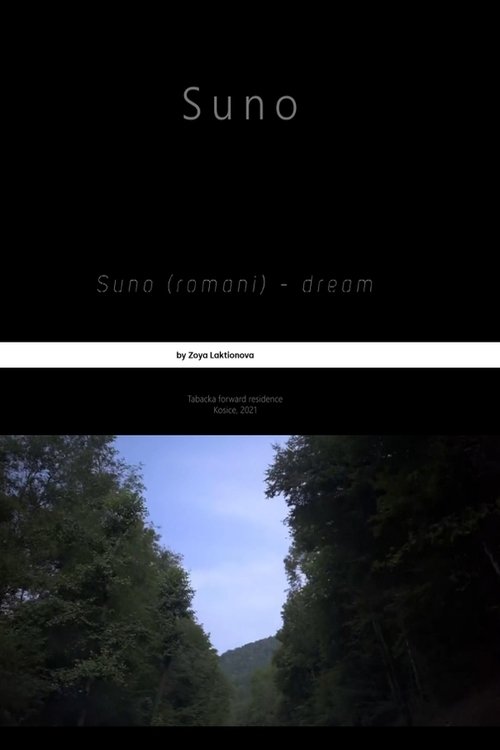
An experimental short documentary essay about the dreams of Roma women living in the ghetto in Kosice. Roma are one of the largest ethnic groups living in Slovakia. Despite this, integration into all spheres of society is difficult. And it should be noted that this applies not only to Slovakia. Luník IX houses the largest community of Romani people in Slovakia. Although originally built for 2,500 inhabitants, it is estimated that the population is now three times larger. Living standards are low, with services such as gas, water, and electricity cut off, as the majority of inhabitants are not paying rent or utilities fees.
Suno
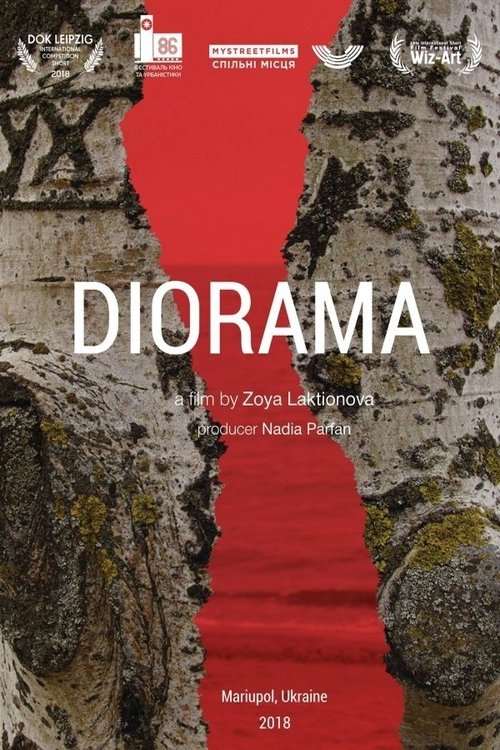
Life flows in its everyday reality, but then suddenly something elusive changes its course. All that is left is the chance to plunge into memories where everything is preserved, as if in a museum.
Diorama
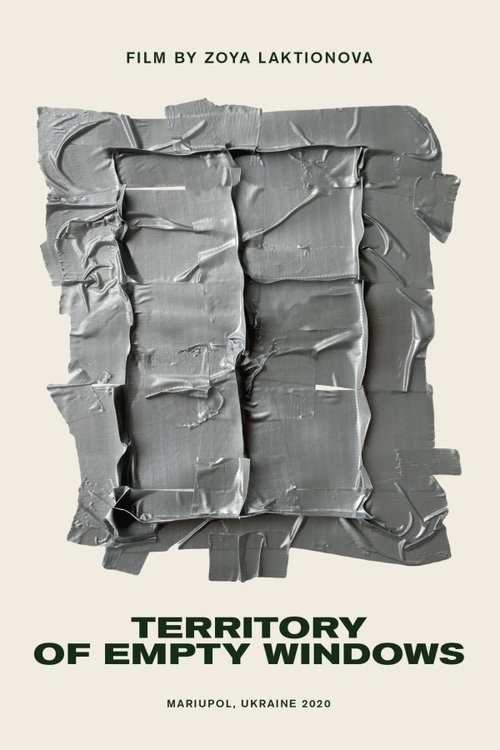
World War II and the plant caused my mother's family to move to Ma-riupol. The war with Russia and the environmental consequences of the plant's operation play a key role in its future life.
Territory of Empty Windows

Director Zoya Laktionova talks about her 2 months of experience abroad in a state of two realities. Her documentary essay interacts with two landscapes in the same space of the video work. The work uses archival family photos of the artist and texts written in the first weeks of the war. The work absorbs one landscape into another, but it is difficult to understand what kind of landscape this act carries out.
Remember the Smell of Mariupol

An attempt by the director to delve into the nature of sexuality and relationships with her friend in order to understand what their experience together was for them.