Dave Gearey
Directing
Known For
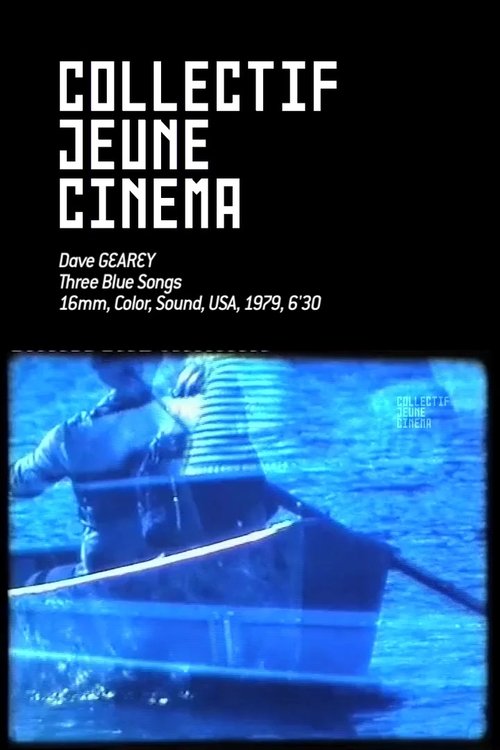
Conciseness, lightness and popular themes make these aquatic entertainment (on fresh or salt water) as many songs for the eyes and ears. An atmosphere of happy memory is evoked by the play of double exposure. This process is enhanced by the colorful treatment. Through family or individual times, the film sings for these moments lived without ostentation.
Three Blue Songs
Speaking of Neuhaus, he's the subject of the next film, 'Max', which pairs another of his soundscapes against a succession of processed images and heavily edited, percussion-based performance footage.
Max
Focuses on a pair of feet in different positions and environments, under controlled and natural lighting conditions.
Footage
Blind love is a passion that eludes temperance and plunges lovers into a darkness that is luminous. In the film, we MAY see the light of their ecstasy. This is no pretty picture: sensuality, desire, pain and loss, all flash and spend their rhythms before the orgasm subsides. The film has been made as a work of silence and of music.
Blind Love
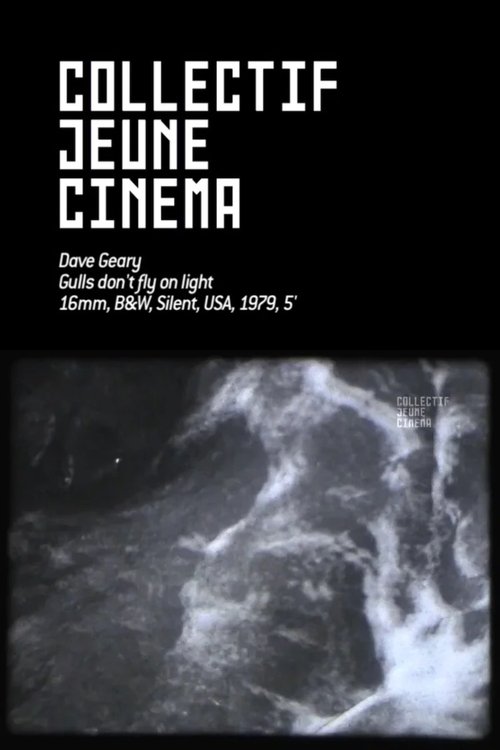
Gulls usually don't fly in movie theaters, but in this case... A scatterbrained camera observes seagulls. See breeze and editing league in order to transform this moment into choreography. The camera and the pair of wings finds themselves, escape from each other, brush against and let themselves passing through or levitate together a short indecisive moment before eclipsing, sometimes literally, until abstraction.
Gulls Don’t Fly On Light
"Not going to the woods and sitting by a stream, but coming into the dark of Cinema for meditating on nature. Not meditating on Mother Nature and her parts, but on Mother Cinema and her forms."–D.G. "a concerto for the kind of water which is so ordinary that normally one forgets to look at it and which is here filmed with astonishing attention." – Pierre Job, Liberation Magazine (Paris)
Stream Rapids Falls
FINAL SCREENS makes an imaginative and colorful leap into the retinal experience of a man who is losing consciousness. It presents a flotilla of images; vivid, enigmatic and obscure, fluttering on the surface of memory, while simultaneously, the sub-conscious murmurs, swells and fades on the colors of an unfathomable mental current.
Final Screens
Composed of 8 separate film sketches recorded in New York's Central Park: Bikes, Volleyball, Soccer, Runners, Boats, Basketball, Baseball and Roller-skating. LIGHTPLAY is about the delight of watching people at play. While the viewer's attention shifts to follow movement, measure rhythms, notice idiosyncratic gestures or listen to the layered sounds of the park, we discover that there is more to being a spectator than meets the eye. Below the surface of textured images, diverse tempos and different, if not polar, visual qualities, we encounter a design that mimics the dynamic and constructive nature of looking and listening. LIGHTPLAY becomes a film about the art of seeing.
Lightplay
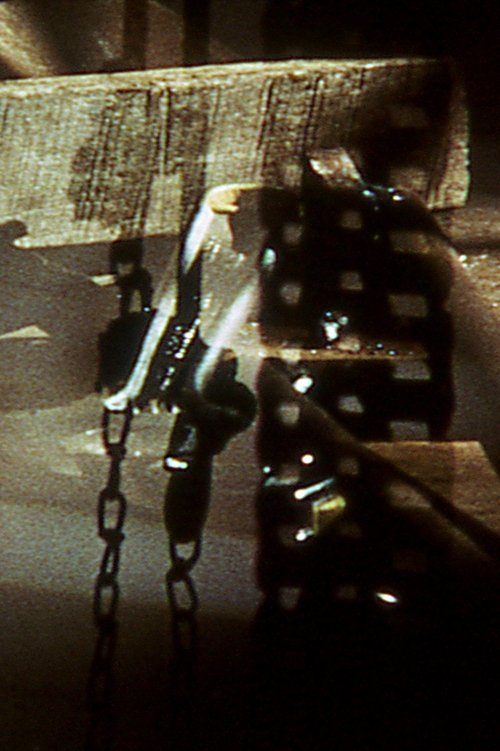
Inspired by a dream of a monkey who tells "stories" by waving a stick that emits abstract shapes, light and movement, this is the "story" of a sculptor making sculpture. It is also a form of dreaming with Cinema. Constructed in lush, layered images, we see sculpture, Jon von Bergen at work but the true subject of this filmic tapestry is the elusive and enigmatic quality of the creative process. By Dave Gearey (1977, 16mm, 13 mins., color, sound)