Acting
German soap opera about the staff of the fictional hospital "Sachsenklinik" in the city of Leipzig.
Polizeiruf 110 is a long-running German language detective television series. The first episode was broadcast 27 June 1971 in the German Democratic Republic, and after the dissolution of Fernsehen der DDR the series was picked up by ARD. It was originally created as a counterpart to the West German series Tatort, and quickly became a public favorite.
Marienhof is a German soap opera, first shown on October 1, 1992 on German TV channel, Das Erste. It started as a weekly series, before becoming a daily program on January 2, 1995. The show was canceled in February 2011 and aired its last episode on June 15, 2011. In the 90s, the Marienhof became a huge success in Finland and remained a fan favorite until it was canceled to license problems. Over the years, the show became known for tackling several social issues, such as homosexuality, homelessness, private bankruptcy, rape, drug abuse, AIDS, child abuse, suicide, cancer, adultery and murder. The show focuses on the everyday life of the residents of the Marienhof, a fictional suburb in Cologne.
No description available.
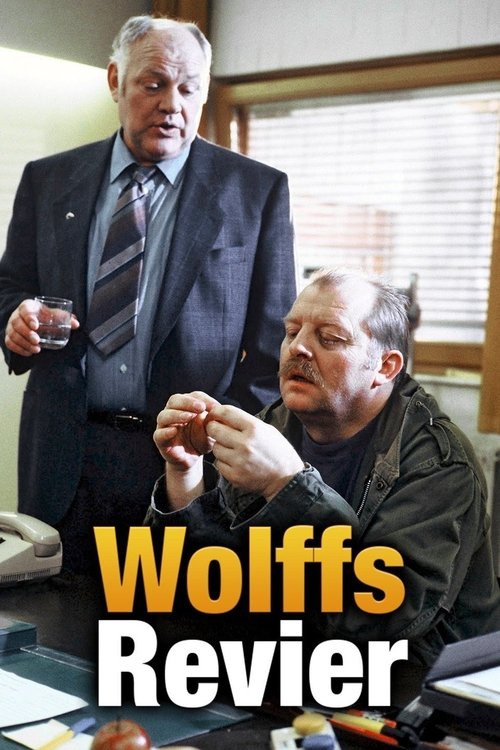
Wolffs Revier is a German television series.
Der Staatsanwalt hat das Wort was an East German television series.
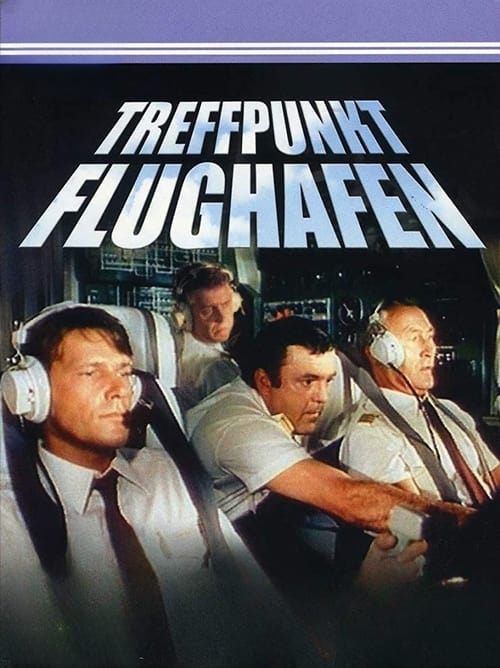
Treffpunkt Flughafen is an East-German television series produced by the DEFA-Studio für Spielfilme on behalf of Fernsehen der DDR in 1985/86. The show follows the life and adventures of the crew of a IL-62 operated by the East-German airline Interflug. Filming locations were East Germany, Vietnam, Angola and Cuba among others.
A story about German resistance group fighting SS units during WWII.
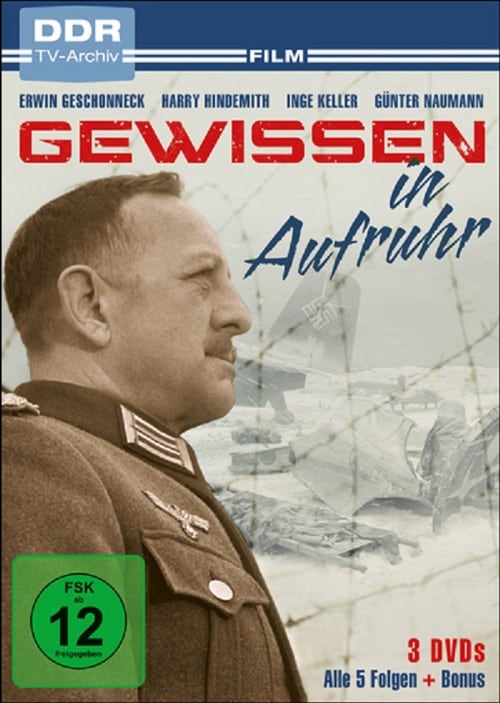
As a German soldier in the 6th Army, Colonel Joachim Ebershagen is trapped in the Stalingrad cauldron. His experiences cause him to begin to doubt the meaning of the war. He is flown out as a wounded soldier on one of the last planes. Back home, he becomes commander of Greifswald. Towards the end of the war, he surrendered the city to the Soviet army without a fight on April 30, 1945. The death sentence pronounced by a court martial is not carried out.
This series is about the "adventures" and problems of the crew of the East German cargo ship "MS-Fichte" at sea. In the first part, the main engine had a piston jam during a storm at sea, so that the piston had to be removed. Mutual recriminations ensue between the captain, who ordered a higher speed, and the chief, who is against it out of concern for the high fuel consumption and is also said not to have bothered to maintain the engine...
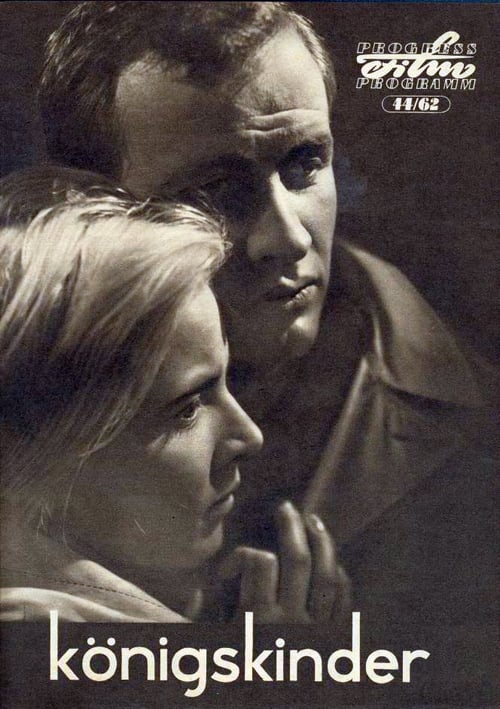
Magdalena and Michael have loved each other since they were children. But when the Nazis come to power, Michael rebels against the regime and is sentenced to fifteen years in a concentration camp. Magdalena, meanwhile, goes underground with the help of a friend and later immigrates to the Soviet Union. Michael, who has joined the Red Army, discovers on the way to Moscow that Magdalena is staying there. But when his plane lands, she is already on her way back to Germany. Michael hopes that one day, he and Magdalena will be reunited.
The film concentrates on the last days of the German navy during World War II.
Russian soldier Grisha escapes from a German prisoner-of-war camp in the spring of 1917. He is caught and is to be shot as a spy. This decision is controversial. The dispute continues. Grisha is executed on the orders of the army high command.
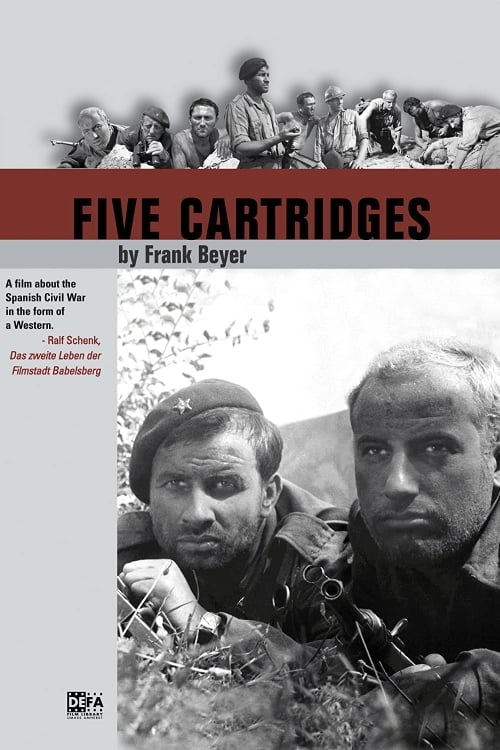
During the Spanish Civil War (1936-1939), five International Brigade soldiers of different nationalities are given a crucial assignment as their commander lies dying: they are to smuggle top-secret information across enemy lines.
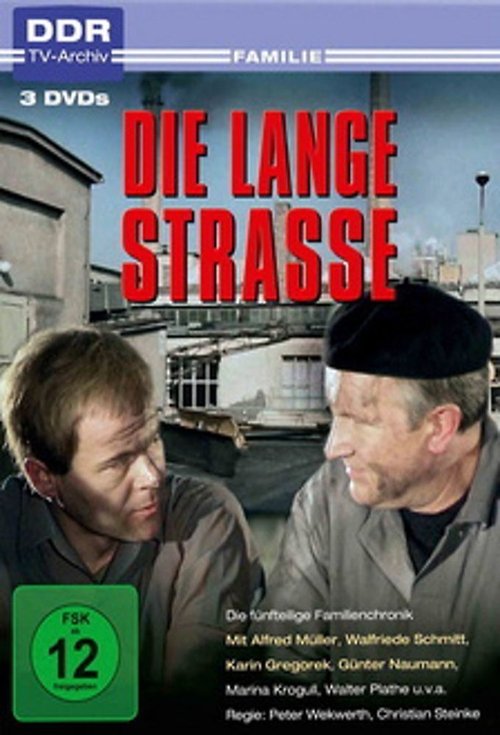
1949. Grafenberg in Brandenburg shortly before the foundation of the GDR. Here lives Michel Hollmann and works in roadmaking. His purpose in life are his wife Lotte and the two children Gerda and Heinz, for whom he is reconstructing a summerhouse into a “nest”. In Grafenberg, his siblings are living as well: His brother Karl, the mayor, and sister-in-law Edith, who works in a textile factory, with their son Jürgen. Edeltraut, his sister, has married the lamp fabricant Berthold Bennert and leads a well-off life. They as well have a son: Harald. Part of the family are further sister Hanna and brother-in-law Hermann, who is a fisherman on one of the local lakes and conducts a tenacious private war against old Stegewald and his presumptive prince-electoral rights. They are living their lives with their large and small conflicts, with different intentions, and yet remain connected always.
South America at the beginning of the 1980s. A man is on the run from a group of armed pursuers. He does not manage to escape and is shot down mercilessly. Young Maria witnesses the cruel event and asks her friend, the journalist Oswaldo, to find out about the backgrounds of this case. The police also start to investigate the case and find out that a mysterious German farm is involved in the shooting. But the farm lies in an exterritorial area, thus the police officers cannot investigate any further.