Acting
Der Staatsanwalt hat das Wort was an East German television series.
Blaulicht is a German crime television drama series, whose 29 episodes were based on crime case files.
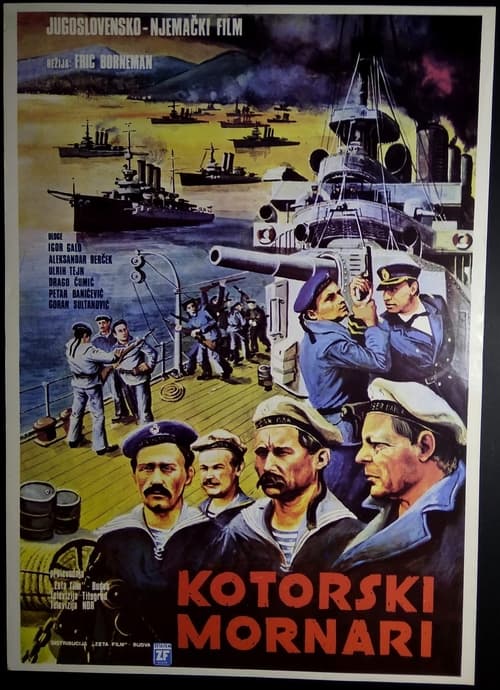
In February of 1918, in Boka Kotorska, the greatest uprising of Austrian sailors broke out. Forty warships, with 6.000 sailors, rebelled against the Austrian Monarchy. The uprising was bloodily crushed after two days, and it's leaders shot.
No description available.
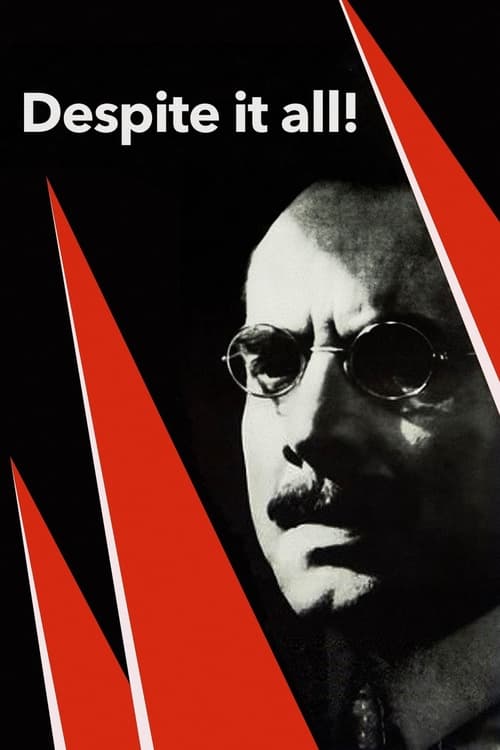
This film is the first of a two-part historical and biographical portrait of the communist politician and anti-fascist Ernst Thälmann. In early November 1918, Ernst Thälmann is an unwilling soldier serving on the western front. As the revolutionary movement at home is threatened by the betrayal of the Social Democrats and fissures in the working class, Thälmann calls on his fellow soldiers to put down their weapons and unite with the workers in the communist struggle at home. Thälmann’s qualms about which side he is fighting on continue, but when the local police attempt to prevent a shipment of provisions and supplies from reaching the people in Petrograd, he intervenes and the ship is unloaded. With this moment of clarity, Thälmann continues to follow his political convictions and joins the workers at the Hamburg uprising in October 1923.
October 1918: Karl Liebknecht is released from prison and Berlin workers celebrate his release. Although WWI is almost over, the German Kaiserreich in vain sends its last reserves to the slaughter. The working class is in a rebellious mood; the uprising of Kiel’s sailors against war and militarism sets off a call for revolution led by Liebknecht. On November 9, Liebknecht declares the Free Socialist Republic of Germany. But pro-Kaiser military and right wing Social Democrats oppose him.
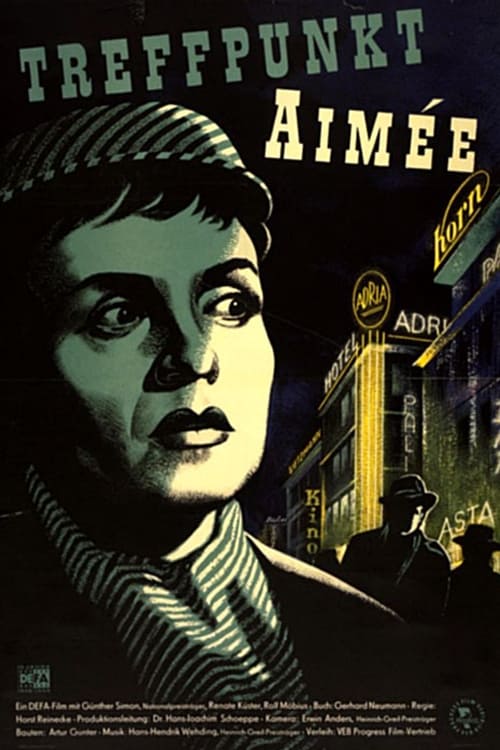
DEFA crime film about the smuggling of PVC across the (still open) border from East to West Berlin.
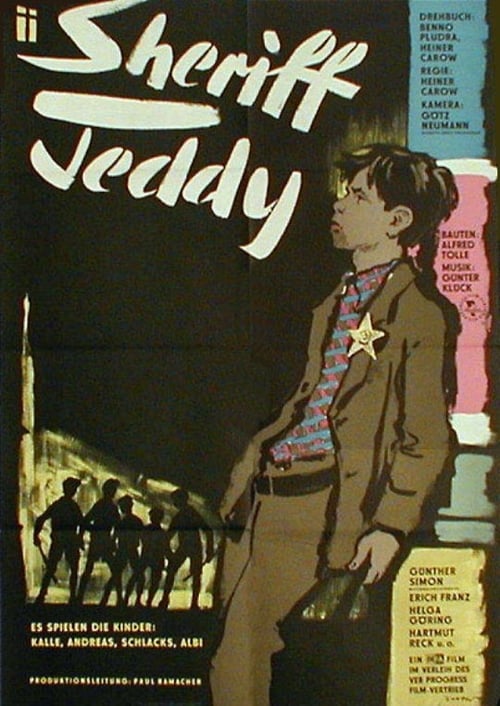
A story about thirteen years old Kalle who is moving with the family from West Berlin to East.
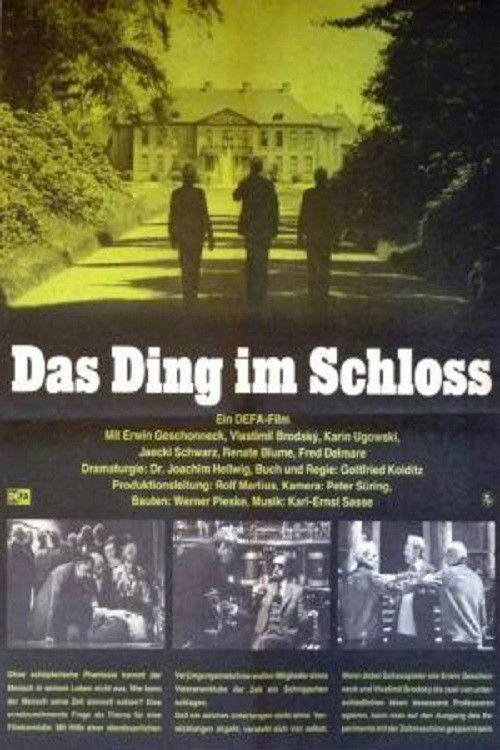
A senior professor is kidnapped in the park by residents of a veterans home. Once there, he is asked to invent a "rejuvenating machine" to restore their youth.
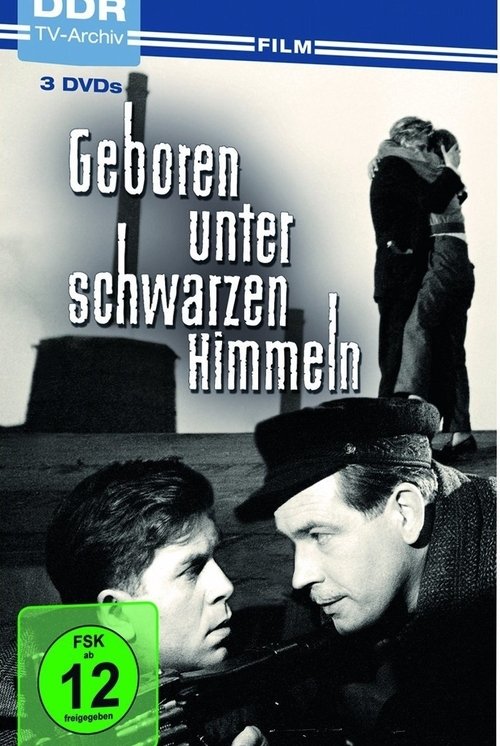
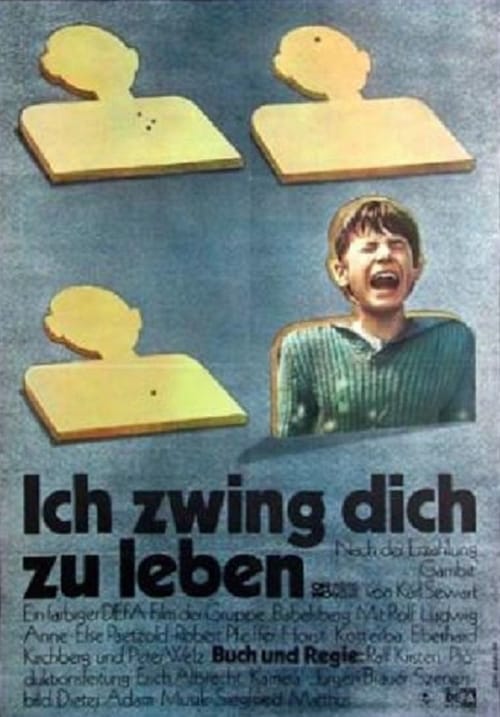
Germany at the end of World War II: Teacher Grübler lives in a small village in the Ore Mountains together with his 15-year old son Wolfgang. At school, the dutiful Grübler, a member of the NSDAP, teaches his pupils to volunteer for military service, but when his own son volunteers for the Waffen SS, he is nevertheless shocked and fears for his boy′s life. But Wolfgang starts to hate his father for his doubts: He thinks his father is a coward. In his desperation, Grübler chains and kidnaps his son to hide him in a dugout in the forest until the end of the war. In their shelter, father and son are fighting bitterly but when the Nazis who still believe in the "Endsieg" discover their hideout, Grübler sacrifices his life to save Wolfgang.
A commercial artist with a lisp chooses silence, unexpectedly propelling his career. His perceived innovation leads to rapid advancement in an ad agency. Mueller-Stahl shines in this biting critique of East German workplace culture.
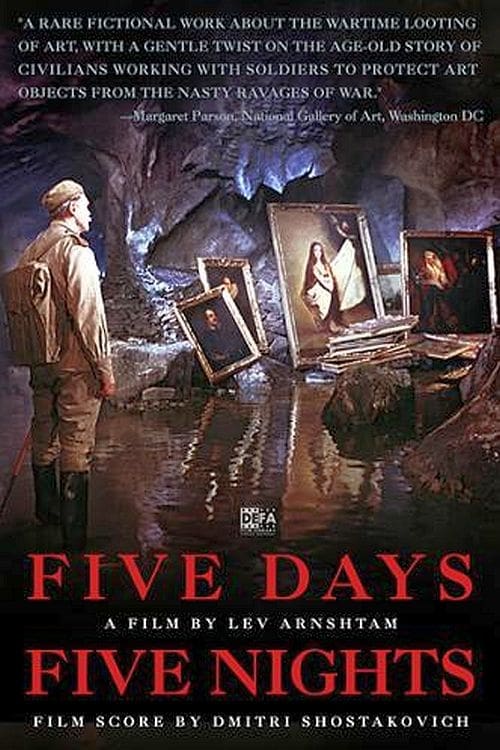
While Dresden is in ruins in the immediate aftermath of the Second World War, over two thousand paintings by artists including Rembrandt, Raphael, Rubens, Giorgione, and Vermeer have disappeared from the city’s Old Masters Picture Gallery. Red Army captain Leonov and his soldiers are ordered to recover the lost paintings.
On August 12, 1961, eight people in three cars set off for Berlin from Leipzig. They want to go to the West. The initiator is the philistine Spiessack, who drives the others, who have embarked on the adventure with mixed feelings. It becomes a journey with numerous incidents and panic, which causes the different characters to clash. When they finally arrive in Berlin the next day, they are not allowed to cross the border. The only option is to return. At home, Spiessack is met by a policeman in his living room - with the slogan "We'll be back" written on the wall.
1945: Buchenwald concentration camp shortly before liberation: Polish inmate Janowski rescues a small child hidden in a suitcase. A child in the world of death means hope and danger at the same time. When his fellow inmates and members of the secret resistance group discover the boy, they are faced with a difficult decision. But in the end, humanity prevails. The original and first German feature film about life and death in a concentration camp based on an authentic story.
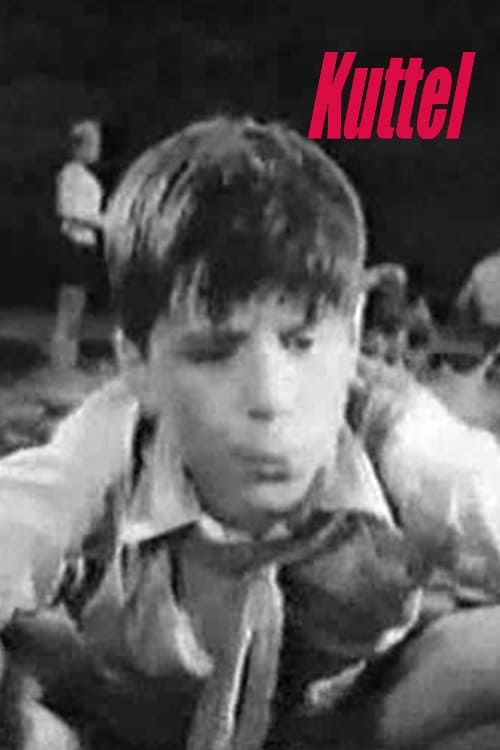
Young Kuttel belongs to a group of working-class children who live in Berlin at the beginning of the 1930s. In the big summer holidays in 1931, the children want to make a race with their model boats and choose as a venue for the small artificial water in the park of their neighborhood. All children in the area are invited to participate in the competition. But there is a traitor among them, who tells the company to the local police officers, who in any case look with arrogance on the "Reds"...
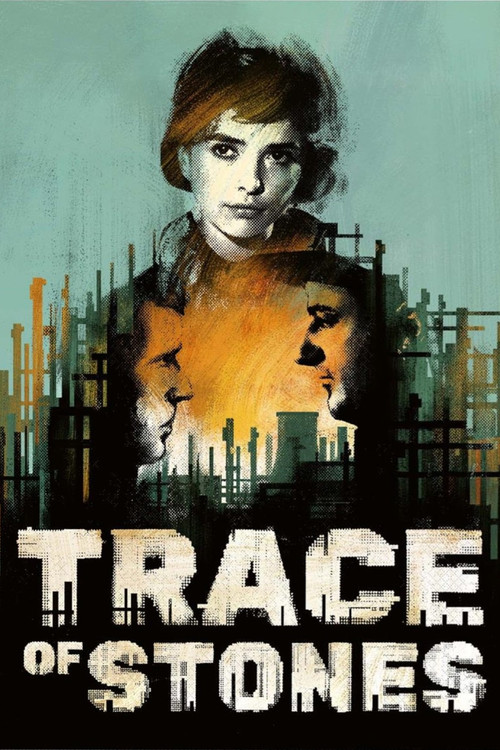
Bad planning and shortages prevail on an East German construction site. Foreman Hannes Balla uses unconventional methods to overcome the problems. New Socialist Unity Party secretary Werner Horrath is charged with bringing the rough-and-ready builder crew into line. The task seems doomed to fail as the two men compete for the affections of young engineer Kati Klee. But when she gets pregnant by married man Horrath, he is in danger of being expelled from the party, and Balla takes his side...