Bruce Wood
Directing
Biography
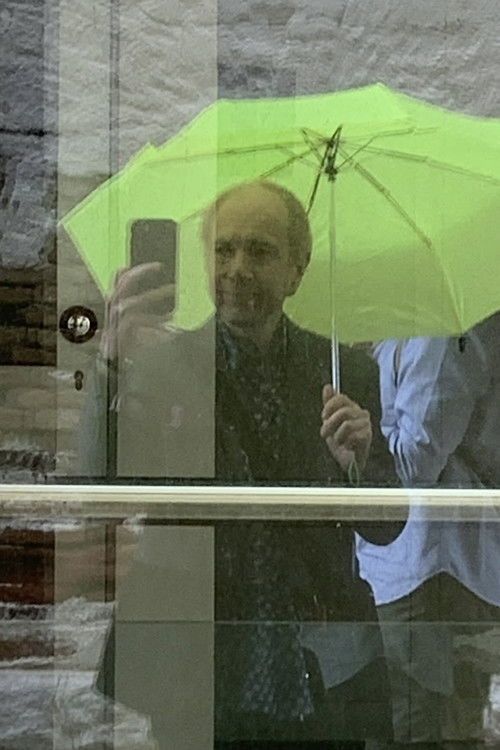
Bruce Wood is a painter and avant-garde film maker whose works have been featured at the Institute of Contemporary Arts in London and The Museum of Modern Art (Beaubourg) in Paris.
Known For

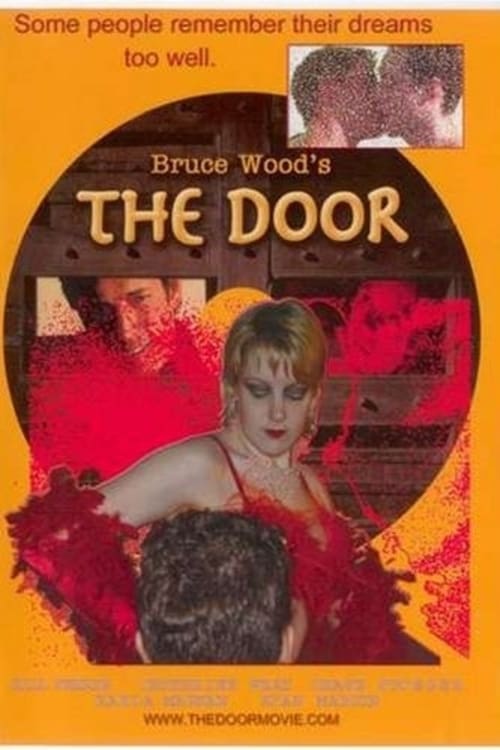
After the breakup of a long relationship, Kent meets three people with the astonishing ability to enter each others' dreams. Though Kent is skeptical at first, he gradually develops sympathy for the group. But, as he tries to help them with some of their personal problems, Kent discovers that delving into the world of dreams involves dangers of its own.
The Door

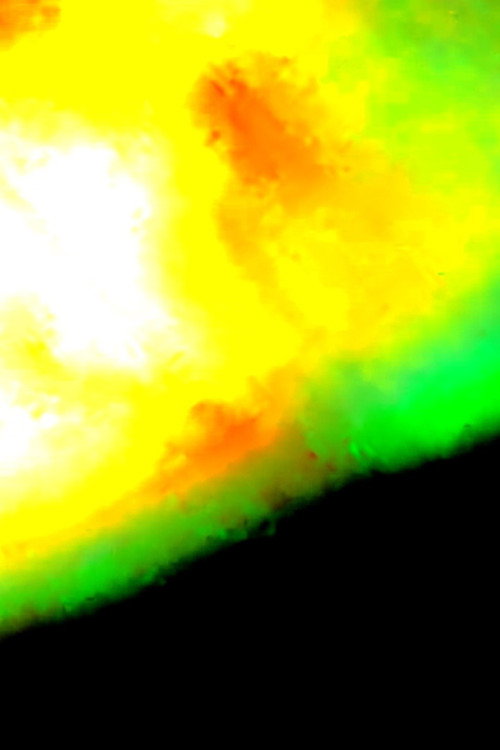
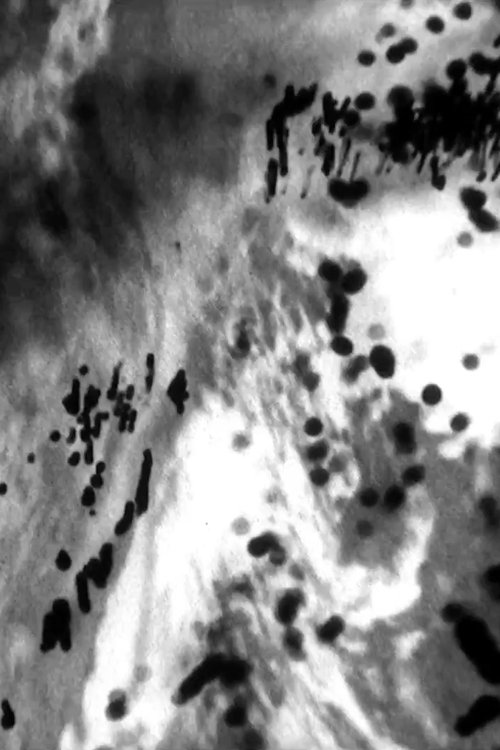
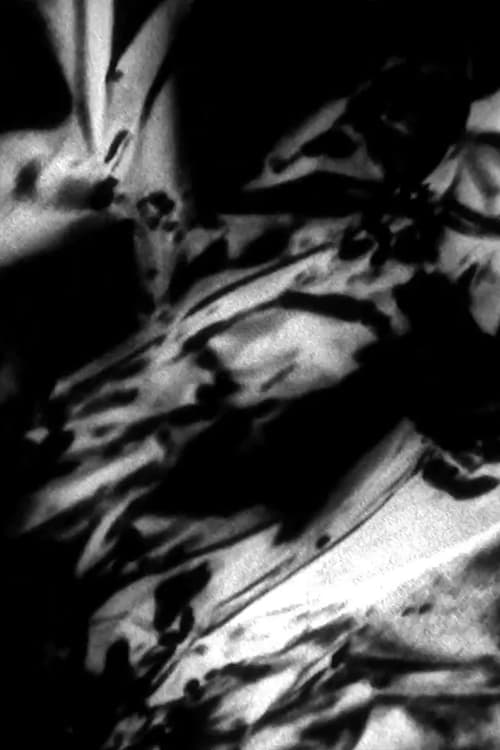
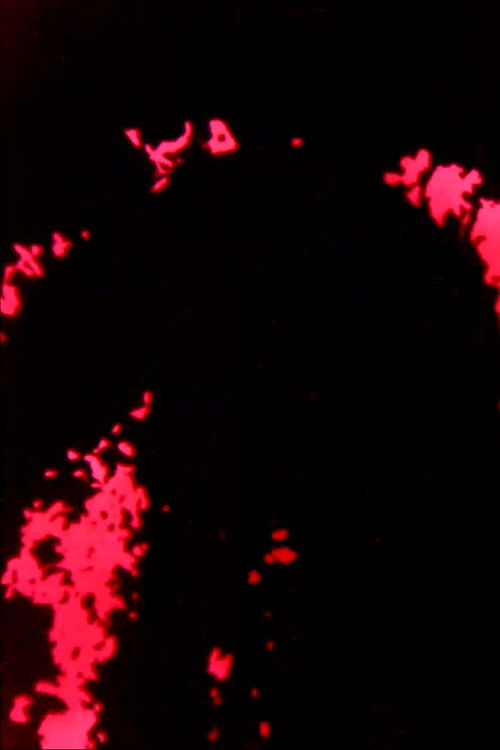
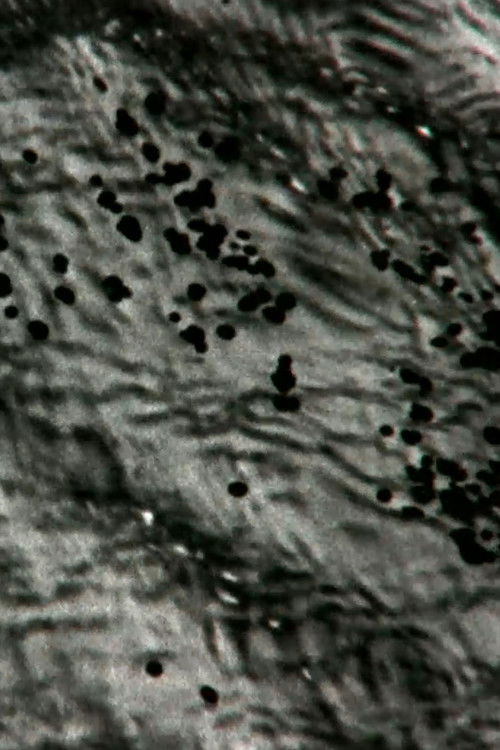
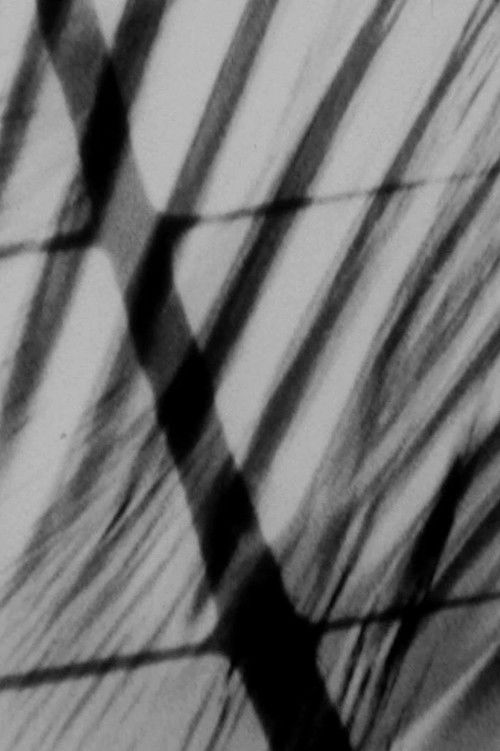
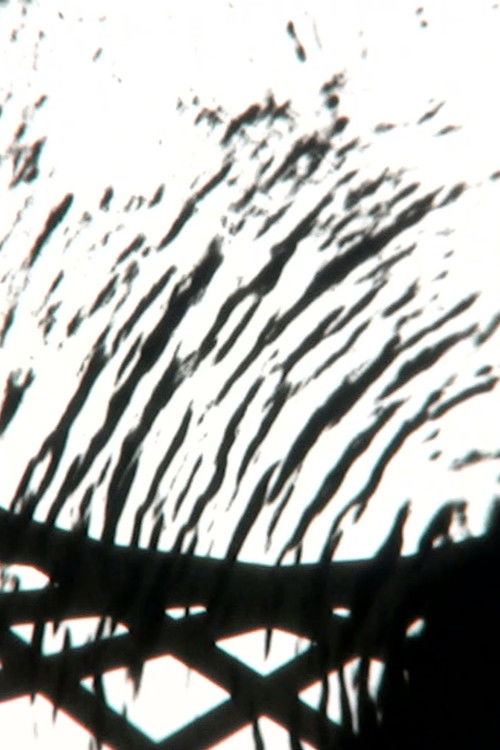
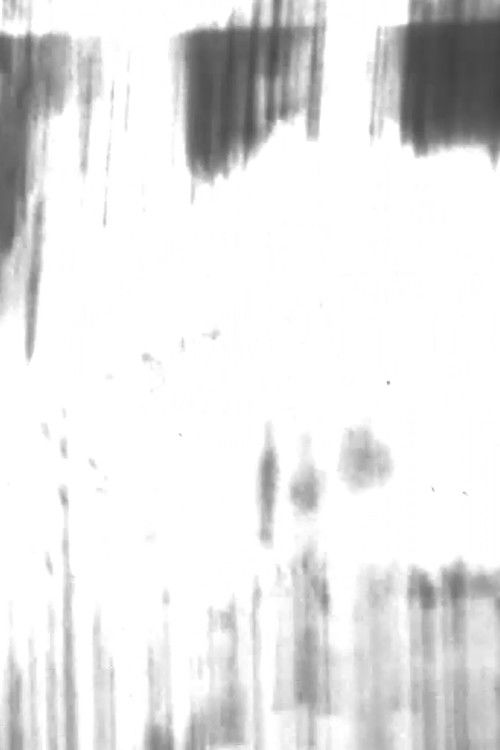
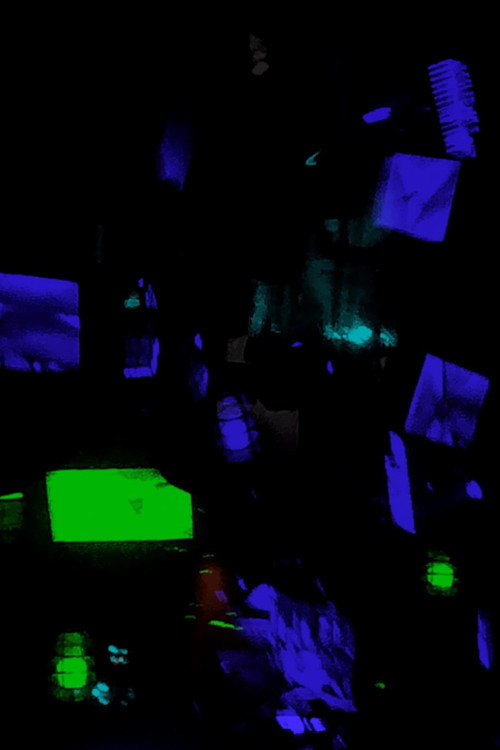
'My films are abstract visual compositions of calligraphic lines, nebulous forms, and sensuous surfaces. They are successors of abstract expressionist painting, and reveal my concern with painterly 'still' composition. I consider them assemblages, or collages.' -- Bruce Wood
Airless Passage

Compositions of abstract forms and calligraphic lies, these films are natural outgrowths (and perhaps ultimate realisations) of abstract expressionist painting.
Arctic Desire

"Bruce Wood's films are among the most sensual of any "abstract" animated work ever made. Projected, they generate a fluid stream of organic images in a carefully controlled post-cubist space comparable to the work of painters like Jackson Pollock. Viewed one frame at a time, (which is the way much of the footage is shot), they recall the rich lines and textures of such master etchers as Rembrandt. Wood's use of camera movement during the exposure of each individual frame - like drawing - together with the illusion of movement in projection make his films both beautiful and unique." -Bill Judson, Curator of Film, Museum of Art, Carnegie Institute.
Molten Shadow

Sketch reel by Bruce Wood
1975 Sketches

1970's unused footage reworked in 2004. Color and Sound. A lovely memory of a Summer evening. Sort of. -B.W.
New Kisses

‘…as if one were participating in the physical act of painting itself…one feels the sensation of the applying of strokes in black and white, of various feathery textural layers…There is tremendous variety of patterns. They blend effortlessly one into the other through a constant variety of means.’ – Bob Cowan
River of Stars

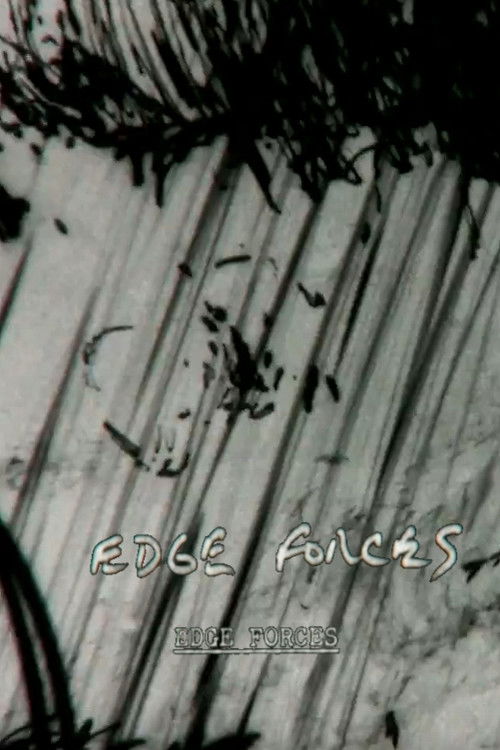
EDGE FORCES is an abstract collage of rapid nebulous forms and calligraphic lines. The frame is used as a "canvas" for thousands of fleeting images that try to expand beyond its confines. Viewers are compelled either to comprehend the dynamic flow of the images, or to make free subjective associations with them.
Edge Forces

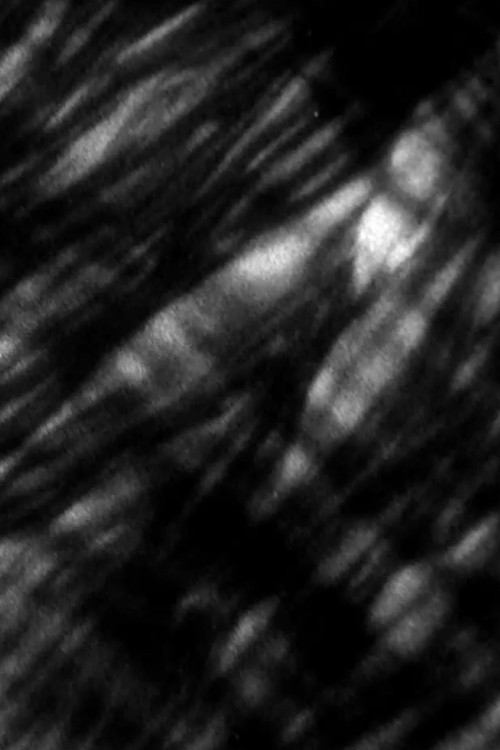
The Smell of Death is the last in a series of moving image creations made as an extension of the Abstract Expressionist painting movement. The film’s structure reveals the interaction of abstract textures and lines punctuated by blackness. The pace and rhythm are purely visual, without dependence of narrative or auditory structure.
The Smell of Death

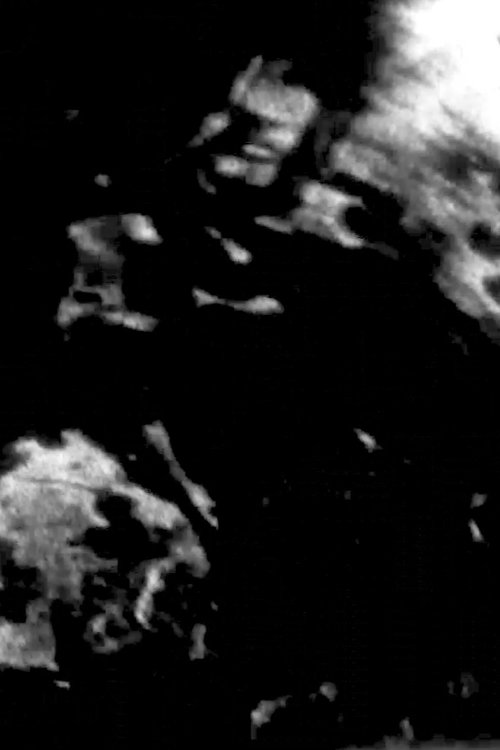
'Bruce Wood in the few short years he has been working in film, has produced an amazing body of work. He is practically alone in a genre (black and white silent abstractions) which has its antecedents in the likes of Eggeling, Richter and Leger. What I find most interesting in his work, amid the concern with textures, shape and space, is his ability to produce works of even tension. Doing away with concepts of beginning, middle and end, he presents a broad landscape, piece by piece, until he has exhausted the source of his subject matter and the whole scene lies there naked and revealed.' - Carmen Vigil, Director, The Cinematheque, San Francisco Art Institute.
Frozen Flight

Bruce Wood studied painting, printmaking, and filmmaking at the Massachusetts College of Art (BFA) and enrolled at the School of the Art Institute of Chicago (MFA), to study filmmaking under Stan Brakhage. "Despite the many threads to be found in Wood's films, they aren't "poor copies" of other artists' work - he has a style and feel that seems quite unique and individual" –White Light Cinema
Silver Traces

‘Bruce Woods films are among the most sensual of any ‘abstract’ animated work ever made. Projected, they generate a fluid stream of organic images in a carefully controlled post-cubist space comparable to the work of painters like Jackson Pollock. Viewed one frame at a time (which is the way much of the footage is shot), they recall the rich lines and textures of such master etchers as Rembrandt. Wood’s use of camera movement during exposure of each individual frame – like drawing – together with the illusion of movement in projection make his films both beautiful and unique.’ – Bill Judson, Curator of Film, Museum of Art, Carnegie Institute, Pittsburgh.
Island Design

"Between Glances... plays with the illusion of depth, with interactions between apparent upper and lower planes. Strong blacks and whites bound the range of grays they encompass, while, periodically, black and white stills devoid of gray tones and of motion demarcate the film's progress." – B. Ruby Rich
Between Glances

Bridge of Heaven is a playful combination of several types of abstract imagery. Everything flows naturally from one image to the next, uniting several different elements into a critical composition.
The Bridge of Heaven

The one called ACE Number 5 was the first, made when I was a grad student at The School of the Art Institute of Chicago. It was the breakthrough which led to the rest of them. -Bruce Wood
ACE Number 5

By Bruce Wood