Acting
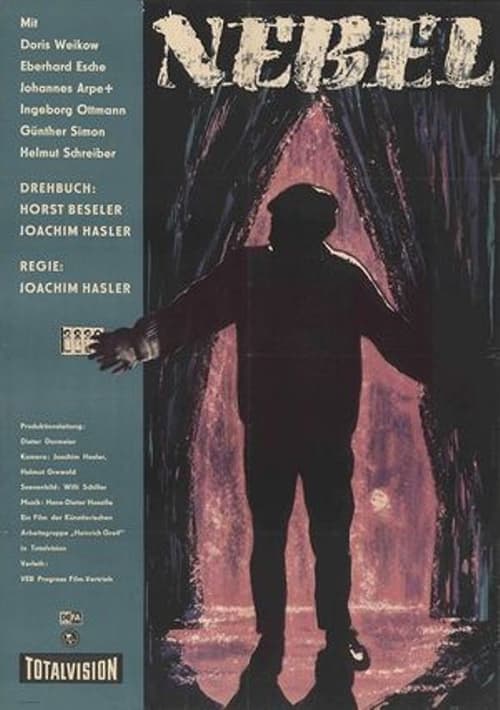
At the beginning of the 1960s, a German turns up on behalf of the NATO in the British village of Rocksmouth. NATO wants to establish a naval base in Rocksmouth, but first, the German envoy has to salvage an old ship wreck. In 1942, the "Princess of India" was supposed to bring children to safety in Canada but was sunk by a German submarine at departure. 58 people were killed, most of them children.
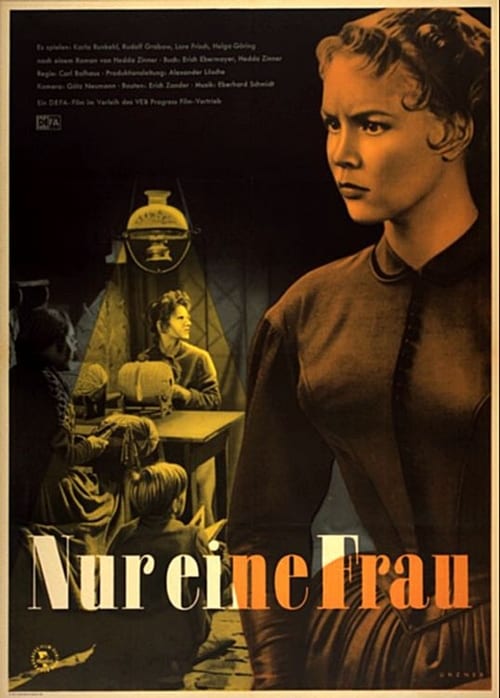
The film tells the life story of Louise Otto Peters, who in the middle of the XIX century in Germany for the first time raised a voice of protest against the unfair treatment of women and their labor. She created the first "women's newspaper" in Germany. The daughter of a famous lawyer, Louise could have easily arranged her life by marrying the wealthy Baron Rodern. But she chose a different purpose in life - to fight for equal rights for women. Through her articles and public speeches, she won the authority and respect of ordinary people.
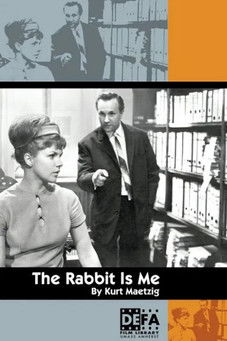
The marriage of Katrin and Richard Lot has become a routine. She has a career and he, as a Marine officer, comes home only once every fourteen days. The children greet him with joy, but she greets him only with anxiety because their marriage is missing its key ingredient: love. She wants a divorce, but he refuses mainly out of comfort as well as due to pressure from the party. Katrin finds a strange solution: she shoplifts and is put on probation for three months. This is enough to force Richard into a divorce because he is concerned about the "moral liability" of his wife.
A film about the historical uprising of the seamen in Kiel: During the Russian October Revolution of 1917, German and Russian soldiers start to solidarize with each other. By disarming the officers, machinist Henne Lonke and stoker Jens Kasten prevent the attack on a Russian freighter. When German admiralty gives out orders for operation "Nibelungen", which would lead the German fleet into a suicidal attack against England and quell the revolutionary spirit, seamen and soldiers from different political backgrounds unite in protest.
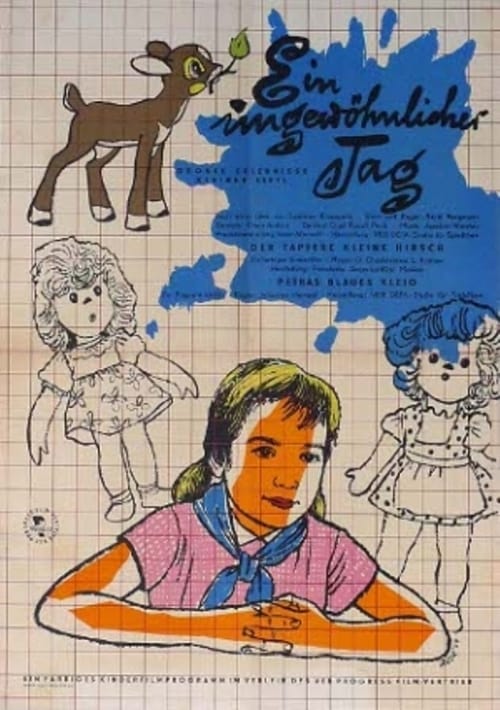
This unusual day was preceded by little Maja's laziness. She didn't feel like doing any schoolwork. When she came to school the next day, the teacher didn't feel like teaching her. Everyone else she wants something from is not in the mood either. Maja begins to wonder whether this strange behavior could have something to do with her "listlessness" yesterday. And she comes to the conclusion that it is not right not to do your homework, as everyone has a duty to fulfill in their place.
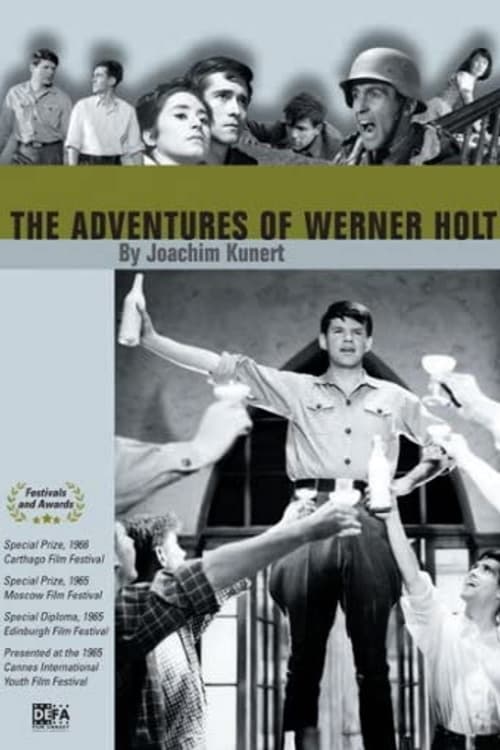
Two 17-year-olds, Werner Holt and Gilbert Wolzow, are pulled out of school and into Hitler's army. Gilbert becomes a fanatical soldier; but at the front, Werner begins to understand the senselessness of war.
Maria, a young student sees her brother Dieter going to prison for sedition against the state. She starts an affair with Paul, a judge who turns out to be the one who sentenced her brother, which eventually leads to a confrontation.
As American settlers encroach on the lands of the Lakota people, Tokei-ihto witnesses the murder of his father at the hands of Red Fox, who wanted information on where the tribe finds its gold. Two years later, at the height of the Great Sioux War, Tokei-ihto and Red Fox meet again.
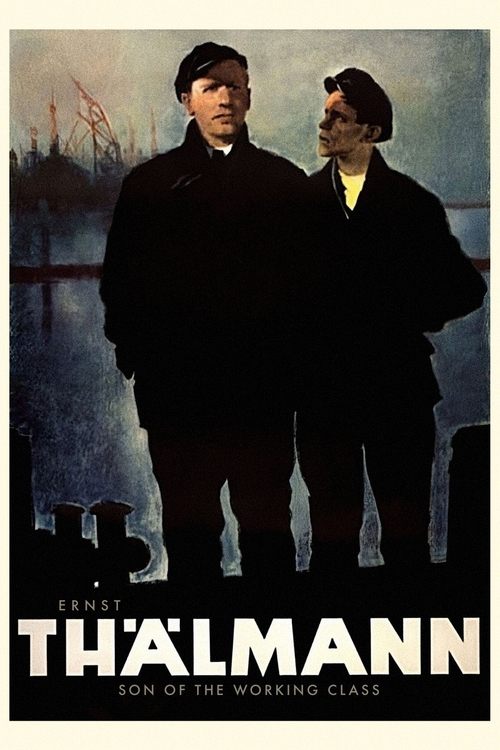
This film is the first of a two-part historical and biographical portrait of the communist politician and anti-fascist Ernst Thälmann. In early November 1918, Ernst Thälmann is an unwilling soldier serving on the western front. As the revolutionary movement at home is threatened by the betrayal of the Social Democrats and fissures in the working class, Thälmann calls on his fellow soldiers to put down their weapons and unite with the workers in the communist struggle at home. Thälmann’s qualms about which side he is fighting on continue, but when the local police attempt to prevent a shipment of provisions and supplies from reaching the people in Petrograd, he intervenes and the ship is unloaded. With this moment of clarity, Thälmann continues to follow his political convictions and joins the workers at the Hamburg uprising in October 1923.
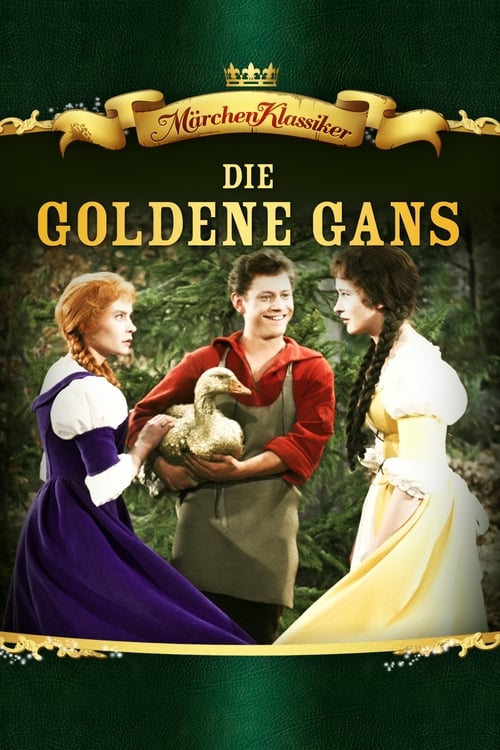
Klaus lives with his two brothers Kunz and Franz in a little village. Together, they ply their trade as cobblers in a small workshop. But the workload rests mainly on the shoulders of ill-treated Klaus. When Kunz and Franz go off into the forest to chop wood for fuel they run into an old woman who asks them for some wine and bread. Rudely and gruffly, they refuse her request and return home without any wood. Klaus then has to set out and he meets the old woman as well. He gladly offers her his frugal meal which is suddenly turned into pancakes and good wine. In addition, he receives a golden goose for his kindness. The bird possesses a an unusual characteristic: all those who are prying, nosy, envious and rapacious get stuck to it and become glued to one another.
In 1930s Berlin, a woman’s life unravels as her unemployed husband succumbs to Nazi propaganda and joins the Storm Troopers, while her brother's anti-Nazi stance leads to his death, prompting her to confront her beliefs and make a risky choice.
Frieda and August Walkowiak celebrate their 30th wedding anniversary. However, the marriage has been in crisis for some time. August wants to spend his old age in peace, while Frieda has no intention of giving up her position as LPG chairman. The problems in the countryside are huge, collectivization is not progressing fast enough, even comrade Heinrich Rantsch is clinging to his individual farm. Frieda fights for progress, even in her private life, because not only her burden but also her higher position is a thorn in her husband's side. During the wedding anniversary celebrations, Frieda is called to the LPG. This is the cause of the family quarrel that has been in the air for a long time. August demands her resignation. In vain - and so he moves in with Rantsch. Their daughter Helga also leaves the house because of the tensions. Frieda collapses. When she is in hospital, August comes to his senses.
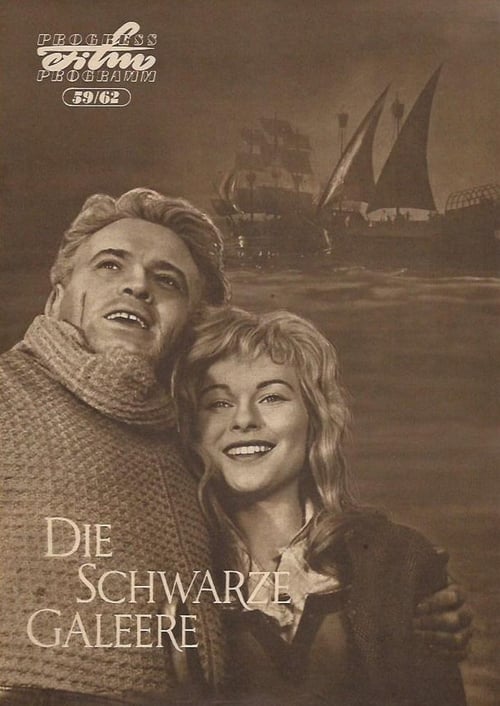
Antwerp at the end of the 16th century. For the second time, the city falls into the hands of the plundering and murdering Spaniards. Jan and Myga are just ten years old. While Myga's father tries to come to terms with the Spaniards, Jan leaves the occupied country with his father. When Jan has grown into a young man, he joins the Geusen and is entrusted with the best ship as helmsman, the "Black Galley". He survives numerous battles and dangers, but one day he is captured by the Spanish. He frees not only himself but also his beloved Myga from the hands of the enemy. In 1609, the Spaniards are forced to finally recognize the independence of the northern provinces.
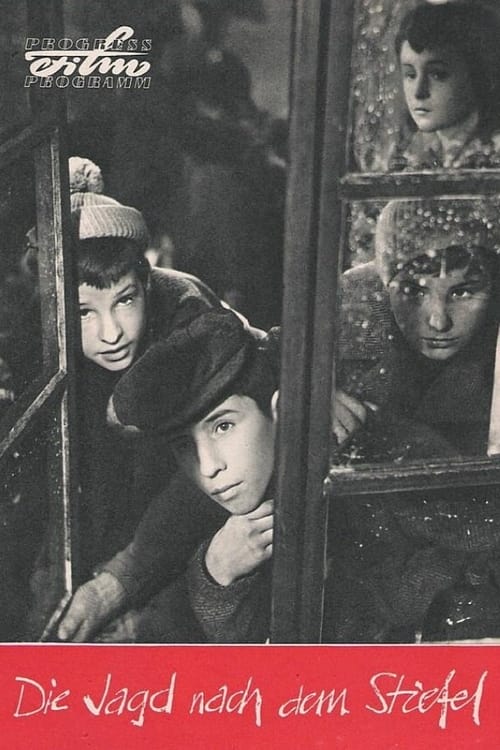
Germany 1932, constant fights between Communists and Nazis tear the country apart. When a Communist is found dead, the police accuses another Communist being his murderer. But the Communist youth group follows another trail - the murderer left a characteristic boot print at the scene of the crime.
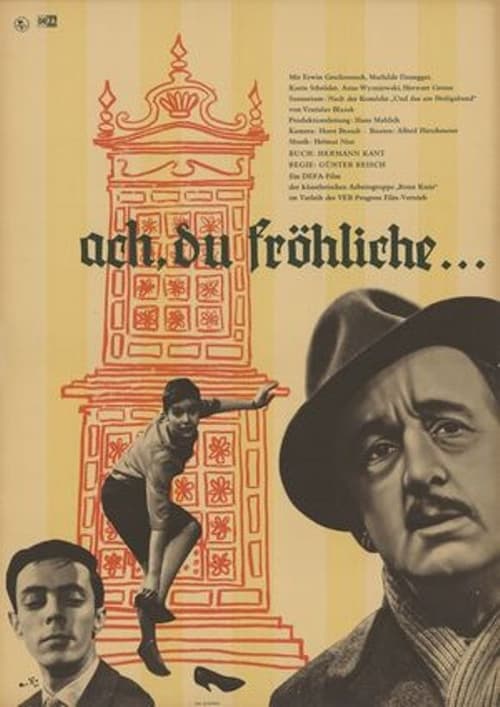
It was supposed to be a cozy Christmas evening with the family. Labor Director Walter Lörke was particularly looking forward to it. But then his daughter Anne surprised him with her future son-in-law Thomas Ostermann. And that's not all: Lörke is to become a grandfather. This doesn't suit him at all, especially as the young man clearly shows his critical attitude towards the state whose ideals Lörke has fought for all his life. An argument ensues - on Christmas Eve. Lörke leaves the apartment in a rage. But he is driven by unrest: He wants to know what kind of person his future son-in-law is and why he has such a negative attitude towards the state. It turns out that Thomas has had bitter experiences with the opportunistic attitudes of many adults and that, although he was the best student in his class, he was not admitted to university because of his critical opinions.
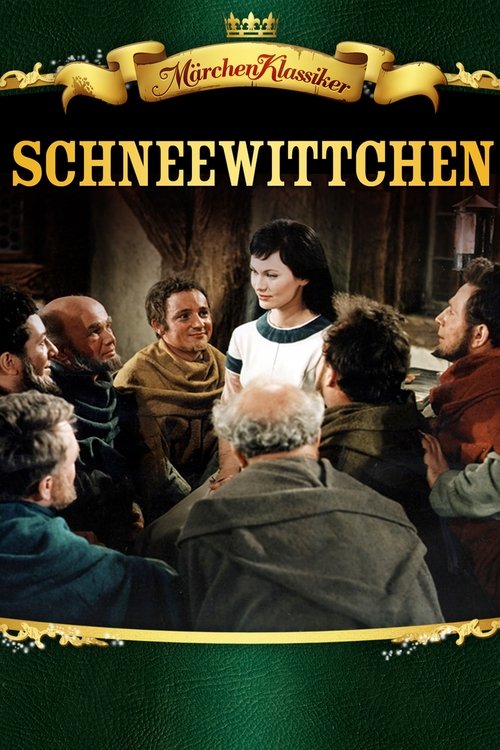
Hated by her jealous and bloodthirsty stepmother, Snow White flees a murder attempt and seeks shelter in the woods with seven kindly dwarfs. Feeling she is safe from harm, Snow White welcomes the disguised queen into her home...with fatal consequences.
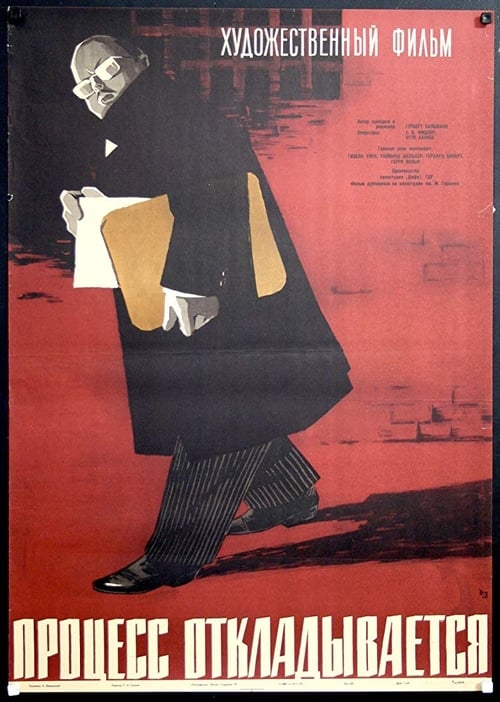
In 1955, Michael Vierkant, a Jew who had emigrated during the Nazi era, returns from abroad to the Federal Republic of Germany to obtain the conviction of Korn, the former informer responsible for the murder of his sister. Korn is back in office; Michael's efforts remain unsuccessful. There is a direct confrontation between the two, and Michael shoots Korn in self-defense. He flees and is hidden by the young, reclusive artist Marie Jäger, but is then caught by the police and charged with premeditated murder. The case is taken out of the hands of the criminal investigation department by the Office for the Protection of the Constitution, which constructs an act of political revenge on behalf of the communists. Michael manages to escape from prison. Marie and her friends organize a press conference at which Michael reveals the connections. The trial is postponed.
In this German drama, Brock, a railroad inspector, witnesses a robbery at a train depot. He recognizes the thief, but turning the man in would mean acknowledging he knows him, thus revealing his own complicity with the Nazi war machine. When Brock’s daughter and her boyfriend begin to question him about the incident, will the secret he’s kept for nearly 20 years finally be exposed?
It is a fateful moment: during one of his concerts, Jewish pianist Klaus Seiser discovers Gestapo officer Dr. Becker in the audience. He had imprisoned and harassed the young Seiser in 1943 because of a leaflet. Although the musician had managed to escape from prison at the time, he was caught at the Swiss border and Becker had him sent to Dachau concentration camp. Now, years after the end of the Nazi regime, Seiser denounces the Gestapo man and hopes for justice.
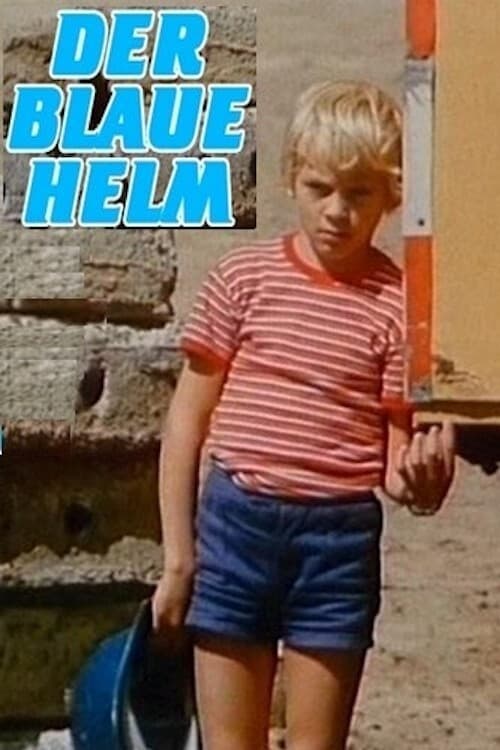
A story about funny adventures young boy Mirco and a drillers blue helmet.