FEEL IT.STREAM
?

Gerhard Klein

Directing

Biography

Gerhard Klein was a German film director and screenwriter, notable for his contributions to East German cinema. A native Berliner, Klein's work often reflected his deep connection to the city. During World War II, he was arrested for participating in the resistance against the National Socialists. After the war, he began his career as a cartoonist and documentary filmmaker. In 1952, he joined the DEFA Studio for Feature Films, where he was instrumental in establishing the production of children's films. Klein's notable works include A Berlin Romance (1956), Berlin – Ecke Schönhauser (1957), and The Gleiwitz Case (1961). His films often explored social issues and the lives of young people in post-war Berlin, contributing significantly to the cultural landscape of East German cinema.

Known For

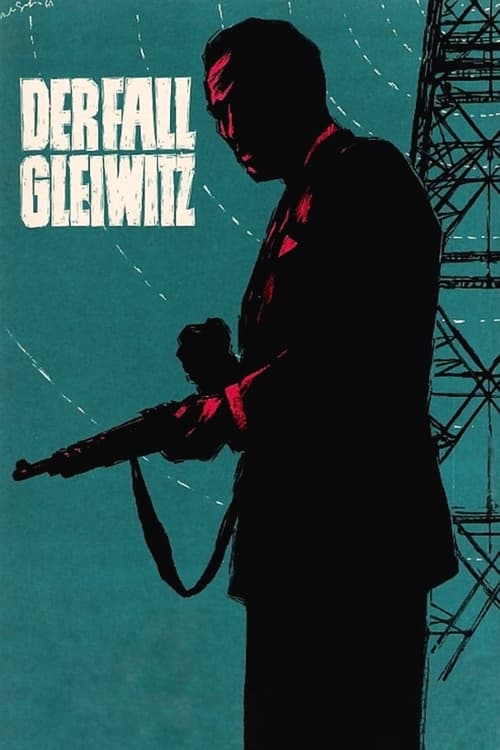
The Gleiwitz Case
6.9

To justify their invasion of Poland at the start of WWII, Nazi high command hatches a secret plan: six Polish men from an SS training camp are sent on a special mission to the town of Gleiwitz, to fake a Polish raid on Germany. The ‘provoked’ Germans will thus launch a ‘counterattack’ on Poland.

The Gleiwitz Case

1961
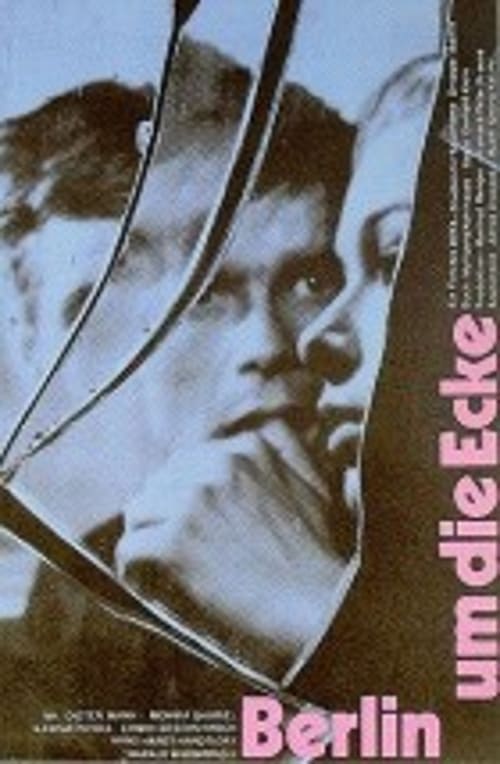
Berlin Around the Corner
5.1

Berlin in the 1960s. Olaf and Horst are two young metalworkers, who provoke their older colleagues with critiques of the antiquated equipment and lack of materials... not to mention their love of leather jackets and motorbikes. Olaf and Horst begin to be targeted in the house newsletter, and the generational conflict escalates.

Berlin Around the Corner

1966
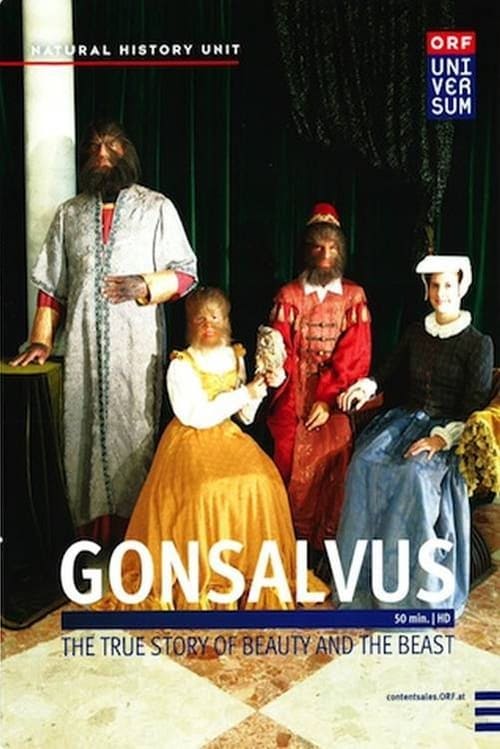
The Real Beauty and the Beast
N/A

It's a condition known as "hypertrichosis" or "Ambras Syndrome," but in the 1500s it would transform one man into a national sensation and iconic fairy-tale character. His name: Petrus Gonsalvus, more commonly known today as the hairy hero of Beauty and the Beast.

The Real Beauty and the Beast

2013
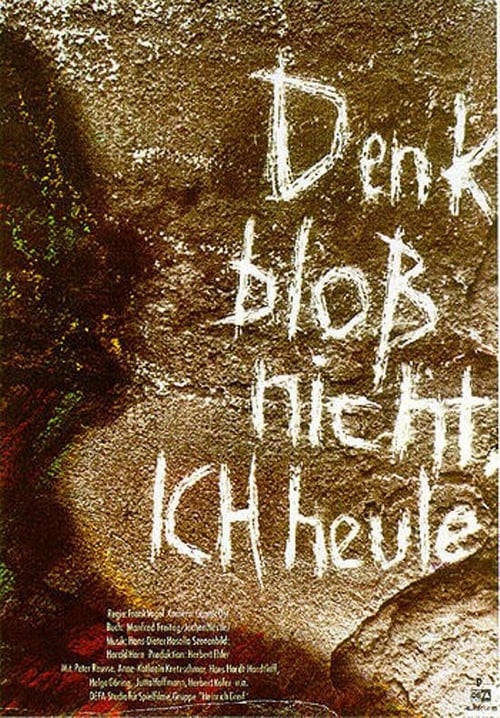
Just Don't Think I'll Cry
7.4

High-school senior Peter considers the adults around him to be hypocritical, self-congratulatory, and immersed in the past. He gets suspended for writing an essay that his teachers consider to be a challenge to the state. Just Don't Think I'll Cry became one of twelve films and film projects-almost an entire year's production-that were banned in 1965-1966 due to their alleged anti-socialist aspects. Although scenes and dialogs were altered and the end was reshot twice, officials condemned this title as "particularly harmful." In 1989, cinematographer Ost restored the original version, and this and most of the other banned films were finally screened in January 1990. Belatedly, they were acclaimed as masterpieces of critical realism.

Just Don't Think I'll Cry

1965
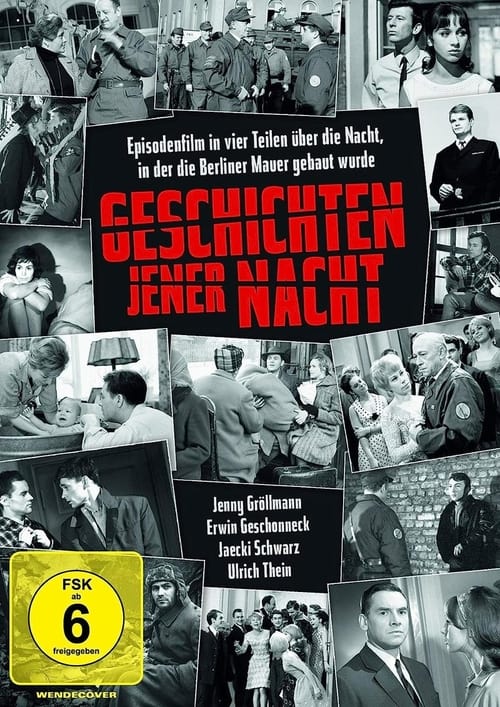
Stories of That Night
6.7

Four directors - four styles - four episodes, all relating the events of a single night which has entered the history books: August 12-13, 1961. There are thousands of complex narratives connected with the frontier drawn through the middle of Berlin, and each episode relates the story of a difficult decision made on that night...

Stories of That Night

1967
Sunday Drivers
6.5

On August 12, 1961, eight people in three cars set off for Berlin from Leipzig. They want to go to the West. The initiator is the philistine Spiessack, who drives the others, who have embarked on the adventure with mixed feelings. It becomes a journey with numerous incidents and panic, which causes the different characters to clash. When they finally arrive in Berlin the next day, they are not allowed to cross the border. The only option is to return. At home, Spiessack is met by a policeman in his living room - with the slogan "We'll be back" written on the wall.

Sunday Drivers

1963
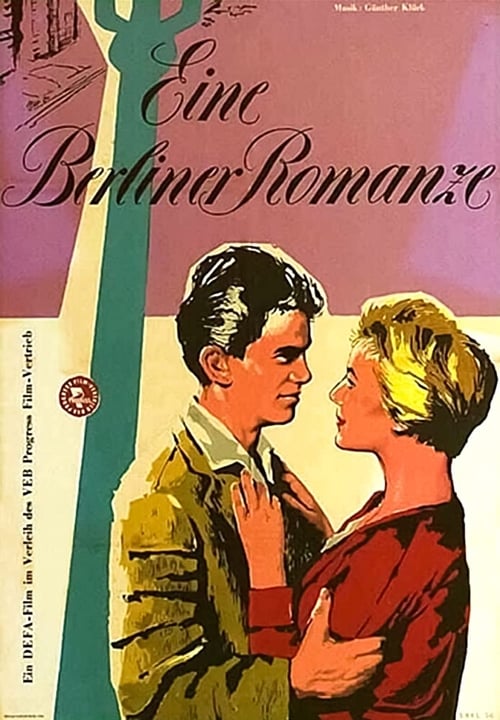
A Berlin Romance
6.1

Mid-1950s Berlin, before the building of the Wall. Uschi, a salesgirl and aspiring fashion model from the East, is attracted to Hans, from the West. But she also loves the bright shop windows in his part of the city. The flashiness of this new world soon evaporates, however, when Hans loses his job.

A Berlin Romance

1956
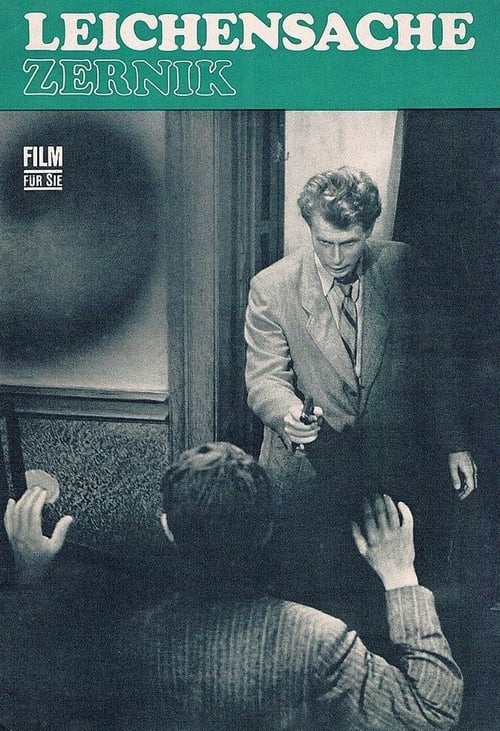
The Zernik Murder Case
5.3

After meeting the woman on the train Erwin Retzmann kills her in the forest.

The Zernik Murder Case

1972
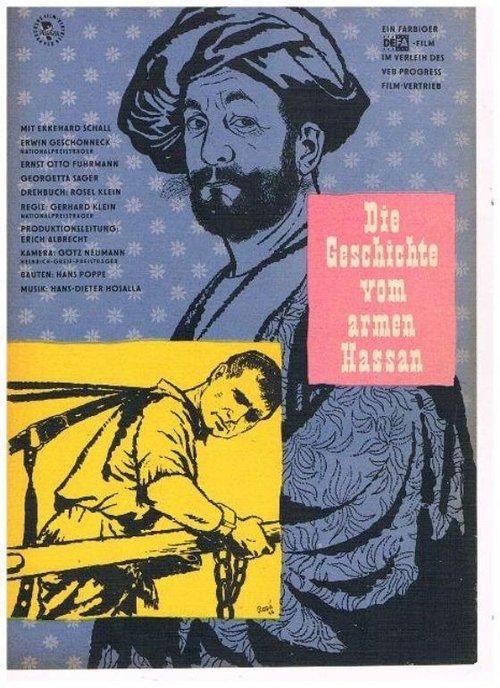
Die Geschichte vom armen Hassan
10.0

The land in poor Hassan's Central Asian homeland is stony and lacks water. Every day, he gazes longingly at the well in the garden of the rich merchant Machmud, which is full to the brim. One day, Hassan's parrot sits on the edge of the well and is attacked by Machmud's guard dog. To save his only friend, Hassan has to kill the dog. The cadi then sentences him to take the place of the guard dog, chained up. When a horse is stolen, he also has to do its work. The slave girl Fatima is his only ray of hope. But even she cannot persuade him to flee, as his place seems predestined by Allah. Only an overheard deal between the merchant and the cadi makes Hassan realize that the world order is dictated by the rich.

Die Geschichte vom armen Hassan

1958
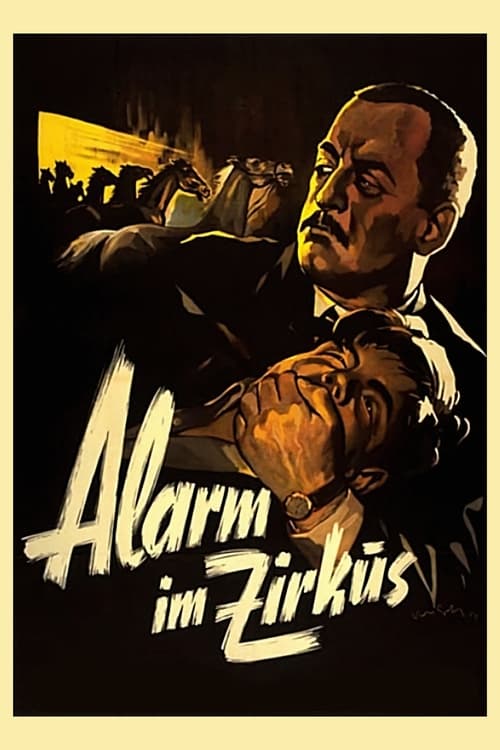
Alarm at the Circus
10.0

Two boys from West Berlin, Klaus and Max, live in poverty. They dream of a career in boxing and save every penny in order to buy boxing gloves for training. Nevertheless, they cannot seem to save enough and so they let themselves be hired by the bartender Klott for a twisted scheme. However, Klaus overhears one of Klott's conversations and learns that Klott intends for the boys to steal horses from the East Berlin Barlay Circus, where Klaus recently made some good friends. Indignant, he sets out to stop the robbery—and an adventurous action story results.

Alarm at the Circus

1954
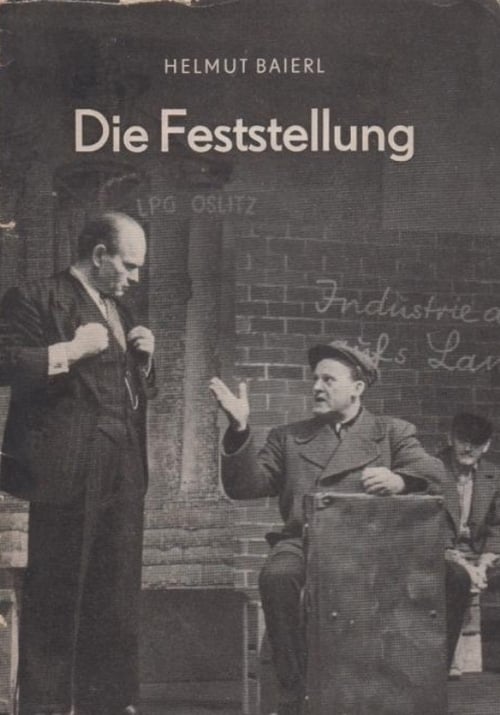
Die Feststellung
10.0

A farmer who has fled the republic returns disappointed from the West to the village of Oslitz (GDR). He and his wife are supposed to get their house and farm back, but the case becomes the occasion for an unusual LPG meeting. The chairman, a comrade from the town and the farmers want to find out what caused the returnee to flee and whether it could have been avoided. The farmer claims that the chairman wanted to force him into the LPG because of illegal fertilizer purchases. He interprets his behavior differently. In order to clarify the matter and learn lessons from it, those present re-enact the events before the escape with reversed roles.

Die Feststellung

1958
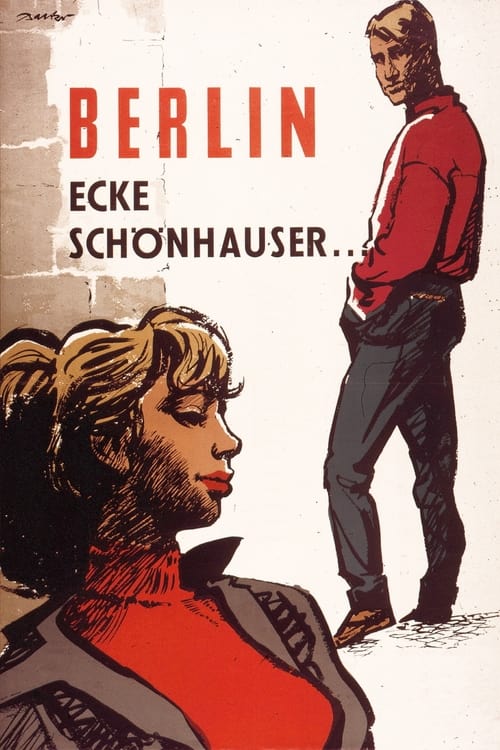
Berlin - Ecke Schönhauser...
6.5

The corner Schönhauser Allee in East Berlin is the main meeting-point for a group of adolescents. Dieter is a construction worker who falls in love with Angela. She, in turn, spends time with the clique whenever her mother is occupied with her new lover. "Kohle" stays away from home to avoid his dad's alcohol problem, and Karl-Heinz is on his way to becoming a small-time criminal. Due to their interest in western music and culture they are regarded as no-goods and rowdies. Things get interesting when an incident forces Dieter and "Kohle" to escape to West Germany. Written by c.winter

Berlin - Ecke Schönhauser...

1957
A bissele Glik
9.0

No description available.

A bissele Glik

2009
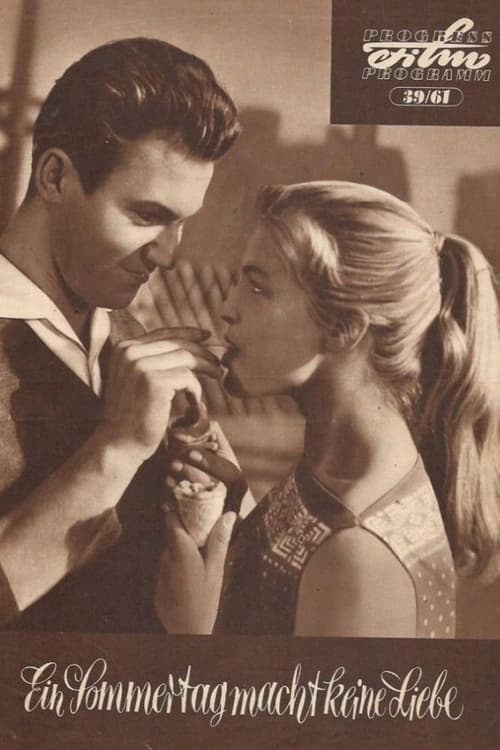
Ein Sommertag macht keine Liebe
7.0

During a weekend spent on the island Hiddensee, the snobbish high school student Jan, who has just been expelled from school, meets Christine. Christine is impressed with his bragging attitude although he just uses it to hide his insecurity and his remorse about the fact that he was sacked. Naturally, he keeps quiet about his current situation. Christine’s companion Hannes is less thrilled about Jan. Later on, the three of them meet again at a dockyard in Stralsund. After the disreputable end of his school career, Jan is assigned to the very brigade in which Christine and Hannes work as a crane operator and a brigadier respectively.

Ein Sommertag macht keine Liebe

1961
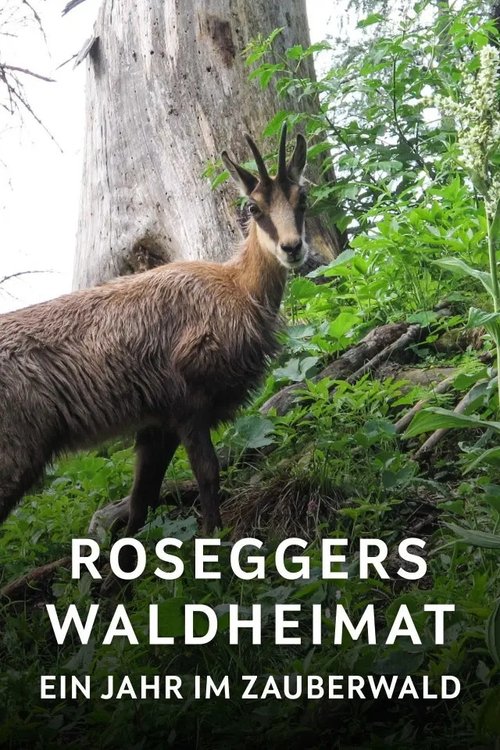
Forest of Fantasies
N/A

In winter, a landscape straight out of a fairy tale; in summer, still a region to refresh mind and soul – Rosegger's forest homeland. Deeply snow-covered forests, ptarmigan, snow hares, and majestic red deer in winter; refreshing streams, blossoming fruit trees, and shy fawns in spring; cooling giant trees, lush alpine meadows, and playful chamois kids in summer; otters and noble crayfish in crystal-clear trout streams, and a magnificent display of colors in autumn – all this Peter Rosegger described in his books. More than a hundred years have passed, but what has changed most since then is the people.

Forest of Fantasies

2014
Baustelle X
N/A

Documentary short to propagate the positive effects of labour protection laws.

Baustelle X

1950